
You should plant Allium Purple Sensation bulbs in the autumn, specifically between September and November. Getting them in the ground before the first hard frost is essential to ensure these striking violet globes bloom reliably in late spring. Proper timing allows the roots to establish themselves well before the dormant winter season begins.
While these perennials are remarkably low-maintenance, they do require a period of cold dormancy to trigger their signature flowering cycle. Planting them too late in the winter can result in stunted growth, while planting too early may cause premature sprouting. Understanding this seasonal rhythm is the secret to achieving a vibrant, professional-looking garden display.
This guide explains exactly when to get your bulbs in the ground and how to set them up for success. We will cover critical factors like soil drainage, optimal planting depth, and necessary sunlight requirements. Follow these practical steps to ensure your garden enjoys a spectacular, long-lasting show of purple color every single year.

The Ideal Planting Window
Timing is critical when adding Allium Purple Sensation to your landscape. To ensure these striking, globe-shaped blooms return reliably each year, you must plant your bulbs during the autumn months. The ideal window for planting is from September through November, depending on your local climate.
These bulbs require a period of cold dormancy throughout the winter to trigger their biological clock. By planting in the fall, you allow the bulbs to settle into the soil and develop a robust root system before the ground freezes. If you wait until spring to plant, the bulbs will likely fail to bloom, as they miss the essential chilling requirement needed to initiate flower production.
Follow these guidelines to determine the best moment for your region:
- Cooler Climates: Aim to plant in September or early October. You want the bulbs in the ground at least four to six weeks before the first hard frost to ensure they anchor properly.
- Warmer Climates: You can safely plant through November. In areas with mild winters, ensure the soil has cooled down significantly from the summer heat before tucking the bulbs into their beds.
- Soil Condition: Regardless of your region, only plant when the soil is workable. Do not attempt to dig or plant if the ground is already frozen solid or waterlogged from heavy late-autumn rains, as this can lead to bulb rot.
If you find yourself with bulbs late in the season, it is better to get them into the ground as soon as possible rather than storing them, provided the soil is not completely frozen. Once planted, cover the area with a light layer of mulch to protect the soil temperature from extreme fluctuations. This simple preparation ensures your Alliums are well-positioned to push up their vibrant, violet-purple foliage and iconic flower heads when the spring sunshine finally arrives.
Choosing the Right Planting Site
The success of your Allium ‘Purple Sensation’ begins long before you put a bulb in the ground. Choosing the right planting site is critical for these dramatic, globe-shaped perennials. They require a location that receives full sun to light, partial shade. While they can tolerate some dappled light, they perform best when they have access to at least six to eight hours of direct sunlight daily to fuel their impressive spring growth.
Soil quality is equally important. Alliums are highly susceptible to bulb rot if left in standing water or damp, oxygen-deprived conditions. They demand well-draining soil to thrive. If you have heavy, clay-like soil that tends to hold moisture, you must amend the area before planting to prevent the bulbs from decaying during the dormant winter months.
To improve your planting site, follow these practical steps:
- Test your drainage: Dig a hole about 12 inches deep and fill it with water. If it takes more than a few hours to drain completely, your soil is likely too heavy and needs modification.
- Amend with grit: Mix in horticultural grit or sharp sand to increase the pore space in the soil, allowing water to pass through more freely.
- Incorporate organic matter: Work in a generous amount of well-rotted compost or leaf mold. This improves soil structure and nutrient content, creating a healthier environment for root development.
- Consider raised beds: If your garden soil remains consistently soggy despite your best efforts, planting in raised beds or containers is a reliable alternative that provides superior drainage.
By taking the time to prepare the site, you create a stable foundation that allows your ‘Purple Sensation’ alliums to establish strong root systems. Proper placement not only ensures a more vigorous display of violet blooms in late spring but also protects the longevity of your bulbs for years to come. Avoid low-lying areas of the garden where rainwater naturally pools, as these spots will almost certainly lead to bulb failure.

Safe Planting Techniques and Tool Use
Successful cultivation of Allium ‘Purple Sensation’ begins with proper planting depth. To ensure your bulbs establish a strong root system before winter dormancy, dig holes approximately 6 to 8 inches deep. Using the correct tools not only protects the bulb but also prevents unnecessary strain on your hands and wrists.
For most garden soils, a bulb planter is the most efficient tool. It creates a clean, uniform hole that allows the bulb to sit securely at the base. If your soil is particularly rocky or heavy with clay, a sturdy hand trowel is a better alternative to ensure you reach the required depth without damaging the tool or your soil structure.
Prioritize your safety during the planting process by following these essential guidelines:
- Wear protective gear: Always use sturdy, well-fitting gardening gloves. These protect your skin from blisters caused by repetitive digging and shield you from soil-borne irritants or hidden sharp debris.
- Maintain a firm grip: When using metal trowels or bulb planters, ensure your grip is dry and secure. Never place your fingers near the cutting edges or the internal mechanism of a bulb planter.
- Mind your posture: Avoid hunching over for long periods. If you are planting a large drift of alliums, consider using a kneeling pad to reduce pressure on your joints.
- Clear your workspace: Keep your tools within reach but out of high-traffic areas. As soon as you finish planting, clean your tools of excess soil and store them in a shed or designated container. Leaving sharp tools on the ground is a common cause of tripping and accidental injury.
By treating your tools with respect and keeping your workspace tidy, you create a safer environment for yourself and your family. Once the bulbs are placed, cover them gently with soil, firming it down lightly with your hands to remove large air pockets. This simple, methodical approach ensures your ‘Purple Sensation’ alliums are perfectly positioned for a vibrant spring display.
Proper Planting Depth and Spacing
Achieving the perfect display with Allium ‘Purple Sensation’ begins with proper placement in the soil. The most reliable rule of thumb for planting these bulbs is to bury them at a depth equal to three times their height. For an average-sized bulb, this typically translates to about 6 to 8 inches deep. Planting them too shallow can leave them vulnerable to frost, while planting too deep may delay their emergence in spring.
When positioning the bulbs in your planting hole, ensure the pointed end is facing upward toward the soil surface, while the flat, root-heavy plate faces downward. If you are unsure which side is up, planting the bulb on its side is a safe alternative; the shoot will naturally find its way toward the light.
Spacing is equally important for both the health of the plant and the visual impact of your garden. Follow these guidelines for optimal results:
- Spacing distance: Place bulbs 6 to 8 inches apart. This distance provides enough room for the foliage to develop without overcrowding, which helps prevent fungal issues by allowing for adequate air circulation.
- Grouping strategy: For the most dramatic visual effect, plant Allium ‘Purple Sensation’ in clusters of at least five to seven bulbs rather than in straight rows. This creates a natural, meadow-like aesthetic when the globes begin to bloom.
- Soil considerations: Ensure the planting site has excellent drainage. Alliums are susceptible to bulb rot if they sit in waterlogged soil during the winter months. If your soil is heavy clay, mix in a generous amount of grit or compost at the bottom of the planting hole to improve drainage.
By following these specific depth and spacing requirements, you provide your alliums with the structural foundation they need to thrive. Proper placement ensures that each bulb has the space to establish a strong root system before the dormant winter period, setting the stage for a vibrant, purple display when spring arrives.
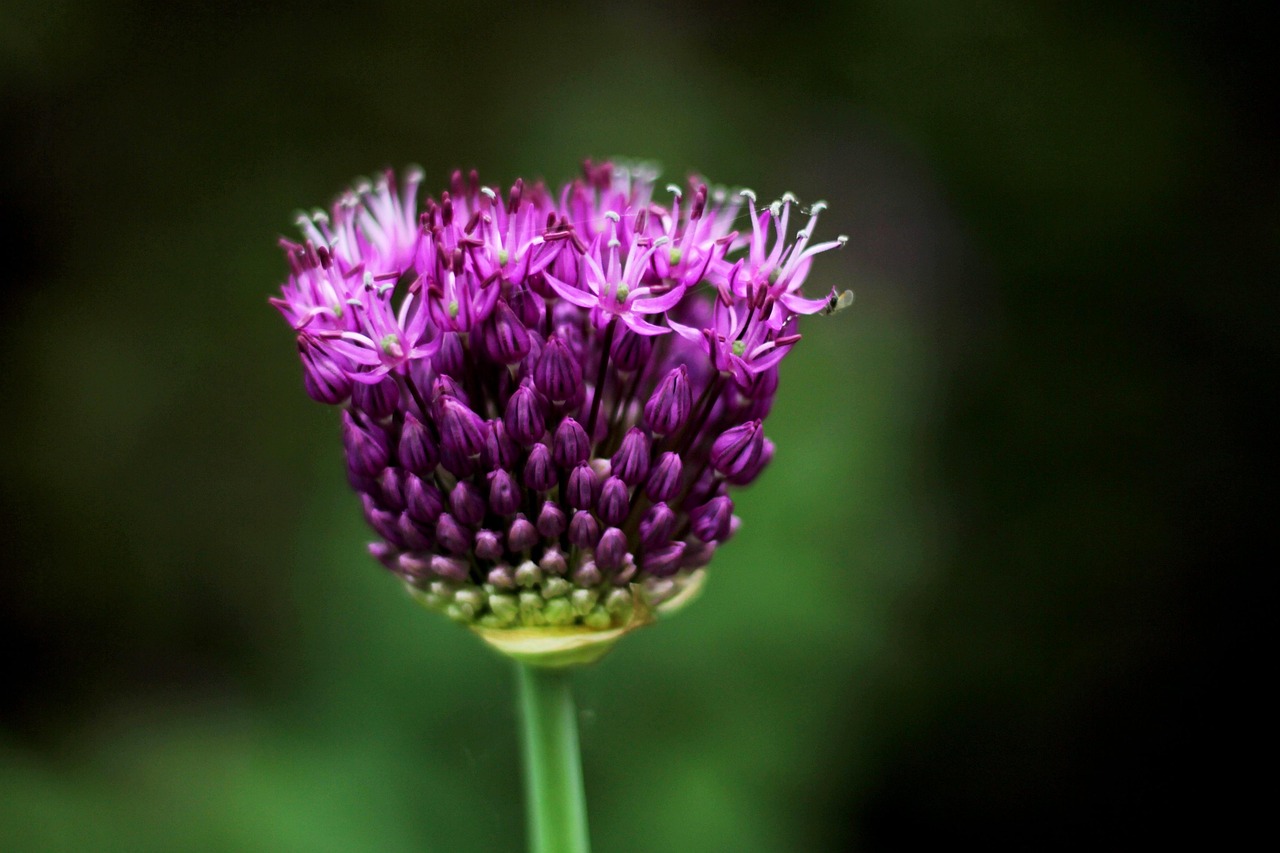
Follow-Up Care and Common Questions
After planting your Allium ‘Purple Sensation’ bulbs in the autumn, water the area thoroughly. This initial soak helps settle the soil around the bulbs, eliminating large air pockets and encouraging early root development before the ground freezes.
Once established, these alliums are remarkably low-maintenance and drought-tolerant. However, they do require consistent care during their active growth phase in early spring. If your region experiences a dry spring, provide supplemental water to support the developing flower spikes.
A common point of confusion for gardeners is the appearance of the foliage. As the blooms fade, the leaves often begin to yellow. This is a natural part of the plant’s life cycle. Follow these guidelines to ensure your bulbs return stronger next year:
- Do not cut back green leaves: Allow the foliage to remain until it turns completely brown and shrivels. During this time, the leaves are photosynthesizing and storing vital energy in the bulb for the following season’s growth.
- Manage shade: Ensure your alliums are not being crowded or shaded out by larger perennials as the season progresses. They require full sun to thrive and bloom reliably.
- Monitor drainage: These bulbs are susceptible to rot if left in standing water. Check your site during wet winter months; if the soil remains waterlogged, you may need to amend the area with grit or organic matter to improve drainage.
If you notice a lack of blooms, it is often due to the bulbs becoming overcrowded or the site receiving insufficient sunlight. If your clumps have become dense, wait until the foliage has died back completely, then lift and divide the bulbs to restore their vigor. By providing this simple, seasonal attention, you ensure a vibrant display of purple globes year after year. With proper site selection and a hands-off approach to the fading foliage, Allium ‘Purple Sensation’ remains one of the most reliable additions to any perennial border.

Dedicated team of gardening enthusiasts with years of hands-on experience testing lawn mowers, gardening tools, and outdoor equipment. We help home gardeners and professionals alike make informed buying decisions with honest, thorough reviews. From push mowers to pruning shears, we test it all so you don’t have to. Got a gardening tool you’d like us to review? Get in touch!