
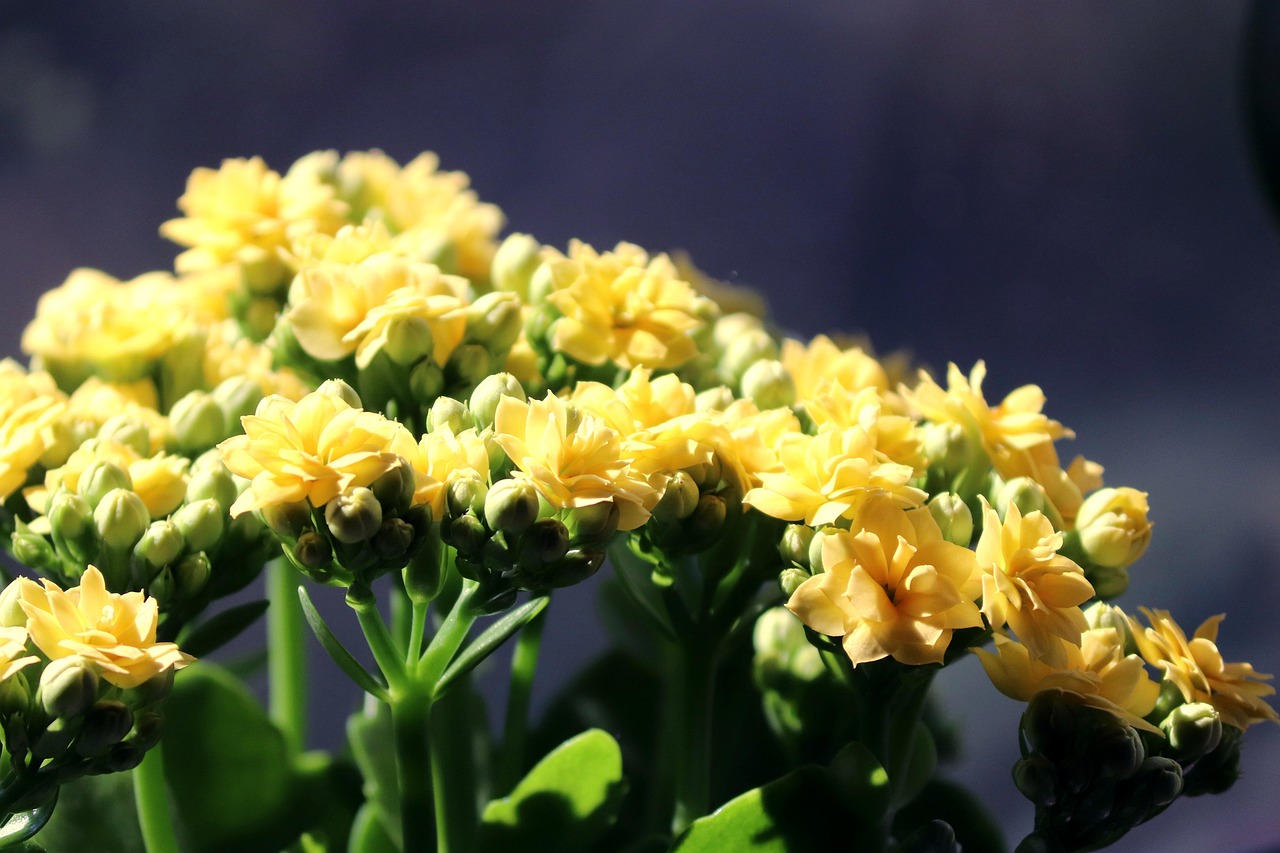
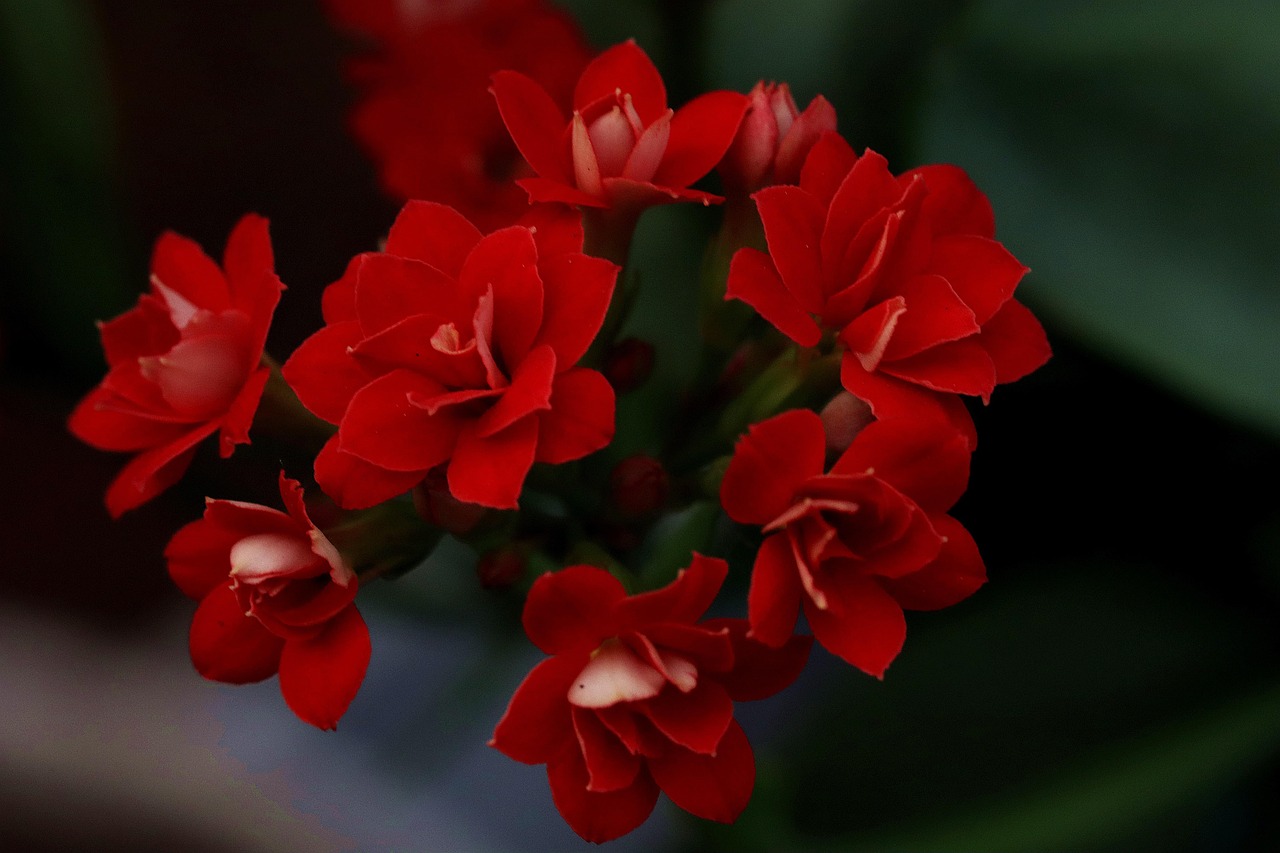
To care for a Kalanchoe blossfeldiana, place it in bright, indirect sunlight and water only when the top inch of soil feels completely dry. This popular, long-blooming succulent is prized for its vibrant clusters of flowers and waxy foliage, making it a perfect, low-maintenance addition to any indoor home garden collection.
While these plants are resilient, they require a specific balance of light and moisture to bloom repeatedly throughout the year. Understanding their natural succulent needs is essential, as overwatering is the most common mistake that leads to root rot. With the right environment, you can enjoy these colorful blooms for many months.
This comprehensive guide explains exactly how to provide the ideal conditions to keep your plant thriving in every season. From selecting the perfect potting mix to mastering the art of seasonal pruning and fertilization, we cover all the practical steps necessary to ensure your Kalanchoe remains healthy, vigorous, and consistently beautiful indoors.
Optimal Light and Temperature Requirements
To keep your Kalanchoe blossfeldiana healthy and vibrant, light management is your top priority. This succulent thrives in bright, indirect sunlight. The ideal spot in your home is near a south or west-facing window. In these locations, the plant receives the intensity it needs to fuel growth without the risk of the harsh, direct sun rays that can scorch its fleshy leaves.
If you notice the plant becoming “leggy”—stretching out with long stems and sparse leaves—it is a clear sign that it is not receiving enough light. Move it to a brighter location, but monitor the foliage for any signs of bleaching or brown, crispy spots, which indicate the light is too intense.
Temperature stability is equally important for long-term health. These plants prefer the same comfortable environment as most people, thriving best in temperatures between 60°F and 75°F (15°C to 24°C). While they are resilient, they are sensitive to sudden environmental shifts.
Follow these practical tips to maintain the right climate:
- Avoid Drafts: Keep the plant away from drafty windows, exterior doors, and direct paths of air conditioning or heating vents. Rapid temperature fluctuations can cause leaf drop.
- Mind the Cold: Never allow the ambient temperature to drop below 50°F (10°C). Exposure to cold temperatures can lead to cellular damage and stunted growth.
- Seasonal Adjustments: During the winter months, ensure the plant is not touching cold window glass, as this can chill the foliage even if the room air feels warm.
By mimicking the plant’s natural preference for a warm, well-lit environment, you provide the foundation for consistent blooming. When the plant is happy with its light and temperature, it will reward you with lush, deep green foliage and clusters of long-lasting, colorful flowers. If you are struggling to find a spot with enough natural light, a simple LED grow light can serve as an effective supplement during the shorter days of winter.
Watering Practices and Soil Health
Because the Kalanchoe blossfeldiana is a succulent, it is uniquely adapted to store water within its thick, waxy leaves. While this makes the plant resilient, it also makes it highly susceptible to root rot if it sits in soggy soil for too long. Proper moisture management is the most critical factor in keeping your plant healthy.
The golden rule for watering is to allow the top two inches of soil to dry out completely before adding more moisture. Before you water, insert your finger into the soil; if you feel any dampness, wait a few more days. During the winter months, when the plant’s growth slows down, you should reduce your watering frequency even further.
When it is time to hydrate your plant, use these best practices to prevent common issues:
- Target the soil: Always pour water directly onto the potting mix. Avoid splashing the leaves or the crown of the plant, as trapped moisture on the foliage can quickly lead to fungal growth and unsightly rot.
- Drainage is essential: Ensure your pot has at least one drainage hole at the bottom. Never let the plant sit in a saucer filled with standing water.
- Choose the right medium: Standard potting soil often holds too much moisture. Use a well-draining potting mix specifically formulated for cacti or succulents. These blends typically contain perlite, pumice, or sand, which create air pockets and allow excess water to escape rapidly.
If you notice the leaves beginning to pucker or look thin, the plant is likely telling you it needs a drink. Conversely, if the leaves turn yellow or feel mushy, you are likely overwatering. By prioritizing soil aeration and avoiding overhead watering, you can easily maintain the health and longevity of your Kalanchoe. Consistent attention to these simple habits will help your plant thrive and produce vibrant, long-lasting blooms year after year.

Safe Pruning and Maintenance
Pruning your Kalanchoe blossfeldiana is one of the most effective ways to ensure it remains compact, healthy, and visually appealing. Regular maintenance prevents the plant from becoming leggy and directs its energy toward producing vibrant new foliage and future blooms.
The most important maintenance task is deadheading. Once a flower cluster begins to fade, it no longer contributes to the plant’s beauty and instead consumes energy that could be used for new growth. To deadhead properly, use sharp, clean pruning shears to snip off the spent flower stalks right at the base, just above the first set of healthy leaves. This clean cut minimizes the risk of rot and encourages the plant to initiate a new blooming cycle.
When working with your Kalanchoe, keep these safety and hygiene best practices in mind:
- Wear protective gloves: The sap of the Kalanchoe blossfeldiana contains bufadienolides, which can cause skin irritation or rashes in sensitive individuals. Always protect your hands during pruning.
- Sanitize your tools: Wipe your pruning shears with rubbing alcohol or a mild bleach solution before and after use. This simple step prevents the transmission of fungal or bacterial diseases from one plant to another.
- Ensure sharp cuts: Dull blades can crush stems rather than slicing through them, creating jagged wounds that are slow to heal and prone to infection. Keep your shears sharp for precise, clean cuts.
- Prioritize safety: Always store sharp pruning tools in a secure location, such as a locked shed or a high shelf, to keep them out of reach of children and pets.
After pruning, observe the plant for a few days. If you notice any stems that look shriveled or discolored, you can trim them back further to healthy tissue. By consistently removing dead material and maintaining a clean environment, you provide your Kalanchoe with the best possible conditions to thrive and reward you with recurring, colorful displays.
Fertilization and Growth Cycles
To keep your Kalanchoe blossfeldiana thriving, you must align your care routine with its natural growth cycle. These succulents experience active growth during the spring and summer months, which is the only time they require supplemental nutrients.
During this peak season, feed your plant once every month using a balanced, water-soluble fertilizer. To prevent fertilizer burn—a common issue with succulents—always dilute the solution to half the strength recommended on the product label. Apply the mixture to moist soil rather than bone-dry potting mix to ensure even nutrient absorption and protect the root system.
As autumn transitions into winter, the plant enters a period of dormancy. During these cooler months, growth slows significantly. You should stop fertilizing entirely until the following spring. Continuing to feed a dormant plant can lead to salt buildup in the soil and potential root damage.
If your goal is to encourage your Kalanchoe to bloom again after its initial flowering phase, you must simulate the shorter days of the year. The plant requires a strict period of total darkness to trigger the development of new flower buds. Follow these steps to promote reblooming:
- Provide 12 to 14 hours of absolute darkness every night for a duration of six consecutive weeks.
- Place the plant in a windowless closet or cover it with a cardboard box during these hours to block all ambient light.
- Ensure the plant receives bright, indirect light during the remaining daylight hours.
- Maintain consistent temperatures between 60°F and 70°F (15°C–21°C) throughout this process.
Once you notice tiny flower buds forming, you can return the plant to its regular light schedule. Proper timing of these cycles mimics the plant’s natural environment, ensuring it remains healthy and produces vibrant clusters of flowers year after year. By respecting these seasonal needs, you provide the structure necessary for your Kalanchoe to flourish indoors.
Troubleshooting Common Concerns
Even with the best intentions, your Kalanchoe blossfeldiana may occasionally struggle. Observing your plant’s physical cues is the most effective way to diagnose and address issues before they become severe.
If you notice yellowing leaves, your plant is likely signaling an environmental imbalance. This typically points to one of two common mistakes: overwatering or insufficient light. Ensure your potting mix dries out completely between waterings and move the plant to a spot that receives bright, indirect sunlight. If the stems appear long, thin, and “leggy,” the plant is stretching to find a better light source. Pruning these stems back will encourage a bushier habit once the plant is moved to a brighter location.
Pests can occasionally hitch a ride on houseplants. If you spot mealybugs—which look like small, white, cottony tufts—or aphids, take immediate action. Treat the affected areas early with a gentle insecticidal soap or a cotton swab dipped in rubbing alcohol to prevent an infestation.
Keep the following safety and health tips in mind:
- Pet Safety: Kalanchoe is toxic to cats and dogs if ingested. Always place your plant in a secure location, such as a high shelf or a room inaccessible to pets.
- Root Health: Persistent wilting or the appearance of soft, black spots on the stems are serious warning signs. These are often indicators of advanced root rot caused by waterlogged soil.
If you encounter these severe symptoms, the plant’s root system may be compromised. In such cases, it is best to consult a local nursery professional. They can help you determine if the plant can be salvaged through repotting into fresh, well-draining soil or if it is time to propagate a healthy cutting to start anew. Consistent monitoring is the secret to keeping your Kalanchoe vibrant and healthy for years to come.

Dedicated team of gardening enthusiasts with years of hands-on experience testing lawn mowers, gardening tools, and outdoor equipment. We help home gardeners and professionals alike make informed buying decisions with honest, thorough reviews. From push mowers to pruning shears, we test it all so you don’t have to. Got a gardening tool you’d like us to review? Get in touch!