
Elephant ears make a stunning tropical statement on patios and balconies. To successfully grow these dramatic plants in containers, you must provide rich, well-draining soil, consistent moisture, and bright, indirect sunlight. When potted correctly, these lush beauties thrive in confined spaces, quickly becoming the focal point of any outdoor living area or sunroom.
While these plants are relatively easy to manage, they do require specific conditions to reach their full potential. Because they are heavy feeders that crave humidity, container gardening presents unique challenges compared to planting directly in the ground. Understanding these requirements early on helps you avoid common pitfalls like root rot or stunted growth.
This comprehensive guide explains how to successfully grow these dramatic plants in containers, covering everything from soil selection to essential feeding schedules. We will also walk you through practical overwintering techniques to ensure your elephant ears survive the colder months. Follow these expert tips to keep your tropical foliage vibrant, healthy, and growing strong all season long.
Choosing the Right Pot and Soil
Selecting the correct container and soil medium is the most critical step in ensuring your elephant ears thrive. Because these tropical plants are prone to root rot, your primary goal is to provide a setup that balances moisture retention with excellent aeration.
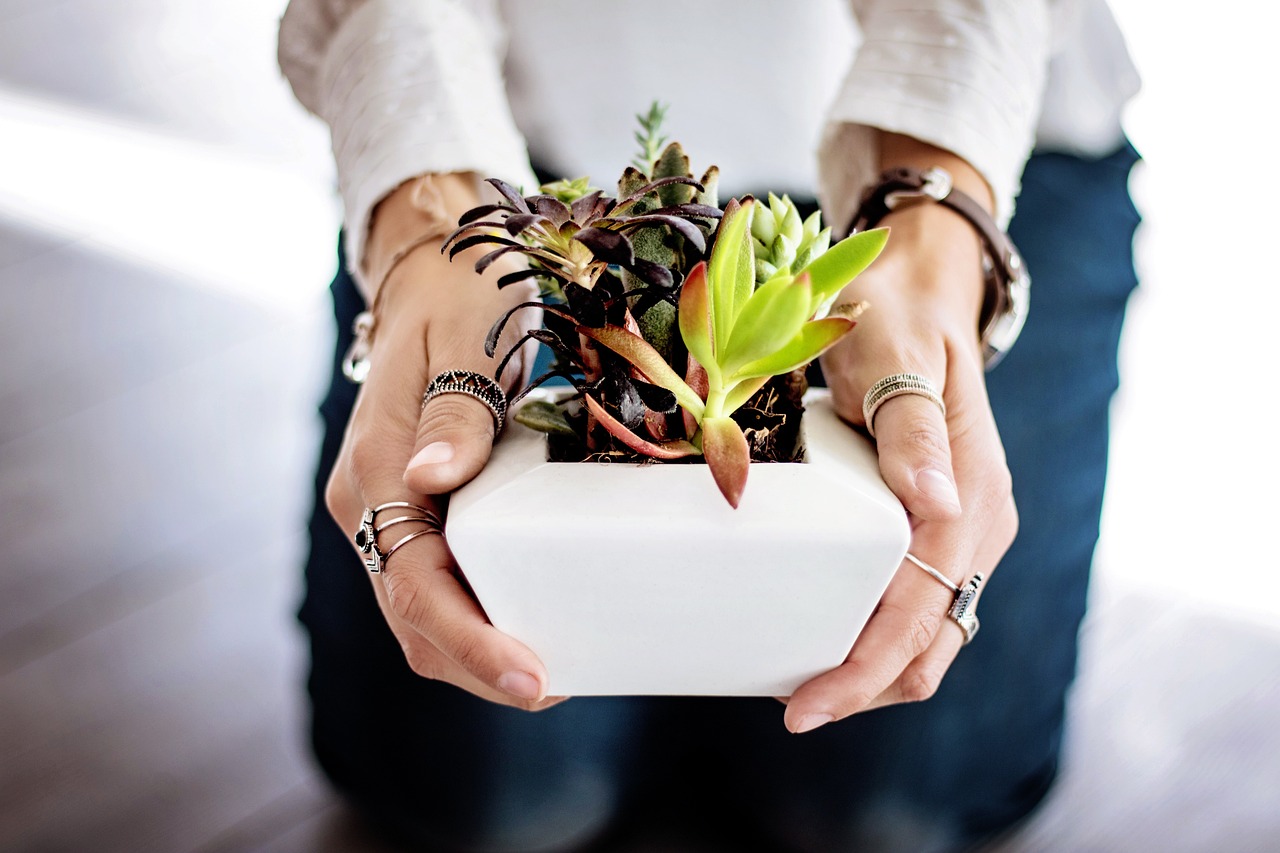
Always choose a pot with generous drainage holes at the base. Without these, excess water will pool at the bottom, leading to suffocated roots and fungal disease. If you fall in love with a decorative pot that lacks holes, use it as a cachepot—simply keep the plant in a sturdy plastic nursery liner inside the decorative container, and be sure to empty any standing water immediately after watering.
Regarding size, elephant ears are rapid growers. Select a container that is at least 15 to 20 inches in diameter to provide enough room for their expansive root systems. A pot that is too small will restrict growth and require you to water much more frequently, increasing the risk of stress.
For the potting medium, avoid heavy garden soil, which compacts easily and holds too much water. Instead, use a high-quality, peat-based potting mix and amend it to improve drainage. Follow these guidelines for the ideal environment:
- Add Perlite: Mix in one part perlite to every three parts of potting soil. This creates air pockets that allow roots to breathe and prevents the soil from becoming waterlogged.
- Check pH Levels: Elephant ears prefer slightly acidic to neutral soil, generally between 5.5 and 7.0. Most commercial potting mixes fall within this range, but it is worth checking the label before purchasing.
- Prioritize Aeration: If you notice the soil staying soggy for more than a day after watering, add more perlite or pumice to the mix during your next repotting session.
By providing a well-draining foundation, you create a stable environment that allows your elephant ears to focus their energy on producing those iconic, lush leaves rather than fighting off root-level decay.
Light and Water Requirements
Elephant ears (Colocasia and Alocasia) thrive when their natural tropical habitat is mimicked in a container. Getting the balance of light and moisture right is the most critical factor in preventing leaf yellowing, browning, or stunted growth.
Light Requirements
These plants crave bright, indirect light to produce their signature lush foliage. Place your pots in a spot that receives plenty of natural light, such as near an east-facing window or a few feet back from a south-facing one. Avoid placing them in direct, harsh sunlight, as this will quickly scorch the leaves, leaving unsightly brown patches or bleached areas.
If you notice your plant leaning heavily toward the light source, rotate the pot a quarter-turn every week to ensure even growth and prevent the stem from becoming lopsided.
Watering Guidelines
Elephant ears are moisture-loving plants that prefer consistently damp soil. However, there is a fine line between moist and waterlogged. If the roots sit in standing water, they are highly susceptible to root rot, which can kill the plant rapidly.
Follow these steps to ensure you are watering correctly:
- Check the soil: Before adding water, insert your finger into the soil up to the first knuckle (about one inch deep). If the soil feels dry at this depth, it is time to water. If it still feels damp, wait another day or two.
- Water thoroughly: When the top inch is dry, pour water evenly over the surface until you see it begin to drain out of the bottom holes of the pot.
- Drainage is key: Never allow the pot to sit in a saucer filled with standing water. Always empty the saucer 15–20 minutes after watering to ensure the roots remain oxygenated.
During the cooler winter months, the plant’s growth will naturally slow down. Reduce your watering frequency during this dormant period, allowing the top two inches of soil to dry out slightly before hydrating again.

Fertilizing for Lush Growth
Elephant ears (Colocasia and Alocasia) are heavy feeders that require consistent nutrition to support their massive, tropical foliage. Because nutrients leach out of containers more quickly than in garden soil, establishing a regular feeding schedule is essential for lush, healthy growth.
During the active growing season—typically from late spring through early autumn—feed your plants every four to six weeks. A balanced, water-soluble fertilizer with an NPK ratio of 20-20-20 is ideal. Always dilute the fertilizer to half the strength recommended on the product label to prevent “burning” the sensitive root systems of your container-grown plants.
While consistent feeding is vital, moderation is key. Over-fertilizing can cause several issues:
- Leaf Burn: Excess salts can accumulate in the soil, causing brown, crispy edges on your leaves.
- Stunted Growth: Too much nitrogen can lead to rapid, weak foliage growth at the expense of root development.
- Soil Toxicity: A buildup of unabsorbed minerals can alter the soil pH, making it difficult for the plant to uptake nutrients.
To keep your elephant ears thriving in pots, you must manage mineral accumulation. Salts from fertilizers naturally build up in container soil over time, which can eventually dehydrate the roots even when the soil feels moist. To mitigate this, perform a “soil flush” every two months.
To flush your container, take the pot to a sink or outdoor area and run a gentle stream of plain, room-temperature water through the soil for several minutes. Allow the water to drain completely out of the bottom drainage holes. This process effectively leaches out excess mineral salts and refreshes the root environment.
Always stop fertilizing entirely once the weather cools and the plant enters its natural period of dormancy. If your elephant ear begins to drop leaves or stops producing new growth in the fall, withhold all fertilizer until you see signs of active growth the following spring.
Safety and Handling Precautions
Caring for elephant ears (Colocasia and Alocasia) requires more than just proper watering and sunlight; it also demands a mindful approach to safety. Because these plants contain calcium oxalate crystals, they require specific handling techniques to keep both you and your household safe.
When pruning foliage or dividing bulbs, always wear gardening gloves. The sap released from the stems and tubers can cause significant skin irritation, redness, or itching upon contact. If you accidentally get sap on your skin, wash the area thoroughly with soap and warm water immediately. Avoid touching your eyes or face while working with these plants to prevent accidental irritation.
To maintain your plant’s health and ensure your own safety during maintenance, follow these best practices:
- Use sharp, clean tools: Always use sterilized pruning shears or a sharp knife. Dull blades crush plant tissue, which creates jagged wounds that are slow to heal and prone to fungal infections. Wipe your blades with rubbing alcohol between cuts to prevent the spread of pathogens.
- Secure your space: Elephant ears are toxic to both humans and pets if ingested. The calcium oxalate crystals can cause intense burning, swelling of the mouth and throat, and digestive distress. If you have curious cats, dogs, or small children, keep your potted elephant ears on elevated plant stands or in rooms that are strictly off-limits.
- Dispose of trimmings carefully: Do not leave pruned leaves or bulb scraps where pets can reach them. Collect all plant debris immediately after trimming and place it directly into a sealed compost bin or trash bag.
By treating these plants with the same caution you would use for other common household toxins, you can enjoy their lush, tropical aesthetic without unnecessary risk. If you suspect that a pet or child has ingested any part of the plant, contact a medical professional or your local poison control center immediately for guidance.

Troubleshooting and Overwintering
Even with optimal care, elephant ears in pots may occasionally struggle. If you notice yellowing leaves, it is often a sign of overwatering or poor drainage. Ensure your pot has adequate drainage holes and allow the top inch of soil to dry out before watering again. If you spot fine webbing or stippled leaves, you likely have a spider mite infestation. Treat these pests immediately by wiping the foliage with a damp cloth or applying a gentle insecticidal soap.
If you live in a climate where temperatures drop below freezing, you must overwinter your elephant ears to prevent the tubers from rotting in the cold soil. Follow these steps to safely store them until spring:
- Wait for Frost: Allow the first light frost to naturally kill back the foliage. This signals the plant to send energy down into the tuber for storage.
- Lift and Clean: Carefully remove the tubers from the pot. Use a soft brush or your hands to gently remove excess soil. Do not wash them with water, as moisture can lead to rot during storage.
- Dry Thoroughly: Place the tubers in a cool, shaded, and well-ventilated area for three to five days. They must be completely dry to the touch before packing.
- Store Properly: Place the dried tubers in a cardboard box or a paper bag filled with peat moss, sawdust, or shredded newspaper. This material prevents the tubers from touching each other and wicks away any residual moisture.
- Maintain Conditions: Store your container in a dark, cool location, such as a basement or garage, where temperatures remain between 50°F and 60°F (10°C–15°C).
Check your stored tubers once a month. If you find any that have become soft or mushy, discard them immediately to prevent the decay from spreading. In early spring, once the danger of frost has passed, you can pot them up again and move them to a warm, sunny location to begin the growing cycle anew.

Dedicated team of gardening enthusiasts with years of hands-on experience testing lawn mowers, gardening tools, and outdoor equipment. We help home gardeners and professionals alike make informed buying decisions with honest, thorough reviews. From push mowers to pruning shears, we test it all so you don’t have to. Got a gardening tool you’d like us to review? Get in touch!