
As an Amazon Associate, we earn from qualifying purchases. This means if you click on a link and buy a product, we may receive a small commission at no extra cost to you. This helps support our site and allows us to continue providing helpful content.
To attract hummingbirds to your backyard, you must create a welcoming environment that provides consistent food, clean water, and safe shelter. By strategically choosing nectar-rich plants and maintaining your outdoor space, you can transform your property into a reliable sanctuary that these vibrant pollinators will visit throughout the entire season.
Attracting these birds requires more than just hanging a feeder; it demands a holistic approach to your landscape. You should expect to invest time in seasonal garden maintenance and ensure your lawn care equipment is properly serviced. Creating a sustainable habitat is a rewarding process that depends on patience and thoughtful environmental planning.
This guide outlines the essential steps to turn your backyard into a hummingbird haven using practical gardening techniques. We will cover the best hand tools for planting, how to manage outdoor power equipment for habitat upkeep, and the specific garden maintenance routines that keep your sanctuary thriving year after year for local wildlife.
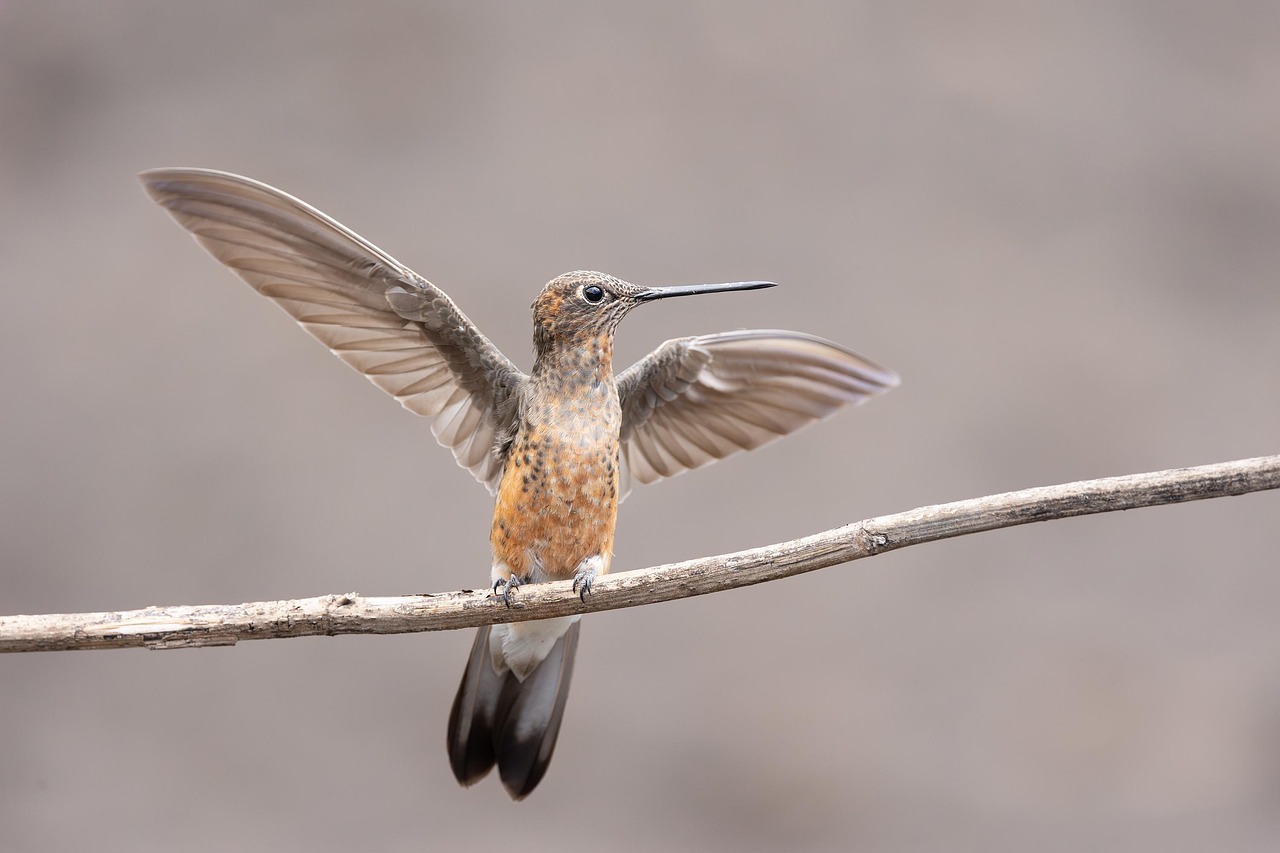
Selecting the Right Nectar-Rich Plants
Attracting hummingbirds requires more than just a feeder; it demands a landscape that mimics their natural habitat. To create a reliable food source, prioritize native, tubular-shaped flowers. These specific shapes are evolutionarily designed to accommodate a hummingbird’s long bill and tongue, while the high nectar content provides the intense energy these birds need to sustain their rapid metabolism.
For a continuous food supply, you must plan for a staggered bloom schedule. By integrating a mix of perennials and annuals, you ensure that nectar is available from early spring through late autumn. Consider these reliable favorites:
- Bee Balm (Monarda): A perennial powerhouse that thrives in sunny spots and attracts pollinators throughout mid-summer.
- Salvia: Available in both annual and perennial varieties, these spikes offer long-lasting blooms that hummingbirds find irresistible.
- Columbine (Aquilegia): An essential early-season bloomer that provides vital nectar when other plants are just beginning to wake up.
Success starts at the root level. Hummingbirds rely on healthy, nutrient-dense plants to produce the highest quality nectar. Before planting, ensure your soil is properly prepared to support these species. Use a high-quality, ergonomic hand trowel to dig precise holes that allow for proper root depth without damaging surrounding soil structure. If your garden bed has become compacted over the winter, use a sturdy cultivator to break up the surface, improve aeration, and allow moisture to reach the root zone efficiently.
When planting, avoid the temptation to overcrowd your beds. Proper spacing allows for better airflow, which reduces the risk of fungal diseases—a common issue for lush, nectar-rich plants like bee balm. Use your hand tools to incorporate organic compost into the soil during the planting process, which will boost the plant’s natural vigor and nectar production.
By focusing on native varieties and utilizing the right hand tools for soil preparation, you create a sustainable ecosystem. A well-tended garden not only looks beautiful but acts as a functional refueling station for hummingbirds. When these birds find a consistent, high-quality food source, they are far more likely to return to your yard year after year, turning your outdoor space into a vibrant sanctuary.
Setting Up and Maintaining Feeders
While native flowers provide essential nutrients, sugar water feeders are an excellent way to supplement a hummingbird’s diet and ensure they return to your garden consistently. To create a safe, nectar-like solution, mix one part white granulated sugar with four parts water. Boil the water first to dissolve the sugar completely, then allow it to cool entirely before filling your feeders. Never use honey, molasses, or artificial sweeteners, as these can cause fatal fungal infections or lack the necessary energy profile for these high-metabolism birds.
Hygiene is the most critical aspect of feeder maintenance. Because sugar water ferments quickly in warm outdoor temperatures, you must clean your feeders every three to four days. If you notice any signs of black mold or cloudy liquid, clean the unit immediately. Use a soft-bristled bottle brush to scrub the interior ports and the reservoir, ensuring you reach the crevices where bacteria hide. Avoid using harsh soaps or bleach, as even trace residues can be toxic to hummingbirds; hot water and a mild, fragrance-free vinegar solution are safer alternatives.
Proper installation is equally important to protect the birds and your equipment. When selecting a mounting location, prioritize stability and safety:
- Choose sturdy, rust-resistant hooks or shepherd’s crooks to support the weight of a full feeder during windy conditions.
- Mount the feeder in a semi-shaded area to prevent the sugar water from spoiling too rapidly in direct sunlight.
- Ensure the feeder is positioned at least five feet off the ground to keep it out of reach of neighborhood cats and other ground-based predators.
- Check that the feeder hangs level; if it tilts, the sugar water may drip and attract unwanted pests like ants or yellowjackets.
Regular maintenance of your garden infrastructure—such as trimming back overgrown shrubs near the feeder with sharp, clean hand pruners—also helps. Keeping the area tidy allows hummingbirds to approach the feeder with clear lines of sight, helping them feel secure from potential threats. By combining a consistent cleaning schedule with secure hardware, you create a reliable, healthy oasis that will keep hummingbirds visiting your yard throughout the entire season.

Creating a Hummingbird-Friendly Habitat
Attracting hummingbirds requires more than just nectar-rich flowers; you must create a comprehensive habitat that provides water, shelter, and safety. By thoughtfully managing your landscape, you can transform your backyard into a reliable sanctuary for these birds.
Hummingbirds are particularly drawn to moving water. Unlike many other species that prefer deep basins, hummingbirds favor shallow water sources. Installing a birdbath with a mister or a dripper attachment is highly effective, as the sound and movement of water attract their attention. Keep the basin clean and shallow to ensure they can bathe safely without risk of drowning.
Shelter is equally vital for nesting and protection from predators. Hummingbirds often seek out dense shrubs, small trees, and thickets to build their tiny, cup-shaped nests. Maintaining a variety of native plants creates the perfect structure for these nesting sites. When performing seasonal garden maintenance, consider these practical tips to keep your landscape bird-friendly:
- Check before you prune: Always inspect trees and shrubs for active nests before using hedge trimmers or manual pruning saws. If you find a nest, delay your maintenance until the fledglings have left.
- Maintain your equipment: Ensure your outdoor power equipment is in good working order. Sharp, clean blades on hedge trimmers make cleaner cuts, which promote healthier plant growth and faster recovery for your shrubs.
- Prioritize safety: When using powered tools, always wear appropriate personal protective equipment, including safety glasses and heavy-duty gloves. This protects you from flying debris and ensures you can focus on precise, careful shaping of the habitat.
- Avoid over-pruning: Hummingbirds prefer layered vegetation. Instead of shearing shrubs into formal, tight shapes, use hand tools to selectively prune branches. This preserves the natural, dense cover that birds need for protection from wind and weather.
By integrating these maintenance practices into your routine, you provide the necessary structure for hummingbirds to thrive. A well-tended garden that balances human aesthetics with natural requirements will encourage these birds to return season after season. Remember that the goal is to create a complex environment where they feel secure enough to feed, bathe, and raise their young throughout the warmer months.
Avoiding Harmful Garden Practices
Creating a sanctuary for hummingbirds requires more than just planting nectar-rich flowers; it demands a mindful approach to garden maintenance. Your choice of tools and chemicals directly impacts the safety of these delicate visitors. To keep your garden a healthy haven, you must prioritize chemical-free practices and careful equipment operation.
The most critical step is eliminating synthetic pesticides and herbicides. Hummingbirds rely on tiny insects and spiders for essential protein, especially during nesting season. When you spray chemicals to manage lawn pests or weeds, you inadvertently poison the hummingbird’s food supply. Furthermore, these toxins can accumulate on nesting materials, such as lichen and spider silk, potentially harming chicks. Instead, embrace integrated pest management by encouraging beneficial insects like ladybugs and lacewings, which naturally control garden pests without the need for toxic sprays.
When performing routine garden maintenance, your power equipment can pose significant risks. Hummingbirds are highly sensitive to noise and vibration, which can cause them to abandon active nests. To minimize stress and protect their habitat, follow these safety guidelines:
- Map your nests: Before starting any major landscaping project, walk your property to identify active nests in trees or shrubs.
- Create buffer zones: Keep lawn mowers, leaf blowers, and string trimmers at least 20 feet away from identified nesting sites.
- Choose manual tools: Whenever possible, use hand tools like pruners, rakes, and hoes. They are quieter, more precise, and eliminate the risk of accidental damage caused by heavy machinery.
- Schedule carefully: Avoid heavy garden maintenance during the peak nesting months in your region. If you must use power equipment, perform these tasks during the mid-day hours when adult birds are most likely to be foraging away from the nest.
By shifting toward organic lawn care and exercising caution with power tools, you transform your yard from a managed landscape into a true wildlife refuge. Simple, manual maintenance not only preserves the structural integrity of the nesting site but also ensures that the environment remains free of chemical contaminants. When you garden with the hummingbird’s biology in mind, you provide the security they need to thrive, nest, and return to your garden season after season.

Keep Reading
How to Build Your Own Small Greenhouse for Year-Round Gardening
How to Build Your Own Polytunnel: A Step-by-Step Guide for Home Gardeners
How to Build Your Own Mini Greenhouse: A Step-by-Step Guide
How to Build Your Own Lean to Greenhouse: A Step by Step Guide
How to Build Your Own Indoor Greenhouse for Year-Round Gardening
How to Build Your Own Hoop House for Extended Growing Seasons
How to Build Your Own Glass Greenhouse: A Practical Guide for Gardeners
How to Build Your Own Cold Frame for Extended Gardening Seasons
How to Build a Year Round Greenhouse for Consistent Growing
How to Build a Winter Greenhouse for Year-Round Gardening
How to Build a Window Greenhouse for Year-Round Gardening
How to Build a Small Greenhouse: A Practical DIY Guide
How to Build Sturdy Greenhouse Shelves for Maximum Growing Space
How to Build Sturdy Greenhouse Shelves for Maximum Space
How to Build Sturdy Greenhouse Shelves for Maximum Growing Space
How to Build a Shade Net House for Your Garden
How to Build a Greenhouse: A Practical Guide for Home Gardeners
How to Build a DIY PVC Hoop House for Your Garden
How to Build a Portable Greenhouse for Your Garden
How to Build a Polycarbonate Greenhouse: A Step-by-Step Guide
Common Questions and Long-Term Care
Attracting hummingbirds requires a commitment to both your garden’s ecosystem and the equipment you use to sustain it. Many gardeners wonder when to put out feeders; the best practice is to have them ready one to two weeks before the historical arrival date of hummingbirds in your specific region. This ensures that early migrants have a reliable food source immediately upon arrival.
Territorial behavior is common, as hummingbirds are naturally protective of food sources. To reduce aggression, hang multiple feeders out of sight of one another. By creating “visual barriers” with shrubs or garden structures, you allow multiple birds to feed simultaneously without constant skirmishes.
Long-term success depends on consistent maintenance of your outdoor space. A well-kept garden provides natural nesting materials and insects, which are vital for hummingbird protein intake. Here is how to keep your gear and environment in top shape:
- Feeder Hygiene: Clean feeders every three to five days with hot water and a bottle brush. Avoid harsh soaps, as residue can be toxic. If you notice black mold, replace the feeder immediately.
- Hand Tool Care: Keep your pruning shears and loppers sharp and clean. Dull blades can crush stems, leaving plants vulnerable to disease. Wipe blades with rubbing alcohol between plants to prevent the spread of pathogens.
- Power Equipment Safety: When using string trimmers or leaf blowers near nesting areas, always check for hidden nests first. Hummingbird nests are tiny and easily overlooked in dense foliage.
- Storage: Store your hand tools in a dry shed or garage to prevent rust. Properly maintained tools make garden upkeep faster, allowing you more time to observe your visitors.
If you encounter an injured bird, do not attempt to treat it yourself. Contact your regional wildlife rehabilitation center immediately for professional guidance. For questions regarding specific local species or native plant recommendations, your local agricultural extension office is an excellent, science-based resource.
By integrating these maintenance habits into your routine, you create a safe, reliable habitat. A disciplined approach to garden maintenance ensures that your yard remains a preferred destination for hummingbirds season after season. Consistent care is the most effective way to foster a thriving, healthy population in your own backyard.

Dedicated team of gardening enthusiasts with years of hands-on experience testing lawn mowers, gardening tools, and outdoor equipment. We help home gardeners and professionals alike make informed buying decisions with honest, thorough reviews. From push mowers to pruning shears, we test it all so you don’t have to. Got a gardening tool you’d like us to review? Get in touch!