
You should plant daffodil bulbs in the autumn, specifically between September and November, before the ground freezes. This timing is essential because bulbs need several weeks of cool soil temperatures to establish a strong root system before winter arrives. Proper timing ensures they have the energy required for a vibrant, healthy display come spring.
Daffodils are a staple of the spring garden, but successful growth depends on working with your local climate. If you live in a region with early, harsh winters, aim for the earlier side of that window. Conversely, warmer climates may allow for planting well into December. Realistic planning is the key to longevity.
This guide explains the ideal window for planting bulbs and how to ensure they thrive once the frost clears. We will explore essential tips for soil preparation, proper planting depth, and spacing requirements. By following these practical steps, you can create a reliable, recurring floral display that brightens your landscape year after year.

The Ideal Time to Plant Daffodil Bulbs
The secret to a spectacular spring display lies in timing your planting correctly. For the vast majority of gardeners, the ideal window to plant daffodil bulbs is during the autumn, specifically between September and November. Getting your bulbs into the ground during this period is essential for their long-term health and flowering success.
Daffodils require a significant “chilling period” to break their dormancy and trigger the development of flowers. By planting in autumn, you allow the bulbs to experience the gradual cooling of the soil, which mimics their natural environmental cycle. If you plant too late—after the ground has begun to freeze—the bulbs will struggle to establish roots, often resulting in poor growth or failure to bloom the following spring.
To ensure your bulbs settle in well before winter arrives, follow these practical guidelines:
- Aim for six weeks before the first hard frost: This timeframe provides the bulb with enough warmth to grow a robust root system without encouraging premature top growth.
- Check your local climate: If you live in a region with very early, harsh winters, aim for the earlier side of the window (September). In milder climates, you can safely wait until October or November.
- Monitor soil temperature: Ideally, the soil should be cool, roughly 60°F (15°C) or lower, to discourage fungal issues and encourage healthy root initiation.
Once planted, the bulbs will spend the winter months underground quietly developing their roots. This subterranean work is invisible but vital; a strong root system acts as the foundation that supports the energy needed for those vibrant yellow, white, or orange blooms when the temperatures finally rise. If you miss the autumn window and find yourself with leftover bulbs in mid-winter, avoid leaving them in a warm room. Plant them as soon as the soil is workable, even if it is late in the season, as they still have a chance to bloom, albeit perhaps a bit later than established clusters.
Selecting the Right Planting Site
Choosing the ideal location is the most important step to ensure your daffodils bloom reliably year after year. These hardy perennials are relatively low-maintenance, but they have specific requirements regarding light and soil drainage to thrive.
For the best results, select a planting site that receives full sun to partial shade. Daffodils need plenty of sunlight to recharge their bulbs for the following season. While they can tolerate light shade, particularly in warmer climates, planting them in deep shade will result in weak, leggy growth and few, if any, flowers.
Soil drainage is equally critical. Daffodils are highly susceptible to bulb rot if left in standing water. Before you begin planting, assess your soil quality:
- Avoid low-lying areas: Do not plant in spots where rainwater pools after a storm.
- Improve heavy clay: If your soil is dense or clay-heavy, mix in organic matter like compost or aged bark to improve drainage and aeration.
- Test for drainage: If you are unsure, dig a small hole and fill it with water. If it takes more than a few hours to drain completely, consider choosing a different location or building a raised bed.
Once you have identified the perfect spot, prepare the area thoroughly. Clear away all weeds, grass, and debris within a two-foot radius of your intended planting zone. Removing competing vegetation ensures that your bulbs do not have to fight for essential nutrients and moisture during their critical growth phase.
Finally, consider the long-term landscape. Since daffodils often go dormant in the late spring and early summer, choose a site where their fading foliage will be naturally masked by emerging perennials or ornamental grasses. By selecting a site that balances sunlight, drainage, and space, you create the foundation for a vibrant, long-lasting display that will return faithfully every spring.

Tools and Safety Guidelines
Planting daffodil bulbs is a rewarding autumn task, but having the right equipment makes the process efficient and safe. Before you begin, gather a sturdy garden trowel or a dedicated bulb planter. A bulb planter is particularly useful for achieving the consistent depth required for healthy daffodil growth, as it removes a precise cylinder of soil.
Protecting your hands is essential during any gardening project. Always wear durable, well-fitting gardening gloves. These provide a necessary barrier against blisters caused by repetitive digging and protect your skin from soil-borne irritants or sharp debris hidden beneath the surface.
If you are planning a large-scale display and decide to use a power auger, prioritize your safety with these precautions:
- Wear safety goggles to shield your eyes from flying soil, rocks, and organic debris.
- Check for underground utility lines before you start digging; call your local utility locator service to ensure you are not drilling into water, gas, or electrical conduits.
- Maintain a firm grip on the tool and stay aware of your footing, especially on damp or uneven ground.
General tool safety is just as important as specialized equipment handling. Always keep the sharp edges of your trowels, shovels, and spades pointed away from your body while working. This simple habit prevents accidental slips that could lead to injury.
Finally, keep your workspace organized. Do not leave sharp tools lying in the grass where they could be stepped on or hidden by mulch. When you finish your planting session, clean your tools to prevent rust and store them securely in a shed or garage, well out of the reach of children and pets. By keeping your gear well-maintained and following these basic safety protocols, you ensure that your gardening experience remains productive and injury-free from the first bulb to the last.
Correct Planting Depth and Spacing
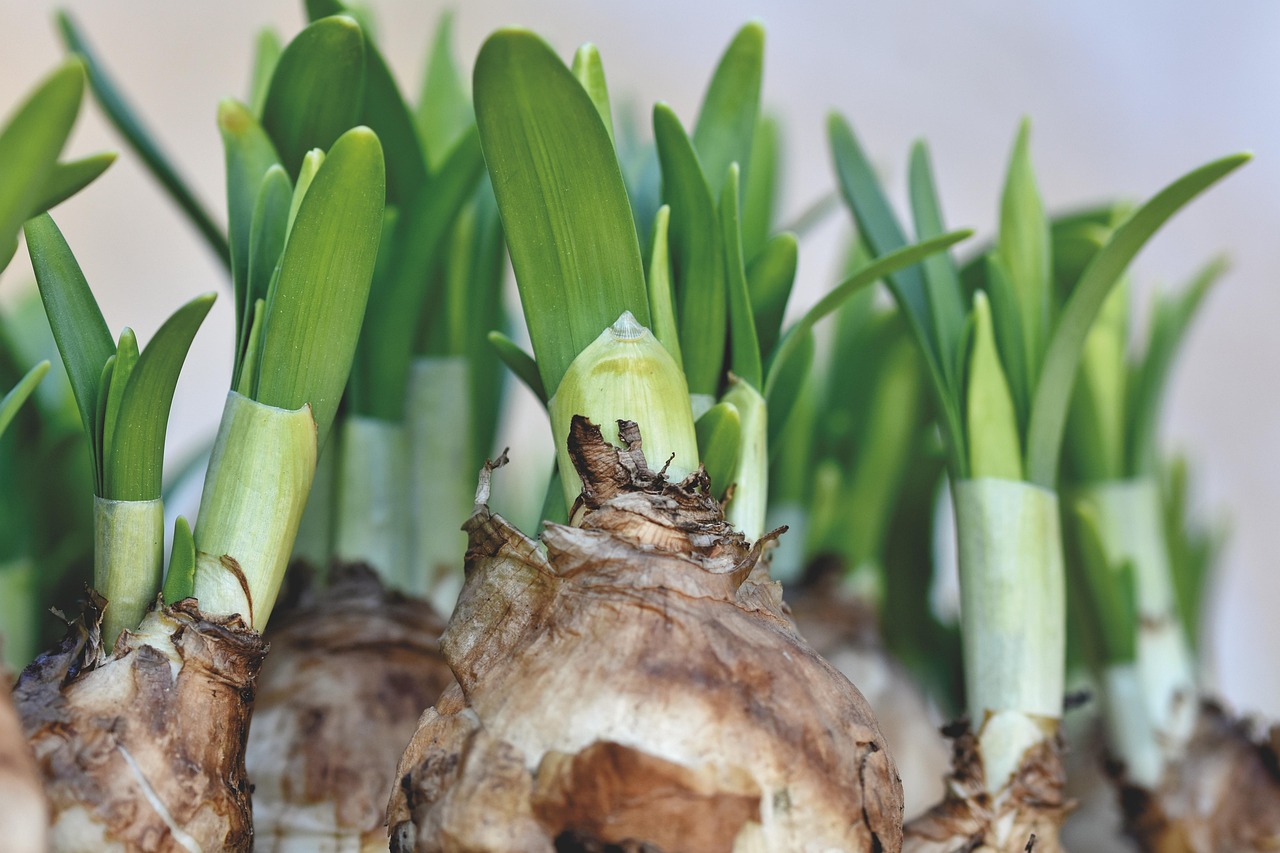
Achieving the perfect planting depth is the most critical step for ensuring your daffodils survive the winter and bloom vigorously come spring. As a general rule of thumb, plant your bulbs at a depth equal to three times their height. For an average-sized daffodil bulb, this usually translates to burying them about 6 to 8 inches deep. Planting too shallow can expose the bulbs to freezing temperatures or cause them to topple over when they bloom, while planting too deep may delay their emergence.
When placing the bulbs in your prepared holes, always ensure the pointed end is facing upward. This is the growth point where the stem will emerge. If you accidentally plant a bulb sideways, the plant will usually correct itself, but it will expend unnecessary energy to do so, potentially resulting in a weaker bloom.
Proper spacing is equally important for the health of your garden. Follow these guidelines to ensure your daffodils have enough room to thrive:
- Individual Spacing: Place bulbs 3 to 6 inches apart. This distance allows each bulb sufficient access to soil nutrients while still creating a lush, full appearance.
- Natural Clumping: If you prefer a naturalized look, space them closer together. Over time, daffodils will multiply and form dense clumps, which can be divided every few years to maintain vigor.
- Group Planting: For the most visual impact, plant in groups of five or more rather than in straight, single lines.
Once you have positioned your bulbs, backfill the hole with soil. Use your hands or a light garden rake to firm the soil down gently. This step is essential to remove large air pockets that could cause the bulb to dry out or rot. Avoid packing the soil too tightly, as this can impede root development. Finally, provide a light watering to settle the bulbs into their new home, ensuring they are ready for their period of winter dormancy.
Post-Planting Care and Common Questions
Once your daffodil bulbs are nestled in the ground, the initial care is straightforward. Immediately after planting, water the area thoroughly. This simple step settles the soil around the bulbs, eliminates large air pockets, and encourages early root development before the ground freezes.
Daffodils are remarkably resilient, but a little extra attention helps them thrive year after year. Applying a two-inch layer of organic mulch, such as shredded bark or pine needles, is highly recommended. This protective blanket regulates soil temperature, prevents frost heaving, and suppresses weeds that might otherwise compete with your spring blooms.
As you transition into the growing season, keep these practical maintenance tips in mind:
- Avoid over-watering: Once established, daffodils prefer well-drained soil. Soggy conditions during their dormant phase can lead to bulb rot.
- Let foliage die back naturally: After flowering, do not cut back the green leaves until they turn yellow and wither. The plant needs this foliage to photosynthesize and store energy for next year’s flowers.
- Divide when crowded: If you notice fewer blooms over time, your bulbs may be overcrowded. Wait until the foliage has faded in late spring, dig up the clumps, and gently separate the bulbs before replanting them with more space.
If you find yourself struggling with inconsistent growth or are unsure about your specific microclimate, do not hesitate to reach out for professional guidance. Your local agricultural extension office is an excellent resource for region-specific advice regarding local frost dates, soil pH levels, and common regional pests.
Remember that gardening is a learning process. By providing the right foundation in the fall, you ensure that your garden will reward you with a reliable, cheerful display of color every spring. With minimal intervention, your daffodil patch will continue to multiply and provide beauty for many years to come.

Dedicated team of gardening enthusiasts with years of hands-on experience testing lawn mowers, gardening tools, and outdoor equipment. We help home gardeners and professionals alike make informed buying decisions with honest, thorough reviews. From push mowers to pruning shears, we test it all so you don’t have to. Got a gardening tool you’d like us to review? Get in touch!