
Pruning and cutting tools before winter require careful evaluation of new tradeoffs shaping 2026 choices, as late-season maintenance demands a practical balance between performance, ongoing upkeep, and actual seasonal utility. As the gardening season winds down, October highlights a critical shift toward final structural pruning, frost protection, and moving select plants while cooler conditions help reduce heat stress.
Amid heavy marketing pushes for expensive new gear and specialized upgrades, a modest toolkit—featuring reliable pruners for damaged growth, a sharp spade, and protective gloves—often proves more than sufficient for final outdoor jobs. Because successful fall transplanting and winter prep rely far more on proper root-ball size, replanting depth, hydration, and careful aftercare than on owning numerous high-end devices, shoppers must weigh total cost against realistic necessity before investing in gear that may sit idle through the colder months.

Why Pre-Winter Pruning and Tool Choices Matter Now
Fall garden maintenance schedules heavily emphasize trimming damaged growth, clearing spent stems, and preparing yards for winter dormancy. According to mid-autumn reporting, cooler autumn temperatures reduce plant heat stress, which makes this window ideal for final structural cuts and transplanting established perennials or shrubs. However, tackling these late-season chores quickly exposes the limitations of poorly maintained, dull, or mismatched cutting tools.
When temperatures drop, plant tissues become harder and more fibrous as woody species transition toward winter dormancy. A blade that sliced easily through soft summer growth may now bind, crush, or tear stems, creating jagged wounds that invite frost damage and fungal pathogens. Current October job lists stress that clean cuts are vital before winter sets in, raising the stakes for proper tool selection and maintenance.
Gardeners evaluating their setups right now face distinct tradeoffs:
- Bypass vs. Anvil Pruners: Bypass blades deliver clean, scissor-like cuts necessary for living stems, while anvil designs crush plant material and risk damaging vulnerable pre-winter tissue.
- Manual vs. Power-Assisted Tools: While heavy-duty electric or ratchet pruners are widely marketed as high-end upgrades, they add significant weight and cost. They are often unnecessary for routine deadheading and light shaping unless the user faces severe hand fatigue or massive brush clearing.
- Upfront Investment vs. Upkeep: A moderately priced, high-carbon steel pruner that is regularly sharpened and oiled consistently outperforms an expensive premium tool left neglected in a damp shed.
General extension guidance highlights that root-ball size, proper replanting depth, and post-cut hydration matter far more to a plant’s survival than owning a vast array of specialized cutting gadgets. Over-investing in trendy, multi-feature pruning systems often distracts from the core priority: keeping basic blades sharp, clean, and rust-free.
Uncertainty remains regarding how specific regional frost dates will shift local cutting timelines, making it wise to monitor short-term weather patterns alongside traditional calendar guides. By prioritizing maintenance over unnecessary upgrades, gardeners can manage total costs while protecting their landscapes against winter stress.
The Essential Toolkit Versus Specialized Upgrades
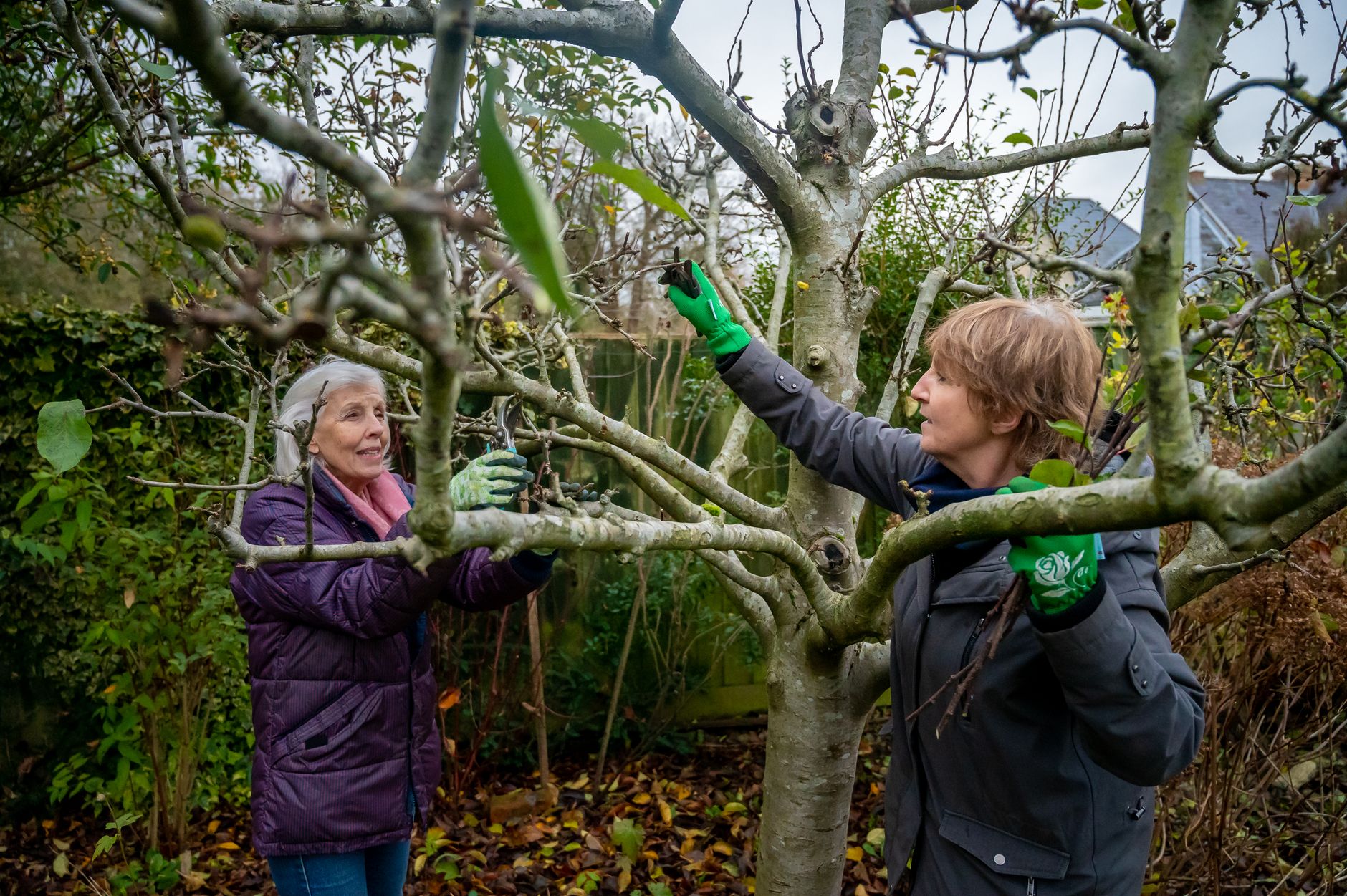
Autumn checklists consistently confirm that a modest, well-chosen toolkit handles the vast majority of pre-winter gardening jobs. Rather than relying on heavy-duty or motorized cutting upgrades, successful late-season maintenance relies on a few fundamental implements: a sharp spade, a reliable garden fork, durable gloves, and standard hand pruners for clearing damaged growth. Current seasonal reporting notes that these basic items are entirely sufficient for final landscape adjustments, frost preparation, and end-of-year cutbacks.
When evaluating gear choices, it helps to separate marketing trends from actual horticultural requirements. Many manufacturers heavily promote specialized saws, ratcheting loppers, and electronic cutting tools as essential winter-prep gear. However, extension guidance and current horticultural notes emphasize that success depends far more on correct execution than on hardware complexity. Proper root-ball management, accurate replanting depth, and adequate hydration dictate whether a plant survives winter—not whether its cuts were made with a standard blade or a high-end power tool.
Furthermore, popular upgrades can sometimes introduce unintended risks. Heavy motorized pruners or oversized saws often encourage overly aggressive cutting late in the season, which can compromise a plant’s structure just as it enters dormancy. Similarly, purchasing costly specialty tools rarely compensates for fundamental errors in timing or placement. If ground conditions are frozen or waterlogged, even the most expensive cutting tool cannot prevent transplant shock or root damage.
Focusing your budget on maintenance essentials yields a better return. Keeping your existing pruners sharp and clean prevents ragged stems that invite disease during damp autumn weather. Investing in a sturdy tarp or transport tub makes moving perennials and shrubs much easier without requiring mechanized lifting aids. Ultimately, mastering the mechanical basics—clean blades, sharp edges, and proper ergonomic handling—delivers superior results for a fraction of the total cost.

Evaluating Total Cost and Maintenance Tradeoffs
As late-season workloads peak and autumn maintenance accelerates, hardware aisles increasingly push premium battery-powered shears and specialized heavy-duty loppers. While these motorized upgrades promise effortless cutting, they introduce significant long-term financial and operational baggage that every gardener must weigh before buying.
High-end cordless cutting tools carry steep initial price tags, but the real financial exposure lies in total cost of ownership. Lithium-ion batteries degrade over time, losing capacity after a few seasons of cold-weather exposure or improper winter storage. Replacing a proprietary battery pack or servicing an electronic actuator can easily cost as much as buying an entirely new manual tool. Furthermore, complex gearboxes and motorized blade alignment mechanisms demand careful professional servicing or tedious troubleshooting when electronic faults inevitably occur in damp field conditions.
By contrast, traditional manual bypass pruners present a starkly different economic and practical reality. A high-quality manual pruner requires minimal financial investment upfront and features virtually zero ongoing maintenance overhead beyond occasional cleaning, oiling, and basic sharpening. When a manual blade dulls mid-job against stubborn woody stems, a gardener can quickly restore the edge in the field with a pocket sharpening stone.
When evaluating these options against your actual seasonal workflow, consider the following practical distinctions:
- Upfront Investment: Manual bypass pruners cost a fraction of motorized alternatives, leaving more room in your budget for soil amendments, frost protection, and plant care.
- Field Reliability: Manual tools have fewer moving parts to fail when exposed to moisture, frozen sap, or gritty garden soil during final pre-winter cleanups.
- Maintenance Simplicity: Basic hand tools can be maintained at a kitchen table using standard household cleaners and a file, avoiding specialized repair shops.
- Physical Feedback: Manual cutting preserves direct tactile feedback, allowing you to instantly feel resistance and avoid twisting blades against wood that exceeds their cutting capacity.
Current seasonal reporting indicates that successful autumn gardening relies far more on proper technique, correct replanting depth, and post-transplant hydration than on owning an elaborate array of automated equipment. For many backyard growers, skipping expensive electronic upgrades in favor of a reliable, well-maintained manual pruner delivers superior long-term value, lower maintenance stress, and dependable performance when tackling final pre-winter chores.
When a Popular Upgrade Is the Wrong Choice
Heavier mechanical assists and high-capacity ratcheting pruners are frequently marketed as universal solutions for seasonal yard cleanups, yet adopting these popular upgrades is often the wrong choice for pre-winter tasks. While heavy-duty gear promises effortless cutting through thick stems, these bulky tools routinely induce rapid hand fatigue and sacrifice the fine motor control required for delicate perennial cutbacks, dense root-ball trimming, or tight structural cleanup.
According to current October gardening job lists and seasonal transplanting guidance, autumn maintenance prioritizes precision over raw power. When dividing perennials, moving shrubs while cooler conditions reduce heat stress, or clearing damaged growth before frost protection measures take effect, maneuverability and clean cuts are paramount. Oversized mechanisms can crush delicate stems rather than slicing cleanly, introducing jagged wounds that invite winter rot and disease.
Assessing your specific yard layout, plant inventory, and physical comfort prevents spending money on advanced features you do not need. Consider these practical trade-offs before buying:
- Ratcheting mechanisms: While helpful for occasional thick branches, they require multiple compression strokes per cut, slowing down repetitive perennial maintenance.
- Heavy-duty geared loppers: Added weight strains wrists during extended cutting sessions, whereas standard bypass pruners often handle ninety percent of pre-winter tasks with greater accuracy.
- Specialized multi-blade systems: Premium multi-function tools frequently introduce mechanical complexity and maintenance hurdles that simpler, high-grade steel blades avoid.
Reports published in mid-October emphasize that a modest, reliable toolkit—such as a sharp spade, standard hand pruners, and a sturdy fork—typically outperforms expensive specialty gear. Industry guidance notes that root-ball size, proper hydration, replanting depth, and diligent aftercare matter far more to a plant’s winter survival than owning high-end mechanical upgrades.
Ultimately, matching your equipment to the actual scale of your yard reduces unnecessary expense and physical strain. If your landscape consists primarily of herbaceous perennials and moderate shrub cleanup, standard manual tools offer superior tactile feedback and control compared to heavy, motorized, or complex mechanical alternatives.
Safety and Plant Health Risks in Cold Weather
As freezing temperatures approach, the physical condition of your cutting edges matters far more than having the newest gear. Using dull blades or oversized pruners on woody stems creates mechanical stress that crushes rather than slices plant tissue. According to current seasonal reporting, ragged wounds and torn bark heal slowly, leaving perennial growth vulnerable to moisture retention, frost damage, and opportunistic fungal pathogens all winter long.
Clean, precise cuts are essential for rapid callus formation before the soil freezes solid or turns waterlogged. When a blade lacks sharpness, it forces users to apply extra physical pressure, increasing the likelihood of slipping and causing accidental lacerations to the operator or nearby stems. Maintaining a safe workspace requires sharp, well-maintained tools that match the specific diameter of the material being cut.
Key Risks of Poor Tool Maintenance
- Crushed Vascular Tissue: Dull blades pinch stems, disrupting nutrient transport right when plants need to store energy for winter dormancy.
- Jagged Wounds: Rough cuts hold standing moisture, creating an ideal entry point for cold-weather fungal spores and rot.
- Increased Operator Fatigue: Forcing an underpowered or ill-matched tool through thick stems heightens the risk of slips, hand strain, and cuts.
General arboriculture guidance emphasizes that late-season pruning should be strictly limited to removing damaged, diseased, or dead growth. Heavy structural pruning right before winter can stimulate tender new shoots that will not survive a hard freeze. Whenever you make a cut, the blade should pass cleanly through the wood without twisting or splintering the bark.
Before putting your kit away for the season, inspect every hinge, pivot, and cutting edge. Disinfecting blades between cuts is an industry standard practice that prevents the accidental spread of plant pathogens across different beds. While premium upgrades or specialized ratchet pruners are widely marketed, proper cleaning and sharpening deliver the plant health benefits required to get through winter successfully.
Making Practical Decisions for Your Property
When evaluating cutting and pruning equipment for final pre-winter maintenance, prioritize practical engineering over brand prestige or heavy marketing hype. Editorial guidance and current October reporting emphasize that garden health depends far more on correct technique, proper tool maintenance, and a modest foundational kit than on acquiring expensive, specialty upgrades.
Focus purchasing decisions on three core criteria:
- Durability: Select forged steel blades and robust locking mechanisms that withstand heavy seasonal use and resist corrosion during winter storage.
- Ergonomic fit: Choose handles that match your grip strength to prevent hand fatigue during extended clearing and cutting sessions.
- Ease of sharpening: Prioritize blades that can be easily accessed, disassembled, and resharpened with standard field files or stones.
Opting for high-end, feature-heavy models often introduces unnecessary mechanical complexity. Tools with complex gear ratios or proprietary adjustment mechanisms can trap debris, complicate field repairs, and fail prematurely when exposed to moisture and sap. A simple bypass pruner that is kept rigorously clean and sharp will consistently outperform a neglected premium tool.
Furthermore, committing time to basic maintenance on equipment you already own yields immediate dividends. According to seasonal property management guidelines, routine cleaning, blade sharpening, and light oiling prevent rust and ensure clean cuts that minimize plant injury before frost sets in. While exact maintenance intervals vary by usage frequency, dedicating a few minutes to wipe down blades after each pre-winter task extends tool lifespan significantly.
Avoid buying into temporary seasonal trends or buying specialized cutting implements for single-use tasks. A reliable pair of bypass pruners, a sturdy pruning saw for woody stems, and a sharp spade handle most autumn jobs efficiently. Channeling your budget toward proper care, winter storage supplies, and fundamental upkeep ensures safer operation and better long-term value across your property.
Pre-Winter Storage, Rust Prevention, and Off-Season Tool Care
The tradeoffs of pre-winter gardening tools extend far beyond the final cut of the season. Once pruning and transplanting jobs wind down, how you store and treat your cutting instruments determines whether they will perform reliably next spring or require costly replacement. Many gardeners invest heavily in premium blades or automated trimming devices only to neglect proper end-of-season maintenance, leaving metal exposed to cold garage moisture and residual plant sap.
Plant sap is acidic and corrosive. If left on bypass pruners, loppers, or shears over the winter months, it pits the steel, dulls the cutting edge, and degrades pivot bolts. Before putting any tool away for the season, wash all blades thoroughly with warm soapy water and a stiff brush to remove dirt, resin, and organic debris. Dry the metal completely with a clean cloth. To protect against rust in unheated sheds or damp basements, apply a light coat of machine oil, mineral oil, or a specialized pruning tool lubricant to all metal surfaces, including springs and locking mechanisms.
Sharpening should also be part of your pre-winter routine rather than a frantic spring chore. A clean, sharp bypass blade makes smooth cuts that seal quickly, minimizing the entry points for frost and fungal spores during freeze-thaw cycles. If a blade has deep nicks or structural warping, evaluate whether it is worth professional sharpening or replacing before investing in a brand-new upgrade. Proper tension adjustment is equally important; check that the pivot bolt is snug so the blades shear past one another cleanly without binding or leaving ragged edges.
Finally, consider your storage environment. Hanging tools vertically on wall racks keeps them off damp concrete floors and prevents accidental impacts that can misalign precision cutting edges. Wooden handles benefit from a light application of boiled linseed oil to prevent drying, cracking, and splintering during harsh winter freezes. By spending an hour on thorough end-of-season maintenance, you protect your initial investment, ensure safe operation, and guarantee that your cutting tools are ready to perform the moment spring arrives.
Frequently Asked Questions
What are the most essential pruning and cutting tools needed before winter?
The essential toolkit for late-season jobs is refreshingly modest, focusing on function rather than an excess of specialized gear. You primarily need a reliable pair of manual pruners for clearing damaged, diseased, or dead growth before winter sets in. A sharp spade and garden fork are also vital if you are relocating perennials or managing fall planting tasks. Alongside these cutting and digging implements, keep a tarp or tub for efficient transport of garden debris, durable gloves, and proper watering tools for post-transplant hydration. Success depends far more on correct technique, proper root-ball management, and precise replanting depth than on owning an extensive collection of high-end cutting machinery.
Why might a popular motorized pruning tool be the wrong choice for my garden?
While motorized pruners and electric loppers are heavily marketed upgrade trends, they are often the wrong choice for delicate late-season garden maintenance. Powered options can lack the subtle tactile feedback required when cutting fragile stems or navigating crowded perennial beds, increasing the risk of accidental damage to healthy growth. Furthermore, motorized tools introduce mechanical complexity, weight, and battery performance concerns in dropping autumn temperatures. Heavy machinery is completely unnecessary for routine fall cleanup, where precision hand snips and standard bypass pruners offer superior control, cleaner cuts, and lower maintenance costs without the risk of over-cutting.
How does fall weather impact tool maintenance and cutting performance?
Fall weather introduces moisture, morning dew, and damp debris that rapidly accelerate rust and corrosion on unprotected steel cutting blades. Lower seasonal temperatures can also cause metal parts to contract, while sticky plant resins and decaying organic matter cling more readily to damp blades during late-season cleanup. If cutting tools are left uncleaned in chilly, humid conditions, their pivots can stiffen and edges can dull prematurely. To maintain peak cutting performance through the final garden tasks of the year, wipe down all blades after every use, apply a light coat of protective oil, and store your equipment in a dry indoor space away from ground moisture.
Is it better to invest in expensive specialized cutting tools or manual pruners?
Investing in a high-quality pair of manual bypass pruners is almost always a wiser choice than spending money on expensive, specialized cutting tools. Most specialized gadgets see only occasional use, whereas manual pruners handle the vast majority of vital fall jobs, including removing damaged stems, trimming perennials, and managing light woody growth. Rather than paying for complex mechanical features or brand-name markups, allocate your budget toward durable forged steel construction, ergonomic grips, and a mechanism that allows for easy blade replacement and sharpening. Proper technique, correct cut placement, and regular blade maintenance matter significantly more to plant health than premium specialized gear.
What risks do dull blades pose to plants during late-season pruning?
Using dull blades during late-season pruning creates ragged, torn cuts instead of clean slices, leaving plant tissues severely crushed and bruised. This physical damage compromises the natural plant defenses just as cooler weather arrives, creating jagged entry points that invite fungal spores, pests, and winter diseases. Furthermore, slow-healing wounds waste valuable plant energy at a time when resources should be focused on root establishment and cold hardiness. Because healing processes slow down significantly in autumn, clean cuts made with sharp pruners are essential to minimize stress, prevent bark stripping, and ensure your plants survive the winter season successfully.
Sources and updates
Details can change after the October 24, 2026 research cutoff. Check the linked sources and current local guidance before acting.
- Gardening Know How: plants to move in fall (2026-10-22)
- Woman & Home: essential October gardening jobs (2026-10-20)
- University of Minnesota Extension: transplanting established plants (current guidance)
