
As late-October 2026 brings cooler temperatures and shifting property maintenance demands, lawn mower and tractor buyers and owners are recalibrating their priorities. Rather than focusing on peak-season cutting speed, current decision-making centers on end-of-year cleanups, equipment winterization, and handling heavy late-season property management tasks.
With seasonal gardening coverage highlighting the practical realities of fall landscape changes—such as transplanting established shrubs while cooler conditions reduce heat stress, executing final property cleanups, and managing frost protection—equipment demands are pivoting. Owners are evaluating mowers and tractors less for aggressive summer turf reduction and more for their utility in yard reconfiguration, hauling soil and tools for late planting, clearing damp autumn debris, and preparing machinery for safe winter storage before the ground freezes or becomes waterlogged.
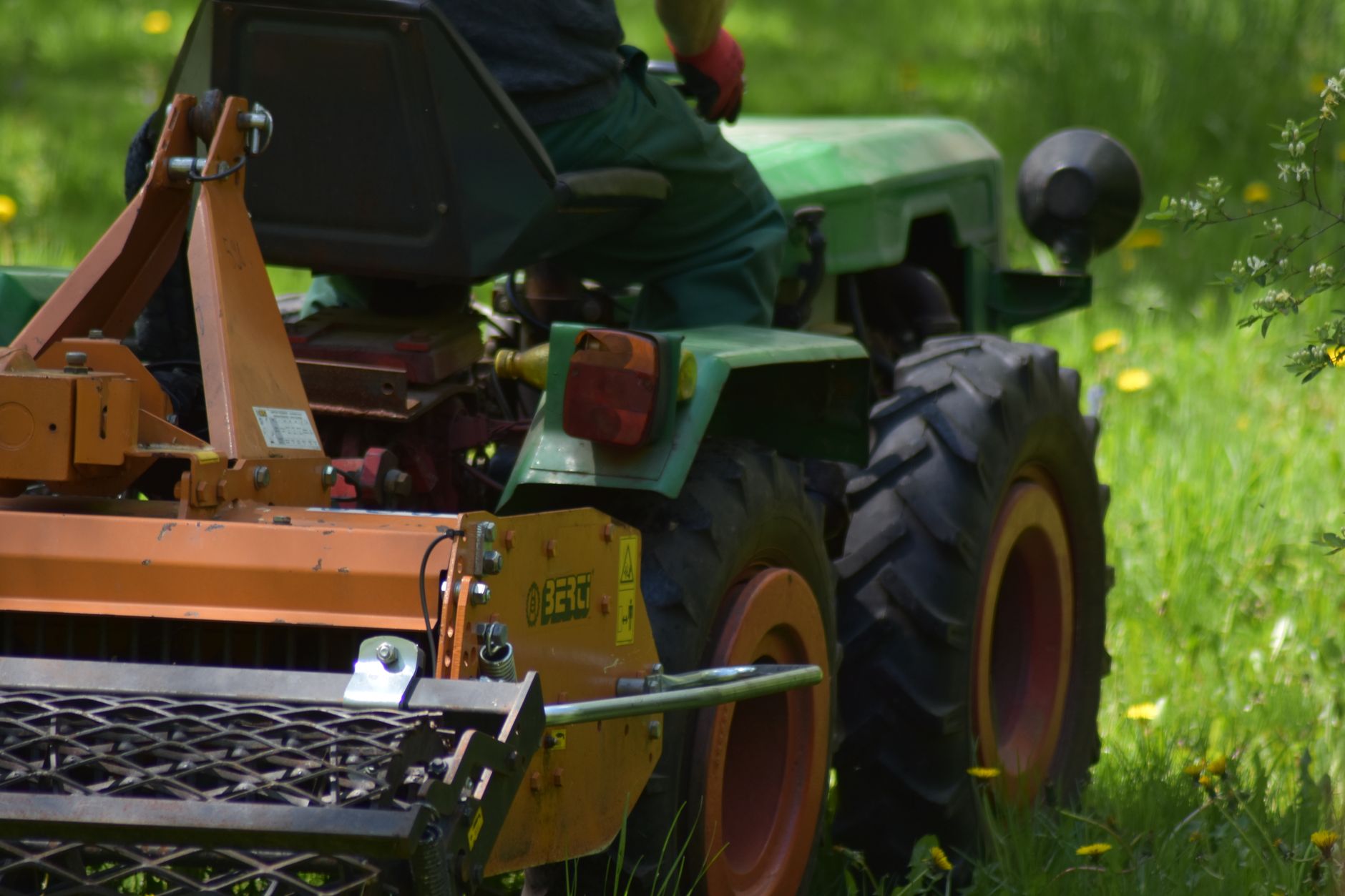
Shifting Priorities from Cutting to Seasonal Cleanup
As active mowing slows down across most regions, buyer interest and owner priorities shift away from routine grass maintenance toward heavy autumn cleanup. October reporting highlights a seasonal transition where the primary yard work focuses on final clearing, soil preparation, and protecting landscapes rather than standard turf cutting. For owners evaluating lawn mowers and tractors during this period, machine capability must pivot to handle dense debris.
Instead of seeking high-speed grass trimming, late-season buyers closely examine how well a mower or tractor can process thick autumn foliage. Mulching performance becomes a critical decision criterion. Equipment with robust decks and specialized high-lift blades is currently favored because it can chop fallen leaves into fine particles that decompose naturally into the turf, rather than leaving wet, smothering mats that damage the grass underneath.
Versatility and attachment compatibility also dominate late-October evaluations. Owners looking to streamline post-harvest chores prioritize tractors and riding mowers that accommodate robust add-ons:
- Tow-behind leaf sweepers for gathering extensive volume without clogging decks
- Integrated bagging and collection systems for property-wide clearing
- Heavy-duty transport carts to assist with moving tender plants, mulch, and seasonal supplies
Current gardening guidance notes that late-October tasks often require balancing turf cleanup with delicate plant relocation and frost protection, meaning equipment must operate efficiently without compacting damp soils. While formal long-term durability metrics for late-2026 releases remain limited, current buyer demand clearly favors multi-season utility. Owners want machinery that transitions smoothly from summer grass maintenance to heavy autumn debris management, ensuring tractors and mowers remain productive right up until the ground freezes.

Aligning Equipment with Late-Fall Transplanting Work
Gardening coverage published in late October 2026 highlights that autumn is a particularly useful time to move established trees, shrubs, and perennials because cooler conditions significantly reduce heat stress on the root system. While hand tools like sharp spades, digging forks, and pruners handle the actual soil excavation and root pruning, property owners handling larger landscape modifications must shift their focus to machinery logistics.
When yards become damp or enter the early stages of dormancy, maneuvering heavy loads across the property creates unique turf management challenges. Rather than relying solely on manual transport, property owners increasingly utilize riding mowers and compact tractors to haul bulky root balls, heavy bags of soil amendments, and large transport tarps across the yard.
Operating heavy equipment on cooling turf requires careful pacing to avoid creating deep ruts or tearing the grass just as it prepares for winter dormancy. Owners prioritizing efficient yard transport typically look for specific machinery capabilities during this late-season window:
- Utility trailers or hauling carts hitched to riding mowers for moving heavy soil and mulch.
- Pneumatic turf tires designed to distribute weight evenly and prevent compaction on damp October soils.
- Adequate towing capacity on compact tractors to safely transport oversized root balls without straining the transmission.
- Rear-mounted utility boxes or cargo platforms for carrying essential hand tools, gloves, and watering supplies.
According to current horticultural reporting, success during this period depends heavily on careful handling, appropriate root-ball sizing, and proper replanting depth rather than the sheer volume of specialized equipment. However, when relocating multiple large specimens across an extensive property, the ability of a riding mower or compact tractor to traverse the landscape efficiently prevents physical exhaustion.
Operators should remain mindful of ground conditions before driving heavy machinery across the yard. Current extension guidance notes that moving plants or heavy equipment over waterlogged or frozen ground can permanently damage soil structure and turf health. If the soil is too wet, waiting for a drier afternoon protects the lawn while still allowing gardeners to complete necessary late-season layout changes before winter sets in completely.

Protecting Turf Integrity on Waterlogged October Soils
Late-October weather frequently delivers heavy rainfall and early frost, transforming turf into soft, saturated ground. Operating heavy lawn mowers and utility tractors under these slick, moisture-laden conditions introduces immediate risks of severe rutting, topsoil displacement, and deep root compaction. Once heavy machinery tears through a waterlogged lawn, the resulting damage can persist well into the following spring, leaving permanent scars on an otherwise healthy turf.
Because current October job lists emphasize final seasonal property care rather than aggressive turf manipulation, property owners are shifting their operational priorities. Instead of focusing solely on raw engine power or cutting speed, buyers and long-term owners are closely evaluating practical mechanical characteristics that safeguard fragile soils:
- Tire tread design: Choosing turf-friendly tread patterns that distribute machine weight evenly rather than aggressive agricultural lugs that slice into wet mud.
- Machine weight distribution: Assessing whether a heavy zero-turn rider or compact tractor can be swapped for a lighter walk-behind mower on vulnerable, low-lying sections of the yard.
- Strategic parking decisions: Knowing precisely when to park heavy equipment altogether, acknowledging that idle time protects turf integrity far better than attempting to squeeze in one final mow on soggy terrain.
According to standard horticultural and extension guidelines, preventing compaction is critical before the ground freezes solid for the winter. Heavy traffic on saturated soil forces out essential air pockets, suffocating grass roots and hindering drainage long after the moisture recedes. While specific soil types and local drainage rates dictate exactly how long a yard remains vulnerable, general agronomic advice uniformly cautions against heavy equipment use when the earth is thoroughly waterlogged.
Ultimately, late-October property management requires a change in mindset. Owners prioritizing long-term lawn health recognize that letting the grass stand slightly taller through the final weeks of autumn is preferable to risking permanent ruts. By respecting soil limits and keeping heavy tractors off soft earth, owners ensure their turf survives the wet fall intact and primed for a healthier start next year.
Winterization and Post-Season Maintenance Prep
With freezing temperatures approaching across many regions, late-October buyers and current owners shift their focus firmly toward winterization and post-season maintenance accessibility. Evaluating a lawn mower or garden tractor at this stage of the year involves looking beyond pure cutting performance to examine how easily routine winter prep can be executed before storage. Machines that simplify fuel system stabilization, battery removal, and under-deck clearing save considerable effort when the ground hardens.
Current reporting on seasonal equipment upkeep highlights a practical shift: buyers are prioritizing serviceability over complex digital features. Selecting a mower or tractor with straightforward, tool-accessible service points ensures reliable performance when spring arrives. According to seasonal maintenance guides and ongoing owner feedback, assessing specific mechanical layouts now prevents frustrating delays once cold weather sets in.
When reviewing machine serviceability in late October, focus on these critical areas:
- Fuel management: Look for accessible fuel shut-off valves and easy-to-drain carburetor bowls or tanks that simplify stabilizer additions.
- Battery accessibility: Check whether terminals can be disconnected or the battery removed without unbolting structural shrouds.
- Deck maintenance: Prioritize designs featuring washout ports or uncluttered underside clearances that make scraping and cleaning grass buildup straightforward.
- Filter and fluid checks: Ensure oil drain plugs and air filters are reachable with standard garage tools rather than specialized wrenches.
While specific winterization steps vary depending on engine type and manufacturer guidelines, machines designed with clear maintenance pathways generally experience fewer storage-related complications. Buyers evaluating new equipment right now should inspect the physical layout of belts, blades, and grease fittings. Choosing models built for straightforward end-of-season care protects your investment and streamlines the transition from autumn cleanups to next year’s first mow.
Evaluating Power and Traction for Late-Year Utility
As the gardening calendar shifts from active turf maintenance to final property cleanup, buyers and owners evaluating lawn mowers and tractors are adjusting their criteria. Current October 2026 reporting emphasizes late-season tasks such as hauling materials for frost protection, moving tender plants to sheltered winter storage, and clearing heavy fallen debris. Consequently, pure mowing speed takes a back seat to raw utility performance, pulling power, and reliable traction.
When operating on damp late-October ground, traction is often the primary operational hurdle. Buyers frequently prioritize heavy-duty drive systems, pneumatic tires with aggressive tread patterns, and differential lock features to prevent slipping on wet turf or muddy slopes. Equipment that maintains steady momentum without tearing up softening lawns is essential during this transition period.
Transmission durability is another major decision criterion for property owners taking on heavy end-of-season workloads. Sustained pulling puts intense strain on a machine’s drivetrain. Current purchasing habits show a clear preference for robust hydrostatic transmissions and heavy-gauge steel frames capable of handling demanding utility trailer loads week after week without overheating or slipping.
To maximize year-round investment value, prospective buyers look closely at attachment versatility and towing capacity. Essential late-year utility tasks require machinery equipped to handle:
- Hauling heavy loads of mulch, soil amendments, and compost for new planting beds.
- Transporting large containers, root balls, and tender plants safely to indoor or sheltered storage.
- Pulling weighted aerators, dethatchers, and heavy utility carts across uneven acreage.
- Clearing dense piles of fallen branches and seasonal yard waste ahead of the first hard freeze.
While specific mechanical longevity metrics vary by manufacturer, current ownership data suggests that machines built with serviceable transaxles and reinforced hitch points generally offer better long-term reliability for heavy property management. Homeowners balancing multi-acre properties note that investing in a capable tractor or high-utility riding mower prevents premature equipment wear when tackling heavy autumn workloads.
Ultimately, late-year equipment evaluations hinge on practical utility rather than cosmetic speed metrics. By prioritizing dependable traction, robust pulling power, and sturdy attachment integration, owners ensure their machinery remains a reliable asset right up until the ground freezes.
Balancing Long-Term Durability with Seasonal Storage Needs
Investing in a lawn mower or tractor in late October requires looking past immediate autumn leaf pickup and evaluating the long-term realities of winter storage. Current seasonal purchasing decisions show that owners are placing heavy emphasis on how easily a machine can be tucked away for the upcoming months. Rather than focusing exclusively on horsepower or cutting deck widths, buyers are carefully measuring garage footprints, evaluating vertical folding handles, and checking the maneuverability of larger tractors in confined off-season spaces.
Corrosion protection is another primary evaluation criterion as autumn dampness sets in. Because machinery often goes directly from wet grass and morning frost into enclosed storage sheds or garages, rust resistance is a critical factor for long-term durability. Owners prioritize heavy-gauge steel decks with robust powder-coated finishes, sealed electrical connections, and protected undercarriages that can withstand prolonged exposure to stagnant moisture. Selecting equipment with proven corrosion barriers helps prevent premature degradation during months of non-use.
When assessing equipment longevity, buyers look closely at core build quality to ensure the investment remains dependable across changing seasonal cycles. Essential durability factors include:
- Heavy-duty welded frames rather than stamped assemblies prone to flexing.
- Commercial-grade spindles and reinforced deck edges that resist impact from hidden debris.
- Enclosed, easy-access battery compartments that simplify winter trickle-charging or removal.
- Robust drive systems and serviceable transmission components designed for multi-year reliability.
Current ownership habits suggest that taking time in late October to thoroughly clean, dry, and treat mowers before storage significantly extends equipment life. Applying a light coat of protective oil to metal surfaces and clearing out accumulated organic debris prevents acidic leaf rot from eating through paint during the winter. By balancing spatial footprint requirements with superior rust resistance, buyers ensure their machinery stays protected and ready to perform when spring returns.
Managing Leaf Litter and Heavy Organic Debris Before Freezing Temperatures
As late-October transitions into the final stretch of autumn, property owners managing larger yards face a distinct mechanical challenge: clearing dense layers of fallen leaves, heavy crop residues, and yard debris without bogging down equipment or smothering dormant turf. While automated cutting frequencies slow down significantly, the physical workload shifts toward collection, mulching, and site clearing.
Using a lawn tractor or riding mower effectively during this window requires looking closely at discharge configurations and bagger capacities. Heavy, moisture-laden autumn leaves can quickly clog standard decks, straining belts and bogging down engines if the grass and debris are damp from morning frosts or persistent rain. Owners prioritizing efficiency are utilizing high-lift blades and fine-mulching kits that pulverize organic matter into smaller particles, allowing the material to break down naturally into the soil rather than forming an impenetrable mat.
At the same time, operators must remain mindful of ground conditions. Heavy mowing equipment moving repeatedly over wet late-October turf can compact the soil surface and shear grass roots, setting the lawn up for poor spring recovery. When pulling utility carts loaded with damp mulch, fallen branches, or uprooted plants from autumn garden reorganizations, maintaining appropriate tire pressure and avoiding sharp, high-speed turns will protect the structural integrity of the turf until the ground freezes completely. Transitioning equipment smoothly from active cutting duties to utility and hauling roles ensures both the landscape and the machinery survive the seasonal shift in prime condition.
Frequently Asked Questions
Why do lawn mower and tractor priorities change in late October?
In late October, lawn mower and tractor priorities shift from frequent grass cutting to final property cleanup, property protection, and site management. As growth slows down significantly across most regions, owners focus heavily on handling fallen leaves, transporting organic mulch, and completing final weed control measures before winter sets in. Equipment owners also look closely at machines capable of pulling utility carts or mounting leaf collection systems. Because gardening coverage around October 20-22 highlights essential seasonal jobs like frost protection, planting hardy species, and storing tender plants, multi-purpose utility capabilities become much more valuable than raw mowing speed alone during this transitional period.
How does late-fall transplanting influence equipment use?
Late-fall transplanting changes equipment use by increasing the demand for transport and hauling attachments rather than cutting decks. According to October gardening guidance, cooler conditions reduce heat stress, making it an ideal window to relocate certain established plants, trees, and shrubs so they establish better roots before spring. This landscape reconfiguration often requires tractors and riding mowers to haul heavy root balls, bags of soil amendments, tarps, and watering supplies across damp yards. Instead of mowing turf, equipment is put to work supporting manual digging tasks, moving organic matter, and clearing paths to accommodate new garden bed layouts before hard freezes arrive.
What precautions should owners take when operating heavy mowers on wet October soils?
Operating heavy mowers and tractors on wet October soils requires strict caution to prevent severe turf damage, deep rutting, and soil compaction. Because agricultural extension guidelines warn against working with plants or heavy machinery when ground conditions are waterlogged or frozen, operators should wait for soils to dry slightly before driving heavy equipment across lawns. Heavy machines can easily shear grass roots and ruin grading when traction fails on slick autumn mud. Owners should reduce driving speeds, avoid sharp turning maneuvers that tear up turf, and monitor tire pressure to ensure optimal weight distribution across the property during late-season hauling tasks.
Why is late October an ideal time to assess tractor winterization features?
Late October is the ideal time to assess tractor winterization features because owners can thoroughly inspect critical systems before freezing temperatures and severe weather arrive. Evaluating features such as battery cold-cranking amps, fuel stabilization systems, anti-icing hydraulics, and enclosed cab heaters ensures the machine will remain reliable for cold-weather utility work or snow management. Addressing these maintenance items now prevents unexpected mechanical failures during emergency winter tasks. Furthermore, checking tire tread depth and adding wheel weights in late October prepares the tractor to maintain safe traction on slippery, frost-covered ground while handling heavy late-season hauling and property cleanup duties.
What key factors should buyers look for when selecting a utility-focused tractor or mower at this time of year?
When selecting a utility-focused tractor or mower in late October, buyers should prioritize versatile attachment compatibility, robust hauling capacity, and reliable cold-weather starting performance. Because autumn property tasks center on hauling heavy mulch, transporting large root balls, managing fallen leaves, and preparing for winter, machines must feature durable drawbars or three-point hitches for utility carts and implements. Buyers should evaluate engine power, tire tread options suited for damp autumn turf, and ease of maintenance access. Selecting a machine equipped for multi-seasonal property management ensures the investment remains functional and productive well beyond the standard summer grass-cutting season.
Sources and updates
Details can change after the October 24, 2026 research cutoff. Check the linked sources and current local guidance before acting.
- Gardening Know How: plants to move in fall (2026-10-22)
- Woman & Home: essential October gardening jobs (2026-10-20)
- University of Minnesota Extension: transplanting established plants (current guidance)
