
Transform your outdoor space into a haven for hummingbirds by understanding their specific needs for food, shelter, and water. This guide provides actionable steps to create a welcoming environment that encourages these energetic pollinators to visit your garden throughout the season, ensuring they return to your landscape time and time again.
Attracting these tiny, fast-moving birds requires more than just hanging a single feeder. You must cultivate a diverse habitat that mimics their natural environment while providing reliable energy sources. While success depends on your local climate and existing flora, implementing a few strategic changes will significantly increase your chances of frequent sightings.
In the following sections, we will explore the best nectar-rich plants, essential water features, and safety tips for your backyard sanctuary. Whether you are a beginner or an experienced gardener, these practical techniques will help you manage your plant care effectively and turn your home garden into a thriving hummingbird hotspot.
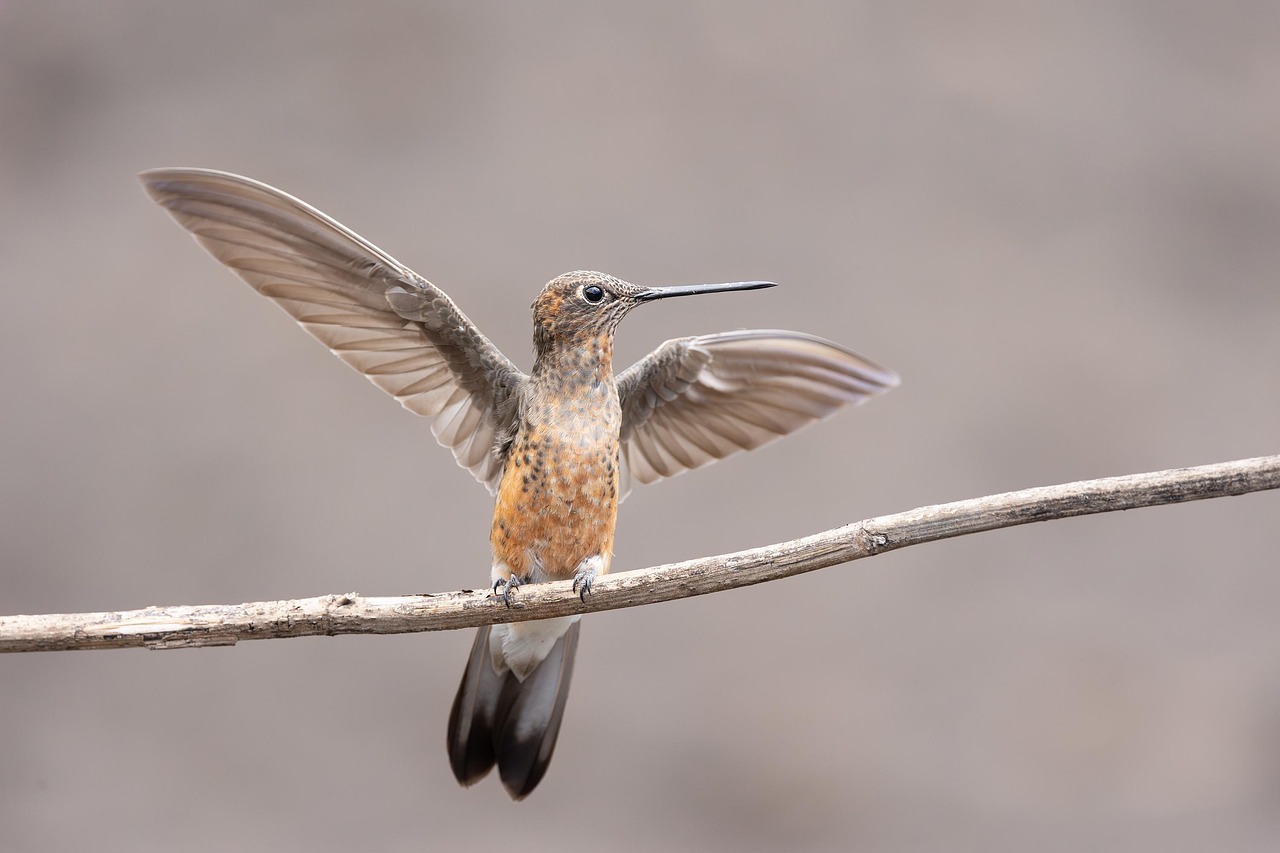
Choose the Right Plants for Hummingbirds
To turn your backyard into a hummingbird sanctuary, you must prioritize nectar-rich blooms. Hummingbirds have high metabolisms and require a constant supply of energy. They are naturally drawn to tubular-shaped flowers, which perfectly accommodate their long, slender beaks. When selecting your plants, focus on vibrant colors—specifically shades of red, orange, and pink—as these are the most visible to these energetic birds.
Whenever possible, prioritize native plant species. Native plants have co-evolved with local hummingbird populations, providing the most nutritious nectar while requiring less water and maintenance than non-native varieties. By planting a diverse mix, you ensure a reliable food source throughout the growing season.
Consider incorporating these reliable favorites into your garden beds or containers:
- Bee Balm (Monarda): A perennial powerhouse that produces unique, spiky flowers hummingbirds find irresistible.
- Columbine (Aquilegia): These early-season bloomers provide essential nectar when other food sources may still be scarce.
- Salvia: With dozens of varieties available, these hardy plants offer long-lasting, tubular flowers that bloom repeatedly.
- Trumpet Vine (Campsis radicans): A vigorous climber that acts as a natural feeder; ensure you have space for its rapid growth.
For the best results, plant these flowers in clusters rather than scattering them individually. Grouping plants together creates a “target” that is easier for hummingbirds to spot while they are flying. Aim for a succession of blooms by choosing plants that flower at different times; this keeps the hummingbirds returning to your yard from spring through autumn.
Finally, avoid the use of chemical pesticides in your garden. Hummingbirds also supplement their nectar diet with small insects and spiders for protein. A healthy, pesticide-free garden supports the entire ecosystem, ensuring your visitors remain well-fed and safe. By providing a natural, diverse habitat, you create a sustainable environment that hummingbirds will visit year after year.
Provide Reliable Water Sources
Hummingbirds require consistent access to water for both hydration and grooming. While these birds get much of their moisture from nectar, they still need fresh water to bathe and preen their feathers. Because hummingbirds are small and delicate, traditional deep birdbaths are often unsuitable and can even pose a drowning hazard.
To create a safe environment, install a shallow basin specifically designed for smaller birds. The water depth should be no more than one-half inch to ensure they can stand comfortably while splashing. If you only have a standard birdbath, place smooth, clean river stones in the center to create a shallow landing area.
The most effective way to attract hummingbirds to a water feature is by incorporating movement. These birds are naturally drawn to the sound and sparkle of running water. You can easily achieve this by adding a mister or a dripper to your setup:
- Misters: Hummingbirds love to fly through fine sprays of water. A mister mounted above a large leaf or a shallow basin allows them to hover and bathe in the mist, mimicking the experience of dew-covered foliage.
- Drippers: A slow, rhythmic drip creates ripples on the water’s surface, which acts as a visual beacon for birds passing overhead. The constant flow also helps prevent the water from becoming stagnant.
Maintenance is critical for hummingbird health. Stagnant water can harbor bacteria and attract mosquitoes. Change the water in your basin daily and scrub the container with a stiff brush and mild soap at least once a week to prevent algae buildup. Avoid using harsh chemicals or bleach, as these are toxic to birds. By keeping the water clean and ensuring it is constantly moving, you provide a reliable oasis that will encourage hummingbirds to return to your garden throughout the season.

Install and Maintain Feeders Safely
While native plants are the best way to support hummingbirds, supplemental nectar feeders provide a reliable energy source, especially during peak migration or when natural blooms are scarce. To keep your visitors healthy, it is essential to prepare the nectar correctly. Use a simple mixture of four parts water to one part white granulated sugar. Never substitute this with honey, molasses, or artificial sweeteners, as these can be toxic to birds. Additionally, avoid adding red dye; hummingbirds are naturally attracted to the color red on the feeder itself, so the liquid should remain clear.
Safe installation is just as important as the recipe. When mounting your feeders, prioritize stability and accessibility to ensure you can maintain them without risk:
- Use sturdy, weather-resistant hooks or mounting brackets designed to hold the weight of a full feeder.
- Place feeders at a height that is easy to reach while standing firmly on the ground. Avoid locations that require the use of an unstable ladder or reaching over precarious landscaping.
- Ensure you are working on level, non-slip ground when installing hardware.
- Always wear work gloves when using tools to mount brackets or hooks to protect your hands from splinters or sharp edges.
Maintenance is a critical component of safety. Hummingbird feeders must be cleaned thoroughly at least twice a week—more often during hot weather—to prevent the growth of harmful mold and bacteria. Use a mixture of one part white vinegar to two parts water to scrub the interior and the feeding ports. Rinse the feeder completely with fresh water before refilling it. If you notice any black spots or a cloudy appearance in the nectar, discard the liquid immediately and sanitize the unit. By keeping your equipment clean and accessible, you create a safe, inviting sanctuary that hummingbirds will return to throughout the season.
Create a Hummingbird-Friendly Habitat
Attracting hummingbirds requires more than just a sugar-water feeder; you must create a sanctuary where they feel safe to rest, preen, and nest. These high-energy birds are incredibly vulnerable to predators and extreme weather, so providing structural cover is essential for long-term residency.
Incorporate dense shrubs, hedges, or small, leafy trees into your landscape design. These act as vital “safe zones” where hummingbirds can retreat when they feel threatened or need to escape intense midday heat or heavy rain. Native plant species are particularly effective, as they are already adapted to your local climate and provide the most familiar cover for local wildlife.
To ensure your garden remains a healthy refuge, consider these practical care tips:
- Avoid chemical interventions: Never use synthetic pesticides or herbicides in your garden. Hummingbirds rely on small insects—such as gnats, spiders, and fruit flies—to fulfill their essential protein requirements. Chemicals not only kill these food sources but can also be toxic to the birds themselves.
- Provide a water source: Hummingbirds rarely use traditional birdbaths because they are too deep. Instead, install a mister or a shallow fountain with a gentle, dripping flow. They love to fly through fine mists to bathe and clean their feathers.
- Leave the “mess”: If you have a corner of your yard that is naturally shadier or holds a few fallen twigs, leave it be. Hummingbirds often utilize spider silk and tiny bits of lichen or moss to construct their nests, and they prefer areas that feel undisturbed and natural.
By shifting your gardening approach from purely decorative to ecologically functional, you transform your backyard into a reliable destination. When hummingbirds find both a consistent food supply and a secure place to hide, they are much more likely to return to your garden season after season. Focus on creating layers of vegetation, starting with ground cover and moving up to mid-sized shrubs, to offer the vertical complexity these birds need to thrive.

Ongoing Care and Troubleshooting
Maintaining a hummingbird-friendly garden requires consistency. Once these birds identify your yard as a reliable food source, they will return throughout the season, provided the environment remains clean and safe.
The most critical aspect of ongoing care is feeder hygiene. Hummingbirds are highly susceptible to bacteria and mold, which can grow rapidly in sugar water. To protect your visitors:
- Clean your feeders every three to four days, or more frequently during hot weather.
- Use hot water and a bottle brush to scrub the interior, ensuring you remove all residue.
- Avoid using soap or harsh chemicals, as these can leave toxic traces behind; a diluted vinegar solution is a safe alternative if deep cleaning is necessary.
- Always allow the feeder to dry completely before refilling it with fresh nectar.
Beyond feeder maintenance, keep a watchful eye on your garden’s landscape. Hummingbirds are territorial and prefer a consistent, undisturbed environment. Avoid heavy pruning during peak nesting season, typically spring through early summer, to protect potential nests hidden in dense shrubs or tree branches.
If you notice a bird that appears lethargic, has drooping wings, or seems unable to fly, do not attempt to handle or medicate it yourself. Hummingbirds have incredibly fragile bones and high metabolisms; improper handling can cause fatal stress. Instead, contact a licensed wildlife rehabilitator immediately. They have the specialized tools and expertise required to assess the bird’s condition and provide appropriate care.
Finally, monitor your garden for signs of nesting activity, such as birds carrying spiderwebs or lichen. If you spot a nest, keep your distance and avoid using pesticides or herbicides in that vicinity. By minimizing human interference and keeping your supplemental food sources pristine, you create a sanctuary that encourages hummingbirds to thrive in your backyard year after year.

Dedicated team of gardening enthusiasts with years of hands-on experience testing lawn mowers, gardening tools, and outdoor equipment. We help home gardeners and professionals alike make informed buying decisions with honest, thorough reviews. From push mowers to pruning shears, we test it all so you don’t have to. Got a gardening tool you’d like us to review? Get in touch!