
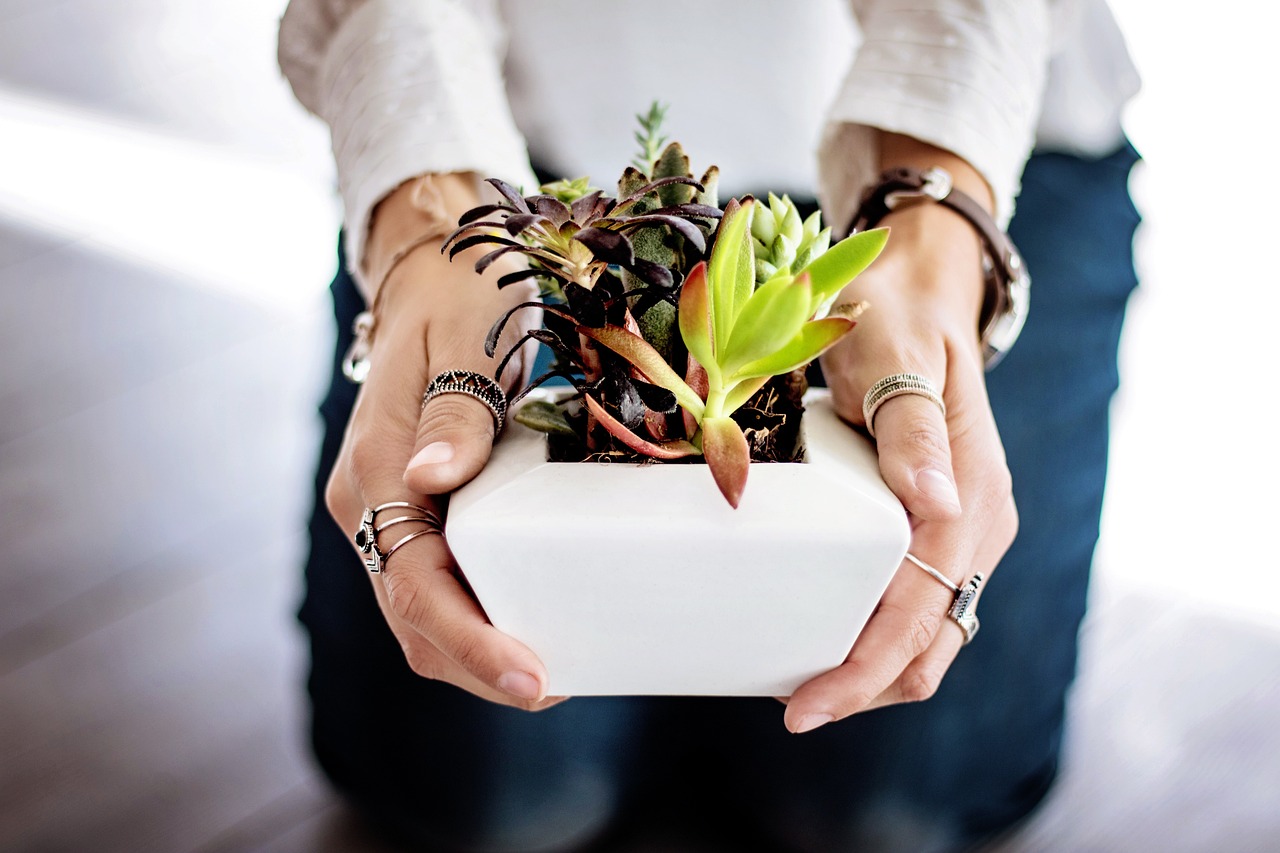
If you are wondering how to take care of my succulent, you have come to the right place. These popular plants require bright, indirect sunlight and infrequent watering to remain healthy and vibrant. By mimicking their native arid environments, you can easily prevent common issues like root rot or leggy, stretched growth.
While succulents are famous for their low-maintenance nature, they are not completely indestructible. They have specific requirements regarding soil drainage, pot selection, and seasonal temperature changes that you must respect. Understanding these unique needs is the secret to moving beyond basic survival and helping your collection truly thrive in your home.
This comprehensive guide covers the essential care steps to help your succulents flourish indoors or outdoors. We will break down the ideal watering schedules, the best potting mediums, and light requirements for various species. Follow these practical tips to master plant care and keep your succulents looking their absolute best all year round.
Providing the Right Light Conditions
Succulents are sun-loving plants, but their light requirements are often misunderstood. To thrive, most varieties need bright, indirect sunlight for at least six hours a day. This intensity helps them maintain their compact shape and vibrant, natural coloration.
The best location for your succulent is typically near a south or west-facing window. These spots provide the consistent, bright light necessary for healthy growth. If your home lacks natural light, you can supplement with a full-spectrum LED grow light placed a few inches above the plant.
Your plant will often communicate its light needs through its physical appearance. Watch for these common signs:
- Stretching (Etiolation): If your succulent begins to grow tall, thin, or leans heavily toward a light source, it is “reaching” for more sun. Move it to a brighter location to restore its compact form.
- Sunburn: While many succulents enjoy sun, harsh, direct midday rays—especially through glass—can scorch delicate leaves. Look for white, brown, or black patches on the foliage. If this occurs, move the plant to a spot with filtered light or use a sheer curtain to diffuse the intensity.
- Fading Color: If a colorful succulent turns pale green, it is likely not receiving enough light to produce its pigments. Gradually introduce it to a brighter environment.
When moving a succulent to a brighter spot, do so gradually. Drastic changes in light intensity can shock the plant, leading to leaf drop or stress. Over the course of a week, slowly increase the duration of exposure to the new light source. This acclimation period allows the plant to adjust its internal chemistry safely, preventing the cellular damage associated with sudden environmental shifts. By observing how your succulent reacts to its surroundings, you can fine-tune its placement to ensure it stays healthy, colorful, and structurally sound throughout the changing seasons.
Mastering the Watering Routine
The most frequent cause of succulent decline is overwatering. Unlike moisture-loving houseplants, succulents store water in their fleshy leaves and stems, allowing them to survive periods of drought. When their roots sit in consistently damp soil, they quickly succumb to root rot, which is often fatal.
To keep your plants thriving, adopt the “soak-and-dry” method. This technique mimics the natural rainfall patterns these plants experience in their native habitats, ensuring they receive enough hydration without becoming waterlogged.
Follow these steps to master your watering routine:
- Thorough Saturation: When the soil is ready, water your succulent deeply. Pour water directly onto the soil until it begins to flow freely out of the drainage holes at the bottom of the pot. This ensures the entire root system is hydrated.
- Complete Drying: Do not water on a strict calendar schedule. Instead, wait until the soil is completely dry from top to bottom. If the soil still feels damp, hold off on watering, even if it has been a week or two.
- Check Before You Pour: Before adding more water, test the moisture level. Insert your finger about two inches into the soil. Alternatively, use a wooden skewer; push it deep into the pot and leave it for a few seconds. If the skewer comes out dark or damp, the plant does not need water.
Always ensure your pot has adequate drainage holes. If you are using a decorative container without a hole, consider using a plastic nursery liner inside it so you can remove the plant for watering. This prevents excess water from pooling at the bottom of the container, where it can suffocate the roots.
Remember that your plant’s water needs will fluctuate based on the season. Succulents typically require more frequent watering during their active growing season in the spring and summer. In the winter, when growth slows down, they need significantly less water. When in doubt, it is always safer to underwater than to overwater.

Choosing Soil and Containers
The foundation of a healthy succulent begins with the right environment. Unlike many houseplants, succulents are highly susceptible to root rot if their roots sit in moisture for too long. To prevent this, you must prioritize drainage in both your soil selection and your choice of container.
For the soil, avoid standard garden soil or dense potting mixes, as these retain too much water. Instead, purchase a dedicated commercial cactus or succulent potting mix. These blends are specifically formulated with inorganic materials like coarse sand, pumice, or perlite. These components create air pockets and allow water to pass through the soil quickly, mimicking the arid conditions these plants naturally prefer.
Your choice of container is equally important. Always select a pot that features at least one drainage hole at the bottom. If you fall in love with a decorative pot that lacks a hole, you have two options:
- Use it as a cachepot: Keep the succulent in its original plastic nursery liner and place that inside the decorative container. Simply remove the liner to water the plant, allowing it to drain completely before returning it to the decorative shell.
- Create your own drainage: If you are comfortable modifying a plastic pot, you can carefully drill or cut additional holes.
If you decide to modify a container, safety is paramount. Use a sharp tool, such as a hobby knife or a drill bit, to create extra holes. Always wear thick, protective gloves to shield your hands from slips. Work on a stable, flat surface to maintain full control of your tools, and keep your fingers away from the path of the blade or drill bit to avoid injury. Once your drainage is established, your succulent will be much better equipped to thrive without the risk of waterlogged roots.
Temperature and Environmental Needs
Succulents thrive in environments that mimic their native arid habitats. To keep your plants healthy, aim to maintain an ambient temperature between 60 and 80 degrees Fahrenheit. While many varieties are resilient, they are sensitive to sudden shifts in temperature, which can stress the plant and lead to leaf drop or discoloration.
Placement is critical for temperature regulation. Avoid positioning your succulents near the following areas, as they create inconsistent microclimates:
- Drafty windows that allow cold air to seep in during winter.
- Air conditioning vents that blast dry, cold air directly onto the foliage.
- Heating units, radiators, or fireplaces, which can dehydrate the plant too quickly.
Beyond static temperature, consider the seasonal cycle of your succulents. Most varieties experience an active growing season during the spring and summer, when they require more consistent light and moderate hydration. However, as daylight hours shorten and temperatures drop, many succulents enter a period of dormancy.
During this winter rest phase, the plant’s metabolic rate slows significantly. It is essential to adjust your care routine accordingly to prevent root rot, which is the most common cause of succulent death. Follow these guidelines during the dormant months:
- Reduce watering frequency drastically; only water when the soil is completely bone-dry throughout the pot.
- Cease all fertilization, as the plant is not actively producing new growth and cannot process the nutrients.
- Ensure the plant remains in a bright spot, even if it is not growing, to prevent it from becoming “leggy” or stretched out as it reaches for light.
By mimicking these natural cycles and protecting your succulents from artificial temperature extremes, you provide the stability they need to thrive year-round. Observe your plants closely during the transition into winter, as they will often signal their need for less water by showing slower soil drying times. Consistent, attentive care during these environmental shifts will help ensure your succulents remain vibrant and healthy for years to come.

Troubleshooting Common Succulent Issues
Even with the best intentions, succulent care can present challenges. Learning to read your plant’s physical signals is the most effective way to troubleshoot problems before they become irreversible. Monitoring leaf texture and color is your primary diagnostic tool.
If you notice leaves becoming mushy, translucent, or yellowing, you are likely overwatering. Succulents store water in their foliage; when the soil stays wet for too long, the roots cannot breathe, leading to rot. If the soil is damp, stop watering immediately and move the plant to a brighter location to help the substrate dry out.
Conversely, if the leaves appear shriveled, puckered, or thin, the plant is likely dehydrated. While succulents are drought-tolerant, they still require occasional deep watering. Ensure the water drains completely from the pot after each session to prevent future issues.
Pests can also occasionally inhabit your succulents. If you see white, cottony masses tucked into the crevices of the leaves, you are likely dealing with mealybugs. Follow these steps to address an infestation:
- Isolate the affected plant immediately to protect your other greenery.
- Dip a cotton swab in 70% isopropyl (rubbing) alcohol.
- Gently dab the alcohol directly onto the mealybugs to dissolve their protective coating.
- Repeat this process every few days until the pests are completely eradicated.
If your succulent appears stunted or the roots are circling the bottom of the container, it has become severely root-bound. In this case, repotting into a slightly larger container with fresh, well-draining cactus soil will provide the necessary nutrients and room for growth. If you discover dark, foul-smelling rot at the base of the stem during a repotting session, the root system may be beyond saving. In this scenario, your best course of action is to carefully remove healthy, firm leaves or stem segments to propagate new, disease-free plants. With prompt intervention, most succulents can recover and thrive once their environmental needs are balanced.

Dedicated team of gardening enthusiasts with years of hands-on experience testing lawn mowers, gardening tools, and outdoor equipment. We help home gardeners and professionals alike make informed buying decisions with honest, thorough reviews. From push mowers to pruning shears, we test it all so you don’t have to. Got a gardening tool you’d like us to review? Get in touch!