
Fungus gnats are a common frustration for indoor gardeners, but you can easily eliminate them with the right approach. These tiny, annoying pests typically thrive in damp soil, meaning the most effective way to stop gnats on indoor plants is to disrupt their breeding cycle by controlling moisture levels and using simple, non-toxic traps.
It is important to understand that these insects are usually more of a nuisance than a lethal threat to your greenery. While they rarely kill established plants, a large infestation can damage delicate roots and spread quickly to your entire collection. Managing them requires patience, consistency, and a few minor adjustments to your routine.
This guide explains exactly why these pests appear in your home and provides actionable, non-toxic steps to eliminate them immediately. We will walk you through proven methods to clear current infestations and offer essential preventative tips to ensure your indoor garden remains healthy, vibrant, and completely free of unwanted flying guests for seasons to come.
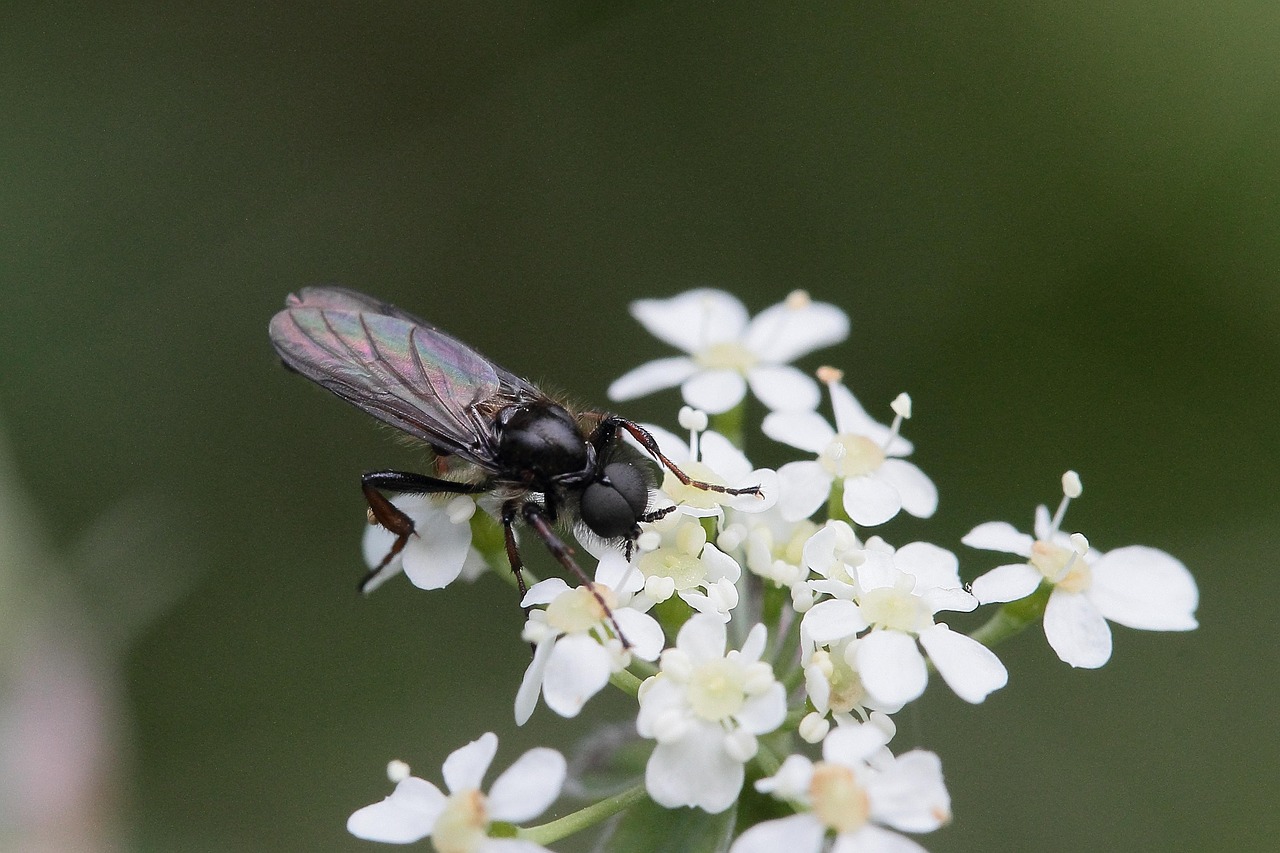
Identify and Understand the Problem
If you notice tiny, mosquito-like insects hovering around your houseplants, you are likely dealing with fungus gnats. While they are often mistaken for fruit flies, fungus gnats are distinct pests that thrive specifically in moist, organic-rich potting soil. They are not just a nuisance; their presence is a clear indicator that your watering habits or soil drainage may need adjustment.
To effectively eliminate these pests, you must understand their life cycle. A gnat infestation consists of two distinct stages that require different approaches:
- The Adults: These are the visible, flying insects you see buzzing around your plants. While they are annoying, they do not bite or damage the plant directly. Their primary purpose is to lay eggs in the top layer of damp soil.
- The Larvae: This is the destructive stage. Once the eggs hatch, the larvae live in the soil and feed on organic matter, decaying roots, and fungi. In large numbers, they can damage delicate root systems, causing your plant to wilt or yellow unexpectedly.
The most common mistake gardeners make is focusing solely on the flying adults. Because the larvae remain hidden beneath the soil surface, killing only the adults will not stop the infestation. If you leave the larvae undisturbed, the cycle will continue indefinitely as a new generation matures.
Successful control requires a dual-pronged strategy. You must simultaneously capture the flying adults to prevent further egg-laying while treating the soil to eradicate the larvae. By targeting both stages, you break the reproductive cycle and protect your plant’s root health.
Before beginning any treatment, check your plants for signs of overwatering. Fungus gnats thrive in constantly wet environments. Allowing the top two inches of soil to dry out completely between waterings is often the first, most effective step in discouraging these pests from calling your pots home. If the soil remains soggy, no amount of treatment will provide a permanent solution.
Immediate Steps to Reduce Gnat Populations
If you notice tiny, dark flies hovering around your houseplants, you are likely dealing with fungus gnats. These pests thrive in moist environments, making your indoor containers an ideal breeding ground. To regain control, you must address both the flying adults and the larvae developing in the soil.
The fastest way to reduce the adult population is by using yellow sticky traps. Fungus gnats are naturally attracted to the color yellow, which they mistake for a food source or a healthy plant. By placing these adhesive cards near the base of your plants, you can effectively capture the adults before they have the chance to lay more eggs. This simple step prevents the reproductive cycle from continuing, providing an immediate reduction in visible activity.
While traps manage the adults, you must simultaneously target the larvae living in the soil. Fungus gnat larvae require consistent moisture to survive and develop. By altering the soil environment, you can eliminate them without using harsh chemicals. Follow these steps to dry out your plants safely:
- Check the soil moisture by inserting your finger about one inch deep into the potting mix.
- If the soil feels damp, do not water your plant.
- Wait until the top inch of soil is completely dry to the touch before adding more water.
- Ensure your pots have functioning drainage holes to prevent water from pooling at the bottom, which creates a sanctuary for pests.
Allowing the surface to dry out creates a hostile environment for larvae, as they cannot survive in arid conditions. This method is highly effective because it mimics the natural drying process that many indoor plants prefer. By combining the immediate removal of adults via sticky traps with a strict “dry-out” watering schedule, you can disrupt the lifecycle of the gnats and restore your indoor garden to health. Consistency is key; continue this routine for at least two weeks to ensure that any newly hatched larvae are also eliminated as they emerge from the soil.

Safe Treatments for Soil Infestations
When fungus gnats take hold in your potting soil, the most effective, pet-safe, and environmentally friendly solution is the use of Bacillus thuringiensis israelensis (BTI). Commonly sold as “Mosquito Bits” or “Mosquito Dunks,” this naturally occurring bacterium specifically targets the larvae of gnats, mosquitoes, and blackflies without harming beneficial insects, plants, or humans.
BTI works by producing proteins that are toxic only to the larvae of these specific pests when ingested. To treat an active infestation, follow these simple steps:
- Prepare a BTI tea: Soak a portion of a Mosquito Dunk or a tablespoon of Mosquito Bits in a gallon of water for at least 30 minutes.
- Water your plants: Use this treated water for your regular watering routine. The BTI will permeate the soil, eliminating larvae at the source.
- Repeat consistently: Because BTI does not kill adult gnats, you must continue this watering method for at least three to four weeks to break the life cycle as new eggs hatch.
While BTI is highly effective and safe for indoor use, you must still practice proper hygiene and safety when handling soil amendments. Always wear gardening gloves when mixing products into your soil or handling dunks to prevent skin irritation or accidental ingestion. After you finish tending to your plants, wash your hands thoroughly with soap and warm water.
Safety extends to the storage of these products as well. Even though BTI is a biological control, it should never be left in areas accessible to children or household pets. Keep all containers tightly sealed and stored in a cool, dry place, ideally inside a locked cabinet or on a high shelf. By combining this targeted treatment with consistent monitoring, you can effectively clear your indoor garden of gnats while keeping your home environment healthy and safe for everyone.
Preventative Care and Maintenance
The most effective way to manage fungus gnats is to stop them before they establish a colony. Because these pests thrive in consistently moist, decaying organic matter, your primary goal is to disrupt their reproductive cycle by keeping the top layer of soil inhospitable.
Mastering Soil Moisture
The simplest long-term strategy is to switch to bottom-watering. By placing your pots in a tray of water and allowing the roots to soak up moisture from the bottom, the top two inches of soil remain dry. Since fungus gnat larvae require damp surface soil to survive, this technique effectively breaks their life cycle.
Choosing the Right Medium
Standard potting soil often retains too much moisture. To improve aeration and drainage, amend your potting mix with perlite, pumice, or horticultural sand. A well-draining substrate ensures that water flows through the pot quickly, preventing the waterlogged conditions that attract adult gnats looking for a place to lay eggs.
General Hygiene and Inspection
Consistent maintenance prevents pests from finding a foothold in your indoor garden:
- Clear Debris: Regularly remove fallen leaves, spent flowers, and organic mulch from the surface of your pots. Decaying plant matter is a primary food source for larvae.
- Quarantine New Additions: Always inspect new plants thoroughly before introducing them to your home. Check the undersides of leaves and the soil surface for signs of activity. Keep new plants isolated for at least two weeks to ensure they are pest-free.
- Avoid Overwatering: Only water when the top inch of soil feels dry to the touch. If you have a plant that requires high humidity, consider using a pebble tray or humidifier rather than keeping the soil constantly saturated.
By maintaining a clean growing environment and managing soil moisture levels, you create an ecosystem that supports healthy plant growth while remaining unattractive to fungus gnats. Consistency is key; a proactive approach is always easier than treating an established infestation.

When to Seek Further Help
Patience is essential when dealing with fungus gnats. While you may notice an immediate reduction in flying adults using sticky traps, the life cycle of a gnat lasts roughly three to four weeks. You must remain consistent with your soil-drying routine and treatment applications for at least a full month to ensure you have successfully broken the breeding cycle.
If you have diligently followed these steps for four weeks and still see a significant number of gnats, it is time to reassess. Persistent infestations often indicate that the larvae are thriving deep within the root zone or in organic debris that you may have missed.
Consider these signs that your current approach is not enough:
- The plant continues to wilt or yellow despite proper watering habits.
- There is a persistent, musty odor emanating from the soil, which often signals root rot.
- The soil surface remains constantly damp despite your efforts to let it dry out.
If you observe these symptoms, repotting may be necessary. Carefully remove the plant, inspect the root system for mushy or blackened sections, and trim away any decaying matter before replanting in fresh, well-draining potting mix. Always discard the old, infested soil rather than trying to reuse it.
If the infestation persists after repotting, or if you suspect a more severe plant disease, do not hesitate to consult a local nursery professional. Bring a sample of the plant or clear photos of the damage to your local garden center. Experts can help determine if the issue is merely a pest nuisance or a deeper systemic infection. Sometimes, a plant may have underlying health issues that make it more susceptible to pests, and a professional can provide tailored advice to help your plant recover its vitality. Remember, it is better to seek expert intervention early than to risk losing a beloved houseplant to unchecked soil issues.

Dedicated team of gardening enthusiasts with years of hands-on experience testing lawn mowers, gardening tools, and outdoor equipment. We help home gardeners and professionals alike make informed buying decisions with honest, thorough reviews. From push mowers to pruning shears, we test it all so you don’t have to. Got a gardening tool you’d like us to review? Get in touch!