
Keeping your Scag mower blades sharp is essential for maintaining a healthy, vibrant lawn. Dull blades tear grass rather than cutting it, which can leave your turf susceptible to disease and discoloration. By taking the time to sharpen them regularly, you ensure a clean, professional-looking cut that promotes vigorous growth and protects your grass from unnecessary stress.
While sharpening your own blades is a rewarding DIY project, it requires the right tools and a commitment to safety. You will need a sturdy jack, a socket set, and a metal file or bench grinder to achieve the best results. Always prioritize caution, as working with heavy equipment requires careful handling to prevent injury.
This guide walks you through the safe and effective process of removing, sharpening, and reinstalling your blades to ensure peak performance. We will cover how to balance your blades properly to prevent mower vibration and damage. Follow these straightforward steps to revitalize your equipment and achieve the pristine, manicured lawn you desire all season long.

Safety First and Essential Tools
Before you begin sharpening your Scag mower blades, you must prioritize safety to prevent serious injury. The most critical step is to disconnect the spark plug wire. This simple action ensures the engine cannot accidentally start while your hands are near the cutting deck.
Once the mower is disabled, gather the necessary equipment to complete the job efficiently and safely:
- Socket wrench set: To remove the mounting bolts securing the blades.
- Blade removal tool or a block of wood: Used to wedge the blade in place, preventing it from rotating while you loosen the hardware.
- Bench grinder or a handheld metal file: To restore a clean, sharp edge to the steel.
- Blade balancer: Essential for checking that the blade is evenly weighted after sharpening.
Personal protective equipment is non-negotiable. Always wear heavy-duty leather work gloves to protect your hands from the razor-sharp edges of the blades and any jagged metal burrs. Additionally, wear impact-resistant safety goggles at all times. When using a bench grinder, metal shards and debris will be ejected at high speeds; goggles provide the necessary barrier to prevent eye damage.
Before lifting the mower, ensure you are working on a level, stable surface. If you use a jack or lift to access the underside of the deck, always engage the mechanical safety locks. Never rely solely on a hydraulic jack to hold the weight of the machine while you are working underneath it.
Finally, inspect the blades for structural integrity before sharpening. If you notice deep cracks, significant pitting, or metal fatigue, do not attempt to sharpen them. Damaged blades can shatter during operation, posing a severe risk to both the operator and property. In cases of structural compromise, the safest and most practical solution is to replace the blades with genuine Scag parts. By following these precautions, you ensure that your equipment remains in top condition without compromising your physical well-being.
Removing the Blades from Your Scag Mower
Before you begin, ensure your Scag mower is positioned on a flat, stable surface. Using a professional mower lift is the safest and most efficient method, as it provides clear access to the underside of the deck without requiring you to maneuver the heavy machine. If a lift is unavailable and you must tilt the mower, always ensure the air filter side faces upward. This critical step prevents oil from leaking into the carburetor, which can cause significant engine damage and starting issues.
Once the mower is secure, follow these steps to remove the blades safely:
- Disconnect the spark plug wire to ensure the engine cannot accidentally start during the process.
- Use a high-quality socket wrench that fits the mounting bolts perfectly to avoid stripping the hardware.
- If the blade spins while you attempt to loosen the bolt, do not force it. Instead, wedge a sturdy block of wood between the blade and the mower deck. This locks the blade in place, providing the leverage needed to break the bolt loose safely.
- Wear heavy-duty work gloves. Mower blades are often sharp and can have jagged edges from debris, posing a risk of deep cuts.
As you remove the hardware, keep track of the order of the washers and bolts. It is helpful to lay them out on a clean surface in the exact order they were removed. This ensures that when you are ready to reinstall the sharpened blades, you can reassemble the components correctly without confusion. If you notice any rust or damage to the bolts during removal, now is the ideal time to replace them with new, manufacturer-recommended hardware to ensure the blades remain securely attached during operation. Once the bolts are removed, slide the blades carefully from the spindle, keeping them level to avoid dropping them on your feet.
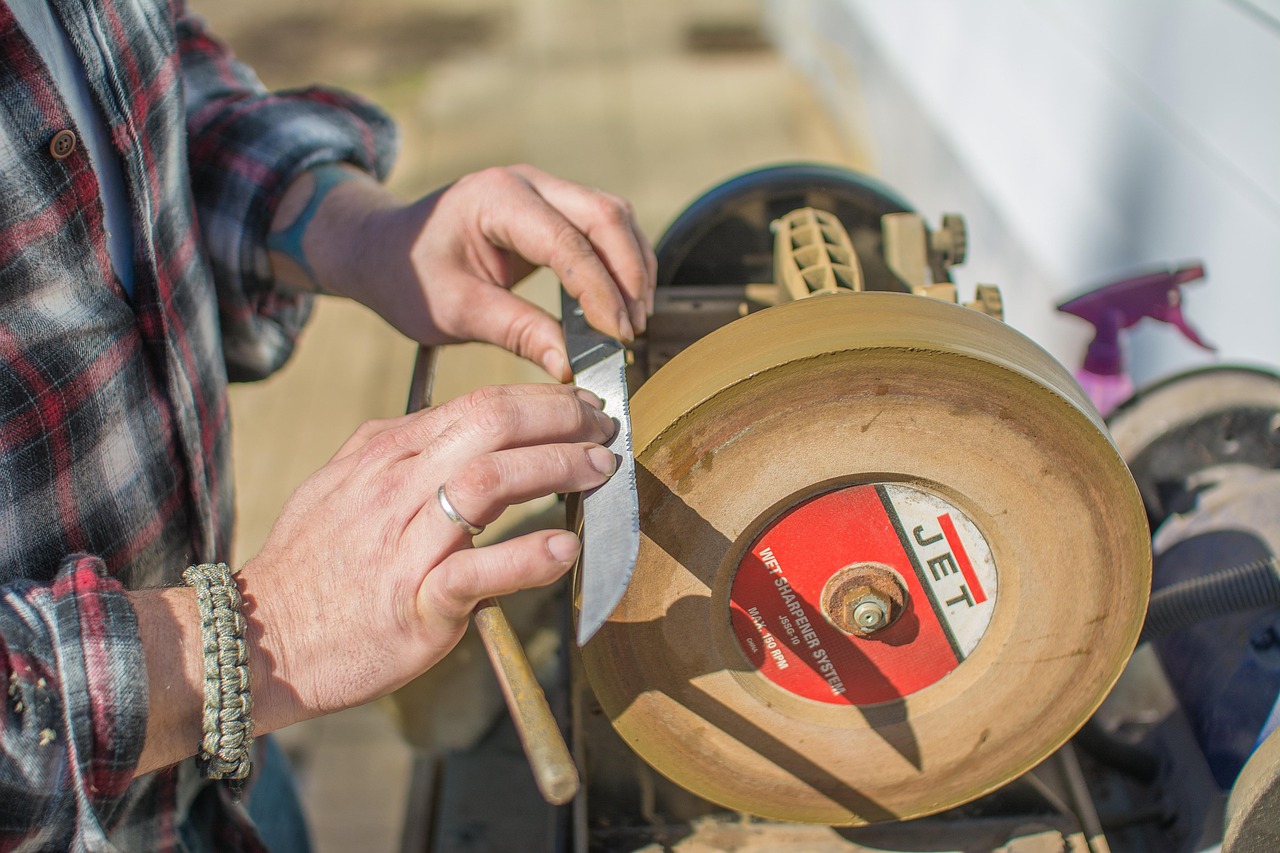
Techniques for Sharpening the Cutting Edge
Before you begin sharpening, thoroughly inspect the blade for structural integrity. Run your fingers (wearing heavy-duty gloves) along the edge to feel for deep gouges, chips, or stress cracks. If you notice significant metal fatigue or structural damage, do not attempt to sharpen it. Compromised steel can shatter during high-speed operation, posing a severe safety risk. In these cases, replace the blade entirely to ensure your mower operates safely.
When the metal is sound, secure the blade in a vise. Use a bench grinder or a flat metal file to match the original factory bevel angle. Maintaining this specific angle is critical for the mower’s lift and suction capabilities, which ensure a clean, even cut across your lawn.
Follow these best practices to ensure a professional result:
- Work slowly: If using a bench grinder, move the blade across the wheel in short, controlled passes. This prevents the metal from overheating. If the steel turns blue, the heat has ruined the blade’s temper, making it soft and unable to hold an edge.
- Remove minimal material: Only grind away enough metal to restore a keen edge. Over-grinding shortens the lifespan of the blade and can weaken the cutting surface.
- Maintain balance: Balance is essential to prevent vibration, which can damage your mower’s spindle bearings and engine. To keep the blade balanced, remove an equal amount of material from both ends.
After sharpening, use a blade balancer—a simple cone or nail-based tool—to verify that the blade sits perfectly level. If one side dips, remove a tiny amount of additional material from the heavy side until the blade remains horizontal. A well-balanced, sharp blade not only provides a healthier cut for your grass but also reduces strain on your mower’s engine and drive system, extending the life of your equipment and keeping your lawn looking its best throughout the growing season.
Balancing and Reinstalling the Blades
After sharpening your Scag mower blades, balancing them is the most critical step before reinstallation. An unbalanced blade creates significant vibration during operation, which can prematurely wear out your mower’s spindles, bearings, and engine components. Even a slight weight discrepancy can lead to costly mechanical damage over time.
To check for balance, follow these steps:
- Place the center hole of the blade onto a dedicated blade balancer or a nail securely driven into a wall.
- Observe the blade’s position; it should sit perfectly level.
- If one side drops, it is heavier. Remove a small amount of metal from the cutting edge of the heavy side using your file or grinder.
- Repeat this process until the blade remains horizontal when placed on the balancer.
Once you have achieved a perfect balance, you are ready to reinstall the blades. Proper orientation is essential for effective cutting. Ensure the sharpened edge of the blade is facing the direction of rotation, with the “sail” or lift wing pointing upward toward the mower deck. If installed upside down, the blade will fail to create the necessary airflow to lift the grass, resulting in a poor, uneven cut.
Carefully align the blade onto the spindle shaft, ensuring it seats correctly into the mounting points. Replace the blade bolt and any required washers, tightening them by hand initially to avoid cross-threading. Finally, use a torque wrench to tighten the bolts to the specific foot-pounds listed in your Scag owner’s manual. Never guess the tightness; using the manufacturer’s recommended torque ensures the blades remain securely attached while preventing damage to the bolt threads or the spindle itself.
Before starting the engine, rotate the blades by hand to ensure they spin freely and do not make contact with the deck housing or other components. Taking these final precautions guarantees a smooth, professional cut and extends the overall lifespan of your equipment.

Maintenance Tips and When to Seek Professional Help
Consistent blade maintenance is essential for maintaining a healthy, vibrant lawn. Dull blades tear grass rather than slicing through it cleanly, which leads to jagged, brown tips that make your lawn susceptible to disease and dehydration. To keep your equipment in top condition, inspect your Scag mower blades after every 20 to 25 hours of operation.
During these routine inspections, look for signs of excessive wear, such as deep nicks, cracks, or a rounded cutting edge. If you notice your grass has a frayed or discolored appearance immediately after mowing, it is time to sharpen or replace your blades.
Follow these safety guidelines when performing maintenance:
- Always disconnect the spark plug wire before working near the blades to prevent accidental engine startup.
- Wear heavy-duty work gloves to protect your hands from sharp metal edges.
- Use a wooden block to wedge the blade in place, ensuring it cannot rotate while you loosen the mounting bolts.
- Clean away all grass clippings and debris from the underside of the deck to ensure an accurate inspection.
While sharpening blades is a manageable task for many homeowners, safety should always be your priority. If you are uncomfortable operating angle grinders, bench grinders, or other power tools, do not attempt the sharpening process yourself. Improper sharpening can create an unbalanced blade, which leads to dangerous vibrations that can damage your mower’s spindle bearings and engine components.
If you notice significant or unusual vibration after reinstalling your blades, stop the mower immediately. This is a clear indicator that the blades are either unbalanced or improperly installed. In such cases, contact a local Scag dealer or a certified professional technician. A professional can ensure your blades are perfectly balanced and properly torqued, providing peace of mind and ensuring your equipment remains safe, functional, and ready to deliver a professional-quality cut throughout the entire growing season.

Dedicated team of gardening enthusiasts with years of hands-on experience testing lawn mowers, gardening tools, and outdoor equipment. We help home gardeners and professionals alike make informed buying decisions with honest, thorough reviews. From push mowers to pruning shears, we test it all so you don’t have to. Got a gardening tool you’d like us to review? Get in touch!