
You can sharpen your mower blades without removing them by carefully accessing the underside of the deck. This technique saves significant time and effort while ensuring your grass receives a clean, healthy cut rather than a ragged tear. By following precise safety protocols, you can restore your blade’s edge efficiently without dismantling the entire machine.
While this method is convenient, it is crucial to understand that it requires extra caution to prevent accidental engine engagement. Always disconnect the spark plug wire first to ensure the mower cannot start while you are working. This approach works best for light maintenance, though extremely dull or damaged blades may still eventually require professional removal.
In this guide, we walk you through the essential safety precautions and the exact tools needed to sharpen your blades in place. You will learn how to stabilize the mower securely and use a hand file to achieve a precise, sharp edge. Follow these practical steps to get your mower back in top shape today.

Essential Safety Measures Before You Start
Before you begin sharpening your mower blades, you must prioritize your physical safety. Even when the engine is off, a mower can be dangerous if the blades move unexpectedly. Taking a few moments to secure the machine ensures you can work without the risk of accidental startup or injury.
Follow these mandatory steps before touching the blade:
- Disable the power source: For gas-powered mowers, locate the spark plug wire and pull it firmly off the spark plug terminal. This prevents the engine from firing. For electric mowers, remove the battery pack entirely and set it aside in a safe location.
- Stabilize the mower: Ensure the mower is on a flat, level surface. If you must tilt the mower to access the underside, always tilt it with the air filter and carburetor facing upward. This prevents oil and fuel from leaking into the air intake, which could damage the engine.
- Clear the deck: Use a stiff brush or scraper to remove dried grass and debris from the underside of the deck. This provides a clear view of the blade and prevents hidden buildup from interfering with your work.
Personal protective equipment is non-negotiable when working with metal cutting edges. Sharp blades can easily slice through skin, and the sharpening process itself creates hazardous conditions.
Always wear the following gear:
- Heavy-duty leather gloves: These protect your hands from the razor-sharp edges of the blade and provide a better grip. Do not use thin gardening or rubber gloves, as they offer no protection against deep cuts.
- Safety glasses: Filing or grinding metal produces tiny, high-velocity shards. Safety glasses shield your eyes from these flying metal shavings, as well as any dirt or rust dislodged during the cleaning process.
By strictly following these protocols, you create a controlled environment that allows you to focus on the task at hand without compromising your safety.
Preparing the Mower for Access
Before you begin sharpening, you must position your mower to provide clear access to the underside of the deck. Safety is the primary priority during this process. Never attempt to work on the blades while the engine is hot or if there is any risk of the mower starting accidentally.
To prevent engine damage, orientation is critical. Always tilt the mower so that the side with the air filter and carburetor faces upward. If you tilt the mower in the wrong direction, oil can flow into the air intake, saturate the air filter, and potentially foul the carburetor. This can lead to difficult starting, excessive smoke, or permanent engine failure.
Follow these steps to ensure the mower is stable and safe to work on:
- Disconnect the spark plug wire: Pull the wire off the spark plug and tuck it away to ensure the engine cannot accidentally turn over while your hands are near the blade.
- Drain or secure the fuel: If possible, run the mower until the tank is empty or use a siphon to remove the fuel. This prevents leaks while the machine is tilted.
- Stabilize the deck: Once tilted, do not rely on your own strength or the mower’s handle to keep it upright. Place a sturdy wooden block, a jack stand, or a thick piece of lumber under the deck frame.
- Verify stability: Give the mower a gentle nudge to ensure it is locked into position. The machine should remain completely stationary and secure before you bring any tools near the blade.
Taking a few extra minutes to secure the mower properly protects both your engine and your fingers. If the machine feels unstable or wobbly, do not proceed. Adjust your support until the mower is rock-solid, allowing you to focus entirely on achieving a clean, sharp edge for a healthier lawn.
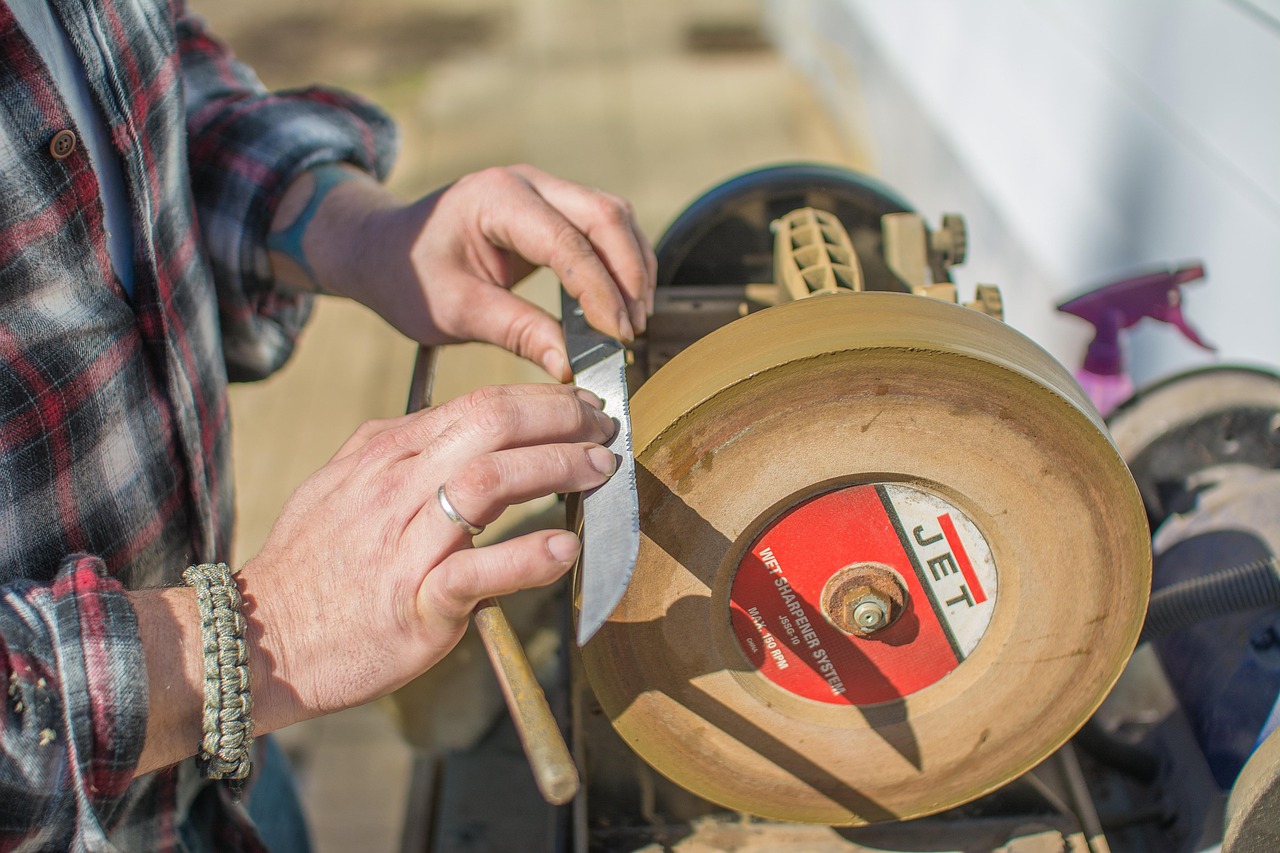
Tools and Techniques for Sharpening
To sharpen your mower blade without removing it, you must prioritize safety and precision. Before starting, disconnect the spark plug wire to ensure the engine cannot accidentally start during the process. Once the mower is securely propped up or tilted with the air filter side facing up, you are ready to begin.
For the best results, use a high-quality metal file or a handheld rotary tool equipped with a grinding stone attachment. If you are a beginner, a metal file is often safer because it removes material more slowly, giving you better control over the blade’s edge.
Follow these steps to sharpen effectively:
- Stabilize the blade: Wedge a sturdy block of wood between the blade and the mower deck. This prevents the blade from spinning while you apply pressure.
- Match the angle: Identify the existing bevel angle of the blade. Hold your file or tool at this exact angle to maintain the manufacturer’s design.
- File in one direction: Use firm, consistent strokes in one direction only. Avoid a back-and-forth sawing motion, which can dull the file and create an uneven edge.
- Remove nicks: Focus on smoothing out any deep nicks or burrs. Do not attempt to make the blade “razor-sharp,” as an overly thin edge will chip quickly when hitting grass or debris.
Be mindful of how much metal you remove. Taking off too much material from one side can throw the blade out of balance, leading to excessive vibration that may damage your mower’s engine or spindle bearings over time. If you notice the blade is heavily pitted or bent, it is safer to replace it entirely rather than attempting to grind away too much steel.
Once you have restored the edge, check the blade for balance by ensuring it sits level. If it tilts heavily to one side, you have removed too much material. Always wear heavy-duty work gloves and safety glasses throughout this process to protect yourself from metal shavings and sharp edges.
Testing and Finishing the Job
Once you have finished sharpening, your priority is safety and cleanliness. Before reconnecting the power source, use a stiff-bristled brush or compressed air to remove all metal filings and debris from the mower deck and the blade assembly. Leaving metal shavings behind can cause premature rust or damage to the underside of the deck when the mower is back in operation.
With the mower still powered down, carefully rotate the blade by hand. Ensure you are wearing heavy-duty work gloves to prevent accidental cuts from the newly sharpened edge. As you spin the blade, listen and feel for any resistance. It must clear the housing and internal baffles smoothly without striking any components. If you hear a scraping sound, stop immediately and re-verify that the blade is centered and tightly secured.
After confirming the blade has full clearance, restore power to the mower:
- Gas mowers: Firmly reattach the spark plug wire. Ensure the connection is tight to prevent intermittent starting issues.
- Electric mowers: Reinsert the battery pack until it clicks into the locked position.
Now, perform a test run on a small, inconspicuous patch of grass. This step is critical for evaluating the quality of your work. Observe the grass blades closely; a properly sharpened blade will leave a crisp, clean cut. If the grass appears torn, ragged, or brown at the tips, the blade may still be dull or improperly balanced, leading to uneven cutting height.
Finally, check for unusual vibrations. A slight imbalance in the blade will cause the mower to shake noticeably while running. If you experience excessive vibration, you must remove the blade to balance it correctly using a cone balancer. If the mower runs smoothly and the grass is cut cleanly, your maintenance is complete. Regular cleaning and sharpening will extend the lifespan of your mower and keep your lawn looking vibrant throughout the growing season.

Maintenance Tips and When to Seek Help
Keeping your mower blades sharp is one of the most effective ways to maintain a lush, vibrant lawn. A dull blade tears through grass rather than slicing it cleanly. This ragged cut leaves behind frayed, brown tips that act as open wounds, making your lawn significantly more susceptible to fungal infections, dehydration, and pests. By maintaining a keen edge, you ensure the grass heals quickly and retains its deep green color.
While sharpening in place is convenient, you must regularly inspect the physical condition of the metal. Over time, repeated sharpening removes material, thinning the blade and compromising its structural integrity. You should stop sharpening and purchase a replacement if you observe any of the following:
- Visible cracks, deep gouges, or chips along the cutting edge.
- A blade that appears noticeably bent or warped.
- Significant thinning that makes the metal feel flimsy or flexible.
- Deep rust pitting that weakens the core of the blade.
Safety must always remain your top priority. If you do not feel confident using a file or power tool near the underside of your mower, or if the blade is positioned in a way that makes it difficult to reach safely, do not force the task. Attempting to sharpen a blade while cramped or using improper tools increases the risk of slipping and causing serious injury to yourself or damage to the mower deck.
If you are unsure about the blade’s condition or if your mower is vibrating excessively during operation, consult a professional lawn equipment technician. A pro can quickly assess whether a blade needs a simple sharpening or a complete replacement. They have the specialized tools to balance the blade correctly, which prevents the vibration that can eventually destroy your mower’s engine bearings. Investing in professional help occasionally is far cheaper than repairing or replacing a damaged mower deck or engine.

Dedicated team of gardening enthusiasts with years of hands-on experience testing lawn mowers, gardening tools, and outdoor equipment. We help home gardeners and professionals alike make informed buying decisions with honest, thorough reviews. From push mowers to pruning shears, we test it all so you don’t have to. Got a gardening tool you’d like us to review? Get in touch!