
A dull lawnmower blade tears grass rather than cutting it, which leads to unsightly brown tips and an unhealthy lawn. Sharpening your blade at home is a straightforward maintenance task that significantly improves cutting efficiency and promotes overall grass health throughout the growing season.
You do not need professional equipment to achieve a clean, sharp edge on your mower. While using a metal file requires a bit of manual effort and patience, it is a highly effective method for most homeowners. This approach allows you to maintain your equipment without expensive shop fees or specialized tools.
In this guide, we provide a step-by-step walkthrough on how to safely sharpen your blade using a simple metal file. We will cover the essential safety precautions, the proper angle for filing, and how to test for balance before reinstalling the blade. Follow these instructions to keep your lawn looking perfectly manicured all year long.
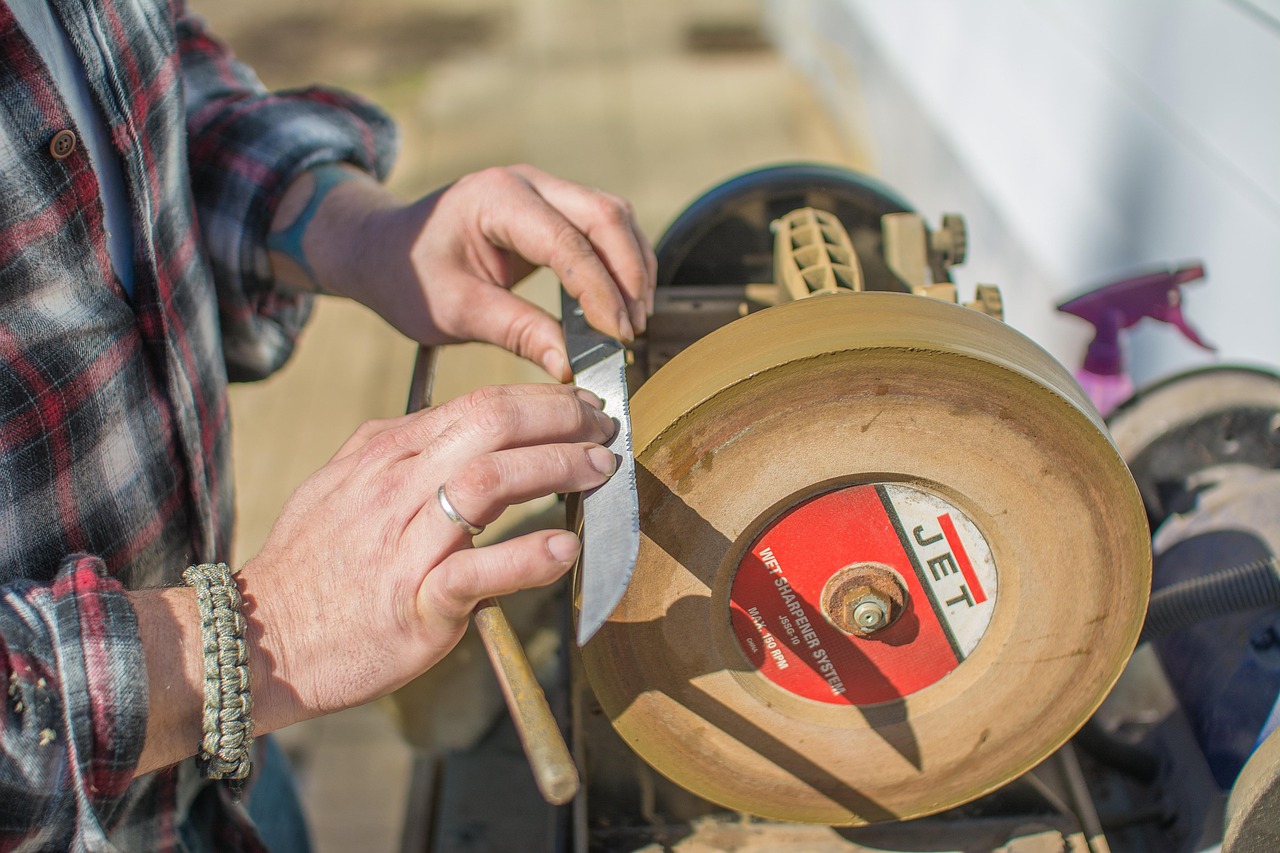
Safety First and Preparation
Before you begin sharpening your lawnmower blades, prioritizing safety is essential. A mower blade is a heavy, sharp tool, and the maintenance process involves working with metal edges that can easily cause injury if handled improperly.
The most critical step is ensuring the mower cannot start while you are working. If you own a gas-powered mower, you must disconnect the spark plug wire. This simple action prevents the engine from turning over accidentally. For electric or cordless mowers, remove the battery pack entirely or ensure the power cord is completely unplugged from the outlet.
Once the power source is secured, gather the following protective gear to minimize risks:
- Heavy-duty work gloves: These are non-negotiable. They protect your hands from the razor-sharp cutting edge of the blade and prevent abrasions from the metal file.
- Safety glasses: As you file the metal, tiny shards and dust will fly. Protective eyewear prevents these metallic particles from entering your eyes.
- Stable workspace: Always work on a flat, level surface. If you are removing the blade to sharpen it, use a workbench or a sturdy table. If you are sharpening it while attached, ensure the mower is stabilized so it cannot tip over.
Before you start, clean the underside of the mower deck if you are working with the blade attached. Removing dried grass clippings and debris allows you to see the blade clearly and provides a better grip for your file. Take a moment to inspect the blade for deep cracks or excessive thinning. If the metal is severely damaged or bent, it is safer to replace the blade entirely rather than attempting to sharpen it, as a compromised blade can shatter during operation.
By following these preparation steps, you create a controlled environment that allows you to focus on achieving a clean, precise edge without compromising your personal safety.
Removing the Blade
Before you begin sharpening, you must safely remove the mower blade. Start by disconnecting the spark plug wire to ensure the engine cannot accidentally start while you are working. This is a critical safety step that should never be skipped.
Next, tilt the lawnmower to access the underside. It is vital to tilt the mower with the air filter and carburetor side facing upward. If you tilt it the wrong way, oil can seep into the carburetor or air filter, which may cause the engine to smoke or fail to start later.
Once the mower is secured, use the following steps to remove the blade:
- Stabilize the blade: Place a sturdy wooden block between the blade and the mower deck. This wedges the blade in place and prevents it from rotating while you apply pressure to the mounting bolt.
- Loosen the bolt: Use a socket wrench to turn the mounting bolt counter-clockwise. If the bolt is rusted or stuck, a quick spray of penetrating oil can help loosen the threads.
- Observe orientation: As you remove the blade, take a photo or note exactly how it is positioned. Most blades have a specific “grass side” or a contoured shape that must face downward toward the ground for proper cutting. Installing the blade upside down will result in poor performance and damaged turf.
After the bolt is removed, slide the blade off the drive shaft. Inspect the bolt and washer for any signs of wear or stripping before setting them aside. Keeping these components organized will make the reinstallation process much smoother once your blade is sharpened and balanced.
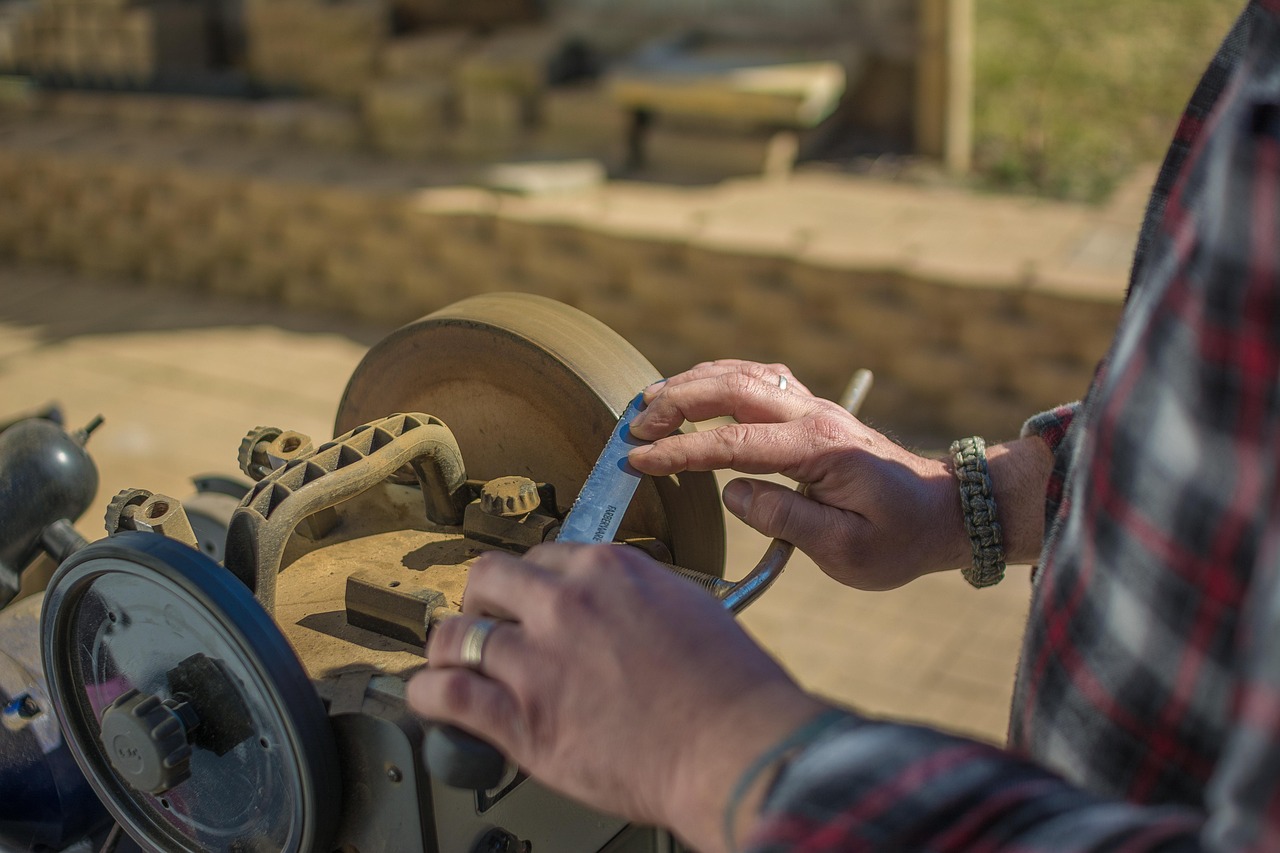
Sharpening Technique with a File
Before you begin, ensure the lawnmower is completely disconnected from its power source. If it is a gas mower, disconnect the spark plug wire to prevent accidental starting. Once the blade is removed, secure it firmly in a bench vise. Position the blade so the cutting edge is easily accessible and stable, which prevents slipping and ensures a consistent angle during the sharpening process.
Use a flat mill bastard file to sharpen the edge. Position the file against the blade at the same angle as the original factory bevel, which is typically between 30 and 45 degrees. If you are unsure of the exact angle, match the existing slope of the metal.
Follow these steps for a safe and effective sharpening session:
- Apply pressure correctly: Only apply pressure on the forward stroke. Lift the file slightly or pull it back lightly without pressure on the return stroke to preserve the life of the file teeth.
- Maintain a consistent rhythm: Use long, smooth strokes across the entire length of the cutting edge to ensure a uniform finish.
- Remove minimal metal: Only remove enough material to restore a sharp edge. Excessive grinding can weaken the blade or alter its structural integrity.
- Ensure balance: Balance is critical for mower health. Count your strokes on each side of the blade and remove an equal amount of metal from both ends. An unbalanced blade will cause excessive vibration, which can damage the mower’s engine bearings and deck.
After filing, check the edge for burrs. A light pass with a sharpening stone can remove any remaining rough metal, resulting in a cleaner cut for your grass. Before reinstalling the blade, test its balance by placing the center hole over a nail or a dedicated blade balancer. If one side drops, file a small amount more from the heavy side until the blade sits perfectly level. A sharp, balanced blade ensures a healthy lawn and a smooth-running mower.
Checking Balance and Reinstallation
Before reinstalling your blade, you must check its balance. An unbalanced blade creates excessive vibration, which can lead to premature engine failure, damaged spindle bearings, and an uneven cut on your lawn. A perfectly balanced blade is essential for both the longevity of your mower and the health of your grass.
To check the balance, you can use a dedicated blade balancer tool or a simple household method:
- Drive a nail into a wall or a wooden post in your garage or shed.
- Place the center hole of the sharpened blade over the nail.
- Observe how the blade hangs; it should sit perfectly horizontal.
If one side dips toward the floor, that side is heavier. Remove the blade and file a small amount of metal from the heavy side. Repeat this process, checking the balance after every few strokes of the file, until the blade remains level on the nail. Avoid removing too much material at once, as you cannot add metal back once it is gone.
Once the blade is balanced, prepare the mower for reinstallation:
- Clear away any grass clippings or debris from the mower deck and the mounting surface.
- Align the blade with the mounting post, ensuring the cutting edge faces the direction of rotation.
- Insert the bolt and tighten it securely using a wrench. If you have a torque wrench, consult your owner’s manual for the specific manufacturer’s torque specifications to prevent overtightening.
- Double-check that the blade is seated properly and does not wobble.
Finally, reconnect the spark plug wire. This is a vital safety step that ensures the mower cannot accidentally start while you are working near the cutting deck. Once the wire is snapped back into place, your mower is ready for a smooth, efficient cut.

Maintenance Tips and When to Replace
Regular maintenance is essential for a healthy lawn and a long-lasting mower. You should inspect your blade for sharpness at the start of every mowing season and immediately after hitting rocks, thick roots, or hidden debris. A dull or damaged blade tears the grass rather than cutting it cleanly, which can leave your lawn vulnerable to disease and pests.
While filing can restore a dull edge, it is not a cure-all for severe damage. You must prioritize safety and performance by knowing when to retire a blade. Inspect the metal closely for the following warning signs:
- Deep gouges or notches: Significant impacts can create large craters that filing cannot safely remove without compromising the metal’s integrity.
- Cracks: Any visible hairline fracture is a major safety hazard. A cracked blade can shatter at high speeds, causing serious injury or machine damage.
- Significant metal loss: If the blade has been sharpened so many times that it is noticeably thinner or shorter than the original design, it will no longer create the necessary airflow to lift grass for a clean cut.
- Excessive rust or pitting: Deep corrosion weakens the structural composition of the steel.
If your blade shows any of these signs, replace it immediately with a new, manufacturer-approved part. Attempting to sharpen a compromised blade is dangerous and will lead to an uneven, unsightly lawn.
If you feel uncomfortable using metal files or power tools, or if you are unsure about the structural integrity of your blade, do not hesitate to seek help. Consult a professional lawn equipment technician to perform the inspection or replacement for you. A small service fee is a worthwhile investment to ensure your mower operates safely and efficiently throughout the season. Remember, a well-maintained tool is the foundation of a thriving, professional-looking home garden.

Dedicated team of gardening enthusiasts with years of hands-on experience testing lawn mowers, gardening tools, and outdoor equipment. We help home gardeners and professionals alike make informed buying decisions with honest, thorough reviews. From push mowers to pruning shears, we test it all so you don’t have to. Got a gardening tool you’d like us to review? Get in touch!