
To sharpen blades on a Cub Cadet XT1, you must first remove the mower deck or safely tilt the unit to access the blade bolts. A dull mower blade tears grass rather than cutting it, which leads to unsightly brown tips and an unhealthy lawn that is more susceptible to disease and pests.
Maintaining sharp blades is essential for a clean, professional-looking cut every time you mow. While the process is straightforward, it requires the right tools and strict adherence to safety protocols to prevent injury. Expect to spend about an hour on this maintenance task, ensuring your equipment remains in peak operating condition all season.
This guide walks you through the entire process of removing, sharpening, and reinstalling the blades on your Cub Cadet XT1 safely and efficiently. We will cover the necessary safety gear, the best sharpening tools for the job, and how to balance your blades to prevent damaging vibrations that can harm your mower’s engine over time.
Essential Safety Precautions Before You Begin
Working on your Cub Cadet XT1 requires focus and a strict adherence to safety protocols. Because you are dealing with heavy machinery and razor-sharp components, taking shortcuts can lead to serious injury. Before you even reach for a wrench, ensure your workspace is secure and your equipment is completely immobilized.
The most critical step is preventing accidental ignition. Even if the key is removed, a mower can start if the blade is turned manually, creating a dangerous kickback. Always disconnect the spark plug wire and tuck it away from the plug terminal. This simple action serves as your primary safeguard against the engine firing unexpectedly.
Next, prepare your environment and gear. Your safety depends on preparation:
- Surface stability: Park the XT1 on a flat, level concrete surface. Using a jack or lift on an incline is a recipe for disaster.
- Parking brake: Always engage the parking brake firmly to prevent the mower from rolling while you are underneath.
- Hand protection: Wear thick, heavy-duty leather work gloves. These provide the necessary grip and protect your skin from the cutting edges of the blades.
- Eye protection: Metal filings and debris can fly at high speeds during the sharpening process. ANSI-rated safety glasses are mandatory.
If you are using a jack to lift the front of the mower, never rely solely on the hydraulic pressure of the jack. Always place sturdy jack stands under the frame of the mower to support the weight. Give the mower a firm nudge before crawling underneath to ensure it is rock-solid and will not shift.
Finally, clear the area of children, pets, and distractions. If you are working in a garage, ensure there is adequate lighting so you can clearly see the blade orientation and the condition of the mounting bolts. By prioritizing these precautions, you ensure that your maintenance routine remains a productive task rather than a trip to the emergency room. Never rush the setup phase; a few extra minutes spent securing the mower is a small price to pay for your personal safety.
Removing the Mower Deck and Blades
Before you begin, park your Cub Cadet XT1 on a flat, level surface. Engage the parking brake, turn off the ignition, and remove the key. For maximum safety, disconnect the spark plug wire to prevent any accidental engine starts while you are working near the blades.
To access the blades, you must remove the mower deck from the tractor frame. Consult your specific owner’s manual for the exact configuration of your model, as attachment points can vary. Generally, you will need to:
- Lower the deck to its lowest position using the height adjustment lever.
- Release the deck lift links and disconnect the deck engagement cable.
- Slide the drive belt off the electric clutch pulley.
- Remove the retaining pins and slide the deck out from under the side of the tractor.
Once the deck is clear, carefully tilt it onto its side. Always ensure the discharge chute is facing upward to avoid damaging the plastic or putting unnecessary pressure on the hinges. With the underside exposed, you can now reach the mounting hardware.
Blades are held in place by a center bolt attached to the spindle. Because the blade will spin freely if you simply pull on the wrench, you must secure it first. Place a sturdy block of wood between the blade edge and the deck housing; this acts as a wedge, preventing the blade from rotating as you apply force.
Using a socket wrench with a long handle for better leverage, turn the center bolt counter-clockwise to loosen it. If the bolt is stubborn due to rust or dried grass buildup, a quick spray of penetrating oil can help. Once the bolt is removed, slide the blade off the spindle. Inspect the bolt and washer for wear before setting them aside in a safe place, as you will need them for reinstallation after sharpening.

Sharpening Your Cub Cadet Blades
Before you begin, thoroughly inspect your Cub Cadet XT1 blades for structural damage. Look closely for deep cracks, heavy pitting, or bent metal. If you find significant damage, do not attempt to sharpen the blade; replace it entirely to ensure your safety and the integrity of your mower deck.
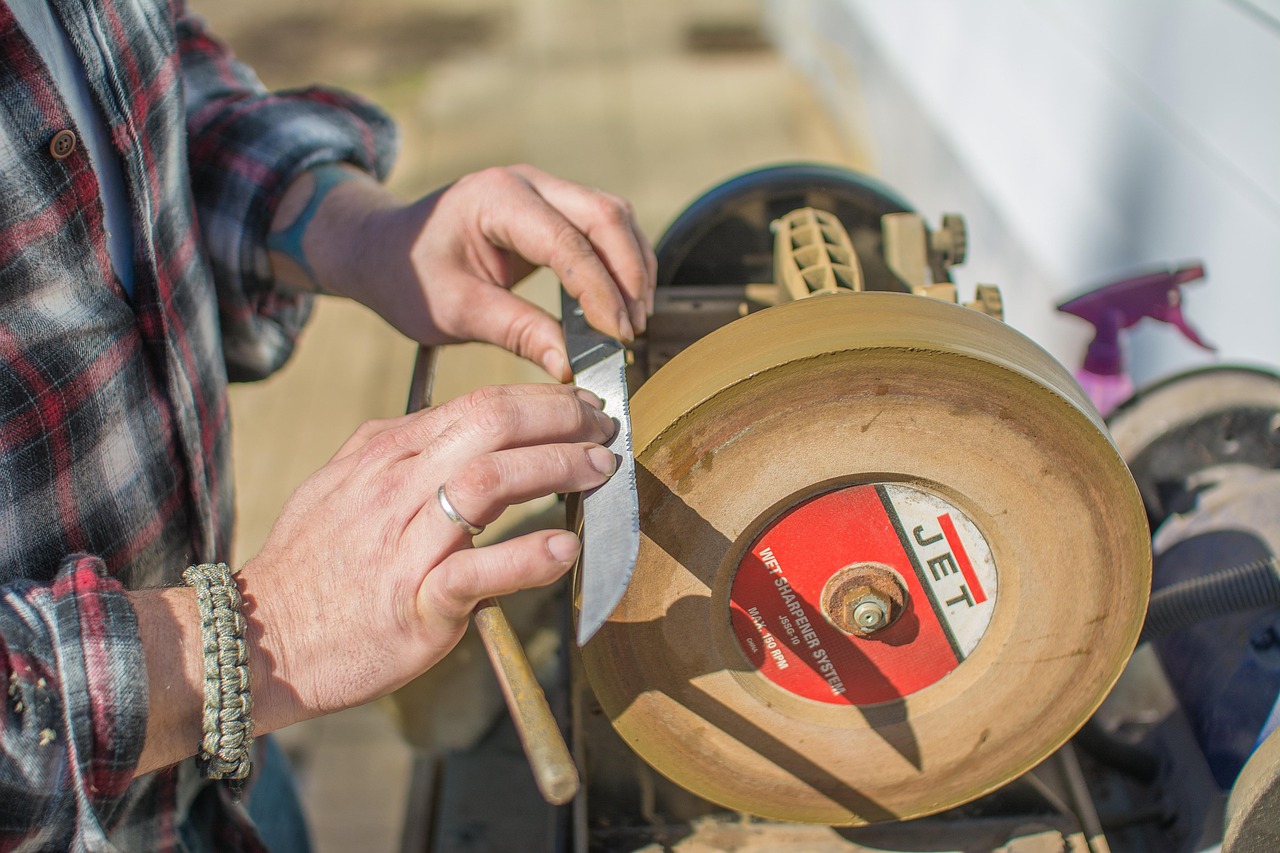
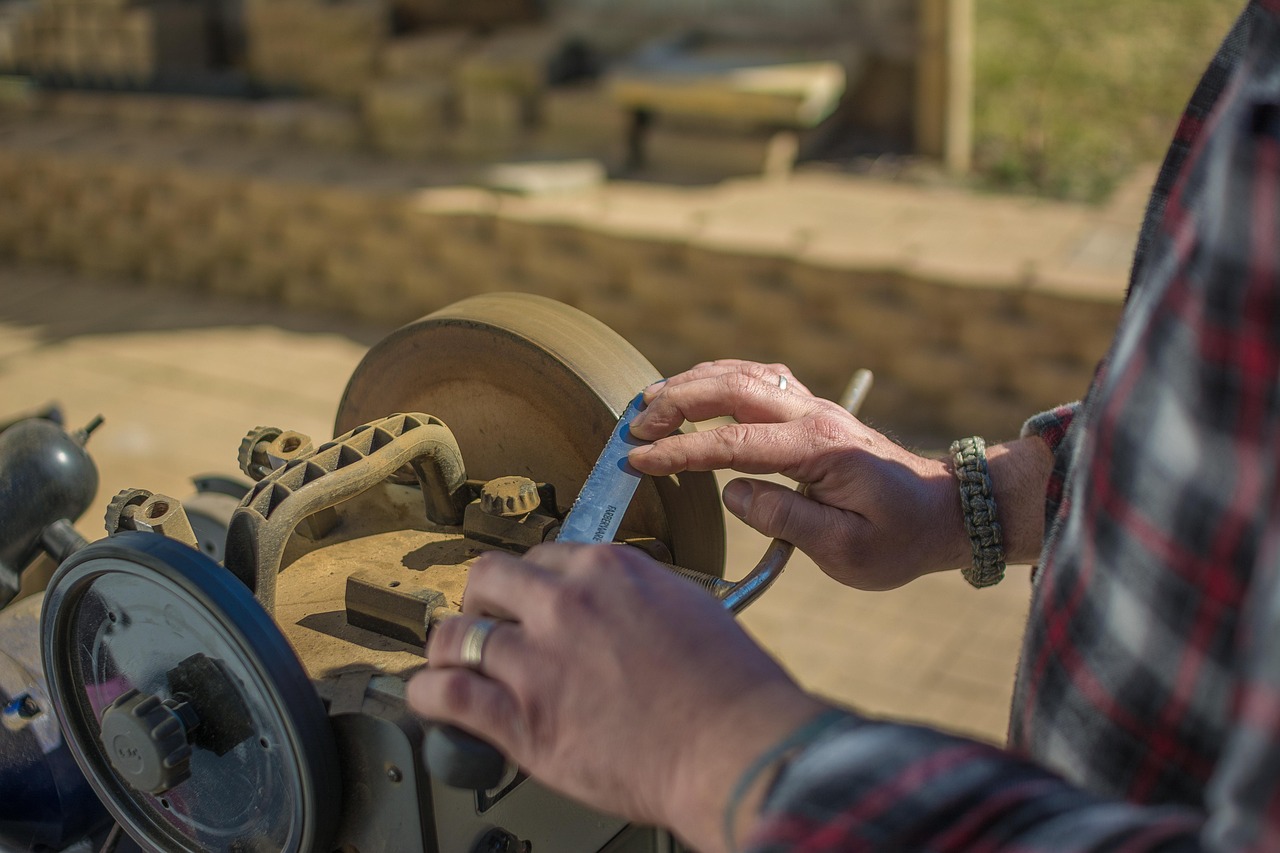
If the blades are structurally sound, you can sharpen them using a metal file or a bench grinder. Follow these steps for the best results:
- Maintain the angle: Always follow the original factory bevel angle. This ensures the blade cuts efficiently and maintains its intended strength.
- Remove minimal material: Only remove enough metal to restore a sharp edge. Taking off too much material will weaken the blade and shorten its lifespan.
- Balance is critical: You must remove equal amounts of metal from both sides of the blade. An unbalanced blade will cause severe vibrations that can damage your mower’s spindle bearings and engine components.
Once you have finished sharpening, use a dedicated blade balancer tool to verify that the blade sits perfectly level. Simply place the center hole of the blade onto the balancer’s cone. If one side drops, it is too heavy; remove a small amount of additional metal from that side and retest until it sits perfectly horizontal.
Safety should remain your top priority throughout this process. Always wear heavy-duty work gloves to protect your hands from sharp edges, and use safety goggles to shield your eyes from flying metal filings or sparks if you are using a bench grinder. If you are ever unsure about the balance or the structural integrity of your blades, it is safer and more cost-effective in the long run to install a new set. A sharp, balanced blade not only provides a cleaner cut for a healthier lawn but also reduces the overall strain on your Cub Cadet XT1’s drivetrain, ensuring your equipment performs reliably for many seasons to come.
Reinstalling the Blades and Mower Deck
Before reinstalling your blades, take a moment to clean the spindle area. Use a stiff brush or a putty knife to remove dried grass clippings, dirt, and debris from the underside of the deck and around the spindle housing. A clean deck prevents moisture buildup and reduces the risk of rust, which helps your mower perform more efficiently.
When you are ready to reattach the blades, ensure they are oriented correctly. The cutting edge must face the direction of rotation, which is typically toward the rear of the deck. Align the center hole of the blade with the star or mounting pattern on the spindle shaft. If the blade does not sit flush against the spindle, do not force it; adjust the position until the mounting pattern locks securely into place.
Follow these steps to complete the installation safely:
- Hand-tighten the bolts: Thread the center bolts by hand to ensure they are not cross-threaded.
- Apply proper torque: Use a torque wrench to tighten the bolts to the specific foot-pounds listed in your Cub Cadet XT1 owner’s manual. Overtightening can damage the spindle, while undertightening is a significant safety hazard.
- Reattach the deck: Slide the mower deck back under the tractor and reconnect the lift links and mounting pins.
- Install the drive belt: Route the belt carefully around the pulleys, ensuring it sits properly in the grooves.
- Reconnect the spark plug: Only after the deck is fully secured and the belt is positioned should you reattach the spark plug wire.
Once everything is reconnected, perform a final check to ensure no tools were left on the deck. Move the tractor to a flat, clear area of your lawn. Engage the blades at a low throttle to listen for any unusual vibrations or metallic sounds. If the mower runs smoothly, you are ready to resume your regular maintenance schedule. If you notice excessive vibration, stop the engine immediately and double-check that the blades are balanced and the bolts are fully tightened.
Maintenance Tips and When to Seek Professional Help
Consistent blade maintenance is essential for a healthy lawn and a long-lasting Cub Cadet XT1. Sharp blades provide a clean, precise cut that helps grass recover quickly. Dull blades, by contrast, tear the grass, leaving ragged tips that turn brown and invite disease.
As a general rule of thumb, you should sharpen your mower blades every 20 to 25 hours of operation. However, you should inspect them sooner if you notice the grass looks frayed or uneven immediately after mowing. If you frequently mow over sandy soil or debris, you may need to sharpen them more often to maintain performance.
To keep your equipment in top shape, follow these routine maintenance practices:
- Clean the underside of the mower deck after every use to prevent grass buildup, which can trap moisture and cause premature rust.
- Inspect the blades for deep nicks, cracks, or significant metal loss during every cleaning.
- Always disconnect the spark plug wire before working near the blades to ensure the engine cannot accidentally start.
While sharpening is a manageable DIY task for many homeowners, certain conditions require the expertise of a professional. Do not attempt to fix the mower yourself if you notice any of the following:
- Excessive Vibration: If the mower vibrates heavily even after the blades are balanced and tightened, there may be an underlying issue with the drive system.
- Bent Spindles: If the blade spins unevenly or the spindle shaft appears crooked, it requires specialized repair to prevent further damage to the deck.
- Damaged Blade Mounts: If the mounting hardware is stripped or cracked, the blade may not seat properly, creating a significant safety hazard.
If you encounter these problems, contact a certified Cub Cadet service center. Attempting to operate a mower with structural damage can lead to costly repairs or serious injury. By staying proactive with your cleaning and sharpening schedule, you ensure your XT1 remains reliable throughout the entire growing season.

Dedicated team of gardening enthusiasts with years of hands-on experience testing lawn mowers, gardening tools, and outdoor equipment. We help home gardeners and professionals alike make informed buying decisions with honest, thorough reviews. From push mowers to pruning shears, we test it all so you don’t have to. Got a gardening tool you’d like us to review? Get in touch!