
Dull mower blades tear grass instead of cutting it, which leads to unsightly brown tips and an overall unhealthy lawn. Learning how to sharpen your Craftsman riding mower blades is a straightforward maintenance task that significantly improves your machine’s cut quality, fuel efficiency, and long-term performance during the busy growing season.
While professional sharpening services are available, performing this task at home saves money and ensures you are ready whenever your lawn needs attention. You do not need expensive specialized equipment to achieve a clean edge, though you must prioritize safety and precision to avoid damaging the blades or affecting your mower’s deck balance.
This guide covers the essential steps to safely remove, sharpen, and reinstall your blades for a professional-grade finish. We will walk you through the necessary tools, proper grinding techniques, and critical safety precautions required for the job. Follow these practical instructions to keep your Craftsman riding mower running smoothly all year long.

Safety First and Preparation
Before you begin sharpening your Craftsman riding mower blades, your primary focus must be safety. Performing maintenance on heavy machinery requires a disciplined approach to prevent accidental injury or equipment damage. Taking these precautions ensures you can complete the task efficiently and safely.
Start by maneuvering your mower onto a flat, level surface. This prevents the machine from rolling while you work. Once positioned, engage the parking brake firmly. Turn off the ignition and remove the key from the console; keep the key in your pocket to ensure no one else can accidentally start the engine while you are working underneath the deck.
The most critical step in preventing accidental engine rotation is disconnecting the spark plug wire. Locate the spark plug on the engine block and pull the wire boot firmly off the terminal. Move the wire far enough away so that it cannot make accidental contact with the plug. Without this connection, the engine cannot fire, providing a vital layer of protection during the maintenance process.
Preparation also involves protecting your body from the physical hazards of blade maintenance. Mower blades are not only sharp but can also be covered in debris and dried grass. Follow these guidelines before touching any tools:
- Wear heavy-duty work gloves: Use thick leather or cut-resistant gloves to protect your hands from the razor-sharp edges of the blades and potential metal burrs.
- Use safety glasses: Always wear ANSI-rated safety goggles. When you begin sharpening, metal filings and debris can fly at high speeds, posing a significant risk to your eyes.
- Clear your workspace: Ensure the area around the mower is free of tripping hazards, such as garden hoses, tools, or loose debris.
By following these preparatory steps, you create a controlled environment that minimizes risk. Never attempt to sharpen blades while they are still attached to a mower that has not been properly secured and disabled. Taking these few minutes now will allow you to focus entirely on achieving a clean, precise edge on your blades.
Removing the Mower Deck Blades
Before you begin, ensure the mower is parked on a flat, level surface. Disconnect the spark plug wire to prevent any accidental ignition while you are working near the blades. Safety is your top priority throughout this process.
To access the blades, you must first create enough clearance. Depending on your specific Craftsman model, you may be able to raise the mower deck to its highest position. However, if space remains limited, removing the deck entirely is the safest and most effective method. Consult your owner’s manual for the specific release pins or bolts required to drop the deck from the chassis.
Once you have access to the underside of the deck, follow these steps to remove the blades securely:
- Stabilize the blade: Insert a sturdy block of wood between the blade and the inner edge of the mower deck. This wedges the blade in place, preventing it from rotating while you apply pressure to the bolt.
- Loosen the bolt: Use a socket wrench with the appropriate size bit to loosen the bolt securing the blade to the spindle. Turn the wrench counter-clockwise. If the bolt is rusted or stuck, a penetrating oil like WD-40 can help loosen the threads.
- Document orientation: Before fully removing the blade, take a quick photo or note its exact orientation. Blades are typically beveled on one side; installing them upside down will prevent the mower from cutting grass effectively.
After the bolt is removed, carefully slide the blade off the spindle. Inspect the mounting hardware for any signs of excessive wear or damage. If the spindle or bolt shows significant corrosion, consider replacing these parts before reinstalling your sharpened blades. Keeping these components in good condition ensures a smooth, balanced cut and extends the overall lifespan of your Craftsman riding mower. Always wear heavy-duty work gloves during this process, as mower blades are sharp and can easily cause injury even when dull.

Sharpening the Blades
Before you begin sharpening, thoroughly inspect your Craftsman mower blades. Look closely for deep nicks, heavy rust, or structural cracks. If a blade shows signs of severe damage or structural compromise, do not attempt to sharpen it; replace the blade entirely to ensure safe operation.
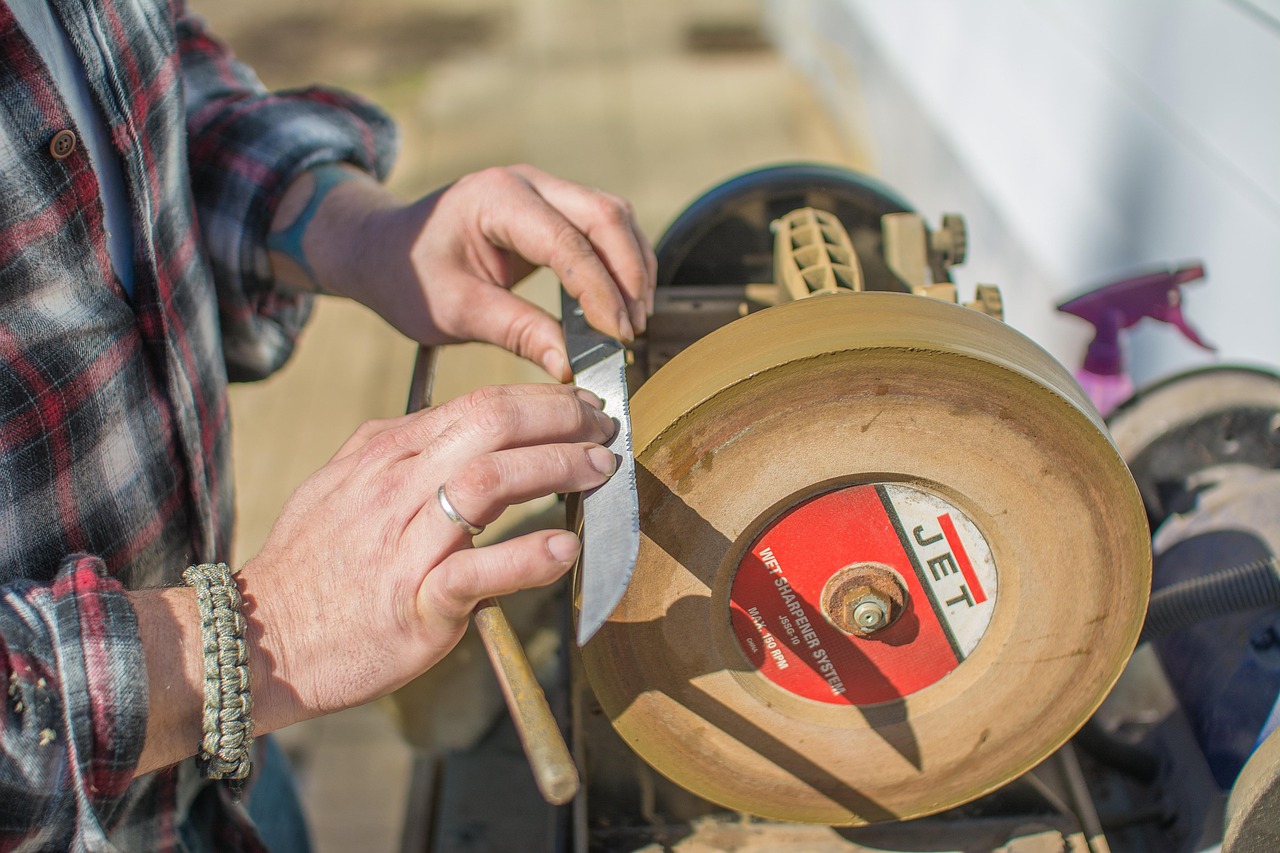
For standard maintenance, you can use either a flat metal file or a bench grinder. If you choose a bench grinder, keep a bucket of water nearby to cool the metal frequently. Overheating the steel can cause it to lose its temper, making the blade soft and unable to hold an edge.
Follow these steps to ensure a professional result:
- Match the angle: Observe the existing bevel on the blade and match your tool to that specific angle. Removing excess metal is unnecessary and shortens the life of the blade.
- Maintain balance: This is the most critical step. You must remove an equal amount of material from both ends of the blade. An unbalanced blade will cause significant, harmful vibrations that can damage your mower’s spindle bearings and engine mounts.
- Check the balance: Once sharpened, hang the blade on a nail or a dedicated blade balancer tool. If one side drops, continue filing that side until the blade sits perfectly level.
Safety must remain your top priority throughout this process. Always disconnect the spark plug wire before working near the mower deck to prevent accidental starting. Wear heavy-duty leather gloves to protect your hands from the razor-sharp edges you are creating, and always wear safety glasses to shield your eyes from flying metal filings or debris.
By keeping your blades sharp and balanced, you ensure a clean cut that promotes lawn health. A dull blade tears grass rather than slicing it, which leaves the tips ragged, brown, and more susceptible to disease. Regularly maintaining your Craftsman mower blades will result in a healthier, more vibrant lawn throughout the growing season.
Balancing and Reinstallation
Once you have sharpened your blades, you must verify their balance before reinstallation. An unbalanced blade will wobble during operation, causing excessive vibration that can damage your mower’s spindle bearings and lead to an uneven cut across your lawn.
To check the balance, find a nail driven into a wall or use a dedicated cone-style blade balancer. Slide the center hole of the blade onto the support. If one side dips downward, that side is heavier. Use your metal file to remove a small amount of material from the heavy side, then retest. Repeat this process until the blade sits perfectly level.
Before reinstalling, ensure your workspace is safe and the mower is secured:
- Verify the spark plug wire is disconnected to prevent accidental engine ignition.
- Check that the blade is oriented correctly; most blades have a “grass side” or “bottom” stamp to ensure the cutting edge faces the direction of rotation.
- Clean the spindle surface of any debris or dried grass clippings to ensure a flush fit.
Position the blade onto the spindle shaft and thread the mounting bolts by hand to avoid cross-threading. Use a torque wrench to tighten the bolts to the exact specifications found in your Craftsman owner’s manual. If you do not have a torque wrench, ensure the bolts are firm, but do not over-tighten, as this can strip the threads or crack the mounting hardware.
Finally, rotate the blades by hand one full turn to confirm they do not strike the mower deck or any internal baffles. If you hear any scraping, stop immediately and re-adjust the installation. Proper balance and secure mounting are essential for both the longevity of your machine and the health of your turf. A balanced blade slices through grass cleanly, whereas an unbalanced one tears the blades, leaving your lawn vulnerable to disease and browning.
Maintenance Tips and When to Seek Help
Consistent maintenance is the secret to a healthy lawn and a long-lasting mower. After every few mows, inspect the underside of your deck. Accumulated grass clippings hold moisture against the metal, which accelerates rust and causes premature deck corrosion. Use a plastic scraper or a stiff-bristled brush to remove this buildup, ensuring the airflow remains unobstructed for a cleaner cut.
Even with careful sharpening, your blades have a finite lifespan. You must replace them if you notice any of the following:
- The metal is heavily pitted or deeply gouged from hitting rocks or debris.
- The blade is visibly bent or warped.
- The cutting edge is worn down so thin that it can no longer hold a sharp profile.
- You experience persistent, harsh vibration after reinstallation, which indicates the blade is unbalanced or damaged beyond repair.
When purchasing replacements, always choose genuine OEM (Original Equipment Manufacturer) Craftsman parts. These are engineered specifically for your mower’s deck geometry and engine torque, ensuring safety and optimal performance.
Safety should always be your primary concern. If you are uncomfortable operating angle grinders or bench grinders, or if you lack the proper equipment—such as a blade balancer—to ensure the blade is perfectly level, do not attempt the work yourself. An improperly balanced blade can cause significant vibration, potentially damaging your mower’s spindle bearings and engine crankshaft.
If you find yourself in doubt, consult your local Craftsman service center or a professional lawn equipment technician. A professional can quickly balance, sharpen, or replace your blades with the precision required to keep your machine running smoothly. Investing in professional help for these specific tasks is often cheaper than repairing the mechanical damage caused by an improperly installed or unbalanced blade. Remember, a well-maintained mower not only cuts better but also keeps your lawn healthier by providing a clean, surgical slice through the grass blades rather than tearing them.

Dedicated team of gardening enthusiasts with years of hands-on experience testing lawn mowers, gardening tools, and outdoor equipment. We help home gardeners and professionals alike make informed buying decisions with honest, thorough reviews. From push mowers to pruning shears, we test it all so you don’t have to. Got a gardening tool you’d like us to review? Get in touch!