
To rid soil of gnats, you must dry out the top layer of your potting mix and use yellow sticky traps to catch adults. These persistent pests thrive in moist environments, so reducing watering frequency is the most effective way to interrupt their life cycle and stop them from reproducing in your home.
Fungus gnats are a common nuisance for indoor gardeners, often appearing when soil stays too damp for extended periods. While these tiny flies are generally harmless to established plants, they can damage delicate root systems if left unchecked. Understanding their behavior is essential for managing an infestation without resorting to harsh, toxic chemicals.
This guide explains how to identify these pests, effectively eliminate them using safe methods, and adjust your care routine to prevent them from returning. By following these practical steps, you will regain control over your indoor garden and create a healthier, bug-free environment for all your favorite houseplants to thrive throughout the year.

Identify and Assess the Infestation
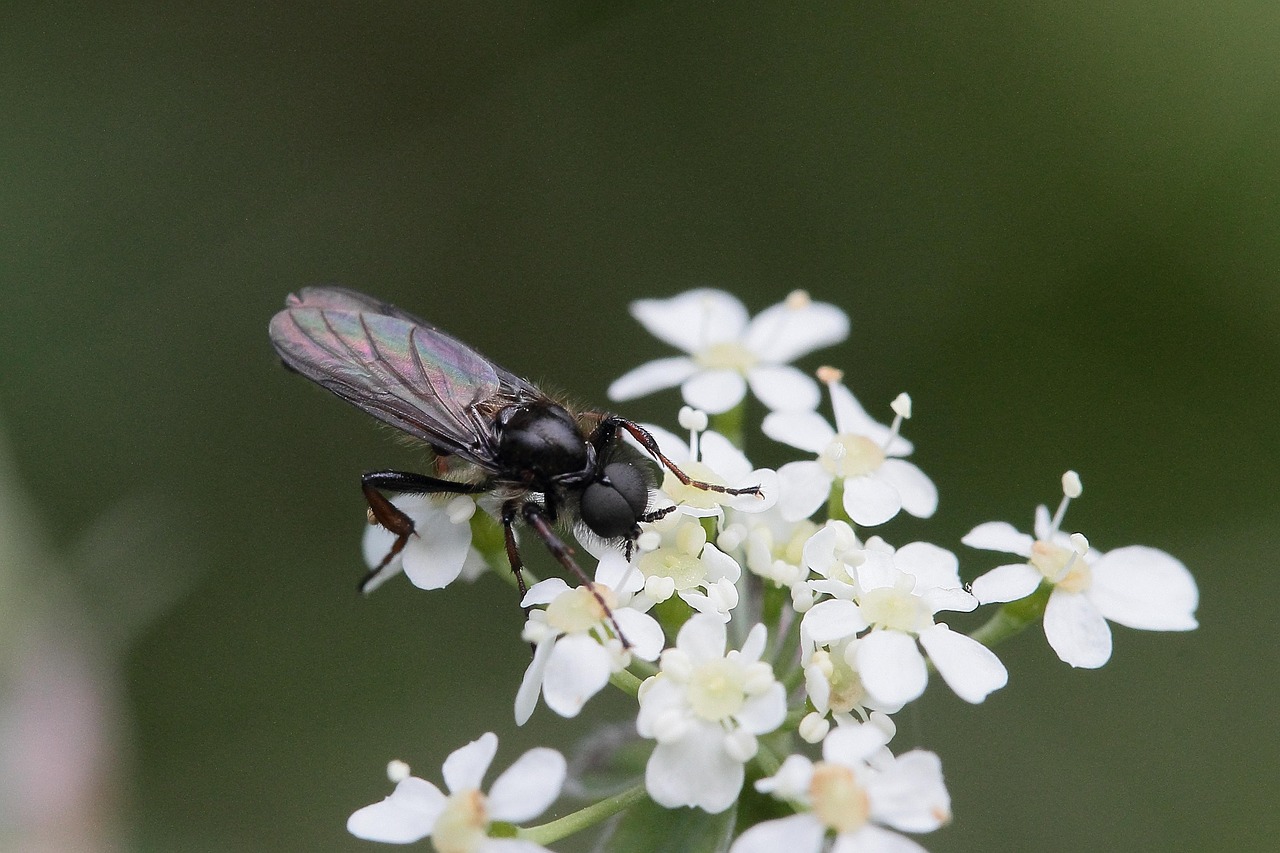
Before you begin any treatment, you must confirm that the pests hovering around your houseplants are indeed fungus gnats. These insects are often confused with fruit flies, but their behavior and habitat differ significantly. Fungus gnats are tiny, dark-colored flies that primarily congregate near the soil surface or rest on the undersides of leaves. Unlike fruit flies, which are attracted to ripening produce, fungus gnats are drawn to moisture and decaying organic matter within your potting mix.
To assess the severity of the infestation, perform a quick physical inspection of your plants:
- Observe movement: Gently tap the side of your pot. If small, dark flies immediately take flight and hover just above the soil, you likely have an active infestation.
- Check for larvae: Use a magnifying glass to examine the top inch of your soil. Fungus gnat larvae appear as tiny, translucent, worm-like creatures with distinct black heads.
- Inspect drainage: Check the saucer beneath your pot. If you notice flies congregating there, the soil is likely remaining too wet, providing an ideal breeding ground.
Once you have identified the presence of gnats, immediate action is necessary to protect your broader collection. Fungus gnats are prolific breeders, and a single infested plant can quickly spread the problem to every container in your home.
The first step is to isolate the affected plant immediately. Move it to a separate room or a different area of your home, away from your healthy houseplants. This quarantine prevents the adult flies from migrating to other pots to lay eggs. While in isolation, avoid watering the plant until the top two inches of soil have completely dried out. This simple adjustment disrupts the life cycle of the gnats, as the larvae require consistently moist conditions to survive. By confirming the infestation early and containing the spread, you make the subsequent treatment process significantly more effective and manageable.
Immediate Methods to Eliminate Larvae
To effectively rid your home of fungus gnats, you must break their life cycle by targeting the larvae residing in the soil. Because these pests thrive in damp, organic-rich environments, the most sustainable approach is to modify your watering habits.
Allow the top two inches of your potting soil to dry out completely between waterings. Fungus gnat larvae require consistent moisture to survive; when the soil becomes arid, they dehydrate and die. Before watering again, test the soil depth with your finger or a wooden skewer to ensure it is sufficiently dry beneath the surface.
If an infestation is severe, you can accelerate the process by using a hydrogen peroxide treatment. This method kills larvae on contact without harming your plants when applied correctly.
How to apply a hydrogen peroxide flush:
- Mix one part 3% hydrogen peroxide with four parts room-temperature water.
- Ensure your plant pot has adequate drainage holes to prevent root rot.
- Pour the solution slowly over the soil until it begins to drain from the bottom of the pot.
- You may notice a slight fizzing sound; this is a normal reaction as the peroxide oxidizes the organic matter and kills the larvae.
While this solution is safe for most houseplants, always test it on a small, inconspicuous area of the soil first if you are concerned about sensitive species. Because hydrogen peroxide breaks down into water and oxygen, it leaves no harmful chemical residues behind.
Safety is paramount when working with soil amendments. Always wear gardening gloves while handling soil or mixing treatments to protect your skin from potential irritation or bacterial exposure. Once you have finished treating your plants, wash your hands thoroughly with soap and warm water. By combining a strict drying-out schedule with a targeted peroxide flush, you can effectively eliminate the larvae and prevent the next generation of gnats from emerging.

Trapping Adult Gnats
While you treat the soil to eliminate larvae, you must simultaneously catch the flying adults to break the breeding cycle. Adult fungus gnats live for about a week, during which time they can lay hundreds of eggs in your potting mix. If you do not stop these adults, the infestation will continue indefinitely.
Yellow sticky traps are the most effective, non-toxic tool for this job. Fungus gnats are naturally attracted to the color yellow, which they mistake for a food source or a place to lay eggs. Once they land on the adhesive surface, they become trapped, preventing them from reproducing further.
To get the best results, follow these placement tips:
- Positioning: Place the traps as close to the soil surface as possible. Since gnats spend most of their time hovering near the damp potting mix, traps placed higher up on the plant stems will be far less effective.
- Stability: You can stick the traps directly into the soil using the provided stakes or lean them against the inner rim of the pot. Ensure they are secure so they do not fall over and stick to your plant’s foliage.
- Coverage: If you have a large collection of plants, place at least one trap in every infested pot. This creates a perimeter that catches adults as they emerge from the soil.
These traps serve a dual purpose: they act as both a control method and a monitoring tool. By checking the traps daily, you can gauge the severity of the infestation. If you notice a high number of gnats caught within 24 hours, you know your soil treatment needs to be more aggressive. Once the traps remain clear for several days, you can be confident that you have successfully interrupted the life cycle. Because these traps contain no pesticides, they are completely safe to use around pets and children, making them a staple in any indoor gardener’s toolkit.
Biological and Physical Barriers
The most effective way to stop a gnat infestation is to disrupt their reproductive cycle. Fungus gnats rely on the top layer of moist potting soil to lay their eggs. By creating a physical barrier, you make the soil inaccessible to adults, effectively breaking the breeding chain.
To implement this, apply a half-inch layer of decorative sand, fine gravel, or specialized horticultural grit directly over the surface of your potting mix. Ensure the layer is uniform and covers the entire soil area, leaving no gaps near the rim of the pot. This dry, abrasive surface is inhospitable to gnats, forcing them to look elsewhere or perish.
For persistent infestations that have already established a population in the root zone, physical barriers alone may not be enough. In these cases, incorporating a biological control is highly recommended:
- BTI (Bacillus thuringiensis israelensis): This is a naturally occurring bacterium that specifically targets the larvae of fungus gnats.
- Safety: BTI is non-toxic to humans, household pets, and the plants themselves, making it an ideal choice for indoor environments.
- Application: Typically available as “mosquito bits” or concentrated drops, you can dissolve the product in your watering can and apply it during your regular watering routine.
When using BTI, consistency is key. Because it only kills the larvae, you must continue the treatment for at least three to four weeks to ensure you catch the entire generation cycle. Combining this biological approach with a top-dressing of sand provides a dual-action defense that addresses both the existing larvae in the soil and the incoming adults attempting to lay new eggs.
Before applying any top-dressing, ensure your plant is not suffering from root rot caused by overwatering. If the soil remains perpetually soggy, the barrier will trap moisture and potentially worsen the health of your plant. Always allow the top inch of soil to dry out between waterings to further discourage gnat activity.
Long-Term Prevention and Troubleshooting
Preventing a recurring gnat infestation starts with mastering your watering routine. Fungus gnats thrive in moist, decaying organic matter, so the most effective long-term deterrent is allowing the top two inches of soil to dry out completely between waterings. This simple habit disrupts the insects’ life cycle, as larvae cannot survive in dry soil.
Proper container maintenance is equally critical. Ensure every pot has functional drainage holes to prevent water from pooling at the bottom, which creates a breeding ground for pests. If you use decorative cachepots, always empty excess water immediately after watering your plants.
If you continue to notice gnats several weeks after implementing treatment, the infestation may be deep within the root zone. In this scenario, a fresh start is often necessary:
- Repotting: Remove the plant and gently shake away the old, infested soil.
- Sanitization: Scrub the container thoroughly with hot, soapy water to eliminate any hidden eggs or larvae before reusing it.
- Sterile Medium: Always use fresh, high-quality potting mix. Avoid reusing soil from previously infested plants, as it likely contains dormant eggs.
Sometimes, what appears to be a simple gnat problem is actually a different pest, such as aphids or spider mites, which require different intervention strategies. If you find that your population of gnats remains overwhelming despite your best efforts, do not hesitate to seek expert advice.
Take a sample of the affected foliage or a photo of the insects to a local nursery professional. They can provide specific identification and recommend targeted, safe treatments tailored to your local environment. Remember, healthy plant care is a preventative process; by prioritizing soil aeration and consistent moisture management, you can keep your indoor garden thriving and pest-free for seasons to come.

Dedicated team of gardening enthusiasts with years of hands-on experience testing lawn mowers, gardening tools, and outdoor equipment. We help home gardeners and professionals alike make informed buying decisions with honest, thorough reviews. From push mowers to pruning shears, we test it all so you don’t have to. Got a gardening tool you’d like us to review? Get in touch!