
Fungus gnats are a common nuisance for houseplant owners, but they are manageable with the right approach. If you are struggling to rid your indoor plants of these persistent pests, you have come to the right place. These tiny flying insects thrive in damp soil, often appearing suddenly after overwatering your favorite greenery.
While seeing gnats buzzing around your living room is frustrating, it is important to remember that they rarely kill healthy, mature plants. However, their larvae can damage delicate root systems if left unchecked for too long. Understanding their life cycle is the most effective way to gain control and stop the infestation quickly.
This guide explains how to identify, eliminate, and prevent these pests using safe, practical methods to protect your indoor garden. We will walk you through simple, household-friendly solutions and long-term care habits. By following these actionable steps, you can restore your plants to health and enjoy a gnat-free home environment starting today.
Identifying the Problem
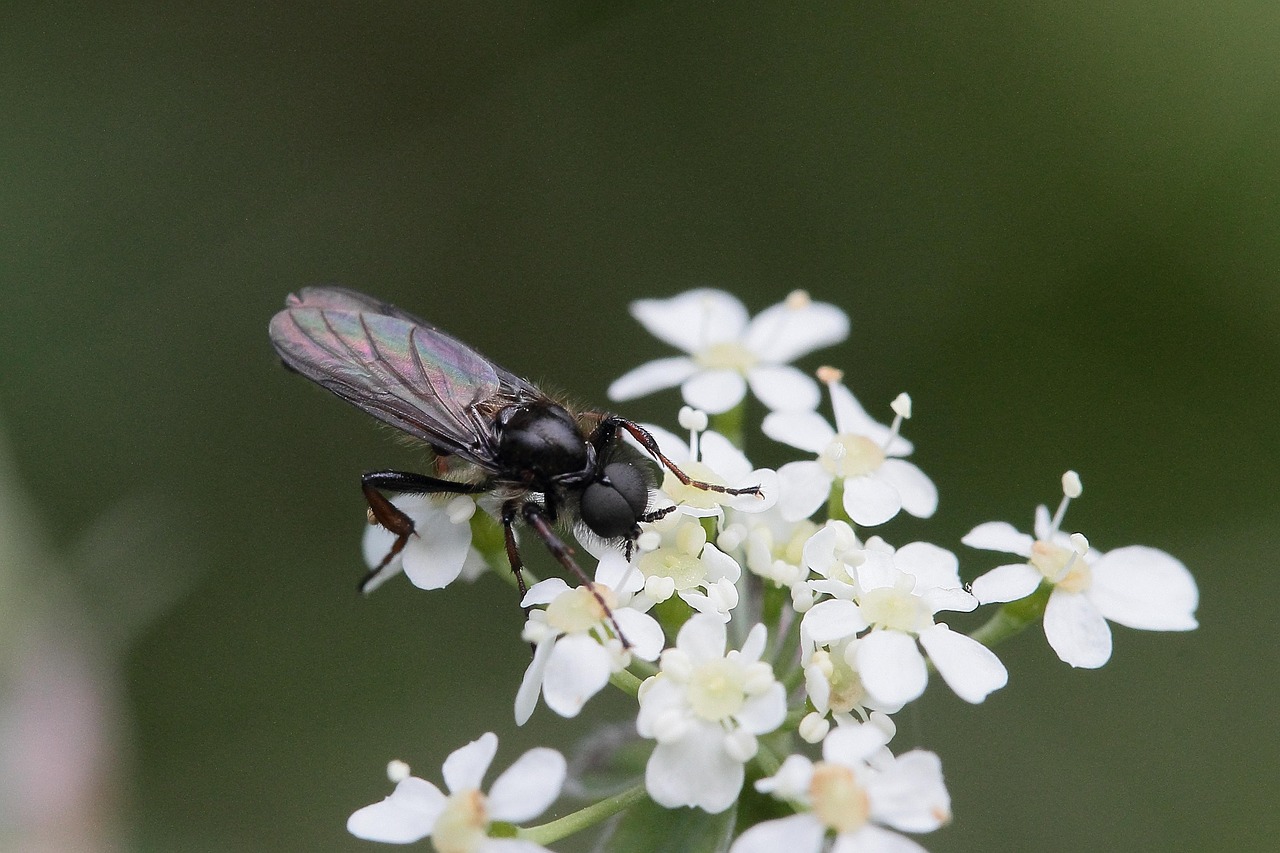
Before you begin treatment, it is essential to confirm that you are dealing with fungus gnats rather than other common houseplant pests like spider mites or aphids. The most reliable indicator is their behavior: fungus gnats are weak fliers that tend to hover directly above the soil surface or rest on the damp potting medium. If you disturb the plant and see a swarm of tiny, mosquito-like insects take flight, you have likely identified the culprit.
Fungus gnats are attracted to moisture and decaying organic matter. They are not merely a nuisance; they are a sign that your soil may be staying too wet, creating the perfect nursery for their development.
Understanding their life cycle is the secret to successful eradication. If you only target the flying adults, the infestation will return within days. To stop the cycle, you must address both stages:
- The Adult Stage: These are the visible, flying insects. While they do not bite humans or damage leaves, they lay hundreds of eggs in the top inch of moist soil.
- The Larval Stage: Once the eggs hatch, the larvae live in the soil and feed on organic debris and delicate plant roots. This is the stage that causes the most damage to your plant’s health.
Because the larvae live hidden beneath the surface while the adults reproduce in the air, a two-pronged approach is non-negotiable. You must eliminate the flying adults to stop egg-laying, while simultaneously treating the soil to kill the larvae before they mature. If you ignore the soil, you are simply waiting for the next generation to emerge. By breaking this cycle, you can effectively clear your indoor garden of these persistent pests and prevent them from returning. Always inspect new plants before bringing them home, as they are the most common way these gnats enter your living space.
Immediate Steps to Reduce Adult Populations
The most effective way to immediately lower the number of flying fungus gnats is by using yellow sticky traps. These bright yellow cards attract adult gnats, which become permanently stuck to the adhesive surface upon contact. By intercepting the adults before they can lay more eggs, you effectively disrupt the reproductive cycle of the infestation.
To use these traps safely and effectively, follow these steps:
- Remove the protective film from both sides of the sticky card.
- Attach the card to the provided stake or a small wooden skewer.
- Insert the stake into the potting soil near the base of the plant.
- Position the card horizontally just above the soil surface, as this is where adults congregate to lay eggs.
When placing the traps, be careful to avoid contact with the plant’s foliage. The adhesive is extremely strong and can tear leaves or damage delicate stems if they touch the surface. If your plant has dense growth, you may need to trim back lower leaves slightly to create a clear space for the trap.
It is important to understand that yellow sticky traps are primarily a monitoring tool. While they are excellent at catching flying adults, they do not address the root of the problem: the larvae living in the soil. These traps will help you gauge the severity of the infestation and track whether your other treatments are working, but they cannot eliminate the population on their own.
If you notice the trap becoming completely covered in gnats, replace it with a fresh one to keep the surface tacky. Continue using these traps alongside soil-focused treatments, such as letting the top inch of soil dry out completely between waterings or applying a biological control like Bacillus thuringiensis israelensis (BTI). By combining adult trapping with larval control, you will clear the infestation much faster than by using either method alone.

Treating the Soil to Eliminate Larvae
Fungus gnats thrive in moist, organic-rich soil, where they lay their eggs. To break their life cycle, you must target the larvae living beneath the surface. The most effective, non-chemical approach is to disrupt their habitat by controlling moisture levels.
Allow the top two inches of your potting soil to dry out completely between waterings. Fungus gnat larvae require consistent moisture to survive; by letting the soil dry, you create an inhospitable environment that kills the larvae without harming your plant.
If the infestation persists, you can use these targeted treatments:
- Hydrogen Peroxide Solution: Mix one part 3% hydrogen peroxide with four parts water. Pour this mixture into the soil until it runs out of the drainage holes. The peroxide reacts with organic matter to kill larvae on contact and quickly breaks down into harmless water and oxygen.
- Mosquito Bits (BTI): These contain Bacillus thuringiensis israelensis, a natural bacterium that specifically targets gnat larvae. Soak the bits in your watering can for at least 30 minutes before watering your plants, or sprinkle the granules directly onto the soil surface.
Consistency is key when treating soil. Because these methods primarily target larvae, you may need to repeat the process for two to three weeks to catch any remaining eggs as they hatch. Monitor your plants closely during this time to ensure the population is declining.
Safety Note: Always wear gloves when handling soil amendments, fertilizers, or chemical treatments to protect your skin. Keep all biological treatments, fertilizers, and household chemicals securely stored in a cool, dry place entirely out of reach of children and pets. If you have curious pets, ensure they cannot access the treated soil while it is drying, as some additives can cause digestive upset if ingested.
Cultural Practices for Long-Term Prevention
The most effective way to manage fungus gnats is to alter the environment so it no longer supports their life cycle. These pests thrive in consistently damp, decaying organic matter, so your primary goal is to keep the top layer of soil as dry as possible.
Start by evaluating your containers. Every pot must have functional drainage holes at the bottom. If a pot lacks these, water will pool at the base, creating a swampy environment that invites larvae. If you use decorative cachepots, always remove the plant to empty any excess water that has collected in the outer container after watering.
Adjust your watering routine to allow the top two inches of soil to dry out completely between waterings. This creates a hostile environment for larvae, which require moist soil to survive. You can test moisture levels by inserting your finger into the soil; if it feels damp, wait a few more days before adding water.
In addition to water management, maintain a clean growing environment:
- Clear debris: Regularly remove fallen leaves, spent blooms, and other dead plant matter from the soil surface. This material provides a food source for larvae.
- Use a physical barrier: Apply a half-inch layer of coarse sand, horticultural grit, or decorative gravel over the top of the soil. This prevents adult gnats from reaching the soil to lay their eggs and stops emerging adults from escaping.
- Improve airflow: Place plants in areas with good air circulation to help the soil surface dry out faster after watering.
By focusing on these cultural practices, you disrupt the breeding cycle of the gnats. While quick fixes like sticky traps can catch adults, these preventative measures address the root cause, ensuring your indoor garden remains a healthy, pest-free sanctuary for the long term. Consistency is key; once the soil surface remains dry and debris-free, the gnat population will naturally collapse.

Common Questions and When to Seek Help
Many gardeners worry that fungus gnats are destroying their plants. While the adult flies are primarily a nuisance, the larvae living in the soil feed on organic matter and can occasionally damage delicate root hairs, especially in younger plants. If your plant is established, it can usually tolerate a minor infestation, but persistent swarms indicate that the soil is staying too wet, which can lead to root rot.
You may wonder how long treatment takes. Because gnats have a rapid life cycle, you must be consistent. It typically takes two to four weeks of treatment to break the cycle, as you need to eliminate both the flying adults and the developing larvae in the soil.
If you have tried sticky traps, neem oil, and adjusting your watering schedule but the gnats persist, the infestation may be deep within the soil. At this point, the most effective solution is to completely repot the plant using fresh, sterilized potting mix. This removes the larvae and their food source entirely.
When repotting, prioritize your safety by following these simple steps:
- Work in a well-ventilated area, such as a balcony or patio, to avoid inhaling dust particles from dry potting mixes.
- Use a sharp, clean trowel to loosen the soil, handling it carefully to avoid accidental cuts or injury.
- Gently wash the roots with lukewarm water to remove old, infested soil before placing the plant in its new container.
If you choose to repot, remember that your plant will experience a period of shock. Keep it in a spot with bright, indirect light and avoid overwatering immediately after the transition. If you notice signs of severe wilting or if the infestation returns despite these efforts, it may be time to consult a local nursery or a professional plant specialist. Sometimes, a plant may be too compromised to save, and removing it from your collection is the best way to protect your other healthy houseplants from spreading the pests.

Dedicated team of gardening enthusiasts with years of hands-on experience testing lawn mowers, gardening tools, and outdoor equipment. We help home gardeners and professionals alike make informed buying decisions with honest, thorough reviews. From push mowers to pruning shears, we test it all so you don’t have to. Got a gardening tool you’d like us to review? Get in touch!