
Fungus gnats are a common nuisance for indoor gardeners, but they are relatively easy to manage with the right approach. If you are wondering how to rid my plants of gnats, the solution involves interrupting their life cycle by targeting both the flying adults and the larvae living within the damp soil surface.
Successfully eliminating these persistent pests requires patience and consistency rather than harsh chemicals. While seeing them hover around your favorite houseplants is frustrating, these insects are generally more of an annoyance than a fatal threat to your greenery. Understanding their breeding habits is the key to reclaiming your indoor garden from this infestation.
This guide explains how to identify these pests, eliminate them using safe methods, and adjust your care routine to prevent them from returning. We will cover effective techniques, such as adjusting your watering schedule and using natural traps, to ensure your plants remain healthy, vibrant, and completely free of pesky gnats for the long term.
Identifying Fungus Gnats and Why They Appear
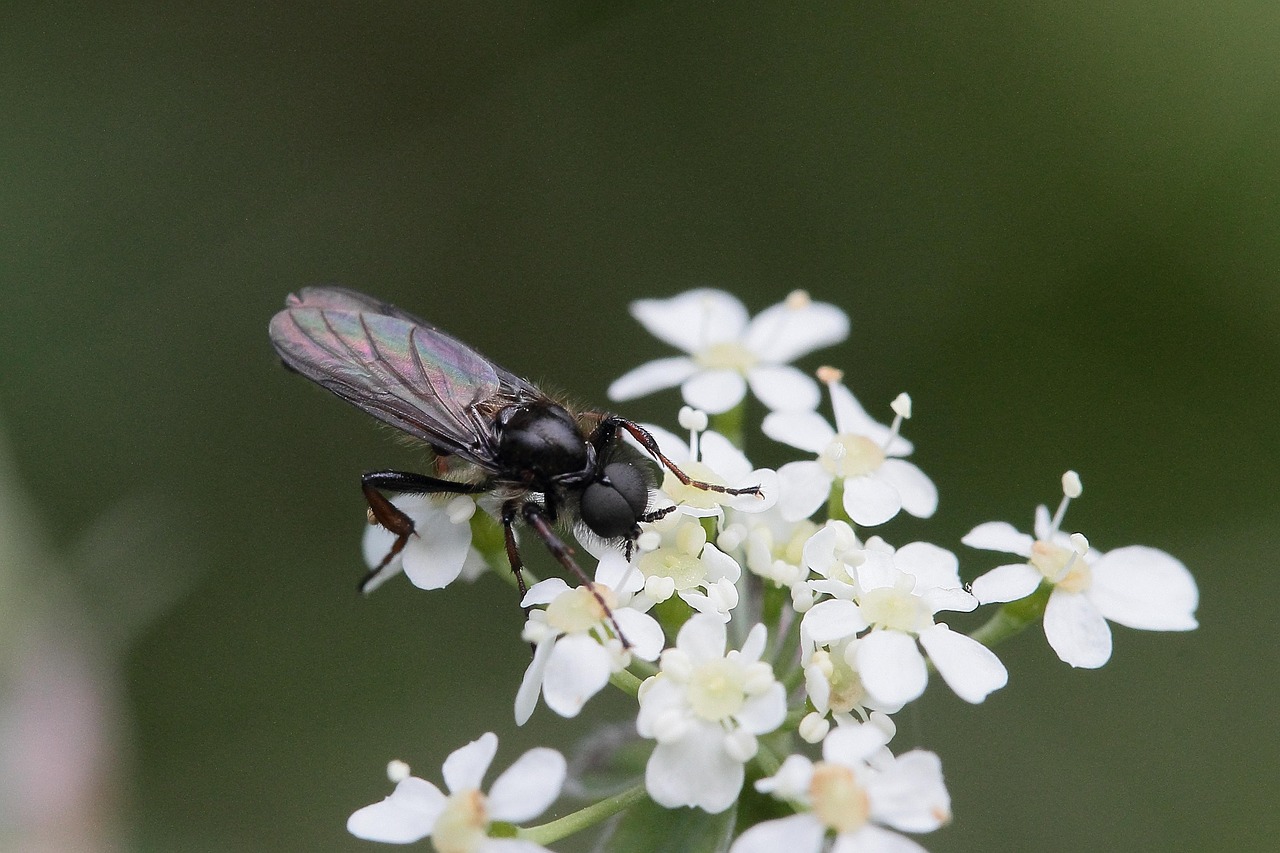
If you notice tiny, dark insects hovering around your houseplants, you are likely dealing with fungus gnats. While they are often mistaken for fruit flies, their behavior and habitat preferences are quite distinct. Fruit flies are typically drawn to ripening produce or fermenting organic matter in your kitchen, whereas fungus gnats remain strictly tethered to your potted plants.
Fungus gnats are slender, mosquito-like insects that thrive in damp environments. You will often see them crawling across the surface of your potting mix or fluttering erratically when you disturb the foliage. To confirm you have an infestation, look for these specific traits:
- Size and Color: They are roughly 1/8 inch long with delicate, greyish-black bodies and long, thin legs.
- Flight Patterns: Unlike fruit flies, which are strong fliers, fungus gnats are weak fliers that prefer staying close to the soil surface.
- Larval Activity: The real damage happens beneath the soil, where translucent, worm-like larvae feed on organic matter and tender root hairs.
The primary reason these pests appear is an overly moist environment. Fungus gnats require damp soil to lay their eggs, and the decaying organic matter found in rich potting mixes provides the perfect food source for their larvae. If your plants are constantly sitting in saturated soil, you are inadvertently creating an ideal nursery for these insects.
Poor drainage is the most common culprit behind a gnat outbreak. When water cannot escape the pot, the soil remains soggy for extended periods, encouraging the growth of the fungi that adult gnats find irresistible. By identifying them early, you can shift your focus toward moisture management.
The most effective way to break their life cycle is to allow the top two inches of your soil to dry out completely between waterings. This simple adjustment makes the environment inhospitable for eggs and larvae, effectively stopping the infestation at its source. Before reaching for chemical solutions, assess your watering habits and ensure your pots have adequate drainage holes to prevent future arrivals.
Immediate Steps to Stop the Infestation
The most effective way to eliminate fungus gnats is to disrupt their life cycle. These pests thrive in moist, decaying organic matter, which is why your potting soil is their primary breeding ground. By altering the environment, you can force them out of your home.
Start by letting the top two inches of your potting soil dry out completely between waterings. Fungus gnat larvae require consistent moisture to survive; when the surface layer becomes arid, the larvae will dehydrate and perish. Before watering again, stick your finger into the soil to ensure it is dry to the touch. If it still feels damp, wait another day or two.
While drying out the soil addresses the larvae, you must also target the adult gnats that are actively flying and laying new eggs. Yellow sticky traps are an essential tool for this stage of control. Because these pests are naturally attracted to the color yellow, these traps act as a highly effective visual lure.
Follow these steps to maximize the impact of your traps:
- Place the traps as close to the soil surface as possible, as this is where adult gnats congregate to lay eggs.
- Use small wooden stakes or clips to secure the traps so they do not blow over or stick to your foliage.
- Replace the traps once they are covered in insects or lose their adhesive quality.
Combining these two methods creates a two-pronged attack: the drying soil kills the next generation, while the sticky traps capture the current population. Consistency is key, so keep these measures in place for at least two to three weeks. Even if you stop seeing gnats after a few days, continue the drying cycle to ensure any remaining eggs do not hatch and restart the infestation. By staying diligent, you can restore your plants to health and prevent these persistent pests from returning to your indoor garden.

Effective Natural and Chemical Treatments
Addressing a fungus gnat infestation requires a dual-pronged approach that targets both the flying adults and the larvae living in the soil. To effectively eliminate the source of the problem, you must break the life cycle within the potting medium.
The most reliable biological control is Bacillus thuringiensis israelensis (BTI). This naturally occurring bacterium is highly effective against gnat larvae while remaining safe for pets, humans, and your plants. You can easily apply it by soaking a fragment of a mosquito dunk in your watering can for several hours. Use this treated water for your regular irrigation routine. Because BTI only targets larvae, you must continue this treatment for at least three to four weeks to ensure you catch every generation as they hatch.
If you prefer a botanical alternative, neem oil is a powerful option. When used as a soil drench, it disrupts the growth and development of larvae. To prepare this, mix high-quality, cold-pressed neem oil with water and a few drops of mild liquid soap to act as an emulsifier. Pour the mixture directly into the soil until it drains from the bottom of the pot.
When applying any treatment, follow these safety precautions:
- Always wear protective gloves to prevent skin irritation, especially when handling concentrated oils or bacterial solutions.
- Work in a well-ventilated area to avoid inhaling fine mists or strong odors.
- Dispose of any leftover mixture according to local guidelines; do not store diluted neem oil for long periods, as it loses efficacy quickly.
While chemical insecticides are available, they are often unnecessary for indoor houseplants. Natural methods like BTI and neem oil are generally sufficient to clear an infestation without introducing harsh toxins into your living space. If the population persists despite these efforts, inspect your plants for signs of root rot, as overly damp soil is the primary attractant for fungus gnats. Adjusting your watering schedule is the most effective way to prevent their return.
Preventative Care and Soil Management
The most effective way to eliminate fungus gnats is to stop them before they establish a colony. These pests thrive in consistently damp, stagnant soil, making moisture control your primary line of defense. By adjusting your watering habits and soil structure, you create an environment that is inhospitable to gnat larvae.
Start by evaluating your pots. Every container must have functioning drainage holes at the bottom. If water pools in the saucer or the base of the pot, the soil remains saturated, which is the perfect breeding ground for gnats. Always empty excess water from saucers within 30 minutes of watering.
Improving soil aeration is equally critical. Compacted, heavy soil holds moisture for too long. When repotting, mix in perlite, pumice, or coarse sand to increase drainage and airflow. This allows the root zone to dry out more evenly between waterings, effectively starving the larvae.
To discourage adult gnats from laying new eggs, consider these physical barriers:
- Horticultural Sand: Apply a thin, half-inch layer of coarse sand to the surface of the soil. This creates a dry, abrasive barrier that prevents adults from reaching the moist soil to deposit eggs.
- Decorative Gravel or Pebbles: Similar to sand, these materials allow water to pass through while keeping the top layer of the soil dry. Ensure the layer is thick enough to cover all exposed dirt.
- Avoid Organic Mulches: Steer clear of using leaf litter or wood chips on the surface of indoor pots, as these materials retain the moisture that gnats prefer.
Finally, practice the “soak and dry” method. Allow the top two inches of soil to dry out completely before watering again. Because fungus gnat larvae require moisture to survive, this simple drying cycle will often kill off an infestation without the need for harsh chemicals. By keeping the surface layer dry and the drainage clear, you remove the primary incentives for gnats to call your plants home.

Common Questions and When to Seek Help
A common concern among gardeners is whether fungus gnats actually harm their plants. Adult gnats are primarily a nuisance, flying around your home and landing on surfaces. However, the larvae living in the soil can feed on organic matter and delicate root hairs, especially in younger or weakened plants. While a minor infestation is rarely fatal, a large population can stunt growth and leave your plant vulnerable to root rot.
Patience is essential when treating an infestation. Because gnats have a multi-stage life cycle, you must break the cycle to see results. You should notice a significant decrease in flying adults within two weeks of consistent treatment, such as using yellow sticky traps and bottom-watering to keep the top layer of soil dry.
If you have diligently followed these treatment steps for three weeks without seeing a reduction in gnat activity, it is time to take more aggressive action. The most effective solution at this stage is to repot the plant entirely:
- Gently remove the plant from its current container.
- Discard all old, infested soil, as it likely contains eggs and larvae.
- Rinse the roots carefully to remove lingering debris.
- Repot the plant using fresh, high-quality, sterile potting mix.
- Ensure your new pot has adequate drainage holes to prevent future moisture buildup.
During this process, you may need to prune away damaged or decaying foliage. If you use shears or other sharp tools to trim your plants, always clean the blades thoroughly with rubbing alcohol before and after each cut. This simple practice is vital for preventing the spread of bacteria, fungi, and viruses between your plants.
If you continue to see gnats after repotting, check your other nearby houseplants. Often, an infestation persists because a secondary plant is acting as a hidden breeding ground. Inspect all greenery in the vicinity to ensure your home remains a healthy, pest-free environment for your botanical collection.

Dedicated team of gardening enthusiasts with years of hands-on experience testing lawn mowers, gardening tools, and outdoor equipment. We help home gardeners and professionals alike make informed buying decisions with honest, thorough reviews. From push mowers to pruning shears, we test it all so you don’t have to. Got a gardening tool you’d like us to review? Get in touch!