
Fungus gnats are a common indoor gardening nuisance, but they are easily managed with the right approach. To rid indoor plants of gnats, you must target both the flying adults and the larvae living in the soil. By disrupting their life cycle, you can quickly clear your home of these persistent, annoying pests.
It is important to understand that these tiny insects thrive in damp, organic-rich potting soil. While they rarely kill established plants, a large infestation can stress your greenery and become a major household irritation. Managing them requires patience and consistency, as you must treat the environment rather than just swatting the visible adults.
This guide explains how to identify the source of the infestation and use safe, effective methods to eliminate these pests and restore your plant’s health. We will cover simple DIY solutions, soil management techniques, and preventative care strategies. Follow these practical steps to reclaim your indoor garden and keep your plants thriving pest-free.
Identify and Confirm the Infestation
Before you begin any treatment, it is essential to confirm that you are dealing with fungus gnats rather than other common indoor plant pests. Misidentifying the problem can lead to ineffective remedies that may harm your plants.
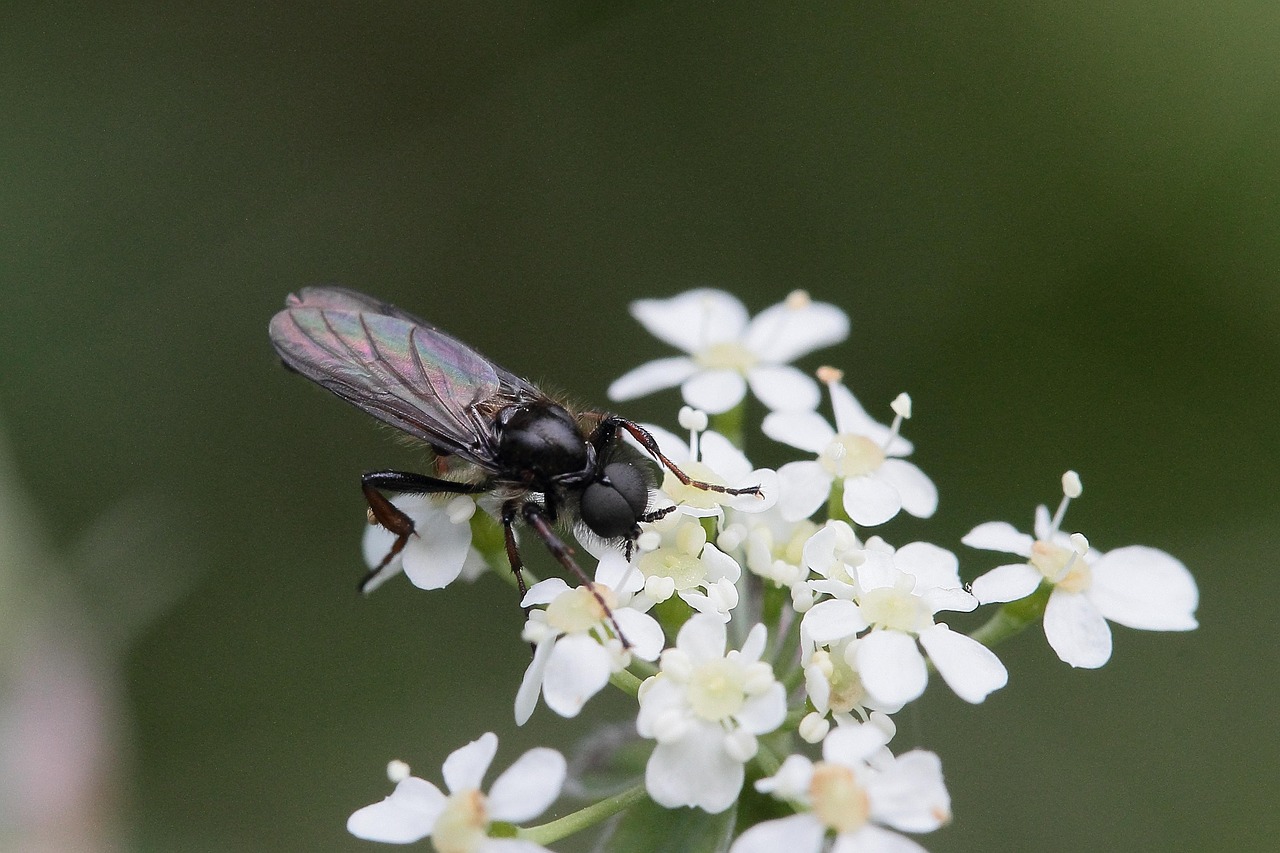
Fungus gnats are small, dark-colored flies that primarily congregate near the soil surface or around the base of your plants. If you shake the pot or disturb the foliage, you will often see them take flight in short, erratic bursts. Unlike aphids or spider mites, which typically cluster on leaves or stems, fungus gnats are almost exclusively soil-dwellers.
To confirm an infestation, perform a quick inspection of the top inch of your potting mix. Look for the following signs:
- Adults: Tiny, mosquito-like flies hovering near the pot or resting on the damp soil surface.
- Larvae: Very small, translucent, worm-like creatures with distinct black heads. These live in the top layer of the soil and feed on organic matter and delicate root hairs.
- Soil Activity: If you see movement within the soil when you water your plant, you likely have an active larval population.
It is easy to confuse these pests with other insects. If you notice fine webbing between leaves or stems, you are likely dealing with spider mites, not fungus gnats. Similarly, if you see sticky residue or small, pear-shaped insects on the undersides of leaves, you are likely looking at aphids or scale. Fungus gnats do not create webbing, nor do they feed on the plant’s foliage directly.
A simple way to monitor the population is to place a yellow sticky trap near the soil surface. Fungus gnats are highly attracted to the color yellow. If the trap catches tiny, dark flies within 24 hours, your diagnosis is confirmed. Once you are certain that fungus gnats are the culprits, you can move forward with targeted, safe treatment methods to clear your indoor garden.
Immediate Steps to Reduce Gnat Populations
The most effective way to eliminate a fungus gnat infestation is to disrupt their life cycle. Because these pests rely on moist soil to lay eggs and for their larvae to survive, your first priority is to alter the environment of your indoor plants.
Allow the top two inches of soil to dry out completely between waterings. When the surface remains consistently damp, it provides a perfect nursery for larvae. By letting the soil dehydrate, you effectively kill existing larvae and make the remaining soil inhospitable for new eggs. Before watering again, test the soil depth with your finger; if it still feels damp, wait another day or two.
While drying out the soil addresses the next generation, you must also tackle the adult gnats currently flying around your home. Use yellow sticky traps to capture these adults before they can mate and lay more eggs.
For the best results with sticky traps, follow these guidelines:
- Placement: Position the traps horizontally or vertically just above the soil surface. Gnats are most active near the base of the plant, so keeping the trap close to the soil line captures them more efficiently.
- Monitoring: Check the traps every few days. Once a trap is covered in insects, replace it with a fresh one to maintain its effectiveness.
- Maintenance: Continue using these traps for at least two to three weeks. This duration covers the entire life cycle of the gnats, ensuring that you catch adults as they emerge from the soil before they have a chance to reproduce.
Combining these two methods is a powerful, non-toxic approach to pest control. By starving the larvae through drought and trapping the adults, you can break the reproductive cycle quickly. Be patient and consistent; while you may see a drastic reduction in gnats within a week, maintaining these habits ensures the infestation does not return. Always ensure your pots have proper drainage holes to prevent future water retention issues.

Applying Natural Soil Treatments
When dealing with a persistent fungus gnat infestation, treating the soil is the most effective way to break the insect’s life cycle. Because larvae develop within the top inch of potting mix, focusing your efforts here stops the next generation before they can mature.
One of the safest and most effective solutions is using Bacillus thuringiensis israelensis (BTI). This is a naturally occurring bacterium that specifically targets the digestive systems of gnat larvae. It is highly effective while remaining completely harmless to your plants, pets, and household members.
To use BTI effectively:
- Purchase BTI in the form of “mosquito dunks” or granules.
- Soak a piece of a dunk in your watering can for several hours or overnight.
- Use this treated water for your regular watering routine.
- Repeat this process for at least three consecutive waterings to ensure you catch all emerging larvae.
If you prefer a physical rather than biological approach, you can create a mechanical barrier that prevents adult gnats from reaching the soil to lay their eggs. By altering the environment at the surface, you force the pests to look elsewhere.
To implement this barrier, follow these steps:
- Allow the top two inches of your potting soil to dry out completely, as larvae struggle to survive in arid conditions.
- Apply a half-inch layer of coarse sand, horticultural grit, or fine decorative gravel over the entire surface of the soil.
- Ensure the layer is uniform and reaches the edges of the pot so there are no gaps for adults to crawl through.
The coarse texture of the sand or gravel makes it impossible for female gnats to deposit their eggs into the moist soil below. Because the barrier is inorganic, it does not hold moisture like peat or coco coir, effectively “starving” the larvae of their preferred habitat. Combined with yellow sticky traps to catch the remaining flying adults, these methods will clear your indoor garden of gnats without the need for harsh chemical pesticides.
Safety Precautions and Best Practices
When addressing a fungus gnat infestation, your safety and the health of your plants must remain the top priority. Many pest control products, including neem oil or insecticidal soaps, can cause skin irritation. Always wear protective gloves when handling these substances to prevent direct contact with your skin.
Furthermore, if you are applying powdered amendments like diatomaceous earth, work in a well-ventilated area. Inhaling fine dust particles can irritate your respiratory system. If you suffer from asthma or allergies, consider wearing a dust mask during the application process to ensure your comfort and safety.
If the infestation is severe, repotting your plant is often the most effective solution. This process requires precision to avoid damaging the plant’s health. Follow these best practices for a successful transition:
- Use sterile tools: Clean your garden shears with rubbing alcohol before trimming. This prevents the spread of bacteria or fungi from one plant to another.
- Trim carefully: Identify and remove only the roots that are mushy, slimy, or discolored. Healthy roots should remain firm and light in color.
- Choose quality soil: Always use fresh, high-quality, sterile potting mix. Avoid reusing old soil, as it may contain dormant gnat eggs or larvae that will quickly restart the cycle of infestation.
- Ensure drainage: Confirm that your pot has adequate drainage holes. Excess moisture is the primary driver of fungus gnat growth, so preventing water from pooling at the bottom of the container is essential.
After repotting, monitor your plant closely for a few weeks. Avoid overwatering, as the top inch of soil should be allowed to dry out completely between waterings. This simple change in your maintenance routine creates an environment where gnats struggle to survive, effectively breaking their reproductive cycle. By combining these safety measures with careful plant hygiene, you can restore your indoor garden to a healthy, pest-free state without relying on harsh, unnecessary chemicals.

Follow-Up Care and When to Seek Help
Successfully eliminating fungus gnats requires patience and consistent monitoring. Even after you no longer see adults flying around your plants, dormant eggs or larvae may still reside within the potting medium. Continue your modified watering schedule for at least three to four weeks, ensuring the top two inches of soil dry out completely between waterings. This prevents the moist environment necessary for the next generation of gnats to thrive.
If you notice the population rebounding despite your efforts, the infestation may be too deep-seated in the soil. In this case, repotting is the most effective solution. Gently remove the plant from its container, shake away as much of the old, contaminated soil as possible, and rinse the roots under lukewarm water. Replant it in a fresh, high-quality potting mix, ensuring you use a container with adequate drainage holes to prevent future moisture buildup.
While you monitor your plants, keep an eye out for these warning signs that indicate the problem requires professional intervention:
- Persistent wilting: If the plant continues to droop despite proper watering, the larvae may have damaged the root system.
- Discoloration: Yellowing leaves or stunted growth often signal that the plant is struggling to absorb nutrients due to root distress.
- Foul odors: A sour or musty smell emanating from the soil is a strong indicator of root rot, which often accompanies severe gnat infestations.
If you observe these symptoms, visit a local nursery or a professional horticulturalist. Bring a sample of the soil or a clear photo of the plant’s condition to get a tailored diagnosis. They can recommend specific fungicides or root treatments that are safe for your particular plant species. Acting early when a plant shows severe stress is the best way to prevent permanent damage and ensure your indoor garden remains healthy and vibrant for years to come.

Dedicated team of gardening enthusiasts with years of hands-on experience testing lawn mowers, gardening tools, and outdoor equipment. We help home gardeners and professionals alike make informed buying decisions with honest, thorough reviews. From push mowers to pruning shears, we test it all so you don’t have to. Got a gardening tool you’d like us to review? Get in touch!