
Fungus gnats are a common nuisance for indoor gardeners, often appearing after overwatering. To rid house plants of gnats, you must target both the flying adults and the larvae living in the soil through a combination of physical traps and moisture management.
While these tiny pests are frustrating, they are rarely fatal to healthy plants if caught early. Understanding that they thrive in damp, organic-rich potting soil is key to solving the problem. Expect to spend a few weeks consistently applying treatments to break their life cycle and restore your indoor garden’s health.
This comprehensive guide explains how to accurately identify these pests and eliminate them using safe, household-friendly methods. You will learn practical techniques to treat infested soil and adjust your overall plant care routine. Follow these expert steps to clear the infestation and prevent these annoying gnats from ever returning to your home.
Identifying Fungus Gnats and Why They Appear
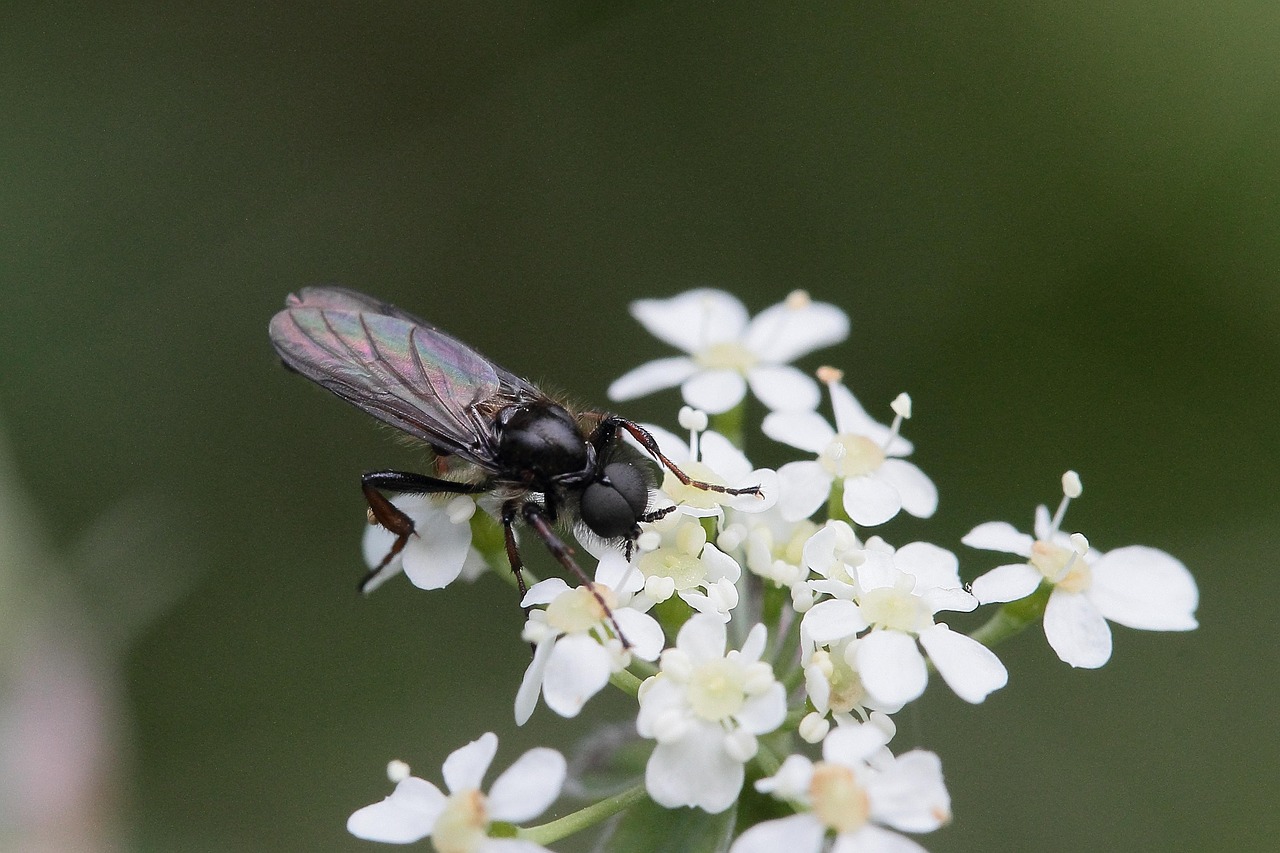
Fungus gnats are common household pests that often catch plant owners by surprise. These small, dark flies are typically spotted hovering near the soil surface or resting on the leaves of your favorite houseplants. While the adults are primarily a nuisance, their presence is a clear indicator that your plant’s environment requires adjustment.
These insects are attracted to specific conditions found in indoor gardens. Understanding their lifecycle is the first step toward effective control. Fungus gnats thrive in environments where organic matter is breaking down and moisture is abundant. They are not merely attracted to the plant itself, but rather to the ecosystem within the pot.
The primary cause of a fungus gnat infestation is consistently moist soil. When the top layer of potting mix remains saturated for extended periods, it creates an ideal breeding ground for larvae. Adult gnats lay their eggs in this damp environment, where the larvae feed on decaying organic material and fungal spores present in the soil.
Several factors often contribute to this moisture imbalance:
- Overwatering: Providing water before the top inch or two of soil has had a chance to dry out.
- Poor Drainage: Using pots without drainage holes or using heavy, moisture-retentive soil mixes that prevent proper aeration.
- High Humidity: Environments with poor airflow that prevent the soil surface from drying between waterings.
To determine if you have an infestation, look for tiny, mosquito-like insects flying around your plants after you disturb the soil. You may also notice small, translucent larvae with black heads if you examine the top layer of your potting mix closely. If you see these signs, it is time to reassess your watering habits. By allowing the top layer of soil to dry out completely between waterings, you effectively disrupt the gnat’s life cycle, making the environment inhospitable for future generations. Prioritizing proper drainage and soil aeration is the most reliable way to prevent these pests from returning.
Immediate Steps to Stop the Infestation
When you spot fungus gnats buzzing around your greenery, acting quickly is essential to prevent a minor nuisance from becoming a full-blown infestation. The most effective way to eliminate these pests is to disrupt their life cycle immediately.
Fungus gnat larvae feed on organic matter in damp soil. By allowing the top two inches of your potting mix to dry out completely between waterings, you effectively kill the larvae and make the environment inhospitable for future egg-laying. Before watering again, test the soil with your finger; if it feels damp, wait another day or two. Most common house plants can easily withstand this brief period of drought.
While you address the soil, you must also target the flying adults. Yellow sticky traps are a highly effective, non-toxic tool for this purpose. Fungus gnats are naturally attracted to the color yellow, and these traps will catch them on contact. Placing these near the base of your plants serves two functions:
- It reduces the population of egg-laying adults, which helps break the breeding cycle.
- It provides a visual indicator of how many gnats are present, helping you track the progress of your treatment.
Finally, do not underestimate the importance of quarantine. Fungus gnats are weak fliers, but they will easily move from one pot to another if plants are crowded together. As soon as you notice an infestation, move the affected plant to a separate room or a isolated area away from your healthy collection. Keep it there until you have gone at least two weeks without seeing any new gnats on your sticky traps or hovering around the soil surface.
By combining these three methods—drying the soil, using traps, and isolating the plant—you create a hostile environment for the gnats while protecting the rest of your indoor garden. Consistency is key, so monitor your plants closely for the next few weeks to ensure the population does not rebound.

Safe and Effective Treatment Methods
To eliminate fungus gnat larvae, you must treat the soil where they feed and develop. Two of the most reliable methods involve using hydrogen peroxide or Bacillus thuringiensis israelensis (Bti), commonly found in mosquito dunks.
Hydrogen Peroxide Solution
A simple mixture of hydrogen peroxide and water can kill larvae on contact. Mix one part 3% hydrogen peroxide with four parts water. Use this solution to water your plants normally. You may hear a slight fizzing sound as it contacts the organic matter in the soil; this is normal and harmless to the plant roots. Repeat this process every time the soil surface dries out until the infestation subsides.
Mosquito Dunks
Mosquito dunks contain Bti, a biological agent that specifically targets gnat larvae without harming your houseplants. Follow these steps for an effective treatment:
- Break a small piece of a mosquito dunk and place it into your watering can.
- Fill the can with water and let it sit for at least 30 minutes to allow the Bti to dissolve.
- Use this treated water for all your indoor plants.
- Keep the dunk fragment in the can and refill as needed until the piece dissolves completely.
Safety Precautions
While these methods are effective, prioritize safety when managing your indoor garden:
- Always wear gardening gloves when handling soil amendments or treated potting mixes to prevent skin irritation.
- Avoid inhaling dust when refreshing or mixing potting soil; work in a well-ventilated area or wear a mask if necessary.
- Store all chemical and biological agents, including hydrogen peroxide and mosquito dunks, in a secure location clearly out of reach of children and pets.
By consistently treating the soil, you disrupt the gnat life cycle, preventing new adults from emerging. Combine these soil treatments with yellow sticky traps to capture the flying adults, providing a comprehensive solution to your pest problem.
Preventing Future Gnat Problems
The most effective way to manage fungus gnats is to stop them before they establish a new colony. Because these pests thrive in consistently damp soil, your primary goal is to keep the surface layer of your potting mix as dry as possible.
Switching your watering technique is the most impactful change you can make. Instead of pouring water over the top of the soil, try bottom-watering. Place your pot in a basin of water for 15 to 20 minutes, allowing the roots to soak up moisture through the drainage holes. This keeps the top inch of soil—where gnats prefer to lay their eggs—dry and inhospitable to them.
Additionally, ensure your plant care routine includes these preventative measures:
- Check drainage: Always use pots with adequate drainage holes. If water sits at the bottom of the pot, it creates a breeding ground for larvae.
- Empty saucers: Never let your plants sit in standing water. After watering, wait a few minutes and dump any excess liquid from the decorative saucer or cachepot.
- Improve airflow: Good air circulation helps the soil surface dry out faster, making it less attractive to adult gnats looking for a place to deposit eggs.
If you struggle to keep the topsoil dry, consider adding a physical barrier. A thin, half-inch layer of decorative sand, fine gravel, or horticultural grit spread across the top of the soil acts as a mechanical deterrent. This layer dries out almost instantly after watering, preventing adult gnats from reaching the moist soil beneath to lay their eggs. It also serves as a sharp, abrasive surface that discourages them from landing.
Finally, inspect any new plants before bringing them home. Fungus gnats are often introduced to a healthy collection through infested nursery stock. Isolate new arrivals for a week or two to ensure they are pest-free before placing them near your other houseplants. By maintaining drier soil conditions and blocking access to the potting medium, you can keep your indoor garden gnat-free year-round.

Common Questions and Long-Term Plant Health
Many plant owners worry that a sudden swarm of fungus gnats signals the end for their favorite indoor greenery. The good news is that adult gnats are primarily a nuisance; they do not bite or damage foliage. However, the larvae living in the top layer of soil can feed on organic matter and delicate root hairs. While a healthy, mature plant can usually withstand a minor infestation, a heavy population can stress your plant, leading to stunted growth or yellowing leaves.
If you have tried sticky traps, neem oil, and reduced watering schedules without success, the infestation may be deep within the potting medium. In cases of persistent, heavy outbreaks, the most effective solution is to repot the plant entirely. Follow these steps to ensure a clean start:
- Gently remove the plant from its current pot and shake away as much of the old, infested soil as possible.
- Inspect the root system for signs of rot or damage, trimming away any mushy or blackened roots with sterilized scissors.
- Repot the plant into a clean container using fresh, high-quality, sterile potting mix.
- Avoid reusing the old soil, as it likely contains gnat eggs and larvae that will restart the cycle.
After repotting, be mindful of your watering habits. Fungus gnats thrive in constantly damp environments, so allow the top two inches of soil to dry out completely between waterings. This creates an inhospitable environment for new eggs to hatch.
Ultimately, the best way to maintain a pest-free indoor garden is through consistent monitoring. Make it a habit to check the soil surface and inspect the undersides of leaves whenever you water. By catching pests early, you can address minor issues before they become full-blown infestations. Remember that healthy plants are more resilient, so providing adequate light and proper drainage remains your best long-term defense against unwanted visitors.

Dedicated team of gardening enthusiasts with years of hands-on experience testing lawn mowers, gardening tools, and outdoor equipment. We help home gardeners and professionals alike make informed buying decisions with honest, thorough reviews. From push mowers to pruning shears, we test it all so you don’t have to. Got a gardening tool you’d like us to review? Get in touch!