
Fungus gnats are common houseplant pests that thrive in moist soil, often appearing as tiny, annoying flies buzzing around your greenery. To rid gnats in plants, you must focus on drying out the top layer of soil and disrupting their breeding cycle. This targeted approach effectively eliminates the nuisance pests from your indoor garden.
It is important to understand that these insects are usually more of a frustration than a serious threat to healthy, mature plants. While a massive infestation can occasionally damage delicate root systems, most household cases are manageable with patience and consistency. You do not need harsh chemicals to regain control of your indoor space.
This guide explains how to identify an active infestation, eliminate these nuisance flies using safe, practical methods, and prevent them from returning to your home. By following these simple steps, you will learn how to maintain a healthy environment where your plants can flourish without the constant presence of unwanted, flying visitors.
Identify the Problem and Its Source
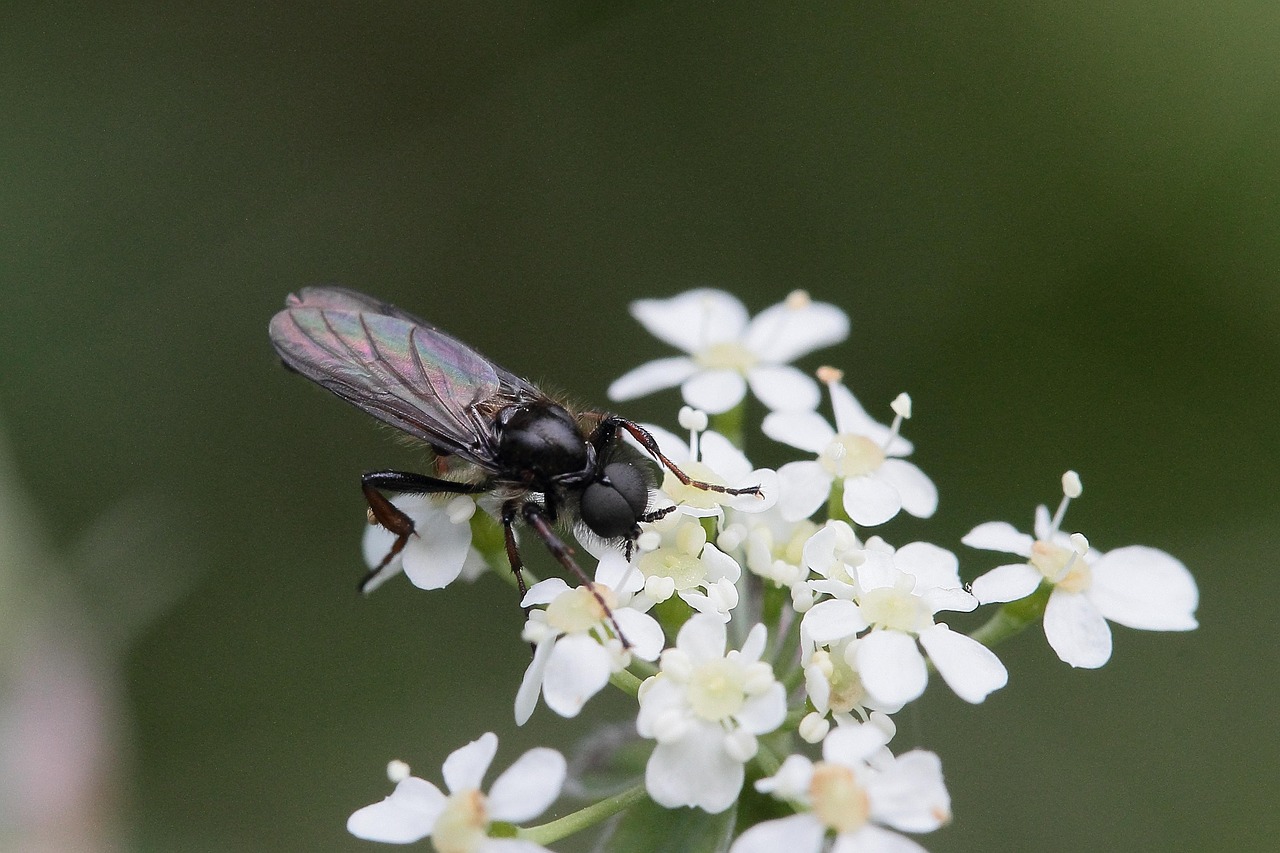
Before you can eliminate an infestation, you must confirm you are dealing with fungus gnats. These pests are distinct from other common houseplant invaders like spider mites or aphids. Fungus gnats are tiny, delicate, dark-colored flies that measure about 1/8 of an inch long. You will most often spot them hovering erratically near the soil surface or resting on the top layer of potting mix rather than crawling on the leaves.
If you are unsure, gently tap your plant’s pot. If a swarm of tiny insects takes flight and immediately settles back down near the base of the plant, you have identified fungus gnats.
Understanding why they are there is the first step toward permanent removal. Fungus gnats are not drawn to healthy, dry plants; they are attracted to moisture and decomposition. Their life cycle relies entirely on damp, organic-rich environments.
Consider these primary sources that invite an infestation:
- Overwatered Soil: Constantly soggy soil creates the perfect nursery for larvae.
- Poor Drainage: Pots without drainage holes trap water at the bottom, creating a stagnant breeding ground.
- Decaying Matter: Fallen, rotting leaves on the soil surface or low-quality potting mixes containing high amounts of decomposing bark or compost provide a food source for larvae.
The adult gnats you see flying are merely the final stage of the life cycle. The real problem lies within the top inch of your soil, where the larvae feed on fungal growth and organic debris. By identifying these specific conditions, you can stop the cycle at its source.
If your soil remains wet for long periods after watering, it is a clear signal that your plant’s environment is currently an ideal habitat for these pests. To break the cycle, your primary goal is to interrupt the moisture supply and remove the food sources that allow the larvae to thrive. Once you address these environmental triggers, the population will struggle to sustain itself.
Immediate Steps to Reduce Gnat Populations
The most effective way to eliminate fungus gnats is to disrupt their life cycle by targeting both the soil-dwelling larvae and the flying adults. Because these pests thrive in moist, decaying organic matter, your first priority is to modify the environment to make it inhospitable for them.
Allow the Soil to Dry
Fungus gnat larvae require consistent moisture to survive and develop. By allowing the top two inches of your potting soil to dry out completely between waterings, you effectively dehydrate the larvae and prevent new eggs from hatching. Before watering, stick your finger into the soil; if it feels damp, wait another day or two. This simple adjustment is often enough to break the infestation cycle without the need for harsh chemicals.
Deploy Yellow Sticky Traps
While drying the soil handles the next generation, you must also address the adults currently flying around your home. Fungus gnats are naturally attracted to the color yellow. Placing yellow sticky traps near the base of your plants is a highly effective, non-toxic method to capture these adults before they can lay more eggs.
Follow these tips for the best results:
- Placement: Position the traps horizontally just above the soil surface or vertically on a small stake near the stem.
- Monitoring: Check the traps every few days. Once the surface is covered in gnats, replace them with fresh traps to maintain maximum effectiveness.
- Consistency: Keep the traps in place until you no longer see new gnats appearing for at least two weeks.
By combining these two methods, you create a dual-front attack. Drying the soil eliminates the nursery, while the sticky traps act as a safety net to catch any remaining adults. This approach is safe for your household, gentle on your plants, and addresses the root cause of the infestation rather than just the symptoms.

Natural Treatment Methods for Larvae
Fungus gnat larvae live in the top two inches of potting soil, feeding on organic matter and delicate root hairs. To eliminate them effectively, you must disrupt their life cycle within the substrate. Two of the most reliable, plant-safe methods involve adjusting your regular watering routine.
Hydrogen Peroxide Solution
A mixture of hydrogen peroxide and water kills larvae on contact by releasing oxygen, which oxidizes their outer shells. Mix one part 3% hydrogen peroxide with four parts water. Use this solution instead of plain water for your next irrigation cycle. You will hear a brief fizzing sound as the solution hits the soil; this is normal and indicates the mixture is working. Once the bubbling stops, the peroxide has broken down into harmless water and oxygen, leaving no toxic residue behind.
Mosquito Dunks or Bits
For a biological approach, use products containing Bacillus thuringiensis israelensis (Bti), a bacteria that specifically targets the larvae of gnats and mosquitoes without harming plants, pets, or humans. Follow these steps to apply:
- Crumble a small piece of a mosquito dunk or a teaspoon of mosquito bits into a gallon of water.
- Allow the mixture to steep for at least 30 minutes to release the active bacteria.
- Use this treated water for all your indoor plants until the gnat population subsides.
- For best results, continue this routine for at least three weeks to ensure you catch new larvae as they hatch.
Safety Precautions
When handling concentrated solutions or dusty biological bits, always wear protective gloves to prevent skin irritation. Work in a well-ventilated area to avoid inhaling any dust particles or spray mist. If you are sensitive to airborne particulates, consider wearing a basic face mask while mixing your treatments. Always store these supplies out of reach of children and pets, even though these methods are considered low-toxicity for household use.
Physical Barriers and Soil Management
One of the most effective ways to break the life cycle of fungus gnats is to alter the surface of your potting soil. Adult gnats require moist, organic-rich soil to lay their eggs. By creating a physical barrier, you prevent them from accessing the medium, effectively stopping the next generation before it begins.
Apply a layer of decorative sand, fine gravel, or horticultural grit—approximately one-quarter to one-half inch thick—across the entire surface of the pot. Ensure there are no gaps where the soil remains exposed. This layer dries out quickly after watering, creating an inhospitable environment for adults while still allowing water to drain through to the roots.
If your infestation is severe, a more aggressive approach involving repotting may be necessary. When you remove the plant from its container, follow these steps to ensure you do not reintroduce pests:
- Gently shake the loose soil away from the root ball, as this is where larvae and eggs congregate.
- Use sharp, sterilized shears to prune away any mushy, blackened, or damaged roots. Wipe your blades with rubbing alcohol between cuts to prevent spreading pathogens.
- Dispose of the old, infested soil immediately. Place it in a sealed plastic bag before putting it in your trash bin to ensure the pests cannot migrate back to your other houseplants.
- Repot the plant into a clean container using fresh, high-quality potting mix. Avoid mixes that contain high amounts of peat moss or compost, as these are magnets for gnats.
After repotting, avoid overwatering. Fungus gnats thrive in constantly saturated soil, so allowing the top two inches of your new potting mix to dry out completely between waterings is your best defense against a recurring problem. Consistent soil management is the most reliable way to maintain a healthy, pest-free indoor garden long-term.

Ongoing Maintenance and When to Seek Help
Preventing future gnat infestations relies almost entirely on consistent, proactive plant care. Fungus gnats thrive in moist, decaying organic matter, so your primary defense is managing soil moisture levels effectively.
The most common mistake is overwatering. Always check the top two inches of soil with your finger before adding more water. If the soil still feels damp, wait another day or two. Allowing the surface to dry out completely disrupts the life cycle of the gnats, as they require moist soil to lay eggs and for larvae to survive.
To ensure your plants stay healthy and less attractive to pests, follow these maintenance practices:
- Improve Drainage: Ensure all pots have functional drainage holes. If a decorative pot lacks them, use a nursery liner inside to prevent water from pooling at the bottom.
- Use Well-Draining Media: Incorporate perlite, pumice, or coarse sand into your potting mix to increase aeration and help the soil dry out faster between waterings.
- Clean Debris: Regularly remove fallen leaves or dead plant matter from the surface of the soil, as these provide a food source for larvae.
- Bottom Watering: Water your plants from the bottom by placing them in a tray of water for 15–20 minutes. This keeps the top layer of soil dry, which is the gnats’ preferred breeding ground.
If you have implemented these changes and still notice a persistent swarm of gnats after two weeks, it may be time to seek professional assistance. This is especially important if you manage a large collection of rare or sensitive plants that could be damaged by aggressive treatments.
Contact a local nursery or a certified plant specialist. They can help you identify if you are dealing with a particularly resilient species or if your environmental conditions require a specialized approach. Experts can guide you through integrated pest management (IPM) strategies, which prioritize long-term prevention and the use of the safest, most effective biological controls for your specific home environment.

Dedicated team of gardening enthusiasts with years of hands-on experience testing lawn mowers, gardening tools, and outdoor equipment. We help home gardeners and professionals alike make informed buying decisions with honest, thorough reviews. From push mowers to pruning shears, we test it all so you don’t have to. Got a gardening tool you’d like us to review? Get in touch!