
Fungus gnats are a common nuisance for indoor gardeners, often appearing after overwatering. This guide explains how to identify, eliminate, and prevent these persistent pests using safe, practical methods to restore your plants to health. By following these simple steps, you can quickly reclaim your home garden from these annoying, tiny flying insects.
While these pests are mostly harmless to mature plants, a heavy infestation can damage delicate roots and cause significant stress to your indoor greenery. Eradicating them requires patience and consistency, as you must break their reproductive cycle. Expect to monitor your soil closely for several weeks to ensure the population is completely gone.
Our comprehensive approach covers everything from natural soil treatments to effective physical traps that stop adult gnats in their tracks. We will walk you through essential watering adjustments and long-term prevention strategies to keep your houseplants thriving. Get ready to implement these proven techniques and enjoy a healthy, bug-free indoor garden today.
Identifying a Fungus Gnat Infestation
The first step in treating a fungus gnat infestation is confirming that these pests are indeed the culprits behind your plant’s decline. Unlike spider mites or aphids, which congregate on leaves and stems, fungus gnats are primarily soil-dwellers.
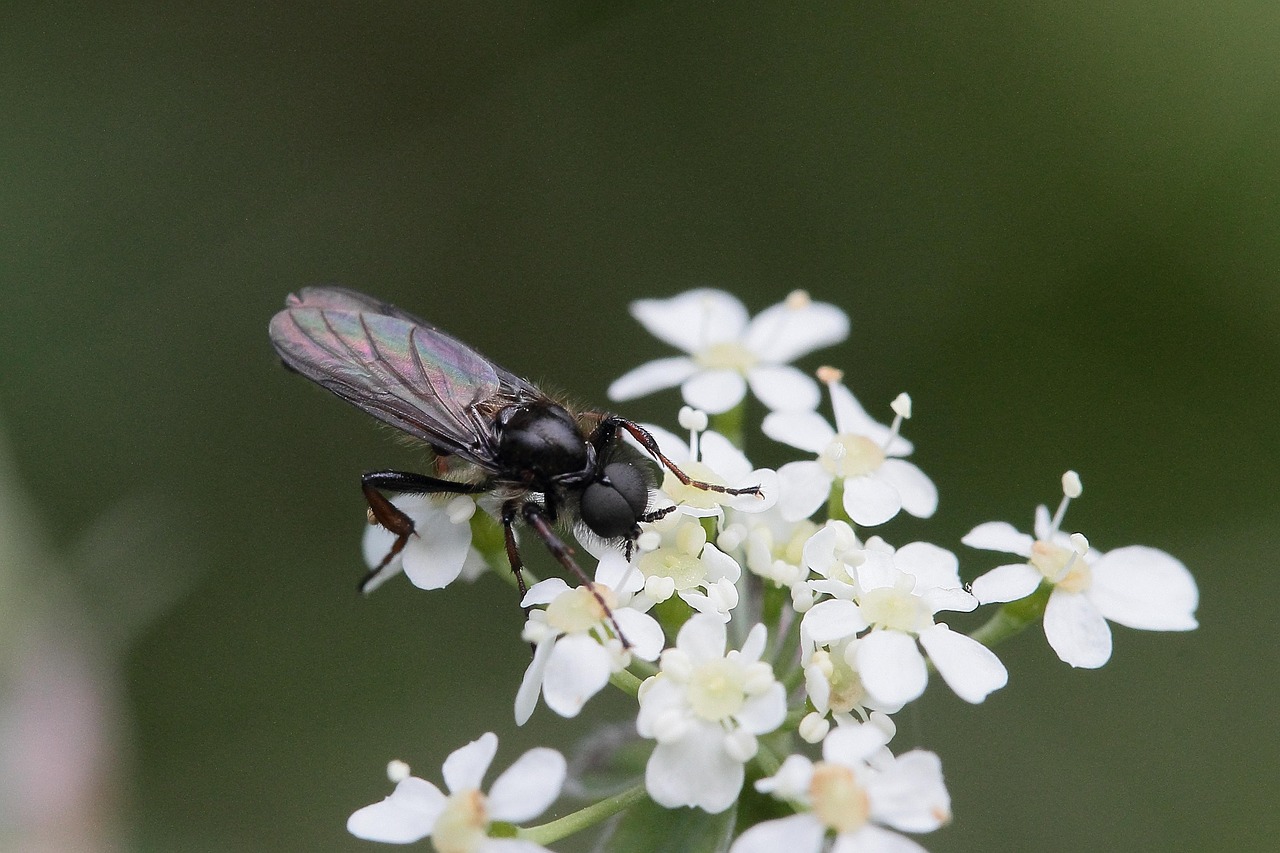
You can identify adult fungus gnats by their distinct appearance and behavior. They are small, dark, mosquito-like flies, typically measuring about 1/8 of an inch long. You will most often spot them hovering erratically near the soil surface or resting on the rim of a pot. They are weak fliers and are easily disturbed by movement, often darting back into the foliage or soil when the plant is touched.
To confirm an infestation, look for these specific signs:
- Adult activity: Small, dark flies flying near the base of the plant after you water it.
- Larval presence: If you gently scrape the top inch of soil, you may find tiny, translucent, worm-like larvae. These have distinctive shiny black heads and measure about 1/4 inch in length.
- Soil conditions: Fungus gnats thrive in consistently damp environments. If your soil remains waterlogged for extended periods, it provides the ideal breeding ground for larvae to feed on organic matter and delicate root hairs.
It is important to distinguish these from other common houseplant pests. While aphids and whiteflies feed on plant sap and cause yellowing leaves, fungus gnat larvae primarily damage the root system. If your plant is suddenly wilting despite moist soil, or if you notice stunted growth, it is time to inspect the root zone.
A simple way to monitor for adults is by placing a yellow sticky trap near the soil surface. Fungus gnats are naturally attracted to the color yellow. If you find several of these tiny flies stuck to the card, you have a confirmed infestation. Catching them early is essential, as a single female can lay up to 200 eggs in the top layer of damp soil, leading to a rapid population explosion if left unchecked.
Immediate Steps to Stop the Lifecycle
To effectively eliminate a fungus gnat infestation, you must disrupt their reproductive cycle immediately. These pests thrive in consistently moist soil, which provides the perfect environment for eggs to hatch and larvae to mature. By altering the soil conditions, you make the habitat inhospitable for the next generation.
The most critical step is to allow the top two inches of your potting soil to dry out completely between waterings. Fungus gnat larvae require moisture to survive; when the surface layer becomes arid, the larvae will dehydrate and die before they can pupate into adults. Before watering again, test the soil by inserting your finger two inches deep. If it feels damp, wait another day or two.
While drying the soil stops the larvae, you must also address the flying adults to prevent new eggs from being laid. Yellow sticky traps are highly effective tools for this purpose. Fungus gnats are naturally attracted to the color yellow, making these traps an excellent non-toxic monitoring and control solution.
Follow these steps to maximize the effectiveness of your traps:
- Place the sticky traps horizontally near the soil surface or vertically just above the rim of the pot.
- Position traps near the plants showing the most activity to capture gnats as they emerge from the soil.
- Replace the traps once they are covered in insects, as a full trap loses its effectiveness.
Consistency is key when breaking the lifecycle. Because the eggs, larvae, and adults often exist simultaneously, you should maintain this dry-soil regimen for at least two to three weeks. Combining the drying method with sticky traps creates a two-pronged defense that targets both the soil-dwelling larvae and the airborne adults. If you have a large collection of plants, isolate the infested ones to prevent the gnats from spreading to healthy foliage while you work to restore the balance of your indoor garden.

Safe Treatment Options for Your Soil
When dealing with a fungus gnat infestation, the most effective strategy is to target the larvae living within the soil. Because these pests thrive in damp organic matter, you need a solution that eliminates the next generation without harming your household or pets.
The gold standard for biological control is Bacillus thuringiensis israelensis (BTI). This naturally occurring, non-toxic bacteria specifically targets the digestive systems of fungus gnat larvae. It is completely safe for humans, pets, and the plant itself.
To apply BTI, use these simple methods:
- Mosquito Dunks: Place a fragment of a mosquito dunk into your watering can and let it steep for several hours or overnight. Use this treated water for all your regular plant care routines.
- Granules: Mix BTI-based granules directly into the top layer of your potting soil. When you water, the bacteria release into the substrate, effectively neutralizing larvae on contact.
Consistency is key. Because BTI only affects the larval stage, you must continue using it for at least three to four weeks to break the life cycle completely as new eggs hatch.
In addition to biological controls, you should implement a physical barrier to prevent adult gnats from laying new eggs. By cutting off their access to the soil, you force the population to decline rapidly.
Follow these steps to create a protective surface layer:
- Clear away any fallen leaves or debris from the surface of your potting mix.
- Add a half-inch layer of decorative sand, fine gravel, or specialized horticultural grit over the top of the soil.
- Ensure the layer is completely uniform, leaving no gaps where gnats can burrow through to reach the damp soil beneath.
This dry, abrasive barrier is inhospitable to adults and effectively traps any remaining larvae attempting to emerge. Combined with BTI treatments, these two steps provide a robust, non-toxic defense that clears your indoor garden safely and efficiently.
Safety and Handling Precautions
Prioritizing safety is essential when managing a fungus gnat infestation. While many indoor plant treatments are designed for home use, they still require careful handling to protect your health and the well-being of your household.
Whenever you are repotting plants, refreshing topsoil, or applying pest control treatments, wear gardening gloves. Soil can harbor bacteria and fungi, and some treatment chemicals may cause skin irritation or allergic reactions upon contact. Protecting your hands ensures you can work comfortably without risking dermatological issues.
If you choose to use granular insecticides, diatomaceous earth, or any dust-based treatments, take extra precautions regarding air quality. These fine particles can easily become airborne during application. To prevent respiratory irritation, follow these guidelines:
- Wear a basic dust mask or respirator if you are sensitive to airborne particulates.
- Apply treatments in a well-ventilated area, such as near an open window or outdoors, to disperse any stray dust.
- Avoid applying treatments in front of a fan or air vent, which could spread the dust throughout your living space.
After you have finished tending to your plants, wash your hands thoroughly with soap and warm water. This practice removes any lingering soil, fertilizer, or treatment residue, preventing accidental ingestion or transfer to your eyes and face.
Finally, storage is a critical component of home safety. All pest control products, including organic remedies and chemical-based granules, must be kept in their original, clearly labeled containers. Store these items in a secure cabinet or high shelf, well out of reach of children and pets. Even natural-looking substances can be harmful if ingested in large quantities or if a curious pet knocks a container over. By maintaining a clean and organized storage area, you ensure that your gardening hobby remains a safe and rewarding experience for everyone in your home.

Maintenance and Long-Term Prevention
Eliminating a fungus gnat infestation is rarely an overnight process. Because these pests have a life cycle that includes eggs, larvae, and adults, you must remain consistent with your treatment plan. In most cases, you should expect the process to take two to four weeks to fully break the life cycle. During this time, continue using your chosen control method, such as yellow sticky traps or soil drenches, to ensure you catch any emerging adults before they can lay new eggs.
Once you have successfully cleared the infestation, focus on long-term prevention to keep your indoor garden healthy. Fungus gnats thrive in damp, decaying organic matter, so managing soil moisture is your most effective defense.
Follow these practical steps to prevent future outbreaks:
- Prioritize drainage: Always use pots with drainage holes. If a decorative pot lacks them, use a nursery liner inside so excess water can escape rather than pooling at the bottom.
- Master your watering: Allow the top two inches of soil to dry out completely between waterings. This creates an inhospitable environment for larvae, which require moist soil to survive.
- Quarantine new arrivals: Before placing a new plant with your collection, inspect the foliage and soil surface closely. Keep new plants isolated for two weeks to ensure they aren’t harboring hidden pests.
- Use top dressings: Adding a layer of coarse sand or decorative gravel to the top of your soil can prevent adult gnats from reaching the dirt to lay their eggs.
If you find that an infestation persists despite your best efforts, the soil itself may be the issue. Older potting mix can break down and retain too much moisture, becoming a magnet for gnats. In this scenario, the most effective solution is to repot the plant entirely. Gently remove the old soil, inspect the roots for any rot, and transplant the specimen into fresh, high-quality, well-draining potting mix. This resets the environment and gives your plant a clean, pest-free start.

Dedicated team of gardening enthusiasts with years of hands-on experience testing lawn mowers, gardening tools, and outdoor equipment. We help home gardeners and professionals alike make informed buying decisions with honest, thorough reviews. From push mowers to pruning shears, we test it all so you don’t have to. Got a gardening tool you’d like us to review? Get in touch!