
Fungus gnats are a common frustration for indoor gardeners, but they are easily managed with the right soil habits and prevention strategies. This guide explains how to break the gnat life cycle and keep your houseplants healthy and pest-free. By addressing moisture levels and soil quality, you can quickly eliminate these annoying pests for good.
It is important to remember that these tiny insects thrive in damp, organic-rich environments, making overwatering the primary culprit behind most infestations. While a few gnats are usually harmless to established plants, a large population can damage delicate roots and spread fungal spores. Managing them requires patience, consistency, and a proactive approach to your daily plant care routine.
In the following sections, we will walk you through practical steps to identify and eradicate these pests effectively. You will learn how to dry out your potting mix, utilize simple household traps, and implement long-term preventative measures. Follow these expert tips to restore your indoor garden’s health and maintain a clean, vibrant, and gnat-free home environment today.
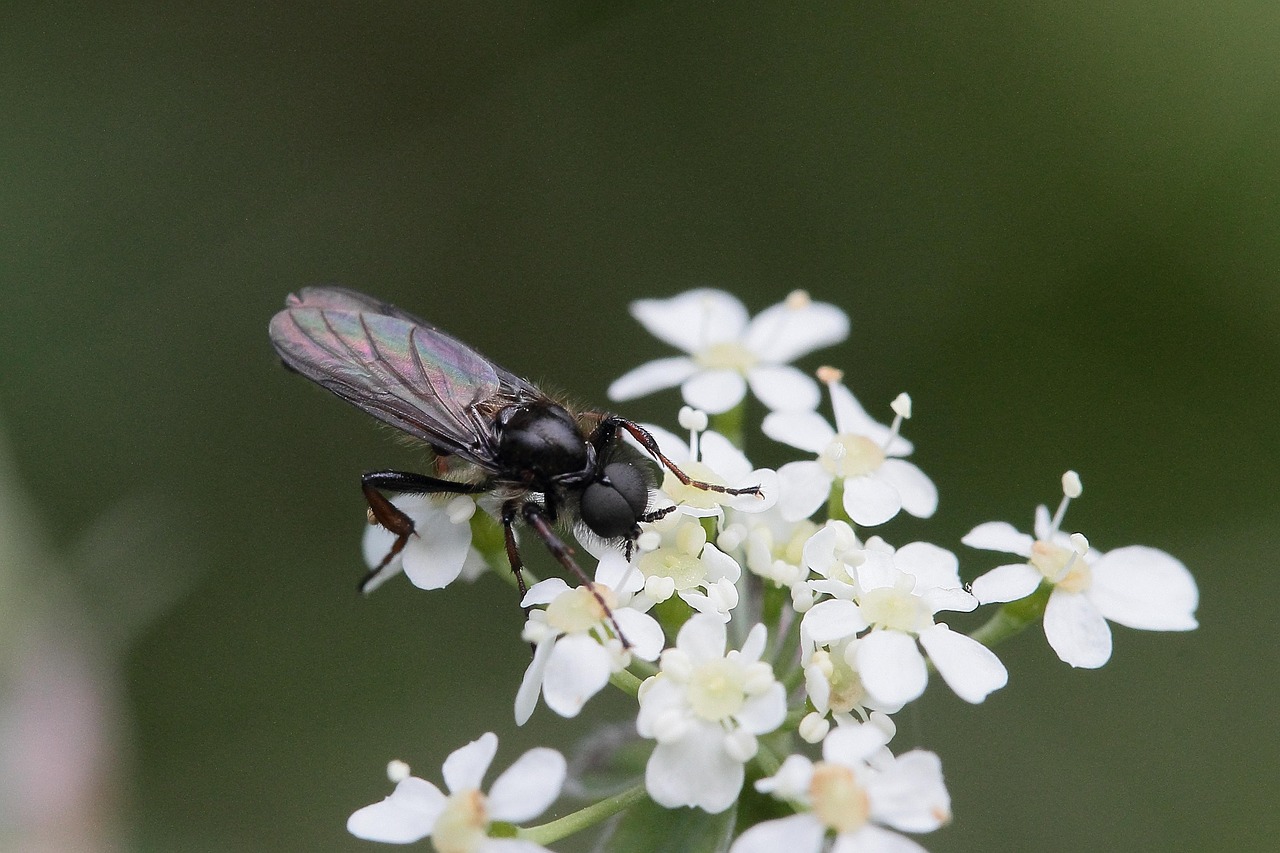
Understanding Why Gnats Invade Your Plants
Fungus gnats are common houseplant pests that thrive in specific environmental conditions. Understanding what draws them to your indoor garden is the first step toward effective control. These tiny, mosquito-like insects are primarily attracted to moist, organic-rich soil, which serves as their ideal breeding ground.
When soil remains consistently damp, it encourages the growth of fungi, mold, and algae. Adult gnats seek out this damp environment to lay their eggs, often depositing them in the top inch of potting mix. If your plants are frequently overwatered or have poor drainage, you are inadvertently creating a welcoming habitat for these pests.
While adult fungus gnats are mostly a harmless nuisance—spending their short lives flying around your plants and windows—the real danger lies beneath the surface. Once the eggs hatch, the larvae begin to feed on the organic matter in the soil. If the population grows unchecked, these larvae may turn their attention to your plant’s root system.
Root damage is particularly concerning for younger plants or those with delicate root structures. Signs of a severe infestation include:
- Sudden yellowing or wilting of leaves despite adequate watering.
- Stunted growth or a general decline in plant vigor.
- Visible, translucent larvae near the surface of the soil.
- Persistent swarms of small, dark flies around the base of the pot.
The most practical way to prevent an invasion is to break the lifecycle by addressing moisture levels. Allow the top two inches of your potting soil to dry out completely between waterings. This simple change makes the soil inhospitable for eggs and larvae, effectively stopping the infestation before it can damage your plant’s health. Additionally, ensure your pots have functional drainage holes to prevent water from pooling at the bottom, which creates a hidden reservoir for gnats to thrive. By managing the soil environment, you take away the resources these pests need to survive and reproduce in your home.
Mastering Proper Watering Techniques
The most effective way to eliminate fungus gnats is to disrupt their reproductive cycle. These pests thrive in damp, decaying organic matter, making consistently soggy soil the primary cause of an infestation. To stop them in their tracks, you must master the art of drying out your plants between waterings.
Fungus gnat larvae require moisture to survive. When the top layer of soil remains perpetually wet, it creates an ideal nursery for eggs to hatch and thrive. By allowing the top one to two inches of soil to dry out completely, you dehydrate the larvae and prevent adult gnats from laying new eggs.
Before reaching for your watering can, always verify the soil moisture levels. Do not rely on a rigid schedule, as light, temperature, and humidity levels fluctuate throughout the year. Instead, use these reliable methods to determine if your plant truly needs a drink:
- The Finger Test: Insert your index finger into the soil up to the second knuckle. If the soil feels damp or cool, wait a few more days. Only water when the soil feels dry and crumbly at that depth.
- Moisture Meters: For deeper pots or dense foliage, a simple moisture meter provides an objective reading. Aim for the “dry” zone before adding water.
- Weight Check: Lift your pot before and after watering. A dry pot feels significantly lighter, providing a quick, tactile way to gauge hydration levels without disturbing the roots.
When you do water, ensure your pots have adequate drainage holes. Never leave a plant sitting in a saucer of standing water, as this keeps the bottom of the root ball saturated even if the surface looks dry. If you accidentally overwater, tip the pot to drain excess liquid or use a turkey baster to remove standing water from the saucer. By shifting to a “dry-out” cycle, you create an inhospitable environment for gnats while encouraging healthier, stronger root systems for your houseplants.

Physical Barriers and Soil Management
Fungus gnats rely on moist, organic-rich soil to complete their life cycle. By physically blocking access to the soil surface, you can effectively break their reproductive cycle. Adult gnats need to reach the damp potting mix to lay their eggs; if they cannot land on the soil, they cannot reproduce.
Applying a layer of inorganic material to the top of your potting mix creates a dry barrier that prevents adults from burrowing. This method is highly effective because these materials dry out quickly after watering, making the surface inhospitable for larvae.
Consider using one of the following top dressings:
- Horticultural sand: A thin, quarter-inch layer of coarse sand creates a tight seal that is difficult for gnats to penetrate.
- Decorative gravel or pebbles: These provide a clean, aesthetic barrier that allows for airflow while blocking access to the soil.
- Horticultural grit: Similar to sand, this provides excellent drainage at the surface level and discourages moisture retention.
While top dressings stop adults, soil management prevents the larvae from thriving. Fungus gnat larvae feed on decaying organic matter in wet soil. If your potting mix stays saturated for too long, it becomes a breeding ground.
To manage soil moisture effectively, follow these best practices:
- Prioritize drainage: Ensure every pot has functional drainage holes. Never let a plant sit in a saucer of standing water, as this keeps the bottom of the root ball constantly wet.
- Use well-draining mixes: Incorporate perlite, pumice, or pine bark into your potting soil. These amendments increase aeration and ensure that water passes through the pot rather than pooling around the roots.
- Allow for dry-down: Most indoor plants prefer the top two inches of soil to dry out completely between waterings. This brief period of dryness is often enough to kill off developing larvae before they reach maturity.
By combining a physical surface barrier with a well-draining soil structure, you create an environment that is naturally resistant to fungus gnat infestations.
Safe Removal and Monitoring Strategies
Yellow sticky traps are an essential tool for managing fungus gnat infestations. Because these pests are naturally attracted to the color yellow, these traps act as both a monitoring device and a way to reduce the adult population before they can lay more eggs in your potting soil.
To use them effectively, place the traps near the base of your plants, close to the soil surface where gnats are most active. As adults fly toward the yellow surface, they become trapped, which helps you gauge the severity of the infestation. If you notice a high number of gnats on the card, it is a clear signal that you need to address the larvae in the soil using methods like bottom-watering or biological controls.
When setting up or adjusting your traps, follow these safety and maintenance best practices:
- Use tools carefully: If you need to cut the traps to fit smaller pots, always use clean scissors or garden shears. Keep your fingers clear of the blades and handle the sticky adhesive side with care to avoid getting it on your skin or clothing.
- Maintain hygiene: Always sanitize your cutting tools with rubbing alcohol between plants. This simple step prevents the accidental transmission of bacteria or fungal spores from an infected plant to a healthy one.
- Prioritize safety: Sticky traps are extremely tacky and can be difficult to remove from fur or fabric. Always place traps out of the reach of curious children and pets. If you have curious cats or dogs, consider placing the traps inside a decorative plant cage or ensuring they are tucked deep within the foliage where paws cannot reach.
Monitor your traps weekly. If a trap becomes covered in dust or insects, replace it with a fresh one to keep your monitoring efforts accurate. While these traps will capture the adults, remember that they are only one part of the solution; you must also address the moisture levels in your soil to stop the life cycle of the gnats permanently.

Common Questions and Long-Term Maintenance
If your gnat infestation persists despite drying out the soil and using yellow sticky traps, it is time to escalate to biological controls. These methods target the larvae directly within the soil, breaking the reproductive cycle more effectively than surface-level treatments.
For severe infestations, consider the following options:
- Beneficial Nematodes: These microscopic organisms are highly effective at hunting fungus gnat larvae in the soil. They are safe for pets and humans, making them an excellent choice for indoor environments.
- Neem Oil: A natural insecticide that disrupts the growth cycle of gnats. Mix a high-quality, cold-pressed neem oil with water and a drop of mild dish soap to drench the soil. Always follow label instructions to avoid leaf burn.
- BTI (Bacillus thuringiensis israelensis): Often found in “mosquito dunks,” this bacteria specifically targets gnat larvae. Soaking a piece of a dunk in your watering can is a simple, non-toxic way to treat every plant you water.
When an infestation is overwhelming—characterized by clouds of gnats rising whenever you touch a pot—repotting is often the fastest solution. Carefully remove the plant, gently shake away as much of the old, infested soil as possible, and rinse the root system. Replant in fresh, high-quality potting mix. Avoid reusing the old soil, as it likely contains hidden eggs or larvae.
Long-term maintenance is the best defense against future outbreaks. Incorporate a quick inspection into your weekly watering routine. Check the soil surface for movement and look for gnats resting on the undersides of leaves. Keeping your plants healthy and avoiding overwatering remains the most effective preventative measure. By allowing the top two inches of soil to dry out between waterings, you create an environment that is naturally hostile to fungus gnat larvae. Consistent monitoring ensures that if a new infestation begins, you can address it before it spreads to your entire collection.

Dedicated team of gardening enthusiasts with years of hands-on experience testing lawn mowers, gardening tools, and outdoor equipment. We help home gardeners and professionals alike make informed buying decisions with honest, thorough reviews. From push mowers to pruning shears, we test it all so you don’t have to. Got a gardening tool you’d like us to review? Get in touch!