
Building a DIY greenhouse is a rewarding project that extends your growing season and protects delicate plants. You can easily construct your own customized structure by following a few straightforward planning steps and selecting the right materials. This approach allows you to create a perfect environment for your favorite flowers and vegetables to thrive year-round.
Before you begin construction, it is important to understand that a functional greenhouse requires careful site selection and proper ventilation. While building your own unit is significantly more affordable than purchasing a kit, it demands patience and attention to detail. Realistic planning ensures your structure remains stable, weather-resistant, and effective for your specific local climate.
This guide covers the essential planning steps, materials, and safety considerations to help you construct a functional structure tailored to your garden space. We will walk you through choosing a location, selecting durable framing materials, and securing the glazing for optimal light. Prepare to transform your backyard into a productive sanctuary with these practical, easy-to-follow instructions.
Planning Your Greenhouse Location and Size
Choosing the right spot for your greenhouse is the most critical step in ensuring your plants thrive. Before you break ground, observe your garden throughout the day to identify areas with consistent sun exposure. Ideally, position your structure facing south. This orientation captures the maximum amount of natural light during the winter months when your plants need it most, effectively extending your growing season.
Beyond sunlight, consider the physical environment of your chosen site. A level foundation is essential for structural integrity and preventing water runoff issues. Avoid low-lying areas where water tends to pool, as excessive moisture can lead to root rot, fungal diseases, and premature deterioration of your greenhouse frame.
When determining the size of your greenhouse, align your footprint with your specific gardening goals:
- Seed starting: A compact 6×8 foot structure is often sufficient for hobbyist propagation.
- Year-round production: If you plan to grow taller crops like tomatoes or cucumbers, prioritize a larger footprint with adequate vertical clearance.
- Workspace needs: Remember to account for internal pathways and potting benches, which can quickly consume available floor space.
Before finalizing your plans, always check local zoning laws and homeowner association (HOA) regulations. Many municipalities require permits for permanent structures, and some have specific setback requirements regarding how close a greenhouse can be placed to your property line. Failing to verify these rules early can lead to costly relocation or legal complications later.
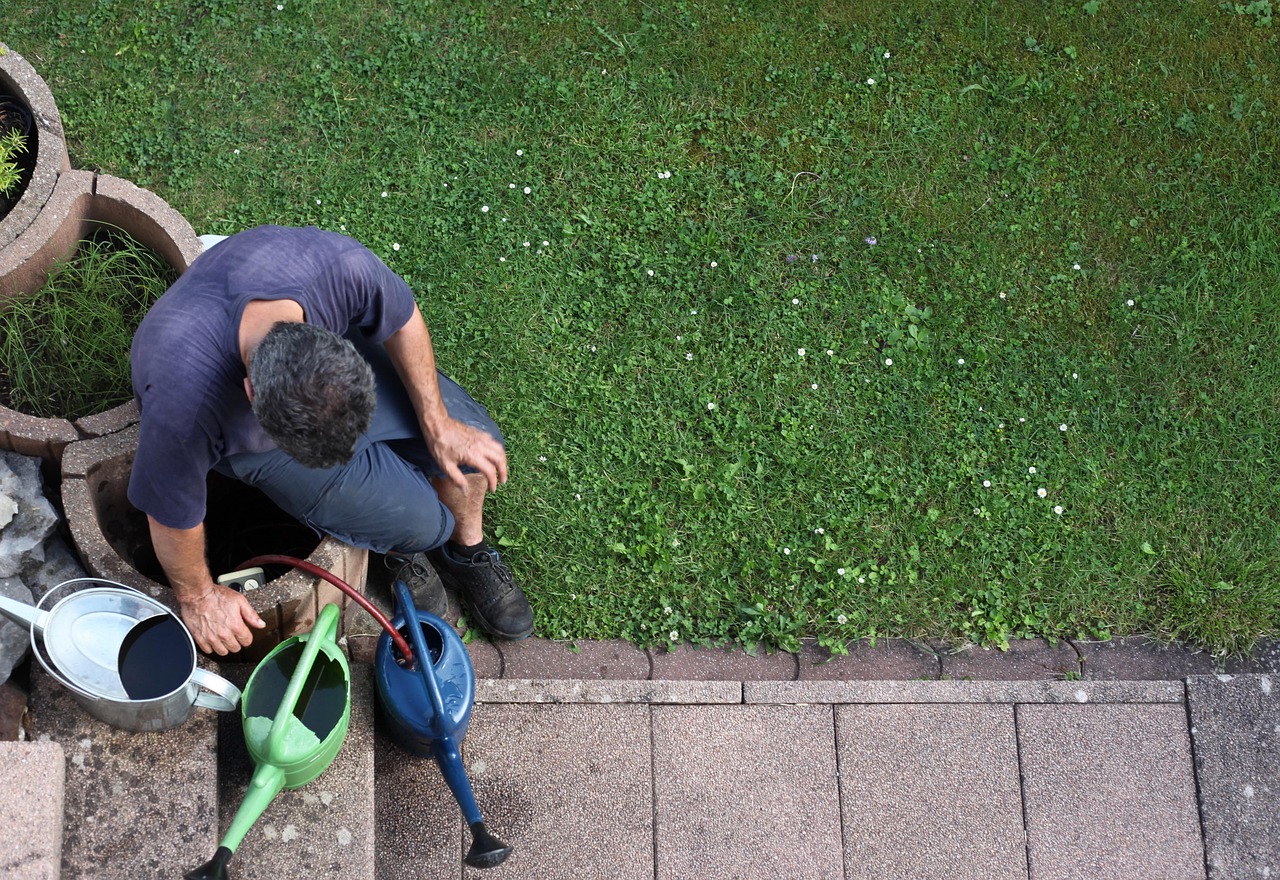
Finally, consider proximity to utilities. Placing your greenhouse near an existing water source and electrical supply will save you significant labor. Hauling heavy watering cans across the yard becomes tiresome quickly, and having electricity nearby simplifies the installation of supplemental lighting, heating mats, or ventilation fans. By balancing sunlight, drainage, and utility access, you create a sustainable environment that supports healthy plant growth for years to come.
Essential Materials and Structural Design
Selecting the right structure depends on your local climate, budget, and long-term goals. For those prioritizing affordability and ease of assembly, a hoop house constructed from PVC piping is an excellent entry point. These structures are lightweight and flexible, making them ideal for temperate regions where heavy snow loads are not a concern.
If you require a permanent, year-round solution, a timber-frame structure is superior. Pressure-treated lumber or rot-resistant woods like cedar provide the necessary stability to withstand high winds and heavy precipitation. Regardless of the frame type, ensure all fasteners are galvanized or stainless steel to prevent rust and structural failure over time.
Your choice of glazing—the material covering your frame—will dictate how well your greenhouse retains heat and manages light. Consider these common options based on your specific needs:
- Greenhouse-grade plastic film: The most cost-effective choice. It is lightweight and easy to install but typically requires replacement every 3 to 5 years due to UV degradation.
- Polycarbonate panels: A durable, twin-wall option that provides excellent insulation and light diffusion. It is highly impact-resistant and ideal for colder climates.
- Reclaimed glass: Offers superior aesthetics and longevity. However, it is heavy and requires a more robust, reinforced frame to support the weight safely.
When sourcing your materials, prioritize weather resistance. If you live in an area with intense sun, ensure your plastic film or polycarbonate is UV-stabilized to prevent yellowing and brittleness. For high-wind zones, incorporate cross-bracing into your design to prevent racking. If using reclaimed materials, inspect them thoroughly for cracks or structural fatigue before installation.
Ultimately, a successful greenhouse balances structural integrity with light transmission. Before finalizing your build, consider the orientation of your site to maximize solar gain. Positioning the long side of your structure toward the south will provide the most consistent light throughout the day, ensuring your plants thrive regardless of the external temperature.

Safety Protocols for Construction
Building a greenhouse is a rewarding project, but it involves heavy materials and power tools that require careful handling. Prioritizing your safety ensures the construction process remains efficient and injury-free. Before you begin, establish a clear, organized workspace to prevent tripping hazards, which are common when maneuvering large panels or lumber.
Personal protective equipment (PPE) is non-negotiable when working on structural assembly. Always adhere to these fundamental safety practices:
- Eye Protection: Wear impact-resistant safety goggles at all times when using power saws, drills, or cutting rigid polycarbonate panels. Flying debris can cause severe eye injury in seconds.
- Hand Protection: Use durable, reinforced work gloves. These protect your skin from splinters, sharp metal edges, and potential lacerations from utility knives or jagged plastic.
- Respiratory Safety: If your design requires adhesives, sealants, or spray-on coatings, ensure you are working in a well-ventilated area. If you are working in an enclosed space, wear a proper respirator to avoid inhaling harmful fumes.
Structural work often requires reaching higher sections of the frame. If you must work at height, never compromise on stability. Always place your ladder on firm, level ground. If the terrain is uneven, use a ladder leveler or create a stable platform before climbing. Never overreach; instead, descend and reposition the ladder to maintain your center of gravity directly between the side rails.
Finally, keep your workspace free of excess debris and discarded offcuts. A cluttered site increases the risk of slips and accidental contact with sharp tools. If you are working with electrical power tools, ensure all cords are positioned away from areas where you are cutting or walking to prevent tangles and accidental power disconnections. By maintaining a clean, orderly environment and utilizing the correct gear, you protect yourself while building a durable structure for your plants.
Ventilation and Internal Setup
Proper airflow is the backbone of a healthy greenhouse. Without consistent ventilation, your structure will quickly trap excessive heat and moisture, creating a breeding ground for fungal diseases and pests. Aim to include roof vents or side windows that account for at least 15% to 20% of your total floor area. Automatic vent openers are a worthwhile investment; these wax-filled cylinders expand with heat to open windows without electricity, ensuring your plants stay cool even when you are away.
Inside the greenhouse, layout is key to both plant health and your own comfort. Avoid cluttering the floor, which can harbor dampness and limit movement. Instead, prioritize ergonomic organization:
- Sturdy Shelving: Use wire-mesh or slatted shelving. These allow air to circulate around the undersides of pots and prevent water from pooling, which is critical for root health.
- Raised Beds: If planting directly into the ground, build raised beds. They warm up faster in the spring and offer superior drainage compared to compacted soil.
- Vertical Space: Install hanging hooks from the rafters for trailing plants to maximize your square footage without blocking light for lower shelves.
Efficiency in plant care saves time and ensures consistency. Rather than hauling heavy watering cans, consider a simple gravity-fed irrigation system. Placing a rain barrel just outside the greenhouse allows you to collect runoff from the roof. By connecting a basic drip irrigation kit to this barrel, you can provide a slow, steady supply of water directly to your plants’ root zones. This method keeps foliage dry, further reducing the risk of mildew.
Finally, always maintain a clear central pathway. A width of at least 24 inches allows you to move comfortably with tools or trays. By keeping your internal setup organized and prioritizing airflow, you create a stable microclimate where your seedlings and crops can thrive throughout the changing seasons.

Greenhouse Maintenance and Common Questions
Maintaining a greenhouse requires consistent attention to ensure your plants thrive in a protected environment. Regular inspections are the first line of defense against weather damage. Walk the perimeter of your structure at least once a month, paying close attention to the integrity of the covering. Look for small tears in the plastic or loose fasteners that could allow drafts or pests to enter.
Light transmission is critical for plant health, so prioritize an annual cleaning of your glazing. Over time, dust, pollen, and algae buildup can significantly reduce the amount of sunlight reaching your plants. Use a soft cloth or sponge with mild, non-abrasive soap and water to gently clean the panels. Avoid harsh chemicals or stiff brushes that could scratch the surface and permanently reduce light clarity.
Managing the internal climate is a daily responsibility. Use a reliable thermometer and hygrometer to monitor temperature and humidity levels. If you notice persistent fluctuations, consider these practical steps:
- Check that your vents and doors are sealing properly to prevent heat loss.
- Ensure your irrigation system is not leaking, which can lead to excessive humidity and fungal growth.
- Adjust shading cloths during peak summer months to prevent overheating.
Safety should never be compromised when upgrading your setup. If you plan to install electric heaters, fans, or automated lighting, do not attempt complex wiring on your own. Improper electrical work in a damp environment creates a significant fire and shock hazard. Always consult a licensed professional contractor for any electrical installations to ensure they meet local safety codes.
Finally, if you discover significant structural damage—such as warped framing or compromised foundation supports—address these issues immediately. A greenhouse is only as effective as its structure; reinforcing weak points early prevents total collapse during heavy rain or wind. By staying proactive with these maintenance tasks, you protect your investment and provide your plants with the stable, year-round growing environment they need to flourish.

Dedicated team of gardening enthusiasts with years of hands-on experience testing lawn mowers, gardening tools, and outdoor equipment. We help home gardeners and professionals alike make informed buying decisions with honest, thorough reviews. From push mowers to pruning shears, we test it all so you don’t have to. Got a gardening tool you’d like us to review? Get in touch!