
To lure hummingbirds to your backyard, focus on planting nectar-rich native flowers and providing a consistent water source. Attracting these vibrant visitors requires more than just a feeder; it demands a thoughtfully designed habitat that mimics their natural environment, encouraging them to visit your garden frequently throughout the warm spring and summer months.
Creating a bird-friendly sanctuary involves balancing aesthetics with essential maintenance. While feeders are a great starting point, success depends on using the right hand tools to cultivate dense, blooming landscapes that offer natural sustenance. Realistic expectations are key, as it may take time for local populations to discover your garden and establish a routine.
This guide explains how to create a welcoming habitat using the right plants, water sources, and maintenance practices to ensure these birds return year after year. We will cover essential outdoor power equipment for clearing space, seasonal lawn care tips, and practical gardening techniques to help you transform your outdoor space into a thriving hummingbird haven.
Choose the Right Nectar-Rich Plants
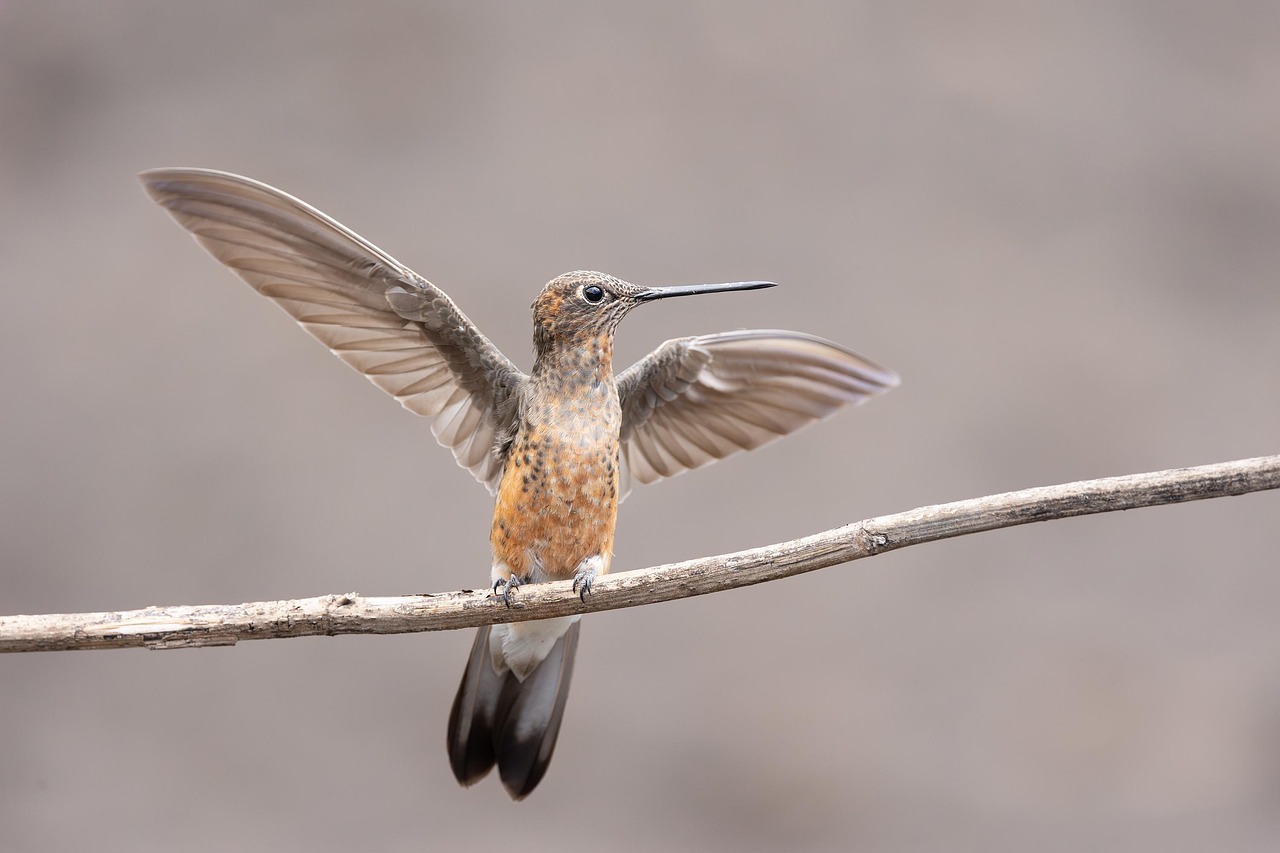
To turn your landscape into a hummingbird sanctuary, you must prioritize nectar-rich, tubular flowers. Hummingbirds have long, specialized beaks designed to reach deep into these blooms. By selecting the right native perennials, you provide a high-energy food source that keeps these birds returning to your garden throughout the season.
Focus your planting efforts on these reliable, high-nectar options:
- Bee Balm (Monarda): A favorite for its vibrant, spiky blooms and long flowering period.
- Columbine (Aquilegia): These early-season bloomers offer a perfect shape for hummingbird feeding.
- Salvia: Available in many varieties, these plants are prolific nectar producers that thrive in sunny spots.
- Trumpet Vine (Campsis radicans): A vigorous climber that provides abundant, nectar-heavy flowers, though it requires sturdy support and regular pruning to manage its growth.
When installing these plants, avoid scattering them individually across your yard. Instead, group them in dense clusters. Hummingbirds are visual foragers, and large patches of color act as a beacon, making your garden easier to spot from the air. Planting in groups also allows the birds to feed efficiently, moving from flower to flower without wasting energy.
Proper garden maintenance is essential for sustaining these plants. Use sharp, clean hand pruners to deadhead spent blooms, which often encourages a second flush of flowers. When preparing your soil, incorporate organic compost to ensure the plants have the nutrients required to produce high-quality nectar. If you are planting shrubs or vines, ensure you have the correct outdoor power equipment, such as hedge trimmers, to keep the growth tidy without damaging the delicate stems that hummingbirds frequent.
Consistency is key to a successful hummingbird garden. Aim for a mix of early, mid, and late-season bloomers to ensure there is always a natural food source available. By layering your garden with these native perennials, you create a sustainable, low-maintenance habitat that supports the local ecosystem. Keep the area free of pesticides, as these chemicals can harm the insects that hummingbirds also rely on for protein. With the right selection and strategic grouping, your garden will become a reliable destination for these energetic visitors year after year.
Installing and Maintaining Feeders Safely
Proper installation and consistent maintenance of your hummingbird feeders are essential for the health of the birds you are trying to attract. When setting up your feeders, choose a location that receives partial shade throughout the day. Direct sunlight rapidly heats the sugar water, which causes it to ferment and spoil, potentially sickening the birds. Shaded spots also keep the nectar cooler and more palatable for longer periods.
When installing mounting hardware, safety must be your priority. If you are hanging feeders from eaves, porch ceilings, or pergolas, follow these guidelines:
- Always use a sturdy, industrial-grade ladder placed on firm, level ground. Never overreach; reposition the ladder to maintain a stable center of gravity.
- Wear impact-resistant safety glasses when drilling into wood, vinyl, or masonry to protect your eyes from flying debris.
- Use high-quality, weather-rated hooks or screw-in eye bolts that can support the weight of a full feeder plus the added force of wind gusts.
- Test the stability of the mounting point before hanging the feeder to ensure it will not pull loose during a storm.
Sanitation is the most critical aspect of hummingbird care. Because sugar water is a breeding ground for bacteria and black mold, you must commit to a strict cleaning schedule. Neglecting this task can lead to fungal infections in hummingbirds, which are often fatal.
Clean your feeders at least twice weekly, or more frequently during periods of extreme heat. Follow these steps for an effective deep clean:
- Disassemble the feeder completely, separating the base, ports, and reservoir.
- Use a long-handled bottle brush to scrub the interior of the reservoir and a smaller detail brush to clear out the feeding ports where mold often hides.
- Wash all components in hot, soapy water. Rinse thoroughly with clean water to ensure no soap residue remains, as detergents can be toxic to birds.
- Allow the feeder to air dry completely before refilling it with fresh, homemade nectar.
By treating your feeder installation as a standard home maintenance project, you create a safe, reliable environment that encourages hummingbirds to return to your garden season after season. Consistent hygiene ensures your backyard remains a sanctuary rather than a source of illness.

Providing Essential Water and Perching Space
Hummingbirds require more than just nectar to thrive in your landscape; they need reliable sources of water and strategic perching spots. Because hummingbirds rarely land on the ground, they prefer to bathe in shallow water or mist. A standard deep birdbath is often unsuitable, so you must adapt your garden maintenance to accommodate their specific needs.
To attract these birds, install a shallow birdbath with a depth of no more than one to two inches. Hummingbirds are particularly drawn to the sound and visual movement of water. Consider adding a small solar-powered fountain or a simple mister attachment to your existing garden water feature. The constant motion not only catches their attention from a distance but also keeps the water clean and prevents mosquito larvae from developing.
When selecting outdoor power equipment or hand tools for your garden maintenance, keep the surrounding environment in mind. Avoid aggressive pruning of all shrubs at once. Instead, maintain a variety of twiggy trees and dense shrubs near your water source. These provide essential perching space where hummingbirds can rest, preen their feathers, and survey their territory for potential predators.
Follow these practical tips to create an inviting oasis:
- Keep it shallow: If your current birdbath is too deep, add smooth, clean stones to the center to create a safe, shallow landing zone.
- Maintain visibility: Position perches within five to ten feet of your water source, but ensure they are located in an area with clear sightlines so the birds can watch for intruders.
- Prioritize safety: Choose native, twiggy shrubs like serviceberry or dogwood, which offer the perfect diameter for their tiny feet to grip securely.
- Clean regularly: Use a soft scrub brush and a mild vinegar solution to clean your birdbath weekly. Avoid harsh chemicals that could harm the birds.
By integrating these elements into your home gardening routine, you transform your outdoor space into a functional sanctuary. A well-placed water feature combined with intentional planting of perching shrubs ensures that hummingbirds feel secure enough to visit your garden repeatedly throughout the season. Focus on creating a layered landscape that balances open areas for flight with sheltered spots for rest, and you will significantly increase your success in luring these birds to your yard.
Garden Maintenance and Pesticide Safety
Creating a hummingbird-friendly landscape requires a delicate balance between garden maintenance and environmental safety. Because hummingbirds rely on small insects and spiders for up to 40% of their diet, you must avoid the use of chemical pesticides. Broad-spectrum insecticides eliminate the very protein sources these birds need to thrive, particularly during the nesting season when they are feeding their young.
Instead of chemical intervention, embrace integrated pest management. Use hand tools like manual weeders or hoes to manage unwanted vegetation, and rely on beneficial insects, such as ladybugs or lacewings, to keep aphid populations in check. A healthy, diverse garden ecosystem naturally balances itself without the need for toxic sprays.
When performing routine lawn care and garden maintenance, be mindful of your equipment’s impact on your nectar-rich plants. Power trimmers and lawn mowers can easily damage the delicate stems of perennials that hummingbirds frequent. To protect your garden:
- Use physical borders or edging to create a clear buffer zone between grass and flower beds.
- Switch to manual hand shears or pruners when working in tight spaces near hummingbird-attracting shrubs to avoid accidental mechanical damage.
- Clear debris by hand or with a rake rather than using high-velocity leaf blowers, which can displace nesting materials and disturb resting birds.
Your safety is just as important as the health of your garden. Operating outdoor power equipment—such as string trimmers, edgers, or mowers—requires proper personal protective equipment. Always follow these safety protocols:
- Wear Hearing Protection: Prolonged exposure to engine noise can cause permanent hearing damage. Use earplugs or noise-canceling earmuffs whenever operating power tools.
- Wear Sturdy Boots: Closed-toe, slip-resistant boots protect your feet from flying debris, sharp garden tools, and accidental contact with mower blades.
- Eye Protection: Always wear safety glasses to shield your eyes from wood chips, stone fragments, or clippings kicked up by equipment.
By maintaining your garden with intention and care, you foster a safe, chemical-free sanctuary. When you prioritize the health of the insect population and protect the integrity of your flowering plants, you create a reliable habitat that will keep hummingbirds returning to your yard season after season.

Common Questions and Long-Term Care
A common misconception among new hummingbird enthusiasts is the need for red dye in nectar. Please avoid this practice entirely. Artificial dyes are unnecessary and can be harmful to a hummingbird’s delicate kidneys. For the safest, most effective solution, stick to a simple mixture of one part white granulated sugar to four parts water. Boil the water to dissolve the sugar completely, then let it cool thoroughly before filling your feeders.
Maintaining a healthy environment requires more than just filling feeders; it demands diligent equipment care. Hummingbirds are susceptible to fungal infections and bacteria if feeders are not kept pristine. Use a long-handled bottle brush to scrub the interior of your feeders at least twice a week—or more frequently during hot, humid weather—to prevent mold growth. Rinse thoroughly with hot water, avoiding harsh chemical soaps that can leave toxic residues.
If you observe birds acting lethargic, struggling to fly, or showing signs of visible illness, take immediate action:
- Remove all feeders from your yard instantly to stop the spread of potential pathogens.
- Clean all equipment with a diluted bleach solution (one part bleach to nine parts water) and rinse extensively.
- Contact a local wildlife rehabilitator or your state’s wildlife agency for guidance on reporting sick birds.
- Keep feeders down for at least two weeks to allow the local population to disperse.
Long-term success in attracting these birds relies on consistent garden maintenance rather than relying solely on artificial food sources. Incorporate native, nectar-rich perennials such as bee balm, columbine, and salvia into your landscape. These plants provide a natural, sustainable food supply that is healthier for the birds and requires less intensive daily management.
Finally, ensure your outdoor power equipment and lawn maintenance practices support a hummingbird-friendly habitat. Avoid using broad-spectrum pesticides, as these chemicals eliminate the tiny insects—like gnats and spiders—that hummingbirds rely on for essential protein. By focusing on a chemical-free yard, keeping your feeders scrubbed, and planting a diverse array of native flowers, you create a reliable sanctuary that hummingbirds will return to season after season. Always prioritize the health of the birds over the convenience of the feeder; a clean, natural environment is the greatest gift you can offer your local wildlife.

Dedicated team of gardening enthusiasts with years of hands-on experience testing lawn mowers, gardening tools, and outdoor equipment. We help home gardeners and professionals alike make informed buying decisions with honest, thorough reviews. From push mowers to pruning shears, we test it all so you don’t have to. Got a gardening tool you’d like us to review? Get in touch!