
Fungus gnats are a common nuisance for indoor gardeners, often appearing when soil stays too damp. To eliminate these pests, you must allow your potting mix to dry out completely between waterings, as this kills larvae. Addressing moisture levels is the most effective way to stop the infestation at its primary source.
While these tiny insects are frustrating, they are rarely harmful to healthy plants in small numbers. However, a large population can damage delicate roots and spread pathogens. Managing them requires a combination of patience and consistent care, as you will need to disrupt their breeding cycle over several weeks to ensure complete eradication.
This guide explains how to identify the source of the infestation and provides practical, step-by-step methods to eliminate gnats and prevent them from returning to your houseplants. From using yellow sticky traps to applying organic soil treatments, we cover the essential tools and techniques to keep your indoor garden thriving and pest-free throughout the year.
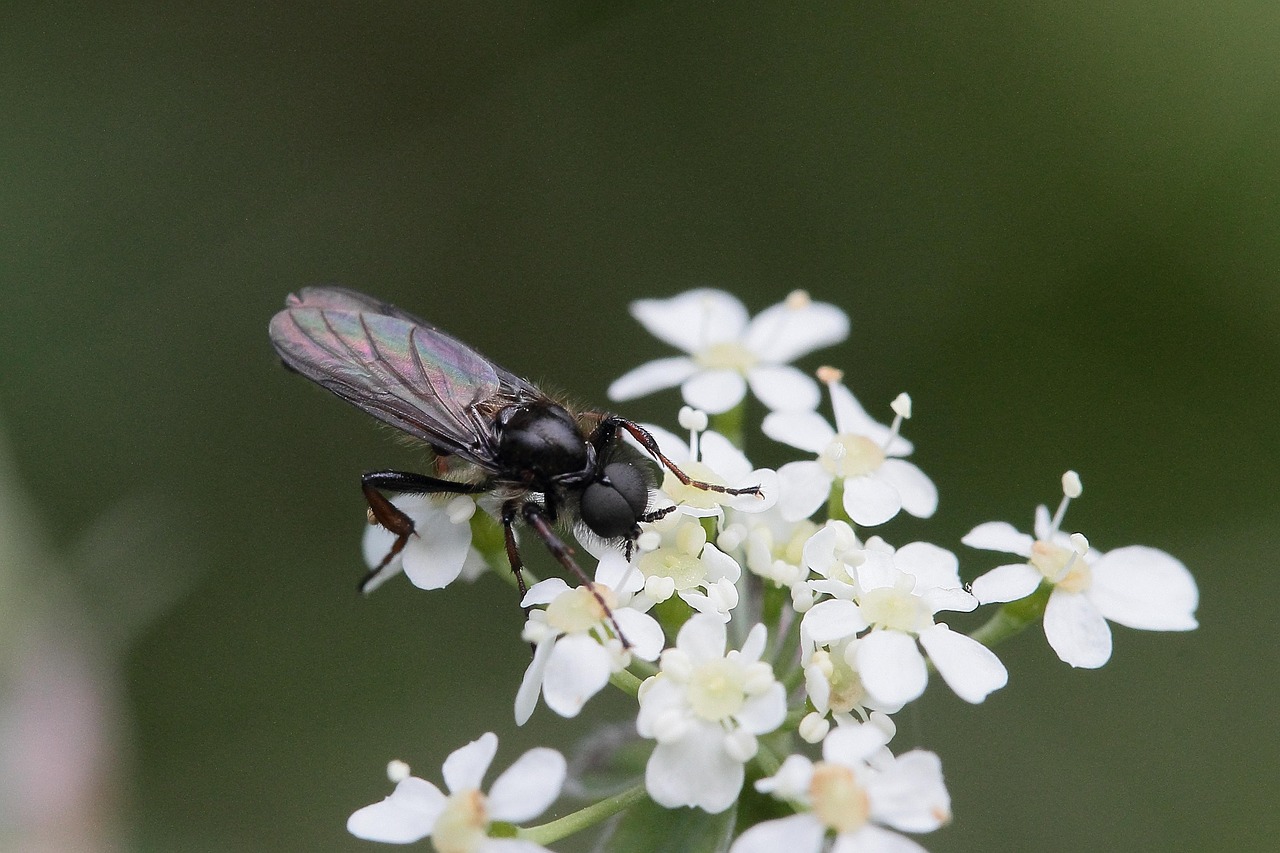
Understanding Why Gnats Invade Indoor Plants
Fungus gnats are more than just a nuisance; they are a sign that your indoor environment has become a breeding ground. Understanding their lifecycle is the most effective way to eliminate them. These pests are primarily attracted to moist, nutrient-rich soil, which provides the perfect incubator for their eggs.
Once an adult gnat finds damp soil, it lays eggs that hatch into larvae within a few days. These larvae are the real culprits behind plant damage. They feed on organic matter, fungi, and, if food is scarce, the delicate root systems of your houseplants. If left unchecked, this can lead to stunted growth, yellowing leaves, and eventually, plant death.
The primary driver of a fungus gnat infestation is almost always overwatering. When soil remains consistently soggy, it fails to provide the necessary aeration for roots and creates a damp surface layer that gnats find irresistible. To break the life cycle, you must disrupt their habitat.
Consider these factors that contribute to gnat-friendly conditions:
- Poor Drainage: Pots without drainage holes trap water at the bottom, creating a stagnant pool that encourages larvae growth.
- Dense Soil Mixes: Heavy potting soils hold moisture for too long. Incorporating perlite or coarse sand can improve drainage and keep the surface drier.
- Organic Debris: Decaying leaves on the soil surface act as a food source for larvae. Always clear away fallen foliage during your regular garden maintenance routine.
- High Humidity: While many tropical plants love humidity, stagnant air combined with wet soil creates an ideal microclimate for gnats.
The first step in your management plan is to allow the top two inches of soil to dry out completely between waterings. This simple adjustment makes the environment inhospitable for eggs and larvae, effectively starving them out. If you use specialized hand tools for moisture testing, such as a simple wooden dowel or a moisture meter, you can accurately gauge when it is truly time to water rather than relying on a schedule.
By shifting your focus toward soil health and moisture management, you address the root cause of the infestation. Once the soil surface remains dry, the adult gnats will no longer have a suitable place to lay eggs, and the existing population will quickly diminish. Consistency is key to breaking the cycle for good.
Immediate Steps to Control Gnat Populations
If you have noticed tiny, dark insects hovering around your houseplants, you are likely dealing with fungus gnats. These pests thrive in moist soil, feeding on organic matter and fungal spores. To stop the infestation, you must address both the flying adults and the larvae developing in the soil.
The fastest way to reduce the adult population is by using yellow sticky traps. Fungus gnats are naturally attracted to the color yellow. Place these traps horizontally near the base of your plants or hang them vertically just above the soil line. As the adults fly toward the bright surface, they become trapped, effectively breaking the reproductive cycle.
While traps handle the adults, you must also prevent further egg-laying. Adult gnats require moist soil to deposit their eggs. You can create a physical barrier by applying a half-inch layer of coarse sand or fine decorative gravel to the surface of your potting mix. This dry, abrasive layer discourages females from landing to lay eggs and prevents emerging larvae from reaching the surface.
Maintaining hygiene during this process is critical to prevent the infestation from spreading to your other indoor plants. Follow these best practices when performing maintenance:
- Sanitize your tools: Always wipe down trowels, pruning shears, and watering cans with a solution of one part isopropyl alcohol to nine parts water before moving from an infested plant to a healthy one.
- Check your equipment: Ensure your watering cans and spray bottles are free of stagnant water, which can harbor pests.
- Inspect new additions: Before introducing new plants to your home, isolate them for two weeks to ensure they are not carrying larvae or eggs.
Consistency is key. While these immediate steps will significantly lower the gnat population, you should also allow the top two inches of your soil to dry out completely between waterings. Fungus gnat larvae cannot survive in dry conditions, making this the most effective long-term strategy for keeping your indoor garden healthy and pest-free. If the infestation persists, consider repotting the plant in fresh, sterile potting mix to remove the larvae-heavy substrate entirely.

Natural Treatments and Soil Management
The most effective way to eliminate a gnat infestation is to disrupt their life cycle within the soil. Fungus gnats thrive in consistently moist environments, which provide the ideal conditions for their larvae to feed on organic matter and decaying roots. By intentionally allowing the top two inches of your potting soil to dry out completely between waterings, you effectively dehydrate and kill the larvae before they can mature into flying adults.
If the infestation persists, you can introduce targeted treatments to your soil management routine. Always prioritize safety and precision when applying these solutions to ensure your houseplants remain healthy:
- Hydrogen Peroxide Solution: Mix one part 3% hydrogen peroxide with four parts water. Pour this mixture into the soil until it runs out of the drainage holes. The oxygen release kills larvae on contact without harming the plant roots.
- Diluted Neem Oil: Mix a high-quality, cold-pressed neem oil with water according to the manufacturer’s instructions. Use this as a soil drench to disrupt the growth cycle of the gnats.
- Physical Barriers: After treating the soil, consider adding a thin layer of decorative sand or fine gravel to the surface. This prevents adult gnats from laying new eggs in the moist soil.
When working with soil amendments, fertilizers, or pest control solutions, it is essential to prioritize personal safety. Always wear durable gardening gloves when handling soil or mixing treatments to protect your skin from potential irritants or drying agents. If you are using concentrated products, ensure you are working in a well-ventilated area to avoid inhaling vapors or dust.
Beyond treatment, evaluate your watering habits. Overwatering is the primary driver of gnat populations in indoor gardens. If your pots lack proper drainage, the soil will remain waterlogged at the bottom, creating a permanent breeding ground. Ensure all containers have functional drainage holes and remove any standing water from decorative saucers immediately after watering. If your plants are in decorative pots without drainage, consider repotting them into containers that allow for better airflow and moisture regulation. Consistent monitoring and disciplined watering are your best defenses against future outbreaks, keeping your indoor garden healthy and pest-free throughout the year.
Preventative Maintenance for Healthy Plants
The most effective strategy for keeping gnats out of your home is to create an environment where they cannot thrive. Fungus gnats are drawn to moisture and decaying organic matter, so your primary goal is to manage soil hydration and plant hygiene through proactive maintenance.
Start by ensuring your plants are housed in containers with adequate drainage holes. Proper drainage prevents water from pooling at the bottom of the pot, which creates the damp, stagnant conditions gnats require to lay their eggs. If you use decorative cachepots, always lift the inner nursery pot after watering to ensure no excess liquid remains trapped inside.
Your choice of growing medium is equally critical. High-quality, sterile potting mix is essential for indoor gardening. Avoid using garden soil, as it often contains gnat larvae, eggs, or fungal spores that can quickly infest your collection. When repotting, consider incorporating perlite or pumice into your mix to improve aeration and speed up the drying process between waterings.
Implement these practical habits to maintain a healthy, pest-free indoor garden:
- Check saucers: Never leave standing water in saucers or trays. Empty them within 30 minutes of watering to keep the root zone from becoming waterlogged.
- Quarantine new additions: Always inspect new plants thoroughly before placing them near your established collection. Look for movement on the soil surface or tiny flying insects around the foliage. Keep new plants in a separate room for two weeks to ensure they are pest-free.
- Monitor soil moisture: Allow the top two inches of soil to dry out completely before watering again. This simple practice disrupts the gnat life cycle, as the larvae cannot survive in dry soil.
- Clean debris: Regularly remove fallen leaves and dead plant material from the surface of the soil. Decaying matter provides a food source for larvae and encourages pest populations to grow.
By focusing on proper drainage and consistent soil management, you eliminate the conditions that attract gnats in the first place. These small, routine adjustments to your plant care workflow serve as the strongest defense against infestations, keeping your indoor garden thriving and your home comfortable.

Common Questions and When to Seek Professional Help
Distinguishing between fungus gnats and fruit flies is the first step in effective pest management. Fungus gnats are small, dark, mosquito-like insects that typically hover near the soil surface. In contrast, fruit flies are slightly larger, stouter, and are primarily attracted to ripening produce or fermenting organic matter rather than damp potting soil.
If you have implemented moisture control and sticky traps but the infestation persists, the larvae have likely established a deep colony in the substrate. In this scenario, repotting the plant into fresh, sterile potting mix is the most reliable solution. This process allows you to discard the contaminated soil and inspect the root system for signs of decay.
When repotting, you may need to prune away damaged or mushy roots to encourage healthy regrowth. Always follow these safety and maintenance protocols:
- Sanitize your tools: Use a sharp pair of bypass pruners or scissors wiped down with 70% isopropyl alcohol before and after every cut. This prevents the spread of pathogens from the old soil to healthy root tissue.
- Handle with care: Sharp garden tools can cause serious injury. Always cut away from your body and keep your fingers clear of the blade path.
- Use quality equipment: Ensure your trowels and hand tools are clean and free of rust to maintain precision when working with delicate root structures.
If you have attempted these steps and the infestation remains unmanageable, it may be time to seek professional help. A local nursery professional or a certified arborist can provide a definitive diagnosis, especially if the issue is systemic or if you are dealing with a large collection of sensitive plants. They can offer specialized horticultural advice or recommend targeted biological controls that are safer for indoor environments than off-the-shelf chemical pesticides.
Finally, remember that routine garden maintenance is your best defense. Regularly inspect your plants for early signs of distress, such as yellowing leaves or stunted growth. By keeping your tools clean, maintaining proper soil moisture, and addressing issues at the first sign of trouble, you can protect your indoor garden from recurring pest cycles and ensure your plants thrive in a healthy, controlled environment.

Dedicated team of gardening enthusiasts with years of hands-on experience testing lawn mowers, gardening tools, and outdoor equipment. We help home gardeners and professionals alike make informed buying decisions with honest, thorough reviews. From push mowers to pruning shears, we test it all so you don’t have to. Got a gardening tool you’d like us to review? Get in touch!