
Fungus gnats are a common frustration for indoor gardeners, often appearing when soil stays too damp for too long. To keep gnats off your indoor plants, you must immediately reduce watering frequency and allow the top two inches of soil to dry out completely before you provide your greenery with any more moisture.
While these pesky insects are mostly a nuisance rather than a lethal threat, they can quickly multiply and damage delicate roots if left unchecked. Managing them requires a combination of patience and consistent care, as you will need to break their life cycle by addressing both the flying adults and the larvae hiding underground.
This guide explains how to identify these pests and provides actionable, non-toxic methods to eliminate them and prevent their return. By utilizing simple tools like yellow sticky traps, neem oil, or hydrogen peroxide solutions, you can effectively protect your houseplant collection. Follow these practical steps to keep your indoor garden healthy and thriving.
Identifying the Problem and Source
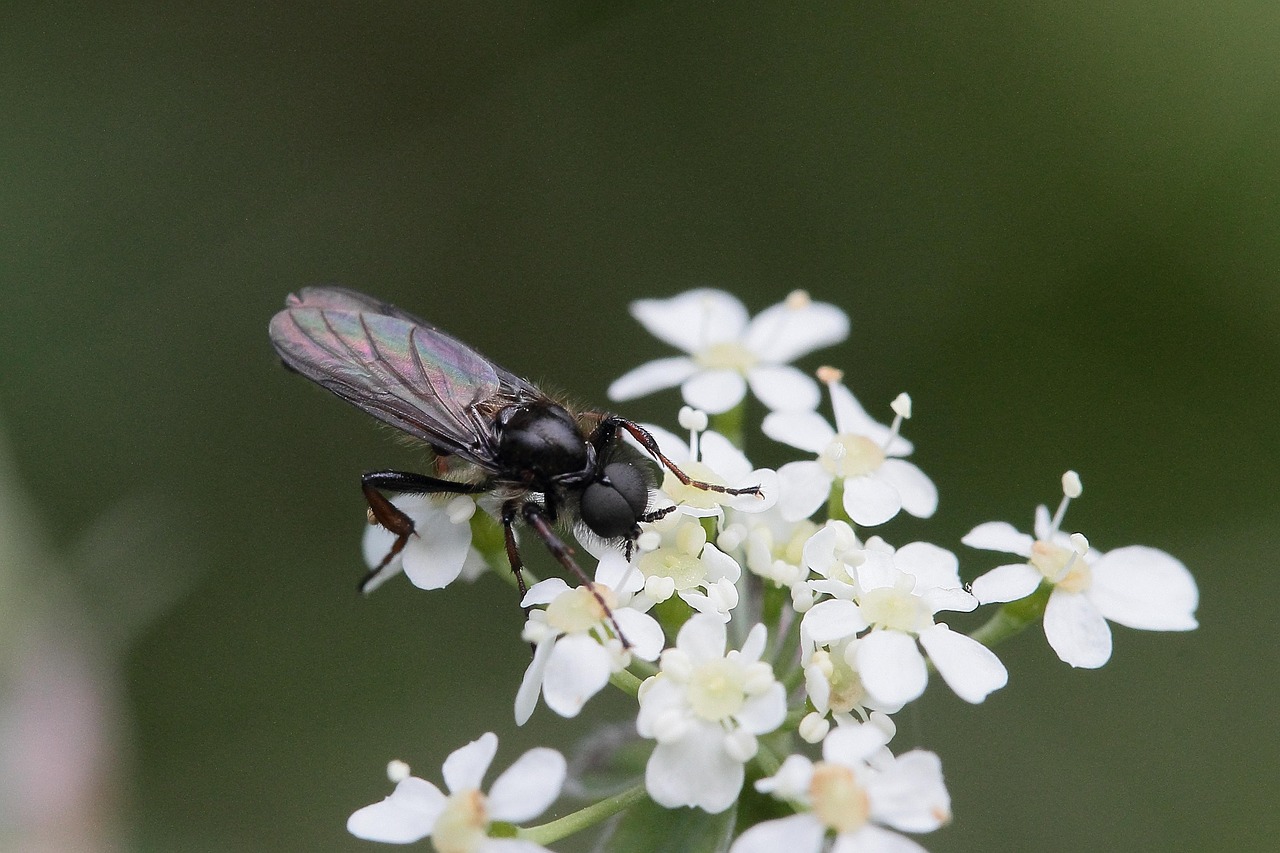
Before you reach for heavy-duty garden maintenance tools or chemical treatments, you must confirm that the pests bothering your indoor plants are actually fungus gnats. Misidentifying the problem can lead to unnecessary stress for your plants and wasted time. Fungus gnats are tiny, dark-colored flies that primarily hover around the soil surface or rest on the leaves of your houseplants.
The most effective way to identify an infestation is to inspect the top layer of your potting mix. These insects are attracted to moist organic matter and decaying roots, making overwatered containers their preferred breeding ground. To check your plants, try these simple steps:
- The Tap Test: Gently tap the side of your plant pot. If small, gnat-like flies suddenly take flight, they are likely living and reproducing in the top inch of your soil.
- Visual Inspection: Look closely at the soil surface under bright light. You may spot adult gnats crawling on the surface or larvae, which appear as tiny, translucent, worm-like creatures with black heads.
- Yellow Sticky Traps: Place a small yellow sticky card near the base of your plant. These are standard tools in integrated pest management; if the card collects multiple tiny flies within 24 hours, you have a confirmed infestation.
It is important to distinguish fungus gnats from other common indoor pests. Unlike fruit flies, which are attracted to ripening produce, or spider mites, which create fine webbing on foliage, fungus gnats are almost exclusively tied to the moisture levels in your soil. If you find no activity when tapping the pots, the issue might be related to other garden maintenance factors, such as airborne pests entering through open windows or pests hiding on the undersides of leaves.
Once you have confirmed that the activity is centered in the potting mix, you can move forward with targeted treatments. Because these pests thrive in damp, decomposing organic material, the source of the problem is rarely the plant itself, but rather the environment within the pot. Identifying the infestation early allows you to address the moisture levels and larvae population before they cause significant damage to your plant’s root system. Focusing on the soil surface is the most efficient way to break the life cycle of these persistent indoor visitors.
Adjusting Watering Habits to Break the Cycle
The most effective way to eliminate a fungus gnat infestation is to disrupt their reproductive cycle. These pests thrive in consistently damp environments, as their larvae require moist soil to feed and develop. By strategically adjusting your watering routine, you can create an environment that is inhospitable to larvae while preventing new eggs from hatching.
The golden rule for gnat control is to allow the top two inches of your potting soil to dry out completely before adding more water. When the surface remains dry, the larvae—which live in the upper layers of the soil—will perish, effectively breaking the cycle of the infestation.
To master this technique and maintain healthy plants, follow these practical steps:
- Check the soil depth: Before watering, insert your finger two inches deep into the soil. If you feel any moisture, wait a few more days before watering again.
- Use a moisture meter: If you are unsure about the soil’s internal moisture levels, a simple analog moisture meter can provide a precise reading, ensuring you do not overwater.
- Improve drainage: Ensure your pots have adequate drainage holes. If a pot sits in a saucer of water, the soil will wick moisture upward, keeping the top layer damp longer than necessary. Always empty excess water from saucers promptly.
- Bottom-water your plants: Instead of pouring water onto the topsoil, place your pots in a tray of water for 15 minutes. This allows the roots to absorb moisture from below, leaving the top two inches of soil dry and unattractive to gnats.
While you wait for the soil to dry, you may notice your plants drooping slightly. This is usually a temporary reaction to the change in moisture. Most indoor plants are resilient and will tolerate a dry surface layer far better than they will tolerate the root rot caused by chronic overwatering. By prioritizing soil aeration and consistent drying periods, you not only starve the gnat population but also encourage stronger, deeper root growth. Consistent observation is your best tool; once the gnat population declines, continue this “dry-top” watering method to prevent them from returning to your indoor garden.

Using Physical Barriers and Sticky Traps
When dealing with a fungus gnat infestation, the most immediate relief comes from combining physical barriers with targeted trapping. These methods address the two primary stages of the gnat lifecycle: the flying adults and the larvae developing within the soil.
Yellow sticky traps are an essential tool for any indoor gardener. Fungus gnats are naturally attracted to the color yellow, which mimics the appearance of certain flowers and foliage. By placing these traps near the base of your plants, you can effectively capture adult gnats before they have the chance to mate and lay more eggs.
To maximize the effectiveness of your traps, follow these simple steps:
- Place traps horizontally near the soil surface or vertically on a stake just above the foliage.
- Monitor the traps every few days to gauge the severity of the infestation.
- Replace traps once they are covered in insects, as they lose their effectiveness when the surface is full.
While traps manage the adult population, you must also stop the cycle at the soil level. Fungus gnats require moist organic matter to lay their eggs. You can disrupt this process by creating a physical barrier that prevents adults from accessing the damp soil.
A highly effective, low-maintenance method is to add a half-inch layer of decorative sand, fine gravel, or specialized horticultural grit to the top of your potting mix. This layer serves two purposes: it dries out quickly after watering, making it an unappealing nursery for eggs, and it acts as a physical shield that prevents adults from reaching the moist soil beneath.
When applying this barrier, ensure you cover the entire surface of the pot, including the edges. For the best results, combine this top dressing with a bottom-watering technique. By watering your plants from the bottom up—placing the pot in a tray of water—you keep the surface layer of sand or gravel dry, which effectively breaks the breeding cycle. This combination of trapping adults and blocking egg-laying sites is a safe, chemical-free way to regain control of your indoor garden and protect your plants from further damage.
Natural Treatments for Stubborn Infestations
When drying out the soil fails to curb a persistent gnat population, you must target the larvae living beneath the surface. Biological controls are the most effective, safest way to break the lifecycle without resorting to harsh synthetic chemicals that could damage your indoor air quality or harm your pets.
The most recommended solution is Bacillus thuringiensis israelensis (BTI). This naturally occurring bacteria specifically targets the digestive systems of gnat and mosquito larvae. Because it is highly selective, it remains completely harmless to your houseplants, humans, and household animals.
To apply BTI effectively, use a mosquito dunk or a granular BTI product. Follow this simple process to treat your containers:
- Break off a small piece of a mosquito dunk—about one-quarter of a disc is usually sufficient for a standard watering can.
- Place the piece into your watering can and fill it with water.
- Allow the dunk to soak for at least several hours (or overnight) to release the active bacteria into the water.
- Remove the remaining solid piece and use the treated water to irrigate your plants as you normally would.
Repeat this watering method every time you need to hydrate your plants for at least three weeks. This duration is critical because it covers the entire lifecycle of the gnats, ensuring that any newly hatched larvae are eliminated before they can mature into breeding adults.
While BTI is highly effective, it is not a “one-and-done” fix. Consistency is key. If you are also using sticky yellow traps to catch the flying adults, you will see a significant reduction in gnat activity within a few weeks. Always check the product label for specific dosage instructions, as different brands may have varying concentrations of the active bacteria.
If you prefer to avoid liquids, some gardeners choose to incorporate BTI-infused granules directly into the top layer of the potting soil. However, the soaking method is generally preferred for indoor plants because it ensures the bacteria reaches the deeper pockets of the root zone where larvae congregate. By combining these biological controls with proper watering habits, you can reclaim your indoor garden from stubborn infestations safely and sustainably.

Follow-up Care and When to Seek Professional Help
Once you have initiated treatment, your work is not quite finished. Fungus gnats have complex life cycles, meaning eggs or larvae may still be present in the soil. To ensure the population does not rebound, continue monitoring your plants with yellow sticky traps for at least three to four weeks. These traps are an excellent diagnostic tool; if you stop seeing new adults caught on the adhesive, you have likely successfully broken the breeding cycle.
Consistency is key to garden maintenance. During this follow-up period, adjust your watering habits by allowing the top two inches of soil to dry out completely between waterings. This creates an inhospitable environment for larvae. If you use decorative stones or moss on top of your potting mix, remove them temporarily, as they often trap moisture and provide the perfect breeding ground for gnats.
If you notice severe plant decline despite your best efforts, the issue may be more complex than a simple gnat infestation. Persistent yellowing leaves or stunted growth often indicate that the roots are suffering from fungal decay, commonly known as root rot. In these instances, the gnat larvae are merely secondary visitors feeding on the decaying organic matter.
If you suspect root rot, take the following steps to save your plant:
- Prepare your workspace: Lay down newspaper or a plastic mat to keep your area clean. Always wear gardening gloves to maintain hygiene and protect your skin from soil-borne bacteria.
- Inspect the roots: Carefully remove the plant from its container. Gently brush away the old, infested soil to expose the root system.
- Prune damaged areas: Use clean, sharp pruning shears to trim away any mushy, blackened, or foul-smelling roots. Disinfect your shears with rubbing alcohol between cuts to prevent spreading pathogens.
- Repot properly: Discard the old soil entirely. Replant your specimen into a clean container using fresh, sterile, well-draining potting mix.
If the plant shows no signs of recovery after repotting, or if the infestation is spread across a large collection of indoor plants, it may be time to consult a local nursery professional or a plant pathologist. They can help determine if there is an underlying systemic issue that standard home gardening practices cannot resolve.

Dedicated team of gardening enthusiasts with years of hands-on experience testing lawn mowers, gardening tools, and outdoor equipment. We help home gardeners and professionals alike make informed buying decisions with honest, thorough reviews. From push mowers to pruning shears, we test it all so you don’t have to. Got a gardening tool you’d like us to review? Get in touch!