
Fungus gnats are a common nuisance for indoor gardeners, often appearing after overwatering. This guide explains how to identify, eliminate, and prevent these pests using practical, safe methods to keep your plants healthy and thriving. By addressing moisture levels and using targeted treatments, you can quickly reclaim your home garden from these persistent, tiny flying insects.
While these pests are mostly annoying rather than deadly, heavy infestations can damage delicate root systems and hinder growth. It is important to remember that complete eradication takes patience and consistent care rather than a single quick fix. Understanding their lifecycle is the most effective way to manage the population and protect your indoor greenery long-term.
Our comprehensive guide covers essential garden maintenance tips, from adjusting your watering habits to utilizing reliable hand tools and organic soil treatments. We will walk you through proven strategies to stop gnats in their tracks, ensuring your outdoor power equipment and indoor plant collection remain in peak condition throughout every season of your gardening journey.
Identify and Assess the Infestation
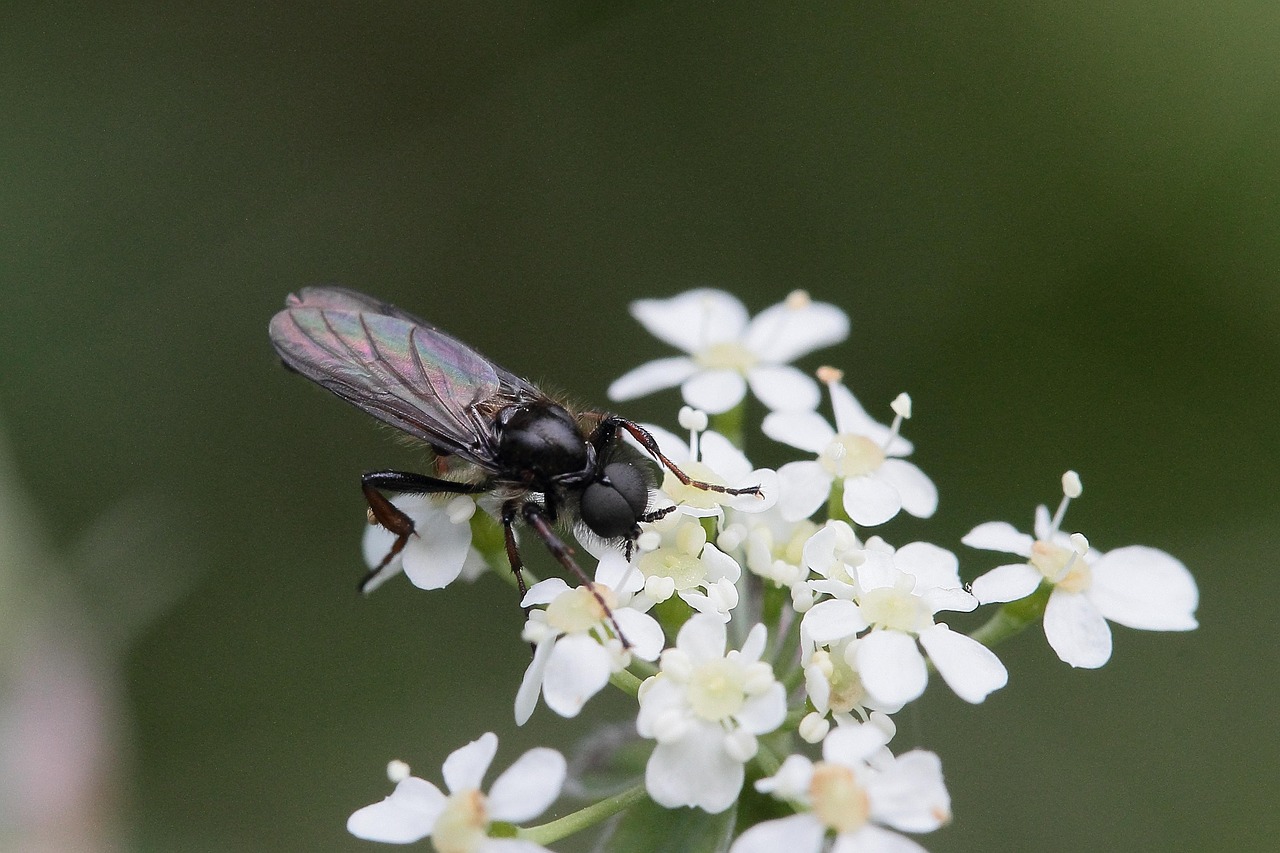
Before you reach for heavy-duty outdoor power equipment or chemical treatments, you must accurately identify the pest. Fungus gnats are frequently confused with fruit flies or shore flies, but their behavior and appearance are distinct. These pests are tiny, dark, mosquito-like flies that tend to hover erratically around the soil surface and lower foliage of your houseplants.
While the adults are primarily a nuisance, the real damage occurs beneath the surface. The larvae, which are translucent with a shiny black head, reside in the top inch of moist soil. They feed on organic matter, fungi, and—most dangerously—the delicate root hairs of your plants. If your plants are suddenly wilting, yellowing, or showing stunted growth despite regular watering, a larval infestation is likely the culprit.
To assess the severity of the problem, use these practical diagnostic steps:
- The Yellow Sticky Trap Test: Place small yellow sticky cards near the soil line. Fungus gnats are highly attracted to the color yellow. If you find dozens of tiny, dark-winged insects stuck to the card within 24 hours, you have an active infestation.
- The Potato Slice Method: Place a raw, quarter-inch-thick slice of potato on the surface of the potting soil. Leave it overnight. The next day, lift the slice; if larvae are present, they will often congregate on the underside of the potato, feeding on the moisture.
- Visual Inspection: Use a hand lens or magnifying glass to inspect the top inch of your soil. If you see tiny, worm-like larvae wriggling near the surface after watering, immediate intervention is necessary.
Distinguishing fungus gnats from other pests is vital for effective garden maintenance. Fruit flies, for instance, are attracted to ripening produce rather than soil. Shore flies are larger, have distinct white spots on their wings, and do not cause the same level of root damage. By confirming the presence of fungus gnats through these simple physical checks, you can avoid unnecessary use of harsh pesticides and instead focus on targeted, safe control methods. Once you have confirmed the infestation, you can begin adjusting your watering habits and soil management to break the pest’s life cycle before they spread to your entire collection.
Implement Immediate Control Measures
Once you identify a fungus gnat infestation, you must act quickly to break their reproductive cycle. Because adults lay eggs in moist soil, targeting both the flying insects and the soil-dwelling larvae is essential for total eradication.
Start by placing yellow sticky traps near the base of your plants. These traps are highly effective at capturing adult gnats, preventing them from laying new eggs. While they won’t eliminate the larvae already in the soil, they are an excellent monitoring tool to gauge the severity of the infestation and confirm when the population begins to decline.
To eliminate the larvae, you need to treat the growing medium directly. Here are the most effective, plant-safe methods:
- BTI (Bacillus thuringiensis israelensis): This is a naturally occurring bacterium that specifically targets gnat larvae without harming your plants, pets, or beneficial insects. Mix a BTI-based product, such as mosquito dunks or granules, into your watering can. Use this solution every time you water for at least three weeks to catch new generations as they hatch.
- Hydrogen Peroxide Rinse: For a quick contact kill, mix one part 3% hydrogen peroxide with four parts water. Pour this solution into the soil until it runs out of the drainage holes. The peroxide will fizz upon contact with organic matter, killing larvae instantly. Ensure you only perform this when the soil is dry, as it can be harsh if used too frequently.
Hygiene is a critical component of garden maintenance. Always wear nitrile or latex gardening gloves when handling potting soil or mixing treatments. This prevents the transfer of potential pathogens and keeps your hands clean while working with damp, nutrient-rich mediums. If you are repotting heavily infested plants, dispose of the old soil in a sealed bag rather than adding it to your compost pile, as this prevents the gnats from spreading to other areas of your home.
Finally, inspect your outdoor power equipment and hand tools after use. If you have been moving pots or working in the garden, ensure no soil debris remains on your tools, as this can harbor eggs and lead to re-infestation. By combining these physical traps with biological or chemical soil treatments, you can clear your indoor garden of fungus gnats effectively and safely.

Adjust Watering and Soil Management
The most effective way to eliminate fungus gnat infestations is to disrupt their life cycle by altering the environment of your potting soil. These pests rely on consistently damp organic matter to lay eggs and nourish their larvae. By adjusting your watering routine and soil management, you can make your houseplants inhospitable to these invaders.
The golden rule for gnat control is to allow the top two inches of soil to dry out completely between waterings. Fungus gnat larvae are highly sensitive to dehydration; when the surface layer of soil remains dry, the larvae struggle to survive, effectively breaking the reproductive cycle. Before watering, always test the soil moisture by inserting your finger or a wooden skewer two inches deep. If you feel any dampness, wait another day or two.
Proper drainage is equally critical. If your pots lack drainage holes, excess water collects at the bottom, creating a permanent breeding ground for gnats. Ensure every container has adequate holes to allow water to escape freely. If you are using decorative cachepots, remove the inner nursery pot and empty any standing water immediately after irrigation.
To further improve conditions, consider these practical soil management techniques:
- Switch to well-draining mixes: Use high-quality potting soil amended with perlite, pumice, or horticultural grit. These materials increase aeration and prevent the soil from staying saturated for too long.
- Apply a physical barrier: Add a half-inch layer of coarse sand, decorative gravel, or expanded clay pebbles to the surface of the soil. This prevents adult gnats from accessing the moist soil to lay their eggs.
- Bottom watering: Instead of pouring water over the top of the soil, place your pots in a tray of water for 15–20 minutes. This allows the roots to absorb moisture while keeping the top layer of soil—where gnats prefer to lay eggs—completely dry.
Consistency is key. While these adjustments may require a change in your current maintenance habits, they are the safest and most reliable methods for long-term gnat prevention. By keeping the surface dry and ensuring your containers drain efficiently, you create a healthy, resilient environment for your plants that discourages pests from settling in.
Safety and Tool Maintenance
When dealing with a fungus gnat infestation, your gardening tools can inadvertently become vectors for spreading larvae or contaminated soil particles. Before you prune affected foliage or repot infested plants, ensure your hand tools are thoroughly sanitized. Wipe blades with a solution of 70% isopropyl alcohol or a mild bleach solution to prevent transferring fungal spores or pests to healthy specimens.
Sharp tools are essential for plant health. Dull shears crush plant tissue rather than slicing through it cleanly, creating ragged wounds that increase plant stress and make your greenery more susceptible to secondary infections. Keep your pruners and snips honed to ensure quick, clean cuts that allow the plant to heal rapidly.
When managing soil amendments or applying biological controls like Bacillus thuringiensis israelensis (Bti) to combat gnats, always prioritize personal safety:
- Wear durable, waterproof gardening gloves to protect your skin from soil-borne pathogens and concentrated fertilizers.
- If you are mixing fine-grained additives or diatomaceous earth, consider wearing a dust mask to avoid inhaling particles.
- Wash your hands thoroughly with soap and water immediately after handling soil or equipment used on infested plants.
If your garden maintenance requires heavy-duty outdoor power equipment—such as tillers or aerators used to improve soil drainage and reduce the moisture levels that fungus gnats thrive in—adhere strictly to manufacturer safety guidelines. These pests often proliferate in waterlogged soil; improving drainage is a key long-term preventative measure. However, operating power equipment requires focus and proper protection:
Always wear ANSI-rated eye protection to shield your eyes from flying debris or dust kicked up during soil cultivation. Ensure that all guards and safety mechanisms on your equipment are intact and functional before starting the engine. If you are working in a large-scale garden or greenhouse, wear sturdy, closed-toe boots to protect your feet from heavy equipment and sharp tools.
By keeping your equipment clean, sharp, and well-maintained, you reduce the physical stress on your plants. A healthy, robust plant is significantly better equipped to withstand minor pest pressure than one struggling with improper pruning wounds or poor soil conditions. Treat your tools with care, and your plants will be better positioned to recover from a gnat outbreak.

Ongoing Care and When to Seek Help
Successful garden maintenance requires consistent vigilance. Even after an initial treatment, fungus gnats can return if conditions remain favorable. Make it a habit to inspect your plants weekly. Check the soil surface for adult activity and lift pots to ensure drainage holes are clear and not holding stagnant water, which serves as a primary breeding ground.
If you notice the pests returning, act quickly to prevent the infestation from migrating to neighboring plants. Your first line of defense is physical isolation:
- Move the infested plant to a separate room or a screened porch away from your healthy collection.
- Check the undersides of leaves and the soil surface of nearby plants to ensure the gnats haven’t already spread.
- Clean the area where the infested plant was sitting using mild soap and water to remove any lingering eggs or larvae.
Continue your routine of allowing the top two inches of soil to dry out completely between waterings. Using a hand tool, such as a small cultivator or a simple fork, can help you gently aerate the top layer of soil, which speeds up the drying process and disrupts the larval environment. Ensure your outdoor power equipment, like leaf blowers or vacuums, is kept away from your indoor plants, as these can inadvertently stir up dust and spores that may encourage fungal growth.
If you have followed these steps for several weeks without success, or if you are dealing with a rare, high-value ornamental species, do not wait until the plant’s root system is compromised. Contact a local nursery or your regional agricultural extension office. These professionals can provide guidance on specialized systemic treatments that are safer and more effective than general-purpose pesticides.
When seeking professional help, be prepared to provide specific details:
- The type of plant affected and its age.
- The specific potting medium you are currently using.
- A history of your watering frequency and any recent changes in the plant’s environment.
- The specific methods you have already attempted to control the gnats.
By staying proactive and knowing when to escalate your care, you can protect your home garden from long-term damage and keep your plants thriving throughout the season.

Dedicated team of gardening enthusiasts with years of hands-on experience testing lawn mowers, gardening tools, and outdoor equipment. We help home gardeners and professionals alike make informed buying decisions with honest, thorough reviews. From push mowers to pruning shears, we test it all so you don’t have to. Got a gardening tool you’d like us to review? Get in touch!