
You can successfully grow succulents indoors by providing them with bright, indirect sunlight and well-draining soil. These popular houseplants are celebrated for their unique shapes and low-maintenance nature, making them perfect for busy gardeners. By following a few simple environmental guidelines, you can keep your indoor collection thriving and healthy year-round.
While succulents are famously resilient, they are not entirely indestructible and require specific conditions to flourish inside your home. Understanding their natural desert origins is essential, as these plants are highly sensitive to overwatering and poor drainage. Setting realistic expectations about their light needs will ensure you choose the perfect sunny spot for them.
This comprehensive guide covers the essential steps to successfully grow and maintain healthy succulents inside your home. We will focus on the critical requirements for light, water, and soil to help you avoid common pitfalls. Read on to discover the practical care techniques that will keep your indoor succulent garden vibrant and growing strong.
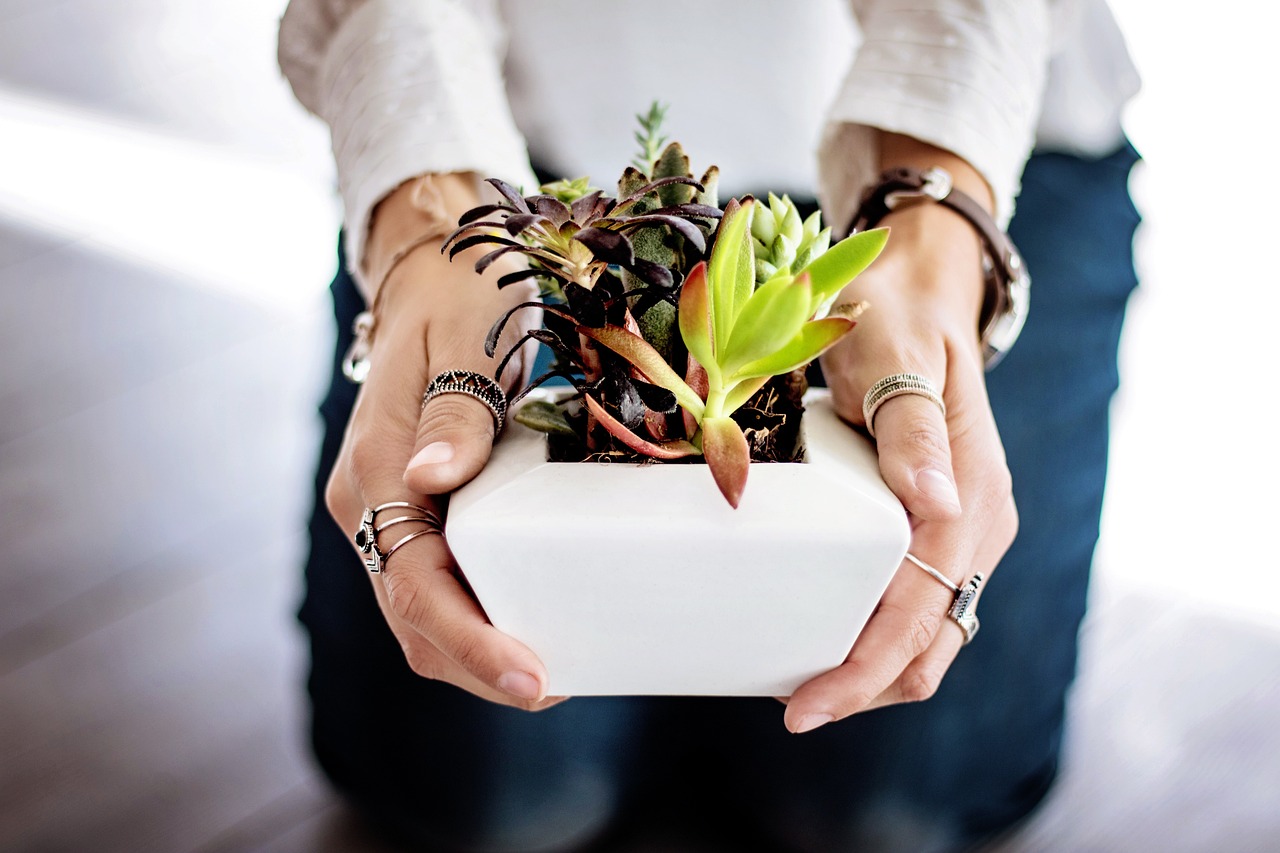
Selecting the Right Succulents for Indoor Environments
Not all succulents are created equal when it comes to life inside your home. While many desert varieties demand intense, direct sunlight, others have evolved to tolerate the filtered light and stable temperatures of an indoor environment. Selecting the right species is the most important step in ensuring your indoor garden thrives rather than just survives.
For beginners or those with limited natural light, focus on these resilient varieties that adapt well to household conditions:
- Snake Plants (Dracaena trifasciata): Nearly indestructible, these plants tolerate low light and irregular watering better than almost any other succulent.
- Haworthia: Often called “zebra plants,” these compact succulents prefer bright, indirect light and are perfect for windowsills.
- Jade Plants (Crassula ovata): These structural beauties enjoy a sunny spot and can live for decades if they receive enough light and are not overwatered.
Before you bring a new plant home, perform a quick physical inspection. A healthy succulent should have firm, plump leaves. Avoid any plants that appear “stretched out” or leggy, as this indicates they have been starved of light in the nursery, which can be difficult to reverse.
Check the base of the plant and the undersides of the leaves for signs of pests, such as tiny white cottony spots (mealybugs) or fine webbing (spider mites). Gently touch the leaves to ensure they are not mushy or translucent; soft, discolored foliage is a major red flag for root rot, which often occurs due to overwatering in retail settings.
Finally, inspect the soil surface. It should be dry and free of mold. If a plant looks neglected at the store, it is often better to walk away than to attempt a rescue mission. Starting with a healthy, pest-free specimen gives you the best chance of success as you begin your indoor gardening journey. By choosing species that naturally tolerate indoor light levels, you minimize the need for supplemental grow lights and create a low-maintenance, thriving display.
Essential Light and Temperature Needs
Succulents are desert-adapted plants that thrive on intensity, but growing them indoors requires a delicate balance. To maintain their compact, architectural shape, they need plenty of bright, indirect sunlight. Without sufficient light, succulents will begin to “stretch” or etiolate, resulting in weak, elongated stems and pale, sparse leaves as they desperately reach for a light source.
For the best results, place your plants near a south-facing window, which typically provides the most consistent light throughout the day. If you notice your succulent leaning heavily toward the glass, rotate the pot weekly to ensure even growth.
If your home lacks a bright window or you live in a region with short winter days, natural light may not be enough. In these cases, a dedicated LED grow light is a practical solution. These allow you to provide the specific light spectrum and duration your plants need without relying on unpredictable weather.
Temperature stability is just as critical as light. While succulents are resilient, they prefer indoor temperatures between 60°F and 80°F (15°C–27°C). To keep your plants healthy, follow these placement guidelines:
- Avoid placing pots directly on top of radiators or near heating vents, as the dry, artificial heat can dehydrate the leaves too quickly.
- Keep succulents away from drafty windows or exterior doors during winter months; sudden cold snaps can damage delicate tissue.
- Ensure there is adequate airflow around the plant to prevent moisture buildup, but avoid placing them directly in the path of strong air conditioning blasts.
By mimicking their natural environment—bright, filtered light and stable, moderate temperatures—you provide the foundation for long-term health. If your plant begins to lose its vibrant color or shows signs of rot, it is often a signal that it is struggling with its current placement. Adjusting its location slightly can often correct these issues before they become permanent, ensuring your indoor succulent collection remains vibrant and compact for years to come.

Potting Soil and Drainage Requirements
Succulents are desert plants by nature, meaning they thrive in arid conditions. In an indoor environment, the biggest threat to their health is overwatering, which quickly leads to root rot. To keep your plants healthy, you must prioritize a potting medium and container setup that mimics their natural, fast-draining habitat.
Standard indoor potting soil is designed to retain moisture, which is detrimental to succulents. Instead, always use a specialized cactus or succulent potting mix. These blends contain higher concentrations of perlite, pumice, or sand, which create air pockets and allow excess water to flow through the pot rapidly rather than sitting around the roots.
Beyond the soil, your choice of container is vital. Every pot must have at least one drainage hole at the bottom. If you choose a decorative pot that lacks a hole, you risk water pooling at the base, which will inevitably kill your plant.
If you have a beautiful container without drainage, you can add holes yourself using a masonry bit and a power drill. To do this safely, follow these precautions:
- Wear impact-resistant safety goggles to protect your eyes from flying ceramic shards or dust.
- Use thick, protective work gloves to prevent cuts from sharp edges or accidental slips.
- Place a piece of masking tape over the area you intend to drill to prevent the bit from sliding across the glazed surface.
- Apply gentle, steady pressure and keep the drill speed low to prevent the pot from cracking.
If you are not comfortable drilling your own pots, use a “pot-in-pot” method. Keep your succulent in a simple, inexpensive plastic nursery pot with drainage holes, and place that inside your decorative outer container. When it is time to water, remove the plastic pot, let it drain completely in the sink, and then return it to the decorative vessel. This simple step ensures your plants stay dry, healthy, and rot-free.
Watering Techniques for Indoor Succulents
The most common reason indoor succulents fail is overwatering. These plants are adapted to arid environments and store water in their fleshy leaves, meaning they require a different approach than typical houseplants. To keep your succulents thriving, you must mimic the natural cycle of heavy rainfall followed by a long period of drought.
The most reliable technique is the “soak-and-dry” method. Instead of providing small, frequent sips of water, follow these steps:
- Water thoroughly: Pour water directly onto the soil until it begins to run out of the drainage holes at the bottom of the pot. This ensures the entire root system is hydrated.
- Drain completely: Never allow your succulent to sit in standing water. Empty the saucer or decorative cachepot immediately after watering to prevent root rot.
- Wait for bone-dry soil: Before watering again, ensure the soil is completely dry throughout the entire pot. You can test this by inserting a wooden skewer or your finger an inch or two into the soil; if it feels even slightly damp, wait a few more days.
Your watering frequency should not remain static throughout the year. Succulents have a natural growth cycle that dictates their hydration needs. During the spring and summer, when the plant is actively growing and receiving more light, it will consume water more quickly. You may find yourself watering every two to three weeks, depending on the humidity and temperature of your home.
As autumn approaches and daylight hours decrease, succulents enter a period of dormancy. During these cooler months, their metabolism slows significantly, and they require much less water. You might only need to water once a month, or even less, during winter. Always prioritize the state of the soil over a calendar schedule. If the leaves look slightly wrinkled, the plant is signaling it is thirsty, but if they appear mushy or translucent, you have likely overwatered. When in doubt, it is always safer to wait a few extra days than to water too soon.

Common Questions and Ongoing Care
Even with the best intentions, indoor succulents occasionally face challenges. Learning to read your plant’s physical signals is the key to long-term success. If you notice lower leaves turning yellow or becoming mushy, you are likely overwatering. Conversely, if leaves appear shriveled or wrinkled, the plant is signaling that it needs a deeper drink.
Pests can be an unwelcome surprise. Mealybugs, which look like tiny tufts of white cotton, are the most common culprits. If you spot them, act quickly to prevent an infestation:
- Isolate the affected plant immediately.
- Dip a cotton swab in 70% isopropyl alcohol and dab it directly onto the pests to neutralize them.
- For larger outbreaks, use an organic insecticidal soap or neem oil spray, ensuring you reach the crevices between leaves.
As your succulent matures, it may become top-heavy or outgrow its container. If the roots are circling the bottom of the pot or the plant feels unstable, it is time for repotting. Choose a new pot that is only one to two inches wider than the current one to prevent excess soil from holding too much moisture.
When repotting, prioritize safety. If you are working with cacti or plants with sharp spines, use kitchen tongs to grip the main stem or wear thick, puncture-resistant gardening gloves. This protects your skin from painful pricks and prevents the plant from sustaining damage during the transition.
After repotting, resist the urge to water immediately. Wait about one week before giving the plant a drink. This “waiting period” allows any roots that may have been damaged during the move to callous over, significantly reducing the risk of rot. By observing these small details, you ensure your indoor garden remains healthy and vibrant throughout the year.

Dedicated team of gardening enthusiasts with years of hands-on experience testing lawn mowers, gardening tools, and outdoor equipment. We help home gardeners and professionals alike make informed buying decisions with honest, thorough reviews. From push mowers to pruning shears, we test it all so you don’t have to. Got a gardening tool you’d like us to review? Get in touch!