
Fungus gnats are a common nuisance for indoor gardeners, often appearing when soil stays too damp. You can effectively eliminate these pests by allowing your potting mix to dry out completely between waterings and using yellow sticky traps to catch the flying adults before they can lay more eggs in your soil.
While seeing these tiny flies hovering around your houseplants is frustrating, they are rarely fatal to healthy vegetation if managed early. Understanding their life cycle is essential, as these insects thrive in moist environments created by overwatering. With the right approach, you can successfully reclaim your indoor garden space from these persistent, unwanted visitors.
This guide explains how to identify, eliminate, and prevent these pests using practical, safe methods without damaging your plants. We will cover essential tools for soil management, effective natural treatments, and long-term maintenance tips to keep your greenery thriving. Follow these expert strategies to ensure your home environment remains pest-free and your indoor plants stay healthy.

Identify and Understand the Problem
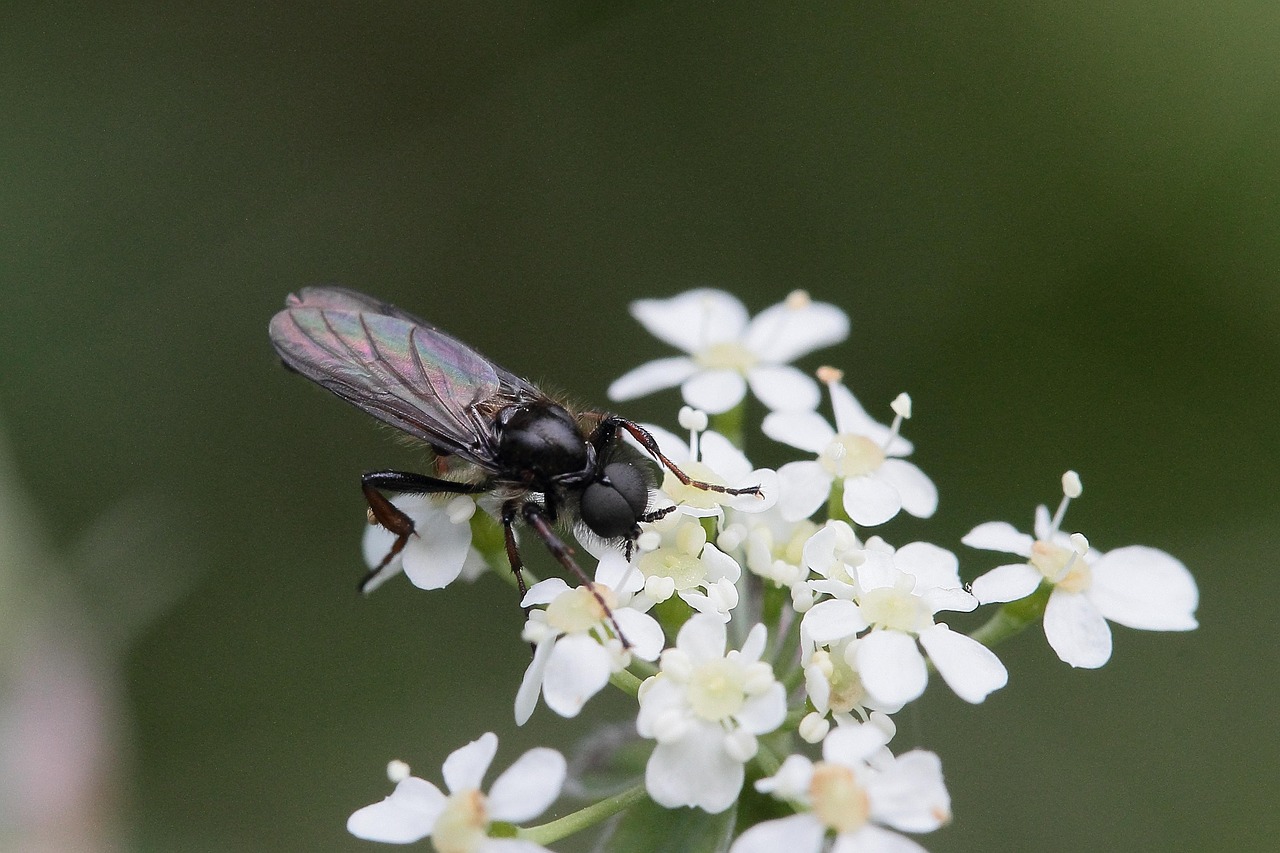
Before you reach for the vacuum or a swatter, it is essential to understand that the tiny flies buzzing around your houseplants are likely fungus gnats. These pests are not just a nuisance; they are a sign that your indoor environment is providing the perfect conditions for their rapid reproduction.
Fungus gnats are primarily attracted to moist potting soil and decaying organic matter. If you have been overwatering your plants or if your pots have poor drainage, you have inadvertently created a nursery. The adults lay their eggs in the top inch of damp soil, where the environment is rich in the fungi and organic debris they need to thrive.
To effectively eliminate these pests, you must understand their life cycle:
- Eggs: Laid in moist soil, hatching within a few days.
- Larvae: These worm-like creatures live in the soil, feeding on organic matter, root hairs, and fungi. This is the stage where the most damage to your plant occurs.
- Pupae: The larvae transition into pupae within the soil before emerging as adults.
- Adults: The flying insects you see. While they are annoying, they do not feed on plants; their primary purpose is to mate and lay new eggs.
A common mistake many gardeners make is focusing solely on the flying adults. While yellow sticky traps can help reduce the adult population, they do nothing to address the source of the infestation. If you ignore the larvae, the cycle will continue indefinitely as a new generation emerges from the soil every few days.
Successful management requires a two-pronged approach. You must disrupt the life cycle by targeting the larvae hiding beneath the surface while simultaneously deterring the adults from laying new eggs. This means allowing the top layer of your potting soil to dry out completely between waterings, which makes the environment inhospitable for larvae development. Additionally, consider using biological controls like Bacillus thuringiensis israelensis (BTI) or beneficial nematodes, which specifically target the larvae in the soil without harming your plants or your home environment. By shifting your focus from the air to the soil, you can effectively break the cycle and protect your greenery.
Immediate Steps to Reduce Gnat Populations
Fungus gnats thrive in moist, nutrient-rich soil, making overwatering the primary culprit behind most infestations. The most effective immediate step you can take is to disrupt their reproductive cycle by altering the soil environment. Allow the top two inches of your potting mix to dry out completely between waterings. This creates an inhospitable landscape for larvae, which require constant moisture to survive and develop into adults.
When checking your soil, insert your finger about two inches deep. If you feel any dampness, hold off on watering. Many common houseplants, such as pothos, snake plants, and philodendrons, prefer to dry out significantly, so this method is generally safe for your plants while being lethal to gnat larvae.
To address the adult population currently flying around your home, utilize yellow sticky traps. Fungus gnats are naturally attracted to the color yellow, which they mistake for a food source or a suitable place to lay eggs. Placing these traps near the soil surface provides two distinct benefits:
- Immediate Reduction: They capture flying adults on contact, preventing them from laying hundreds of new eggs in your soil.
- Monitoring: The traps serve as a visual gauge of your infestation’s severity. If you see dozens of gnats caught within a few hours, you know your infestation is significant and may require additional interventions, such as soil drenches or biological controls.
While these traps catch adults, remember that they do not kill the larvae living beneath the soil surface. Consistency is key; keep the traps in place until you no longer see new gnats appearing for at least two weeks. If the infestation persists after the soil has dried out, you may need to supplement these physical methods with a diluted hydrogen peroxide drench or a biological larvicide like Bacillus thuringiensis israelensis (BTI). Always ensure your pots have adequate drainage holes to prevent water from pooling at the bottom, as stagnant water in the saucer acts as a secondary breeding ground. By combining dry soil conditions with targeted trapping, you can quickly break the life cycle of the gnats and restore the health of your indoor garden without relying on harsh chemical pesticides that could harm your household environment.
Natural and Chemical Treatment Options
Addressing a fungus gnat infestation requires a dual-pronged approach: eliminating the flying adults and eradicating the larvae feeding in the soil. Because gnats thrive in moist organic matter, targeting the soil is the most effective way to break their life cycle.
The gold standard for soil treatment is Bacillus thuringiensis israelensis (BTI). This naturally occurring bacterium specifically targets gnat larvae without harming your plants, pets, or beneficial insects. BTI is commonly available in concentrated liquid or granular forms designed for watering cans. When applied as a soil drench, the bacteria consume the larvae, preventing them from maturing into adults.
If you prefer alternative treatments, consider these options for soil management:
- Hydrogen Peroxide Solution: Mix one part 3% hydrogen peroxide with four parts water. Pour this solution into the soil until it runs out of the drainage holes. The peroxide creates an immediate fizzing reaction that kills larvae on contact and oxidizes organic matter, making the soil less hospitable.
- Neem Oil: A natural horticultural oil that acts as an insect growth regulator. When diluted according to the manufacturer’s instructions and used as a soil drench, it disrupts the larvae’s ability to feed and develop.
When applying these treatments, consistency is vital. Fungus gnats often have overlapping generations, meaning eggs, larvae, and adults may be present simultaneously. You should plan to repeat your chosen soil treatment every 7 to 10 days for at least a month to ensure that newly hatched larvae are eliminated before they can reproduce.
Always prioritize plant safety by reading the product label thoroughly before application. Certain delicate species, such as ferns or sensitive succulents, may react poorly to concentrated soil drenches. It is wise to test the solution on a small portion of the soil or a single leaf before treating your entire collection.
Finally, avoid over-saturating the soil between treatments. Fungus gnats are attracted to consistently damp conditions. By allowing the top two inches of potting mix to dry out completely between waterings, you create a dry environment that naturally inhibits larval survival. Combine this cultural practice with your chosen treatment for the fastest results in clearing your home of these persistent pests.
Safety and Best Practices for Application
When addressing a fungus gnat infestation, your approach to home gardening must prioritize safety alongside efficacy. Whether you are applying neem oil, hydrogen peroxide solutions, or biological controls like Bacillus thuringiensis israelensis (Bti), treating your indoor plants requires careful handling to protect yourself, your family, and your pets.
Before beginning any treatment, always read the manufacturer’s label thoroughly. Even organic or “natural” pest control products can cause irritation or adverse reactions if used improperly. Treat these supplies with the same caution you would apply to professional-grade outdoor power equipment or concentrated garden chemicals.
Follow these essential best practices to ensure a safe application process:
- Wear Protective Gear: Always wear nitrile or rubber gloves when mixing soil additives or handling liquid treatments. This prevents skin absorption and protects you from potential allergens or irritants present in concentrated formulas.
- Ensure Proper Ventilation: Fungus gnat treatments should never be applied in stagnant air. Open windows and utilize fans to ensure cross-ventilation while you are working. If you are treating a large collection of plants, consider moving them to a well-ventilated area, such as a garage or patio, during the application process.
- Secure Your Storage: Pest control products must be stored in their original containers, clearly labeled, and kept in a cool, dry place. Most importantly, these items must be locked away in a cabinet or high shelf, completely inaccessible to children and curious pets.
- Wash Thoroughly: Once your application is complete, wash your hands and any exposed skin with soap and water. If you used hand tools or mixing containers, rinse them thoroughly before returning them to your garden shed or utility closet.
Consistency is key to managing gnats, but safety must remain your primary focus. Avoid the temptation to “over-apply” or mix different chemical treatments, as this can create hazardous fumes or damage your plant’s root system. If you spill any treatment solution on your floor or furniture, wipe it up immediately with a damp cloth to prevent accidental contact by household members. By maintaining a disciplined, safety-first approach to your indoor plant care, you can effectively eliminate pests while keeping your home environment healthy and secure for everyone.

Prevention and Long-Term Maintenance
Preventing fungus gnats requires a shift in how you manage soil moisture and drainage. These pests thrive in consistently damp environments, so the most effective long-term strategy is to allow the top two inches of soil to dry out completely between waterings. This simple habit disrupts the gnat life cycle, as larvae cannot survive in dry substrates.
When selecting materials for your home garden, prioritize well-draining soil mixes. Standard potting soils often retain too much moisture; amending your mix with perlite, pumice, or coarse horticultural sand significantly improves aeration. Proper drainage prevents water from pooling at the bottom of the pot, which is a primary breeding ground for gnats.
If you are struggling with a persistent infestation, consider these maintenance steps:
- Use proper containers: Ensure every pot has functional drainage holes. Avoid decorative pots without drainage unless you use a plastic nursery liner inside.
- Top dressing: Adding a layer of decorative gravel or horticultural sand to the surface of the soil can create a physical barrier that prevents adult gnats from laying eggs.
- Bottom watering: By placing your plant in a tray of water for 20 minutes, you allow the roots to absorb moisture from below while keeping the surface soil dry.
There are instances where treatment alone is insufficient. If you notice the soil has become compacted, develops a persistent moldy odor, or the plant shows signs of root rot, it is time to repot. Gently remove the plant, discard the old, infested soil, and rinse the roots before placing the plant in fresh, sterile potting mix. This resets the environment and removes hidden larvae.
If you have followed these maintenance practices and the gnats remain, do not hesitate to consult a local nursery professional. Sometimes, an infestation is a symptom of a deeper issue, such as root-bound plants or systemic soil pathogens that require specialized intervention. A local expert can identify if the pests are indeed fungus gnats or a more aggressive species, such as shore flies or thrips, which may require different handling techniques. Keeping your tools clean—specifically wiping down trowels and pruners with a diluted bleach solution—also prevents the accidental spread of pests between your indoor plants during routine maintenance.

Dedicated team of gardening enthusiasts with years of hands-on experience testing lawn mowers, gardening tools, and outdoor equipment. We help home gardeners and professionals alike make informed buying decisions with honest, thorough reviews. From push mowers to pruning shears, we test it all so you don’t have to. Got a gardening tool you’d like us to review? Get in touch!