
To get rid of gnats in plants, you must first address the moisture levels in your soil and break the insect’s breeding cycle. Discover practical, step-by-step methods to eliminate fungus gnats from your indoor garden by combining proper watering habits with effective physical barriers like sticky traps or sand layers to protect your greenery.
While these persistent pests are frustrating, they are rarely fatal to healthy plants if caught early. This guide focuses on identifying the root cause of the infestation and using safe, reliable techniques to protect your plants and restore your home environment without relying on harsh chemicals that could harm your indoor air quality.
Beyond immediate pest control, we will explore essential garden maintenance tips to prevent future outbreaks. You will learn how to select the right hand tools for soil aeration and moisture management, ensuring your lawn care equipment and outdoor power equipment remain clean to keep your entire gardening space healthy, thriving, and completely gnat-free.

Identifying the Problem
Before reaching for heavy-duty outdoor power equipment or specialized chemical treatments, you must accurately identify the pest. Many gardeners mistake fungus gnats for fruit flies or whiteflies, but their behaviors and habitats differ significantly.
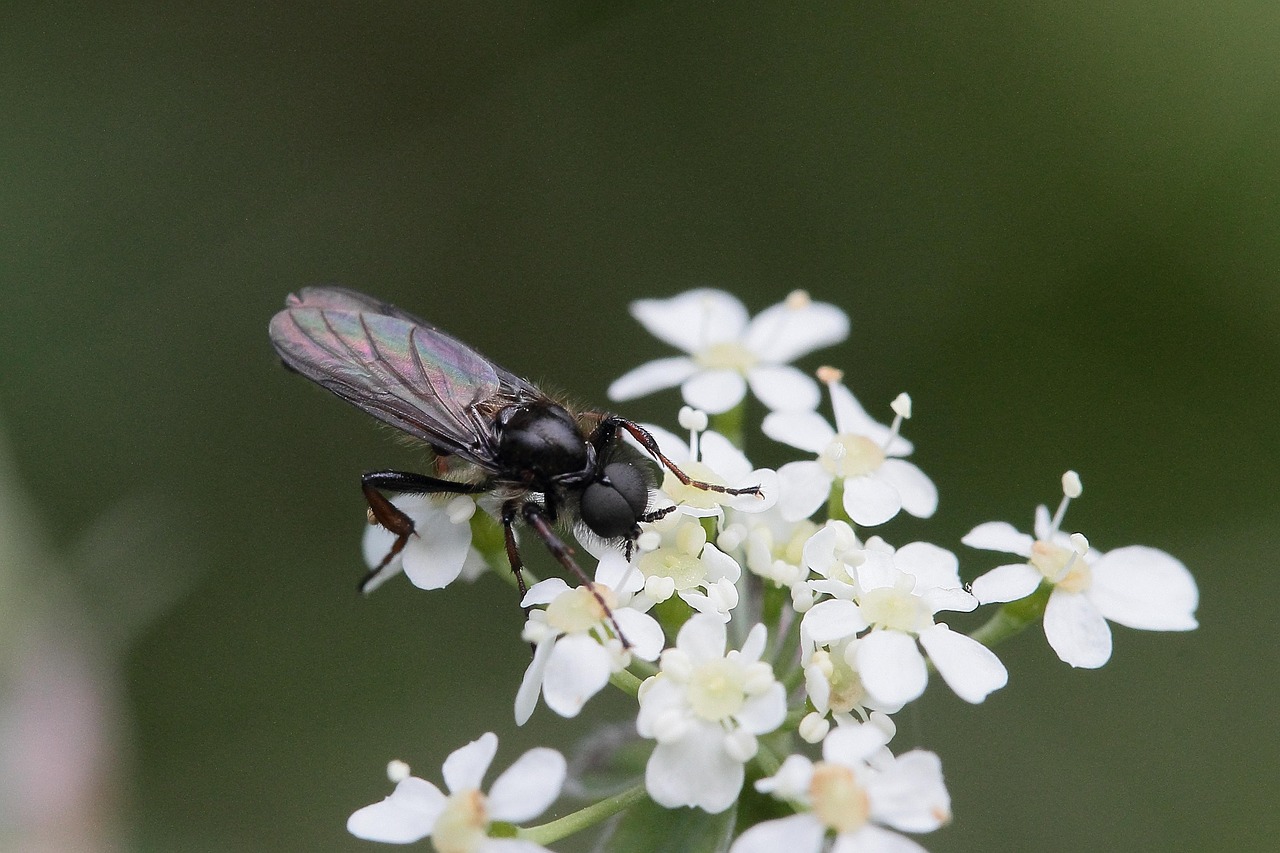
Fungus gnats are small, dark, mosquito-like insects that primarily congregate around the soil surface of your houseplants. Unlike pests that feed on plant foliage, fungus gnats spend their larval stage in the soil, feeding on fungi, algae, and decaying organic matter. If you notice tiny, black flies hovering near your pots immediately after watering, you are likely dealing with a fungus gnat infestation.
To confirm the presence of fungus gnats versus other common garden pests, observe the following characteristics:
- Flight Patterns: Fungus gnats are weak fliers. They tend to scurry across the soil surface or take short, jerky flights when the plant is disturbed.
- Soil Moisture: These pests thrive in consistently damp environments. If your soil remains soggy for days, it creates the perfect breeding ground for larvae.
- Damage Type: While adult gnats are mostly a nuisance, their larvae can damage delicate root systems, leading to yellowing leaves or stunted growth.
- Sticky Trap Results: Place a yellow sticky card near the base of the plant. If the card fills with small, dark insects, you have confirmed a fungus gnat population.
The most critical indicator of a fungus gnat problem is your watering routine. Because these insects are attracted to moisture and decomposing organic material, their presence is almost always a sign that your potting medium is staying too wet for too long. If you find yourself constantly reaching for your watering can, you may be unintentionally creating an ideal habitat for these pests.
Distinguishing them from other pests is simple: if the insects are exclusively flying around the soil rather than clinging to the undersides of leaves or creating sticky webbing, you can safely assume you are dealing with fungus gnats. Once you have identified them, the focus shifts from pest control to moisture management. By allowing the top two inches of soil to dry out completely between waterings, you disrupt the life cycle of the larvae, effectively stopping the infestation without the need for harsh intervention or specialized hand tools.
Immediate Cultural Controls
The most effective way to break the lifecycle of fungus gnats is to target their primary breeding ground: moist, organic-rich soil. Fungus gnat larvae feed on decaying plant matter and fungi in the top layer of potting mix. By drying out the upper inch of soil, you create an inhospitable environment that kills the larvae and prevents new eggs from hatching.
To implement this cultural control, adjust your watering schedule. Instead of watering on a strict calendar basis, check the soil moisture by inserting your finger or a wooden dowel one inch deep. If it feels damp, wait a few more days. Allowing the surface to dry out completely is a safe, chemical-free method to suppress the population without harming your plants.
Simultaneously, you must eliminate the food sources that sustain larvae. Fungus gnats thrive on decomposing organic material. A clean garden environment is essential for long-term maintenance:
- Clear debris: Regularly remove fallen leaves, spent flowers, and any organic mulch from the surface of your pots.
- Prune dead tissue: Trim away yellowing or decaying foliage, as these provide ideal conditions for gnats to lay eggs.
- Maintain tools: Ensure your hand tools and garden shears are clean to prevent the spread of fungal spores that gnats feed upon.
While drying the soil addresses the larvae, you must also manage the adult population to stop the reproductive cycle. Yellow sticky traps are a practical, non-toxic tool for this purpose. Because adult fungus gnats are naturally attracted to the color yellow, these traps act as both a control measure and a diagnostic device.
Place your sticky traps horizontally near the base of the plant or hang them vertically just above the soil line. These traps will capture flying adults, preventing them from laying more eggs in your soil. Monitor the traps daily; a high number of gnats caught in a short period indicates a heavy infestation that may require more aggressive intervention. If the traps fill up quickly, replace them to keep the monitoring process accurate. By combining soil moisture management with consistent debris removal and trapping, you can effectively bring a gnat infestation under control using simple, sustainable home gardening practices.
Natural Treatment Options
If you prefer to avoid harsh synthetic chemicals, several natural methods can effectively disrupt the gnat life cycle. Because fungus gnats thrive in moist, organic-rich soil, the most successful strategies focus on making the environment inhospitable for both larvae and egg-laying adults.
One of the most practical physical barriers is to top-dress your potting soil. By applying a quarter-inch layer of coarse sand or fine decorative gravel to the surface, you prevent adult gnats from reaching the soil to lay their eggs. This layer also helps the top of the soil dry out faster between waterings, which is essential for long-term control.
For existing infestations, you can target the larvae directly within the soil using these safe, household-friendly treatments:
- Diluted Hydrogen Peroxide: Mix one part 3% hydrogen peroxide with four parts water. Use this solution to water your plants thoroughly. The peroxide reacts with organic matter in the soil, killing larvae on contact without harming the plant roots. You may hear a slight fizzing sound, which is normal.
- Neem Oil Drench: Neem oil is a natural botanical extract that acts as both an insecticide and a growth regulator. Mix a high-quality, cold-pressed neem oil with water and a drop of mild dish soap, then use it as a soil drench. This disrupts the larvae’s ability to feed and develop.
- Sticky Traps: While not a soil treatment, yellow sticky traps are vital for catching the flying adults. Placing these near the base of your plants prevents new eggs from being laid while you treat the soil.
Consistency is key when using natural remedies. Because these treatments primarily target larvae or adults, you should repeat the application every five to seven days for at least three weeks. This schedule ensures you catch any new eggs that hatch after your initial treatment. Always ensure your pots have adequate drainage holes and avoid overwatering, as standing water is the primary attractant for these pests. If a plant remains severely infested, it is often best to isolate it from your other healthy houseplants to prevent the gnats from spreading throughout your indoor garden.
Safety and Best Practices
When addressing a gnat infestation, you will likely use various soil amendments, organic sprays, or traps. While these products are designed to protect your plants, they still require careful handling to ensure your safety and the health of your household.
Always prioritize physical protection when working with soil and treatment products. Even if a product is labeled as “natural” or “organic,” it can still cause skin irritation or allergic reactions. Wear sturdy gardening gloves whenever you mix soil, handle potting media, or apply treatments. Gloves provide a necessary barrier against potential pathogens in damp soil and prevent direct contact with concentrated botanical oils or soaps found in many gnat sprays.
Proper ventilation is equally critical. When applying neem oil, insecticidal soaps, or other sprays, ensure you are working in a well-ventilated area. If you are treating indoor plants, open nearby windows or use a fan to improve airflow. Avoid breathing in fine mists, as these can irritate your respiratory system. If you are sensitive to scents or have existing respiratory conditions, consider wearing a basic face mask during application.
To keep your home environment safe, follow these essential storage and hygiene protocols:
- Secure Storage: Keep all gardening chemicals, concentrated soaps, and sticky traps strictly out of reach of children and pets. Store these items in a locked cabinet or on a high shelf away from food preparation areas.
- Labeling: Never transfer treatments into unlabeled containers, such as repurposed food or drink bottles, as this creates a significant accidental ingestion risk.
- Hygiene: Always wash your hands thoroughly with soap and warm water immediately after handling gardening supplies, mixing soil, or applying treatments.
- Equipment Maintenance: If you use sprayers or garden tools to apply treatments, rinse them thoroughly after each use to prevent residue buildup, which could accidentally contaminate other gardening activities later.
By treating your gardening supplies with the same caution you would apply to household cleaners, you can effectively manage gnat populations without compromising your safety. Always read the manufacturer’s label on any product before use, as it contains specific instructions regarding protective gear and environmental precautions tailored to that particular formulation. Consistent, careful habits turn routine plant maintenance into a safe and successful practice.

Preventative Care and When to Seek Help
Long-term gnat control relies on breaking the insect’s life cycle by eliminating their preferred breeding grounds: moist, organic-rich soil. The most effective preventative measure is adjusting your watering habits. Instead of watering from the top, which keeps the surface layer damp, switch to bottom-watering. By placing your pots in a tray of water for 15 to 20 minutes, you allow the roots to absorb moisture through the drainage holes, leaving the top inch of soil dry and inhospitable to gnat larvae.
Proper drainage is equally critical. Ensure every plant is housed in a container with adequate drainage holes. If you use decorative pots without holes, keep the plant in its original plastic nursery liner inside the decorative vessel. If water accumulates in the saucer or the bottom of the outer pot, empty it immediately. Standing water creates a stagnant environment that encourages pests and root rot.
If you are dealing with a heavy, persistent infestation, simple surface treatments may not be enough. In these cases, re-potting is the most practical solution. Follow these steps to reset your plant’s environment:
- Gently remove the plant from its current pot and shake off as much of the old, infested soil as possible.
- Inspect the root system for damage or rot, trimming away any mushy or dark sections with sterilized hand pruners.
- Repot the plant using fresh, high-quality indoor potting mix, ensuring you do not reuse the old soil.
- Clean the original pot thoroughly with a mild soap solution or a diluted bleach mixture to kill any remaining eggs before reuse.
Despite your best efforts, some infestations prove stubborn. If you have consistently used yellow sticky traps, bottom-watered, and repotted your plants, but the gnats continue to swarm, it may be time to seek expert advice. Local nurseries are excellent resources; they often carry specialized biological controls, such as beneficial nematodes or Bacillus thuringiensis israelensis (BTI) dunks, which are highly effective but sometimes harder to source. If you suspect the gnats are coming from a larger household issue—such as a hidden plumbing leak or a damp crawlspace—consult a professional pest control service. They can help identify if your plant gnats are actually fungus gnats or a different pest requiring structural intervention.

Dedicated team of gardening enthusiasts with years of hands-on experience testing lawn mowers, gardening tools, and outdoor equipment. We help home gardeners and professionals alike make informed buying decisions with honest, thorough reviews. From push mowers to pruning shears, we test it all so you don’t have to. Got a gardening tool you’d like us to review? Get in touch!