
To get rid of gnats in house plants, allow the top two inches of soil to dry out completely between waterings. Fungus gnats are a common nuisance for indoor gardeners, often appearing after overwatering, so reducing moisture is your first line of defense to disrupt their breeding cycle and kill existing larvae.
While these tiny pests are frustrating, they rarely kill healthy plants, though they can damage delicate root systems if left unchecked. Managing them requires a combination of patience and consistent care rather than harsh chemicals. Understanding their lifecycle is essential for long-term control and ensures you keep your indoor garden thriving year-round.
This guide explains how to identify these pests and provides practical, step-by-step methods to eliminate them and prevent their return without damaging your plants. We will explore effective tools, natural traps, and soil management techniques to reclaim your home greenery. Follow these expert tips to maintain a healthy, gnat-free environment for all your indoor plants.

Identifying the Problem
Before you reach for chemical sprays or heavy-duty garden equipment, it is vital to confirm that your houseplants are actually suffering from a fungus gnat infestation. Many small insects inhabit potting soil, and not all of them require intervention. Distinguishing between harmless soil-dwelling mites or springtails and true fungus gnats is the first step in successful home gardening.
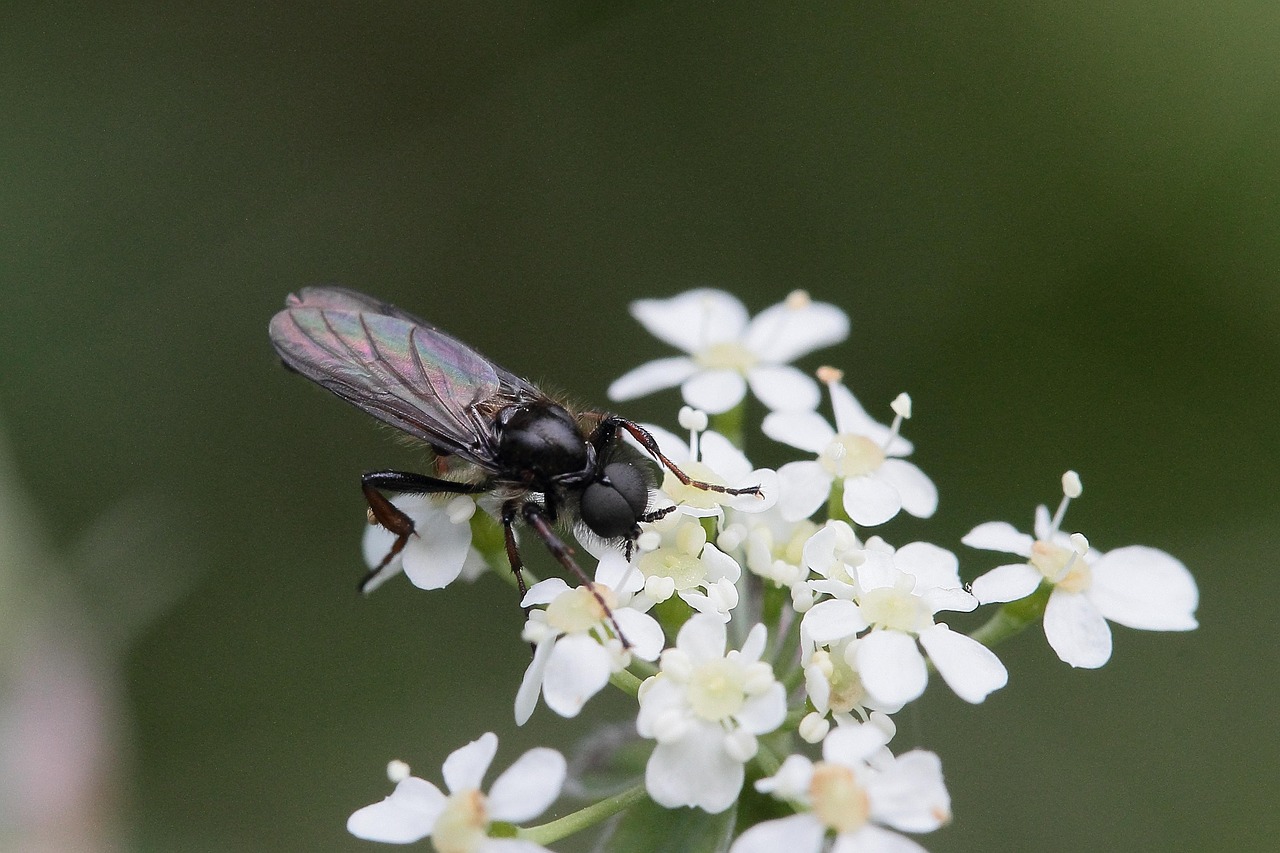
Fungus gnats are small, dark-colored flies that hover around the soil surface. They are primarily attracted to moisture and decaying organic matter. If you notice tiny, mosquito-like insects fluttering near your plants after watering, you are likely dealing with gnats. Conversely, if the insects are jumping rapidly or moving deep within the substrate, they may be a different, less destructive species.
To confirm an infestation, you must inspect the top layer of your potting mix. Fungus gnat larvae are the primary culprits responsible for damaging delicate root systems. Use these steps to identify them:
- Visual Inspection: Look closely at the top half-inch of soil under bright light. Fungus gnat larvae appear as tiny, translucent, or whitish worms with distinct black heads.
- The Potato Test: Place a slice of raw potato on the surface of the soil. Leave it overnight. If larvae are present, they will migrate to the underside of the potato slice, making them easy to spot and remove.
- Yellow Sticky Traps: Place small yellow sticky cards near the base of the plant. Adult gnats are highly attracted to the color yellow. If you catch several adults in a short period, you have confirmed an active population.
Once you have identified the pests, focus on your maintenance routine. Gnats thrive in consistently soggy soil. If you find larvae, allow the top two inches of potting mix to dry out completely between waterings. This simple adjustment to your garden maintenance routine disrupts the life cycle of the gnats by killing the larvae, which cannot survive in dry conditions. Avoid overwatering, and ensure your pots have adequate drainage holes to prevent the standing water that attracts these pests in the first place. By observing these habits, you can often manage the population without needing harsh outdoor power equipment or complex chemical treatments.
Immediate Cultural Controls
The most effective, non-chemical method to eliminate fungus gnats is to disrupt their life cycle by altering the moisture levels in your potting soil. Fungus gnats thrive in consistently damp environments, where their larvae feed on organic matter and fungi within the substrate. By allowing the top two to three inches of soil to dry out completely between waterings, you create an inhospitable environment that kills off larvae and prevents adults from laying new eggs.
To implement this cultural control effectively, you must adjust your current watering routine. Instead of watering on a set schedule, use the “finger test” before adding more moisture. Insert your finger into the soil up to the second knuckle; if it feels damp, wait a few more days. When you do water, ensure your pots have adequate drainage holes to prevent water from pooling at the bottom, which creates a breeding ground for pests.
Alongside moisture management, you must eliminate the food sources that sustain larvae. Fungus gnats are attracted to decaying organic material. A clean soil surface is essential for breaking the cycle of infestation.
Follow these steps to sanitize your plant environment:
- Clear the surface: Remove all fallen leaves, dead plant tissue, and organic debris from the top of the soil. These items provide the primary food source for developing larvae.
- Prune and clean: Use sharp, clean hand tools to trim away any yellowing or decaying foliage from the plant itself.
- Monitor drainage: Ensure that saucers under your pots are emptied promptly after watering. Never let a pot sit in standing water, as this keeps the bottom soil layers saturated for too long.
- Improve airflow: Place your plants in an area with good air circulation. Improved ventilation helps the soil surface dry out faster, making it less attractive to adult gnats looking for a place to deposit eggs.
By combining a drier soil surface with a strict sanitation routine, you effectively starve the larvae and interrupt the gnat population growth. This strategy requires patience, as it may take two to three weeks to see a significant reduction in adult activity, but it remains the safest and most sustainable way to protect your indoor garden without relying on harsh chemical pesticides.
Using Traps and Barriers
Once you have identified a fungus gnat infestation, physical intervention is the most effective way to break their reproductive cycle. By combining targeted traps with soil barriers, you can stop the current population from breeding while simultaneously capturing the adults already flying around your home.
Deploying Yellow Sticky Traps
Fungus gnats are naturally attracted to the color yellow. Sticky traps exploit this behavior, acting as a simple, non-toxic method to monitor and reduce the adult population. To use them effectively:
- Place the traps as close to the soil surface as possible, as this is where gnats congregate.
- Use small stakes or clips to secure the traps so they do not blow over or stick to your plants’ foliage.
- Replace the traps once they become covered in insects or lose their adhesive strength.
While these traps will not eliminate the larvae living inside the soil, they are essential for preventing adult gnats from laying hundreds of new eggs, which is the primary driver of an infestation.
Applying Soil Barriers
The most successful long-term strategy involves preventing adult gnats from reaching the moist potting mix where they lay their eggs. By creating a physical barrier on the surface of the soil, you turn an attractive breeding ground into an impenetrable environment.
For the best results, use horticultural sand or fine decorative gravel. Follow these steps to apply the barrier correctly:
- Allow the top inch of your potting soil to dry out completely before application.
- Apply a layer of sand or gravel approximately one-half to one inch thick across the entire surface of the soil.
- Ensure the layer reaches all the way to the edges of the pot, leaving no exposed soil gaps where gnats might enter.
This dry, abrasive layer prevents adults from burrowing into the soil to deposit eggs. Furthermore, because sand and gravel dry out much faster than organic potting mix, the environment becomes hostile to any larvae that manage to hatch. This two-pronged approach of trapping adults and sealing the soil surface is a reliable, chemical-free way to regain control of your indoor garden and protect your houseplants from further damage.
Biological and Natural Treatments
When dealing with a persistent gnat infestation, the most effective approach is to target the larvae living in the potting soil. Biological treatments are often the safest and most reliable method for indoor plants, as they disrupt the life cycle without introducing harsh synthetic chemicals into your home environment.
The gold standard for gnat control is Bacillus thuringiensis israelensis (BTI), commonly sold as Mosquito Bits or Mosquito Dunks. BTI is a naturally occurring bacterium that specifically targets the larvae of fungus gnats and mosquitoes. Because it is highly selective, it remains safe for humans, pets, and the plants themselves.
To apply BTI effectively:
- Soak the Mosquito Bits in your watering can for at least 30 minutes to release the bacteria into the water.
- Strain the bits out or use the water directly to saturate the top two inches of your plant’s soil.
- Repeat this process every time you water for at least three weeks to catch new generations as they hatch.
For those looking for immediate contact treatments, neem oil and diluted hydrogen peroxide are popular home remedies. Neem oil acts as a natural repellent and growth regulator, while a mixture of one part 3% hydrogen peroxide to four parts water can kill larvae on contact through oxidation.
However, these treatments require caution to avoid damaging your greenery:
- Perform a patch test: Always apply your chosen solution to a single, inconspicuous leaf or a small section of the soil surface first.
- Wait 24 hours: Monitor the test area for signs of wilting, browning, or leaf burn before treating the entire plant.
- Avoid direct sunlight: Do not treat plants while they are in direct, intense sun, as wet leaves are more susceptible to burning.
Consistency is the most important factor in successful gnat removal. Because these treatments primarily affect the larvae, you must continue the application long enough to break the reproductive cycle. If you see adult gnats flying, consider adding yellow sticky traps to the base of your pots; these will capture the remaining adults, preventing them from laying new eggs while the biological treatments work to clear the soil.

Prevention and Follow-up Care
Once you have treated your plants for fungus gnats, the focus shifts to preventing a recurrence. Gnats thrive in moist soil and decaying organic matter, so the most effective preventative measure is adjusting your watering habits. Always allow the top two inches of soil to dry out completely before watering again. This breaks the life cycle of the larvae, which require consistently damp conditions to survive.
If you are considering repotting an infested plant, proceed with caution. While moving a plant to fresh, sterile potting mix can remove a large portion of the larvae population, it also causes significant stress to the plant. Only repot if the current soil is severely degraded or waterlogged. If you decide to repot, ensure you use a high-quality, well-draining potting mix and clean your pots thoroughly with soap and water before reuse to eliminate hidden eggs.
When working with soil and plant treatments, hygiene is essential to protect your health:
- Always wear gardening gloves when handling potting soil or mixing substrates to prevent exposure to soil-borne bacteria or fungi.
- Wash your hands thoroughly with soap and warm water immediately after gardening, especially after applying neem oil, hydrogen peroxide solutions, or biological controls.
- Sanitize your hand tools, such as trowels and pruners, with a diluted bleach solution or rubbing alcohol after use to prevent spreading pests or pathogens to other plants.
For severe infestations, isolation is your best defense. If a specific plant is heavily infested, move it to a separate room or a screened area immediately to prevent the gnats from migrating to your healthy collection. Monitor the isolated plant closely for several weeks.
If you have tried multiple treatments—such as yellow sticky traps, soil drenches, and reduced watering—and the gnat population persists, it may be time to consult a local nursery professional or a certified arborist. Sometimes, an infestation is a symptom of a deeper issue, such as root rot or improper drainage, that requires expert intervention. Do not hesitate to discard a plant if it is beyond recovery; protecting the health of your remaining indoor garden is always the priority. By keeping your tools clean and maintaining a consistent, dry-top-soil routine, you can keep your home environment gnat-free year-round.

Dedicated team of gardening enthusiasts with years of hands-on experience testing lawn mowers, gardening tools, and outdoor equipment. We help home gardeners and professionals alike make informed buying decisions with honest, thorough reviews. From push mowers to pruning shears, we test it all so you don’t have to. Got a gardening tool you’d like us to review? Get in touch!