
To get rid of flower gnats, start by allowing the top inch of your potting soil to dry out completely between waterings. These pests, commonly known as fungus gnats, thrive in damp environments, so reducing moisture is the most effective way to break their breeding cycle and eliminate an active infestation quickly.
While these tiny flies are a frequent nuisance for indoor gardeners, they are rarely fatal to established plants if managed early. Understanding that they feed on organic matter in damp soil helps you target the source rather than just the flying adults, ensuring your garden maintenance efforts are focused and highly productive.
This guide explains how to identify these pests, eliminate current infestations using safe methods, and implement long-term preventative maintenance. Whether you are using hand tools to aerate soil or adjusting your watering routine, you will learn practical, actionable steps to keep your indoor plants healthy, thriving, and completely gnat-free all year round.

Identifying the Problem
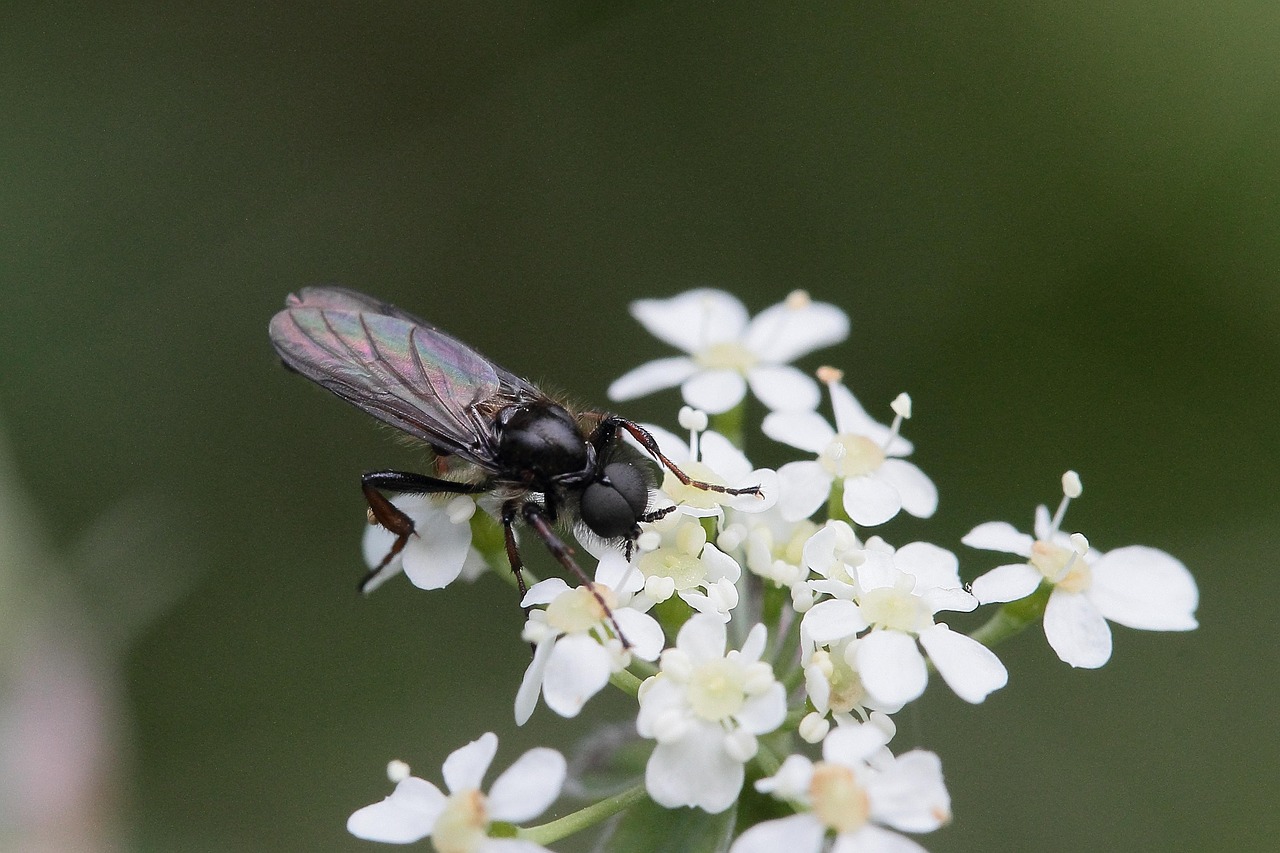
Before you reach for heavy-duty outdoor power equipment or chemical sprays, you must confirm that your nuisance is indeed a fungus gnat. Often mistaken for fruit flies, fungus gnats are tiny, delicate, dark-colored insects that seem to hover aimlessly around your houseplants. Unlike fruit flies, which gravitate toward rotting produce, fungus gnats are almost exclusively attracted to damp potting soil and decaying organic matter.
To identify them, observe their flight patterns. Fungus gnats are weak flyers and are rarely seen buzzing around your kitchen fruit bowl. Instead, they prefer the surface of your plant containers, often scurrying across the soil or resting on the lower leaves. If you notice a sudden swarm when you brush against a plant or water it, you likely have an infestation.
Understanding their life cycle is essential for effective removal. These pests do not just exist as adults; the real damage occurs beneath the surface. The female gnat lays hundreds of eggs in moist soil. Within a few days, these hatch into translucent, worm-like larvae with black heads. These larvae feed on root hairs, fungi, and organic debris within the potting mix, which can weaken your plants and stunt their growth.
You can verify their presence using these simple diagnostic steps:
- The Yellow Sticky Trap Test: Place a yellow sticky card near the soil surface. Fungus gnats are highly attracted to the color yellow and will become trapped, allowing you to confirm their identity.
- The Potato Slice Method: Place a raw slice of potato on the surface of the soil. Leave it overnight. If larvae are present, they will migrate to the underside of the potato to feed, making them easy to spot the next morning.
- Soil Inspection: Gently scratch the top half-inch of your potting soil. If you see tiny, shiny, thread-like larvae moving, you have confirmed the source of the infestation.
By identifying these pests early, you can focus your garden maintenance efforts on the root cause: excess moisture. Fungus gnats thrive in soggy conditions, so the most practical home gardening solution often involves adjusting your watering habits and ensuring your containers have excellent drainage. Once you have positively identified the gnats, you can move forward with targeted, safe treatment methods without wasting time on ineffective pest control strategies.
Immediate Treatment Methods
The most effective way to eliminate a flower gnat infestation is to disrupt their life cycle. Because these pests thrive in moist environments, the first step is to manage your soil moisture. Allow the top two inches of soil to dry out completely between waterings. Larvae require consistent moisture to survive; by creating a dry upper layer, you effectively kill the developing generation before they can mature into flying adults.
While managing moisture, you must also address the adults currently flying around your plants. Use yellow sticky traps placed near the base of the stems. These pests are naturally attracted to the color yellow, and the adhesive surface will capture them, preventing them from laying more eggs in your potting mix.
To treat the larvae already present in the soil, you can use one of these two effective methods:
- Hydrogen Peroxide Solution: Mix one part 3% hydrogen peroxide with four parts water. Pour this mixture into the soil until it runs out of the drainage holes. The peroxide releases oxygen, which kills larvae on contact without harming your plant’s root system.
- BTI (Bacillus thuringiensis israelensis): This is a biological control agent that specifically targets gnat larvae. You can find BTI in the form of “mosquito dunks” or granules. Dissolve a piece of the dunk in your watering can and use it to irrigate your plants. This is often the safest and most reliable long-term solution for persistent infestations.
Consistency is key when using these methods. Because the eggs and larvae develop at different rates, you should continue these treatments for at least two to three weeks. This duration ensures that any eggs hatching after your initial treatment are also addressed. Avoid overwatering your plants even after the gnats have disappeared, as consistently waterlogged soil is the primary factor that invites them back. If you have multiple houseplants, treat them all simultaneously to prevent the gnats from simply migrating to a nearby pot. By combining moisture control with targeted biological or chemical treatments, you can clear your indoor garden of pests while keeping your plants healthy and thriving.
Essential Garden Maintenance and Tools
Effective garden maintenance is your first line of defense against flower gnats. These pests thrive in moist, stagnant environments, so your choice of tools and equipment plays a vital role in keeping your indoor and outdoor plants healthy and gnat-free.
The most important step in preventing an infestation is managing soil moisture. If you notice your potting mix staying wet for too long, use a clean hand trowel to gently aerate the top layer. This simple action increases airflow, allowing the soil to dry out more quickly and disrupting the life cycle of gnat larvae, which require damp conditions to survive.
When performing routine maintenance, ensure your gardening toolkit is optimized for hygiene:
- Sterile Equipment: Always clean your pruning shears, trowels, and other hand tools with rubbing alcohol after every use. This prevents the accidental spread of pathogens and fungal spores that attract gnats.
- Potting Standards: Use high-quality, sterile potting mix. Cheap or outdoor-sourced soil often contains gnat eggs or larvae.
- Drainage Check: Ensure all your pots have adequate drainage holes. If water pools at the bottom of a container, it creates a breeding ground for pests.
Beyond soil management, your choice of outdoor power equipment can influence the overall health of your garden. Keeping the area surrounding your potted plants clear of debris and tall grass reduces the humidity levels that gnats prefer. If you are moving plants from an outdoor space back into your home, use a leaf blower or a soft brush to remove any lingering organic matter or insects from the base of the pots before they cross your threshold.
Regularly inspecting your plants with a sharp eye and clean tools allows you to catch early signs of moisture buildup before they become a full-blown infestation. By keeping your tools sanitized and your soil well-aerated, you create an environment where gnats cannot take hold. Remember, consistent maintenance is far more effective than trying to eradicate a large population once it has already established itself in your favorite houseplants. Keep your equipment dry, your soil breathable, and your garden tools disinfected to maintain a pest-free home sanctuary.
Safety and Best Practices
Managing flower gnats—often identified as fungus gnats—frequently involves soil treatments or targeted pesticides. Because these products can be irritants, prioritizing your safety is essential before you begin any maintenance task. Treating your indoor or outdoor plants should never come at the expense of your health or the safety of your household.
Always wear chemical-resistant gloves when handling soil amendments, neem oil, or insecticidal soaps. Protecting your skin prevents accidental absorption and irritation, especially if you have sensitive skin or minor cuts. If you are mixing concentrated solutions, ensure you are working in a well-ventilated area, such as a garage with the door open or outdoors, to avoid inhaling concentrated fumes or mist.
Follow these essential safety protocols when managing your garden tools and chemical treatments:
- Read the Label: Every product has specific instructions regarding application rates and required personal protective equipment (PPE). Never assume one product’s safety guidelines apply to another.
- Secure Storage: Gardening chemicals, including organic or natural treatments, must be stored in their original containers. Keep them in a locked cabinet or on a high shelf, completely out of reach of children and pets.
- Tool Hygiene: After applying treatments, thoroughly wash your hand tools and equipment. Residue from pesticides can degrade certain plastic or metal components over time if left uncleaned.
- Personal Protection: If the product label suggests eye protection, wear safety goggles. Avoid touching your face or eyes while applying treatments to your potting soil or garden beds.
When using power equipment or sprayers to distribute treatments, double-check that your gear is in good working order. Leaky seals on a handheld sprayer can lead to chemical exposure on your hands or clothing. If you notice any damage to your equipment, repair or replace it before proceeding.
Finally, dispose of any leftover mixtures according to the manufacturer’s instructions. Never pour concentrated chemicals down household drains or into storm sewers. By treating your gardening supplies and chemicals with respect, you create a safer environment for your family while effectively managing the gnat population in your home. Always prioritize a methodical, cautious approach to ensure both your plants and your household remain healthy throughout the treatment process.

Follow-up Care and When to Seek Help
After applying your initial treatment, your work isn’t quite finished. Fungus gnats have a life cycle that includes eggs hidden in the soil, which often hatch after your first round of control. Monitor your plants closely for at least three to four weeks. Watch the soil surface and use yellow sticky traps to detect any new adult activity. If you see gnats reappearing, repeat your chosen treatment method to catch the next generation before they can lay more eggs.
If you have been diligent with traps, neem oil, or hydrogen peroxide solutions but the gnats persist, the infestation may be deeper than the surface level. At this stage, the most effective solution is a full soil replacement. Follow these steps to reset your plant’s environment:
- Gently remove the plant from its current pot and shake away as much of the old, infested soil as possible.
- Inspect the root system carefully. If roots appear mushy, discolored, or emit a foul odor, trim away the damaged sections using sterilized hand pruners.
- Wash the existing pot thoroughly with a mild bleach solution to kill any remaining eggs or larvae.
- Repot the plant using fresh, high-quality, sterile potting mix. Avoid reusing any soil from the previous infestation.
Proper maintenance is your best defense against future outbreaks. Always allow the top two inches of soil to dry out completely between waterings, as fungus gnats thrive in consistently moist conditions. Ensure your pots have adequate drainage holes to prevent water from pooling at the bottom, which creates the perfect breeding ground for larvae.
Sometimes, despite your best efforts, an infestation can become overwhelming or a plant may show signs of severe decline, such as yellowing leaves or wilting that doesn’t improve with proper watering. If you suspect advanced root rot or if the gnats have spread to your entire collection, do not hesitate to seek help. Local nursery professionals have access to specialized soil amendments and systemic treatments that are often unavailable to the general public. Bringing a sample of the affected soil or a leaf cutting to a professional can help you identify if the issue is purely gnats or a more complex fungal pathogen requiring expert intervention.

Dedicated team of gardening enthusiasts with years of hands-on experience testing lawn mowers, gardening tools, and outdoor equipment. We help home gardeners and professionals alike make informed buying decisions with honest, thorough reviews. From push mowers to pruning shears, we test it all so you don’t have to. Got a gardening tool you’d like us to review? Get in touch!