
To get rid of gnats in plants, you must first break their life cycle by letting the top layer of soil dry out completely between waterings. Applying yellow sticky traps and neem oil treatments are the most effective, science-backed methods to eliminate these pests quickly and protect your indoor garden from further damage.
Managing an infestation requires patience and consistency, as these tiny insects thrive in moist conditions common in home environments. While you might be tempted to reach for harsh chemicals, understanding the root cause—usually overwatering—is essential for long-term success. Realistic expectations are key, as complete eradication often takes several weeks of dedicated care.
This comprehensive guide covers everything you need to identify the specific source of your infestation and apply safe, targeted treatments to restore your home environment. We will explore practical maintenance techniques, essential tools for soil management, and preventative strategies to ensure your plants remain healthy, vibrant, and completely free from annoying fungus gnats.
Identifying the Problem and Source
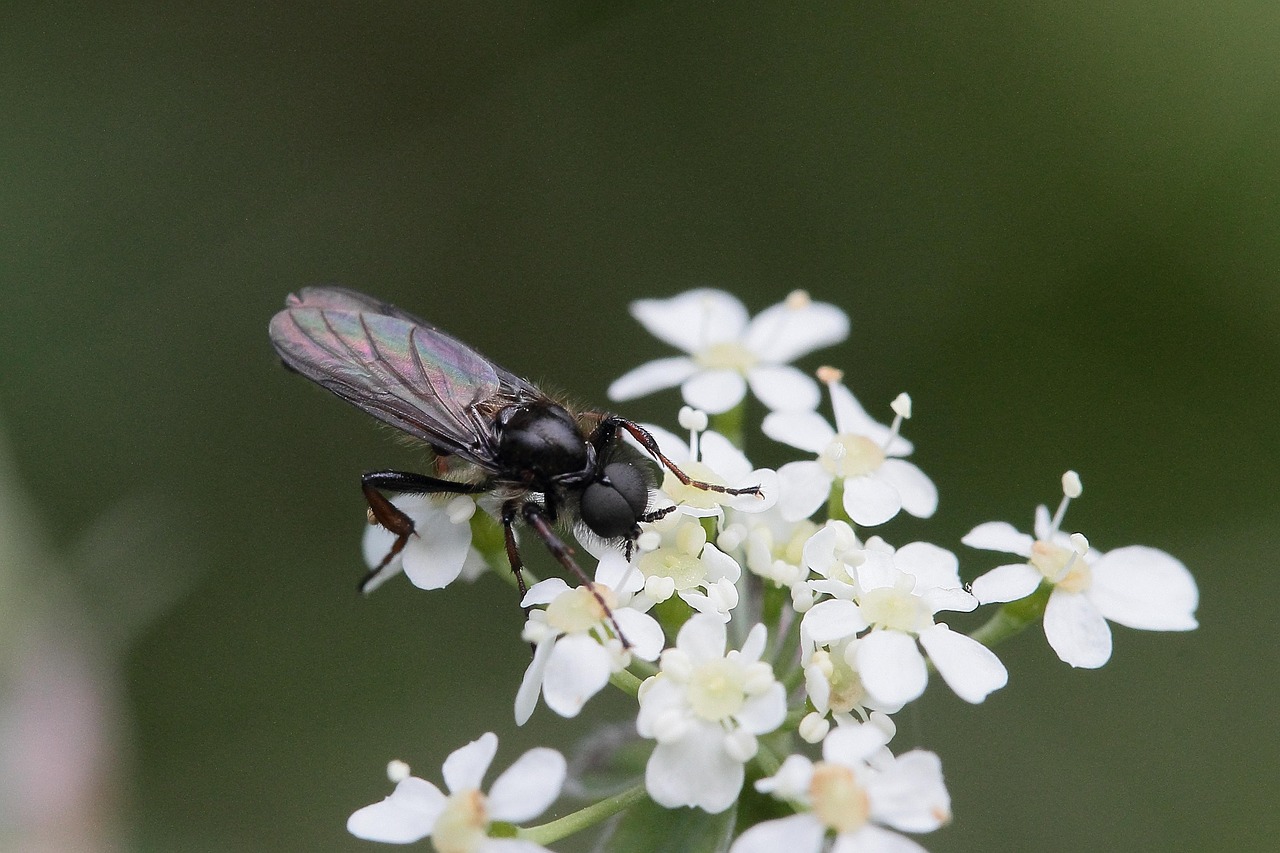
Before you reach for heavy-duty garden maintenance tools or chemical sprays, you must confirm that the pests hovering around your houseplants are actually fungus gnats. These tiny, dark-winged insects are often confused with fruit flies, but their behavior is distinct. While fruit flies gravitate toward ripening produce, fungus gnats are inextricably linked to your containers and potting soil.
To identify them, observe their movement. Fungus gnats typically stay close to the soil surface, where they lay their eggs. If you see tiny, mosquito-like insects walking across the top of your potting mix or flitting erratically when you disturb the plant, you are likely dealing with a fungus gnat infestation. They are weak fliers and rarely venture far from their host environment.
The presence of these pests is almost always a diagnostic indicator of your watering habits. Fungus gnats thrive in consistently damp, organic-rich environments. They require moist soil to complete their life cycle, as the larvae feed on decaying organic matter and fungal growth found in soggy potting mix. If your plants are constantly wet, you have inadvertently created the perfect nursery for these pests.
To verify the source and the severity of the problem, perform these quick checks:
- The Soil Test: Touch the top two inches of your potting mix. If it feels perpetually wet or spongy, this is the primary source of the infestation.
- Yellow Sticky Trap Check: Place a small yellow sticky card near the base of the plant. If the trap fills with tiny black insects within 24 hours, the population is active and localized to that specific pot.
- Check Drainage: Inspect the bottom of your pots. If the drainage holes are blocked or the saucer contains standing water, you are providing a secondary breeding ground.
Stopping the life cycle begins at the soil level. By identifying that these gnats are a symptom of overwatering rather than an external invasion, you can shift your focus from ineffective surface sprays to correcting your irrigation routine. Allowing the top layer of soil to dry out completely between waterings is the most effective, chemical-free way to interrupt their reproduction cycle. Once you address the moisture issue, the source of the infestation will naturally disappear.
Immediate Cultural Controls
The most effective way to eliminate a fungus gnat infestation is to disrupt their reproductive cycle. Fungus gnats thrive in moist, organic-rich soil, where they lay their eggs. By altering the environment of your container plants, you make the soil inhospitable for larvae and unattractive to egg-laying adults.
The primary strategy is to allow the top two inches of soil to dry out completely between waterings. Fungus gnat larvae require consistent moisture to survive; when the surface dries, they perish, effectively breaking the breeding cycle.
To implement this cultural control safely, follow these steps:
- Check soil moisture: Before adding water, insert your finger two inches deep into the soil. If you feel dampness, wait another day or two. Do not rely on a strict calendar schedule, as light levels and room temperature influence how quickly soil dries.
- Improve drainage: Ensure your pots have functional drainage holes. If a pot lacks them, the water will pool at the bottom, creating a permanent breeding ground for gnats. Consider repotting into a container with proper drainage or using a well-draining potting mix amended with perlite or pumice.
- Bottom watering: Instead of pouring water onto the soil surface—which keeps the top layer consistently moist—place your pot in a shallow tray of water for 15 minutes. The roots will absorb what they need through the drainage holes, leaving the top two inches of soil dry and inhospitable to gnats.
- Remove debris: Clear away fallen leaves, decaying plant matter, or organic mulch from the soil surface. These items hold moisture and provide additional food sources for larvae.
Beyond moisture control, evaluate your overall garden maintenance. Overcrowded plants or poor airflow can increase humidity levels around the soil surface, encouraging gnat activity. If you have many plants, spacing them out improves air circulation and helps the soil dry more evenly. If you use decorative top-dressings like moss or heavy bark, remove them temporarily until the infestation is under control, as these materials often trap moisture and hide the soil surface from inspection. By prioritizing soil aeration and disciplined watering, you create a hostile environment for gnats while promoting healthier, more resilient root systems for your indoor plants.

Trapping and Biological Treatments
Once you have identified a fungus gnat infestation, the most effective strategy involves a two-pronged attack: trapping the flying adults and eliminating the larvae residing in the soil. This prevents the life cycle from continuing and provides immediate relief for your houseplants.
Yellow sticky traps are the gold standard for monitoring and reducing the adult gnat population. Fungus gnats are naturally attracted to the color yellow, which mimics the appearance of flowers or healthy foliage. By placing these traps near the soil surface, you can capture significant numbers of adults before they have the chance to lay more eggs. These traps are particularly useful for gauging the severity of an infestation; if you see the trap filling up rapidly, you know it is time to intensify your soil treatments.
To address the root of the problem—the larvae feeding on organic matter and roots in your potting mix—biological treatments are the safest and most reliable choice. Instead of harsh chemical pesticides that can damage delicate root systems, use a product containing Bacillus thuringiensis israelensis (Bti).
Bti is a naturally occurring soil bacterium that specifically targets the larvae of fungus gnats and mosquitoes. When applied to the soil, it is ingested by the larvae, effectively neutralizing them without posing any risk to your plants, household pets, or family members.
Follow these steps for effective biological control:
- Dilute correctly: Always follow the manufacturer’s instructions on the product label. Bti often comes in liquid or granular form, which should be mixed into your watering can.
- Water thoroughly: Apply the Bti mixture during your regular watering routine. Ensure the soil is saturated so the bacteria can reach the larvae living in the top two inches of the potting medium.
- Maintain consistency: Because Bti only targets active larvae, you may need to reapply the treatment every time you water for a few weeks. This ensures that any eggs hatching after the initial application are also eliminated.
By combining sticky traps to manage the flying adults and Bti to eradicate the larvae, you can break the gnat life cycle safely. This approach keeps your indoor garden healthy and your home environment free from persistent pests.
Safety and Maintenance Best Practices
When addressing a gnat infestation, you will likely handle soil amendments, neem oil, or other organic treatments. Always wear protective gardening gloves during these tasks. This simple habit prevents skin irritation from concentrated treatments and keeps your hands clean when working with damp, nutrient-rich potting soil that may harbor larvae.
After applying treatments to your plants, proper storage of your gardening supplies is essential for safety and longevity. Keep all chemicals, powders, and organic pesticides in their original containers, stored in a cool, dry, and organized area away from children and pets. Proper organization prevents accidental spills and ensures you can quickly locate your supplies when it is time for follow-up treatments.
Your hand tools, such as trowels and soil scoops, require specific care after interacting with moist soil. Because gnats thrive in damp environments, leaving residue on your tools can create a breeding ground for pests or lead to premature rust. Follow these maintenance steps to keep your equipment in peak condition:
- Clean immediately: Use a stiff-bristled brush to remove all soil particles from the blades and handles of your tools after each use.
- Wash and disinfect: If your tools were used in infested soil, wipe them down with a mild disinfectant or a solution of one part bleach to nine parts water to prevent transferring larvae to healthy plants.
- Dry thoroughly: Use a clean cloth to wipe away all moisture. Never store tools while they are damp, as this is the primary cause of rust on carbon steel components.
- Apply oil: Periodically rub a light coat of mineral oil onto metal surfaces to create a moisture barrier.
If you use outdoor power equipment, such as a leaf blower or lawn mower, ensure they are stored in a dry shed or garage. While these tools are not directly involved in treating indoor gnats, keeping your outdoor space tidy reduces the overall population of flying insects near your home. By maintaining a clean, organized workspace, you protect your investment in high-quality tools and create a healthier environment for your indoor plants to recover. Regular maintenance is the most effective way to ensure your gardening gear remains ready for the next task without becoming a source of contamination itself.

Follow-up Care and When to Seek Help
Once you have successfully reduced the gnat population, consistent monitoring is essential to prevent a resurgence. Fungus gnats thrive in overly moist environments, so the most effective long-term strategy involves adjusting your watering habits. Always allow the top two inches of soil to dry out completely before watering again. This simple practice disrupts the life cycle of the larvae, which require damp soil to survive.
To keep your plants thriving, incorporate these maintenance habits into your routine:
- Use Yellow Sticky Traps: Keep these placed near the soil surface to catch any remaining adult gnats and provide an early warning system for new activity.
- Improve Airflow: Use a small oscillating fan nearby to circulate air around your plants. This helps the soil surface dry faster and makes the environment less hospitable to pests.
- Clean Your Tools: Regularly sanitize your hand tools and gardening equipment with a diluted bleach solution or isopropyl alcohol. This prevents the accidental spread of fungal spores or larvae between pots.
If you notice the infestation returning despite your best efforts, it is time to consider more intensive intervention. The larvae often reside deep within the root zone, where surface treatments cannot reach. In these cases, repotting your plant into fresh, sterile, high-quality potting mix is the most reliable solution. When repotting, gently wash the roots under lukewarm water to remove as much of the old, infested soil as possible.
Sometimes, persistent gnats are a symptom of an underlying issue rather than the root cause. If you have repotted the plant and allowed the soil to dry out, but the gnats remain, the problem may be more complex. You might be dealing with:
- Root Rot: Overwatered plants often suffer from decaying roots, which attract gnats and provide them with a constant food source.
- Systemic Infestations: Certain pests or pathogens may have compromised the plant’s health, making it more susceptible to recurring insect pressure.
If the plant continues to decline, do not hesitate to consult a local nursery professional. Bring a sample of the plant or clear photos of the soil and foliage. An expert can help you determine if the plant requires specialized systemic treatment or if it is time to discard the specimen to protect the rest of your indoor garden.

Dedicated team of gardening enthusiasts with years of hands-on experience testing lawn mowers, gardening tools, and outdoor equipment. We help home gardeners and professionals alike make informed buying decisions with honest, thorough reviews. From push mowers to pruning shears, we test it all so you don’t have to. Got a gardening tool you’d like us to review? Get in touch!