
Attracting hummingbirds requires a combination of the right food sources, water features, and safe nesting environments. This guide explains how to transform your outdoor space into a welcoming habitat for these agile pollinators using practical gardening techniques that leverage the right tools and strategies to ensure your backyard becomes a frequent avian destination.
Creating a hummingbird sanctuary does not happen overnight, but consistent maintenance makes a significant difference. While you might be tempted to rely solely on feeders, natural nectar sources are essential for long-term success. By utilizing proper lawn care equipment and garden maintenance routines, you can cultivate a healthy, vibrant ecosystem that naturally draws these birds in.
In the following sections, we will explore how to use hand tools and outdoor power equipment to prepare your landscape for success. From selecting the best native plants to installing bird-friendly water features, you will learn actionable steps to improve your home gardening efforts. Get ready to turn your yard into a thriving hummingbird haven.
Choose the Right Nectar-Rich Plants
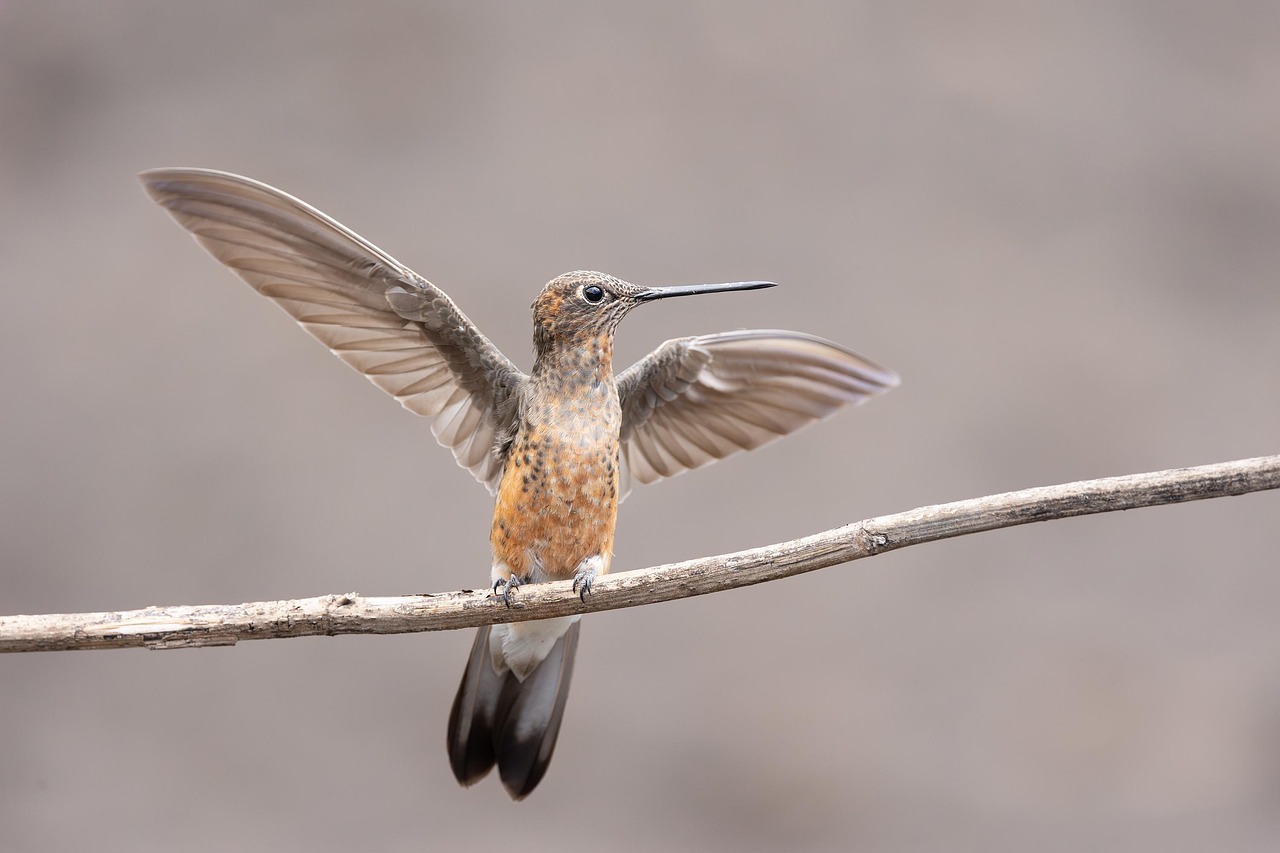
To attract hummingbirds to your garden, your plant selection is the most critical factor. These birds are highly visual foragers, instinctively drawn to bright, tubular flowers that offer high nectar content. By prioritizing red, orange, and pink blooms, you create a natural beacon for these energetic pollinators.
Focusing on native perennials is the most sustainable way to support local hummingbird populations. Native plants have evolved alongside local bird species, providing the exact nutritional profile they require. When planning your garden layout, consider incorporating these reliable favorites:
- Bee Balm (Monarda): A perennial powerhouse that thrives in full sun and produces distinct, nectar-filled tubular flowers.
- Columbine (Aquilegia): Perfect for early spring, these unique, spurred flowers are among the first to welcome hummingbirds back to your yard.
- Cardinal Flower (Lobelia cardinalis): A striking choice for damp areas of your landscape, offering vibrant red spikes that hummingbirds find irresistible.
A common mistake in hummingbird gardening is providing a feast during one month, only to leave the birds hungry the next. To keep hummingbirds returning to your garden throughout the season, you must stagger your bloom times. Aim for a mix of early, mid, and late-season bloomers so that your landscape provides a consistent, reliable food source from spring through the first frost of autumn.
When preparing your beds for these perennials, use a high-quality hand trowel to ensure you are planting at the correct depth without damaging delicate root systems. Clear away surrounding weeds using a hand cultivator to reduce competition for soil nutrients. If you are establishing a larger patch of native flowers, a sharp spade is essential for edging your garden beds, which keeps grass from encroaching on your nectar-rich zones.
Finally, avoid the use of chemical pesticides in your garden. Hummingbirds supplement their nectar-heavy diet by eating small insects and spiders; if you spray your plants, you are inadvertently removing a vital protein source. Maintain your garden using organic practices to ensure a safe, healthy environment for your visitors. By curating a diverse collection of native plants and maintaining them with care, you will transform your outdoor space into a thriving sanctuary that hummingbirds will visit daily.
Setting Up and Maintaining Feeders
While native plants are your primary tool for attracting hummingbirds, supplemental feeders act as a vital energy reserve, especially during peak migration or periods of low bloom. Establishing a reliable feeding station requires consistent maintenance to ensure the health of your local hummingbird population.
To create a safe nectar source, mix a simple solution of four parts water to one part white granulated sugar. Boil the water first to ensure the sugar dissolves completely and to remove any impurities. Once the mixture has cooled to room temperature, it is ready to fill your feeders. Never use honey, molasses, or artificial red dyes, as these can cause severe fungal infections or organ damage in birds.
Maintaining a clean environment is the most critical aspect of hummingbird care. Fermented sugar water or mold growth can be fatal to these small birds. Follow these maintenance steps to ensure your feeders remain a safe haven:
- Frequency: Clean your feeders at least twice a week. During periods of extreme heat, clean them daily to prevent the nectar from spoiling.
- Tools: Use a dedicated bottle brush to reach the interior crevices of the feeder base and ports. A soft-bristled brush is essential for removing residue without scratching the plastic.
- Sanitization: Rinse the feeder thoroughly with hot water. If you notice black spots or cloudy residue, use a solution of one part white vinegar to two parts water. Avoid using harsh household detergents, as chemical residues can be toxic.
- Inspection: Check the feeder for cracks or damaged gaskets. A leaking feeder will attract ants and bees, which can deter hummingbirds from visiting.
Position your feeders in a shaded area to keep the nectar from overheating and spoiling too quickly. If you are using multiple feeders, space them at least ten feet apart. Hummingbirds are highly territorial; providing separate feeding stations allows less dominant birds to feed without being bullied by more aggressive individuals.
By treating your feeders with the same care you apply to your garden tools and lawn equipment, you create a sustainable, high-energy environment. Consistent, hygienic maintenance is the best way to ensure your backyard remains a popular destination for hummingbirds throughout the season.

Creating a Hummingbird-Friendly Environment
Creating a hummingbird-friendly environment requires more than just planting nectar-rich flowers. To keep these birds returning, you must provide essential resources like safe perches and reliable water sources. Hummingbirds are territorial and need places to rest between feedings, so incorporate sturdy, thin-branched shrubs or small trees into your landscape design.
Water is equally vital, but hummingbirds have specific needs. They rarely use deep birdbaths. Instead, install a shallow basin or a dedicated mister. Hummingbirds love to bathe in fine, suspended sprays of water, which mimic the dew-covered leaves they frequent in the wild. A simple misting system attached to a garden hose can turn a quiet corner of your yard into a popular avian spa.
Maintaining your garden is necessary to keep these plants healthy, but your equipment usage must be mindful of nesting birds. Hummingbirds often build tiny, camouflaged nests in the forks of branches. Before you begin any routine garden maintenance, follow these safety steps:
- Inspect before you cut: Carefully examine dense foliage and shrubbery for nests before using hedge trimmers or pruners. If you spot a nest, delay your pruning until the fledglings have left.
- Prioritize protective gear: Always wear impact-resistant safety glasses and durable gardening gloves when operating power equipment or manual hand tools to protect against flying debris and thorns.
- Maintain your tools: Keep your pruners and loppers sharp and clean. Clean, precise cuts promote faster plant healing, which reduces the risk of disease in your nectar-producing shrubs.
- Use quiet equipment: When possible, choose manual hand tools or electric-powered equipment over loud, gas-powered machinery to minimize stress for the birds during the active breeding season.
Practical home gardening for hummingbirds is about balancing aesthetic maintenance with habitat preservation. When you shape your hedges, aim for a natural, slightly loose structure rather than a rigid, formal box shape. This provides better protection for the birds from predators and harsh weather. By integrating these careful maintenance practices with the right water features, you transform your garden into a sustainable sanctuary. Your efforts will be rewarded as these vibrant, energetic visitors make your outdoor space a regular stop in their daily flight paths.
Garden Safety and Chemical Awareness
Creating a hummingbird sanctuary requires more than just planting nectar-rich flowers; it necessitates a careful approach to garden maintenance. While it is tempting to use chemical sprays to manage pests or weeds, these substances can be detrimental to your bird population. Hummingbirds rely on small insects, such as gnats, spiders, and fruit flies, for essential protein. By eliminating these insects with pesticides or herbicides, you inadvertently remove a primary food source, making your garden far less hospitable for nesting birds.
Instead of relying on chemicals, prioritize integrated pest management. Hand-pick larger insects, use physical barriers like row covers, or simply allow nature to find its balance. A healthy, diverse ecosystem often regulates its own pest populations without human intervention.
When using power equipment, such as lawnmowers, string trimmers, or leaf blowers, precision is key. Hummingbirds often nest in low-hanging branches or dense shrubbery near the ground. To protect these delicate zones:
- Maintain a wide buffer zone between your mower deck and flower beds to prevent accidental damage to nectar sources.
- Avoid using heavy-duty blowers near nesting sites, as the forceful air can dislodge nests or stress the birds.
- Clear debris from flower beds by hand rather than using power equipment to ensure you do not disturb hidden nests.
Safety extends to you as the gardener as well. Operating outdoor power equipment requires proper personal protective equipment (PPE) to ensure you remain focused on your task without causing accidental damage to your landscape. Always wear the following when maintaining your yard:
- Ear protection: Essential when using gas-powered blowers or mowers to maintain situational awareness.
- Sturdy, closed-toe boots: These provide stability on uneven ground and protect your feet from debris.
- Eye protection: Keeps dust and flying organic matter away from your face, allowing you to monitor your surroundings more effectively.
By adopting a “less is more” approach to chemical use and exercising caution with power tools, you create a safer, more reliable habitat. When you treat your garden as a living ecosystem rather than a space to be manicured into submission, you significantly increase the likelihood that hummingbirds will choose your yard as their permanent home.

Ongoing Care and Troubleshooting
Once you have successfully attracted hummingbirds to your garden, maintaining a welcoming environment is essential for encouraging them to stay. If you notice birds visiting briefly but not lingering, your garden may lack the necessary infrastructure to make them feel secure. Hummingbirds require protection from high winds and potential predators; ensure you have dense shrubs, tall ornamental grasses, or trees nearby where they can find quick cover and safe perching spots.
Garden maintenance plays a significant role in keeping your visitors happy. Keep your outdoor power equipment and hand tools organized so you can easily prune back overgrown foliage that might obscure their flight paths or harbor pests. However, avoid over-manicuring; leaving some “wild” areas provides the insects they need for protein and the nesting materials they crave.
Common issues often arise with feeders, particularly when bees or wasps become a nuisance. To manage this without harming the pollinators or the hummingbirds, consider these practical steps:
- Use Nectar Guards: Install specialized tips on your feeder ports that allow hummingbirds to reach the nectar with their long beaks while preventing insects from accessing the liquid.
- Adjust Placement: Move feeders out of direct, intense sunlight. Fermenting nectar attracts more bees and can be harmful to birds.
- Maintain Cleanliness: Regularly wipe down the exterior of your feeders to remove sticky, spilled sugar water that lures unwanted insects.
While gardening, you might occasionally encounter a bird that appears injured or unable to fly. It is vital to prioritize the safety of both yourself and the animal. Do not attempt to handle, feed, or provide medical care to a wild bird, as this can cause them unnecessary stress or lead to accidental harm. Instead, observe the bird from a distance to confirm it is truly in distress. If you determine intervention is necessary, contact a local wildlife rehabilitation center immediately. They have the specialized training and equipment required to assess the bird’s condition safely.
By keeping your garden tools in good working order and staying observant of your local ecosystem, you create a sustainable sanctuary. Consistent, low-stress maintenance ensures that your outdoor space remains a reliable haven for hummingbirds throughout the season.

Dedicated team of gardening enthusiasts with years of hands-on experience testing lawn mowers, gardening tools, and outdoor equipment. We help home gardeners and professionals alike make informed buying decisions with honest, thorough reviews. From push mowers to pruning shears, we test it all so you don’t have to. Got a gardening tool you’d like us to review? Get in touch!