
Attracting hummingbirds to your backyard is a rewarding way to bring life and color to your outdoor space. By understanding their specific needs for food, water, and shelter, you can transform your landscape into a welcoming sanctuary for these agile pollinators. Proper garden maintenance and the right tools make creating this vibrant habitat easier than ever.
While these birds are naturally curious, they will only stay if your yard provides a consistent, reliable food source. You do not need a massive estate to succeed, but you must focus on planting native nectar-rich flowers and maintaining clean water features. Patience is essential, as it often takes time for local populations to discover new garden additions.
In this guide, we explore the essential hand tools and outdoor power equipment needed to cultivate a hummingbird-friendly environment. From selecting the best nectar plants to using lawn care equipment effectively, we provide practical tips for every gardener. Follow these expert steps to ensure your backyard becomes a buzzing, beautiful haven for hummingbirds all season long.
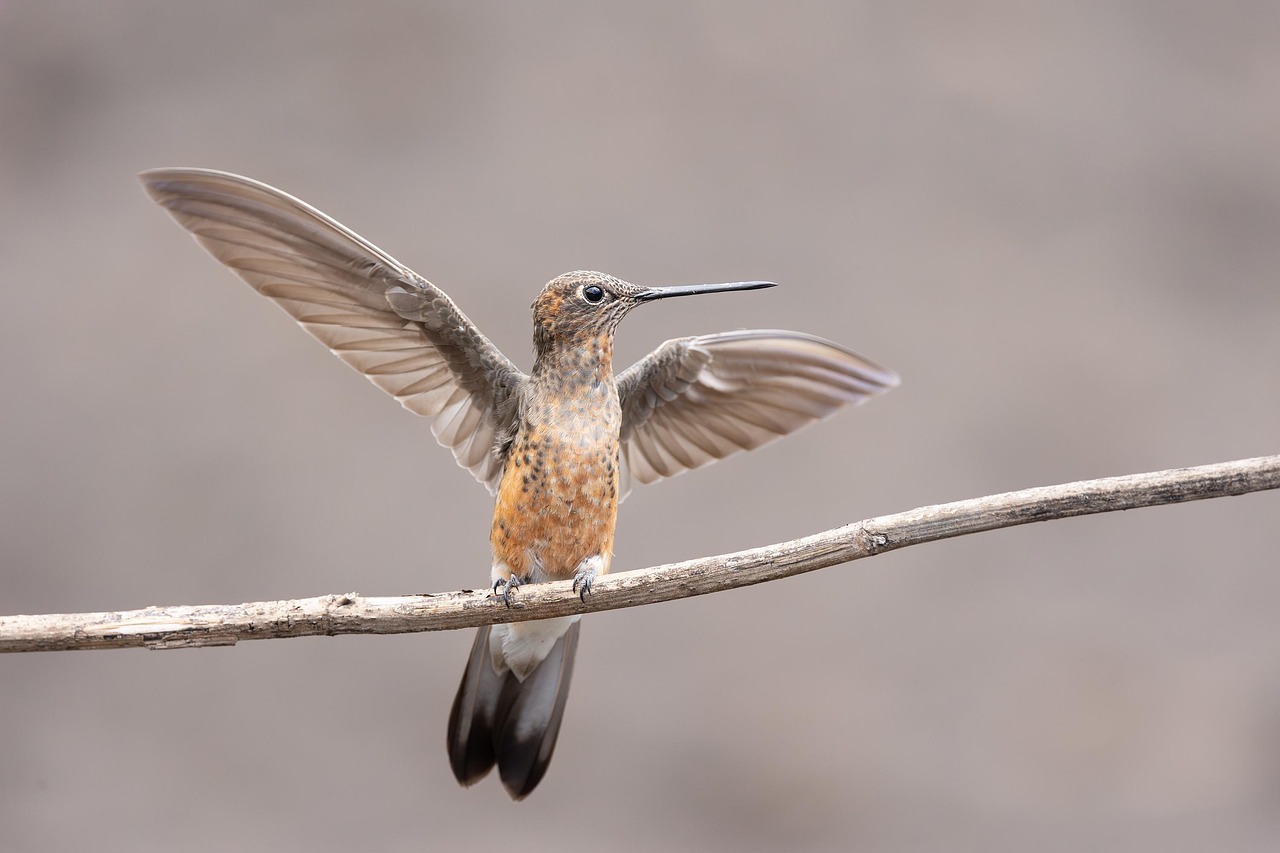
Choose the Right Nectar-Rich Plants
To attract hummingbirds, your garden must function as a high-efficiency refueling station. Hummingbirds are visual hunters that favor tubular, brightly colored blooms—particularly those in shades of red, orange, and pink. By selecting the right native perennials, you provide the high-energy nectar these birds require to sustain their rapid metabolism.
Focus your planting strategy on these reliable, nectar-rich species:
- Bee Balm (Monarda): A perennial favorite that spreads easily and offers long, tubular flowers.
- Columbine (Aquilegia): Excellent for early-season feeding when other nectar sources may be scarce.
- Cardinal Flower (Lobelia cardinalis): Its intense red color is a natural beacon for hummingbirds.
- Trumpet Vine (Campsis radicans): A vigorous grower that provides a massive volume of nectar, though it requires sturdy support structures.
How you arrange these plants is just as important as the species you choose. Hummingbirds are highly territorial and efficient foragers; they prefer to visit clusters of flowers rather than searching for scattered individuals. When you group plants together in dense patches, you create a “target” that is much easier for birds to spot while they are in flight. This concentrated approach also allows the birds to feed quickly, reducing the energy they expend moving between blooms.
When preparing your garden beds, use a sharp hand trowel to ensure you are planting at the correct depth for each specific perennial. Proper soil preparation is essential; incorporate organic compost to improve drainage and nutrient density, which supports more robust, nectar-heavy flower production. If you are planting in containers or raised beds, ensure they have adequate drainage holes to prevent root rot, which can quickly kill the very plants you are relying on to attract your visitors.
Maintenance is key to keeping your nectar sources productive throughout the season. Use a pair of bypass pruners to deadhead spent blooms regularly. This simple task encourages the plant to direct its energy into producing new flowers rather than seeds, effectively extending your garden’s “open for business” window. Keep your garden beds mulched to retain soil moisture, which prevents heat stress and ensures your flowers remain vibrant and nectar-rich even during the peak heat of mid-summer.
Set Up and Maintain Hummingbird Feeders
While cultivating native flowers provides a natural food source, supplemental feeding is a highly effective way to attract and sustain a larger hummingbird population. To create a safe, nectar-like solution, mix one part white granulated sugar with four parts water. Boil the mixture briefly to dissolve the sugar completely, then allow it to cool entirely before filling your feeders. Never use honey, brown sugar, molasses, or artificial sweeteners, as these can cause severe health issues or fatal fungal infections in hummingbirds.
Maintaining your equipment is just as important as the recipe itself. Hummingbirds are highly susceptible to mold and bacteria, which grow rapidly in outdoor feeders during warm weather. To ensure the safety of your visitors, follow these maintenance best practices:
- Clean feeders at least twice a week, or more frequently during periods of extreme heat or humidity.
- Use a dedicated, long-handled bottle brush to scrub the interior of the reservoir and reach deep into the feeding ports.
- Rinse the feeder thoroughly with hot water after scrubbing to remove any residue.
- Avoid harsh chemical cleaners or detergents, as these can leave toxic chemical traces that are harmful to small birds.
When performing your routine garden maintenance, inspect your feeder hardware for signs of wear. Check that the hanging mechanisms, such as sturdy hooks or weather-resistant wire, are secure and rust-free. If you notice any black spots or a cloudy film inside the feeder, it is a sign of mold growth and requires immediate, thorough cleaning. If the plastic ports are damaged or cracked, replace them promptly, as these crevices can harbor bacteria that are difficult to reach with a brush.
Position your cleaned, refilled feeders in a location that is easy for you to access regularly. Consistency is key to keeping hummingbirds returning to your yard. By integrating this simple cleaning schedule into your weekly outdoor chores, you create a reliable, hygienic environment that encourages hummingbirds to thrive throughout the season. Remember, a clean feeder is the most important tool in your gardening arsenal for keeping these birds healthy and safe.

Provide Essential Water and Shelter
Hummingbirds require more than just nectar-rich flowers to thrive in your landscape. Providing a consistent water source and reliable shelter is essential for attracting these birds and encouraging them to stay. Because hummingbirds are small and vulnerable, they are particularly attracted to moving water, which they use for both drinking and preening.
Avoid deep birdbaths, which can be dangerous for tiny birds. Instead, opt for a shallow basin or install a mister attachment on your garden hose. The fine spray of a mister mimics the dew on leaves, which hummingbirds instinctively use to bathe. If you use a hose attachment, ensure your outdoor power equipment is properly maintained to prevent leaks and ensure steady water pressure.
Beyond water, structural diversity in your garden is vital. Hummingbirds need dense trees and shrubs to serve as perching spots, nesting sites, and protection from predators or harsh weather. A mix of evergreen and deciduous plants provides year-round cover.
To keep these plants healthy and accessible, incorporate regular maintenance into your gardening routine:
- Pruning: Use sharp, high-quality pruning shears to remove deadwood and encourage dense growth. Proper pruning ensures that your shrubs remain thick enough to offer safety from hawks and cats.
- Safety First: Always wear durable gardening gloves to protect your hands from thorns or hidden pests. Additionally, wear safety glasses whenever you are pruning trees or shrubs to prevent eye injuries from snapping twigs or stray branches.
- Tool Care: Clean your hand tools after each use to prevent the spread of plant diseases. A quick wipe with rubbing alcohol keeps blades sterile and ready for your next session.
When selecting plants for shelter, prioritize native species. They are generally more resilient, require less chemical intervention, and provide the specific architecture hummingbirds prefer for nesting. If you are using power equipment like hedge trimmers to shape your hedges, work slowly and be mindful of active nests. If you spot a nest, stop your maintenance immediately and allow the birds to raise their young undisturbed. By balancing careful garden maintenance with the specific needs of hummingbirds, you create a sanctuary that supports these incredible pollinators throughout the season.
Create a Pesticide-Free Environment
To turn your yard into a hummingbird haven, you must move beyond just planting nectar-rich flowers. Hummingbirds are not strict vegetarians; they rely heavily on small insects and spiders to meet their protein requirements, particularly when nesting or raising chicks. If you use broad-spectrum insecticides, you are inadvertently removing their essential food source and risking secondary poisoning.
Creating a pesticide-free environment starts with rethinking how you manage your landscape. Instead of reaching for chemical sprays at the first sign of a pest, focus on building a resilient ecosystem where natural predators keep populations in check.
Follow these practical steps to maintain a healthy, bug-friendly garden:
- Prioritize Soil Health: Use organic compost and mulch to build nutrient-rich soil. Healthy soil grows robust plants that are naturally more resistant to disease and pest infestations.
- Embrace Integrated Pest Management (IPM): Monitor your plants regularly. If you spot aphids or mites, use a strong stream of water from your garden hose to knock them off manually rather than applying chemicals.
- Encourage Beneficial Insects: Plant a variety of native species that attract ladybugs, lacewings, and parasitic wasps. These natural predators will manage pest populations for you, keeping the environment safe for hummingbirds.
- Hand-Pick Pests: For larger garden pests like caterpillars or beetles, hand-picking is the safest and most effective method. Use a pair of gardening gloves and drop them into a bucket of soapy water.
- Avoid “Quick Fixes”: Many outdoor power equipment attachments or sprayers are designed for chemical application. Keep your equipment clean and dedicated to organic practices, such as applying compost tea or neem oil only if absolutely necessary and during times when pollinators are inactive.
By shifting your focus from total pest eradication to balanced management, you provide a reliable, toxin-free menu for your hummingbirds. A garden that supports a diverse insect population is a garden that hummingbirds will return to season after season. When you stop spraying, you invite the entire food web into your yard, ensuring your hummingbirds have the protein-rich diet they need to thrive. Remember, a few holes in your leaves are a small price to pay for the presence of these magnificent birds.

Frequently Asked Questions and Seasonal Care
Preparing your garden for hummingbirds requires a consistent maintenance routine. While your primary focus is planting nectar-rich flowers, your equipment plays a vital role in creating a safe habitat. Keep your hand tools—such as pruning shears and trowels—clean and sharp to ensure precise cuts when deadheading flowers. Proper maintenance of your garden beds encourages robust blooms, which are the natural foundation of a hummingbird-friendly landscape.
When it comes to your lawn and outdoor power equipment, timing is essential. Avoid using loud machinery or heavy-duty trimmers near active nesting sites during peak spring and summer months. If you must mow or use a leaf blower, check the area first to ensure you aren’t disturbing a hidden nest. Keeping your lawn care equipment in good working order helps you complete chores quickly, minimizing the time spent in the garden and reducing stress for your feathered visitors.
Regarding your feeders, follow these seasonal care guidelines to keep them safe and functional:
- Spring Arrival: Have your feeders cleaned and filled at least two weeks before the typical spring migration date in your region.
- Routine Cleaning: Wash feeders with hot water and a mild soap solution at least twice a week. If you notice black mold or fermentation, scrub them thoroughly with a bottle brush.
- Winter Storage: Once the hummingbirds have migrated south, take down your feeders. Clean them thoroughly, let them air dry completely, and store them in a cool, dry place to prevent plastic degradation or rust on metal parts.
If you encounter a hummingbird that appears lethargic, injured, or trapped, resist the urge to intervene directly. These birds are extremely fragile and require specialized care. Instead, observe the bird from a distance to determine if it is simply resting or truly in distress. If it remains immobile for an extended period, contact a licensed local wildlife rehabilitator or your state wildlife agency immediately. They have the training and resources to provide the professional medical attention the bird needs to recover.
By integrating these practical maintenance habits into your gardening schedule, you create a reliable environment that encourages hummingbirds to return to your yard year after year.

Dedicated team of gardening enthusiasts with years of hands-on experience testing lawn mowers, gardening tools, and outdoor equipment. We help home gardeners and professionals alike make informed buying decisions with honest, thorough reviews. From push mowers to pruning shears, we test it all so you don’t have to. Got a gardening tool you’d like us to review? Get in touch!