
Fungus gnats are a common frustration for indoor and outdoor gardeners, often appearing as tiny, annoying flies hovering around your soil. This guide provides actionable steps to identify, eliminate, and prevent these pests using safe, effective methods that ensure your greenery remains healthy and vibrant without harsh chemical interventions.
While these persistent insects rarely kill established plants, their larvae can damage delicate root systems if left unchecked. Controlling an infestation requires a consistent approach, as these pests thrive in moist environments. By adjusting your watering habits and utilizing basic garden maintenance techniques, you can effectively manage their population throughout the seasons.
Our comprehensive breakdown explores practical solutions, ranging from simple household traps to specialized soil treatments. We also highlight essential hand tools and equipment that help you maintain optimal soil moisture levels. Follow our expert advice to regain control of your garden and keep your plants thriving, pest-free, and looking their absolute best today.
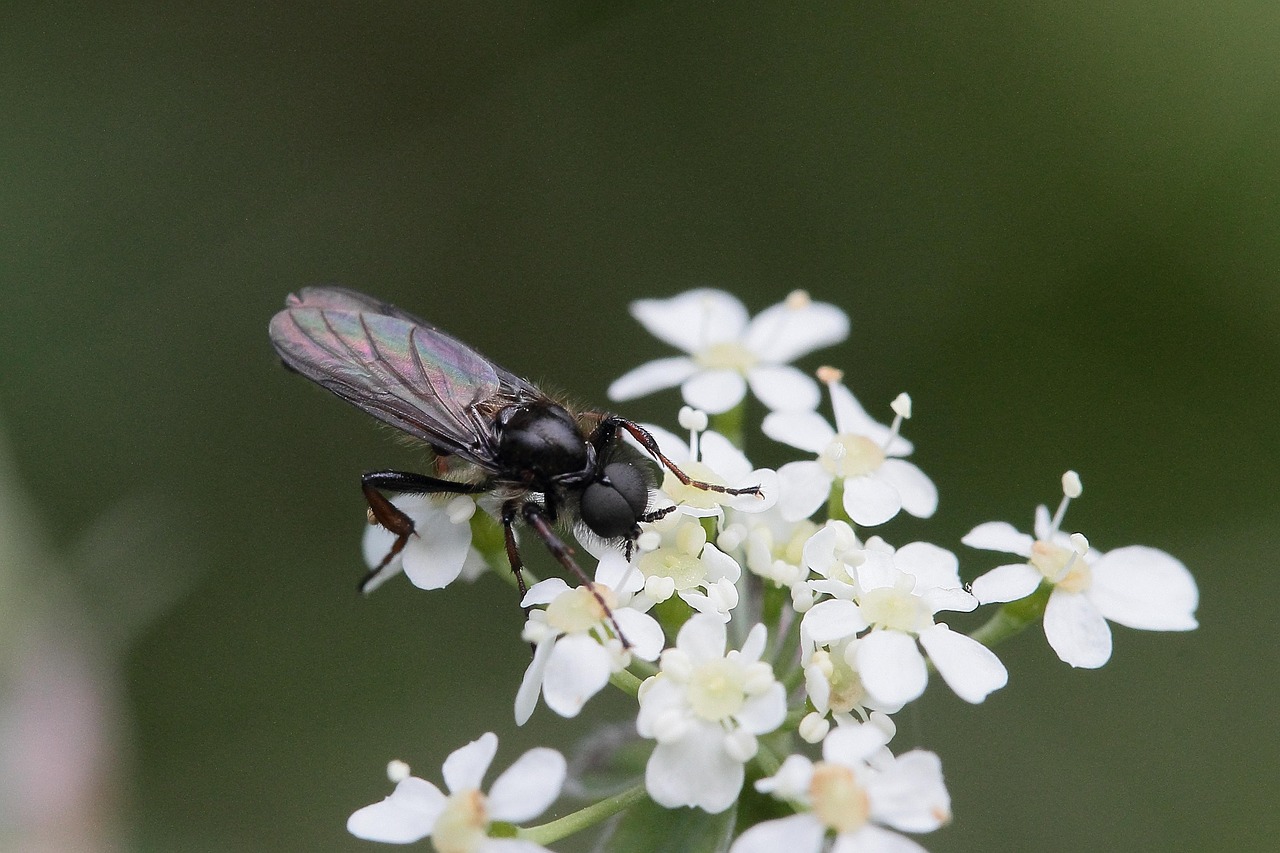
Identify and Assess the Infestation
Before reaching for heavy-duty outdoor power equipment or chemical treatments, you must accurately identify the pest. Fungus gnats are the most common culprits in indoor and container gardens. They are tiny, delicate, dark-colored flies that primarily hover around the soil surface or congregate near windows. Unlike fruit flies, which are attracted to rotting produce, fungus gnats are drawn to moisture and decaying organic matter in potting soil.
To determine if you have an infestation, look for these specific signs:
- Adult activity: Gently shake your plant pots. If small, gnat-like insects suddenly flutter up from the soil or foliage, you have an active population.
- Soil inspection: Fungus gnats thrive in damp conditions. Check the top inch of your soil; if it remains constantly wet, it provides the perfect breeding ground for larvae.
- Plant health: While adult gnats are mostly a nuisance, the larvae live in the soil and feed on organic debris and delicate root hairs. If your plant shows unexplained wilting, yellowing leaves, or stunted growth despite regular care, the root system may be compromised.
Distinguishing fungus gnats from other common pests is essential for effective garden maintenance. For instance, whiteflies are bright white and typically cluster on the undersides of leaves, while aphids are usually stationary and feed directly on plant sap. If the insects are flying primarily near the soil rather than the leaves, you are likely dealing with fungus gnats.
Once you have confirmed the presence of gnats, assess the scale of the problem. A few stray insects may only require a simple adjustment to your watering schedule, while a heavy infestation calls for more direct intervention. Take a moment to check all plants in the immediate vicinity; these pests travel quickly and can easily jump from one container to another. By catching the issue early, you can protect your plant collection without needing to resort to harsh pesticides or specialized lawn care equipment.
Remember, the goal of practical home gardening is to create a balanced environment. Identifying the infestation correctly allows you to target the larvae in the soil rather than just the adults, which is the most efficient way to break the life cycle and restore your plants to health.
Immediate Cultural Controls
The most effective way to eliminate a gnat infestation is to disrupt the insect’s life cycle. Fungus gnats thrive in consistently damp environments, as their larvae feed on organic matter and fungi within moist soil. By altering the conditions of your potting medium, you can create an inhospitable environment that halts their reproduction.
The primary cultural control is strict moisture management. You must allow the top two inches of soil to dry out completely between waterings. This practice is essential because gnat larvae require sustained moisture to survive; when the surface layer dehydrates, the larvae perish. Before watering, always test the soil depth with your finger or a moisture meter to ensure the root zone is ready, rather than relying on a rigid schedule.
If your plants require high humidity or you struggle to keep the soil dry, implement physical barriers to break the cycle. These methods prevent adult gnats from accessing the soil surface to lay new eggs:
- Decorative Sand: Apply a half-inch layer of fine, horticultural-grade sand over the top of the soil. This creates a dry, abrasive barrier that adults cannot penetrate to deposit eggs.
- Fine Gravel or Grit: Use decorative aquarium gravel or fine grit to cover the soil. Ensure the layer is thick enough to leave no gaps where insects might crawl through.
- Surface Mulch: For larger containers, specialized coco coir or fine bark can serve as a barrier, provided you keep the surface layer dry.
Proper maintenance of your gardening tools and environment also plays a role in long-term prevention. Ensure your pots have adequate drainage holes to prevent standing water at the base, which often serves as a breeding ground. If you use drip trays, empty them promptly after watering to keep the area around your plants dry. Additionally, inspect any new plants before bringing them into your home; gnats are frequently introduced through infested nursery soil. By combining these cultural adjustments with consistent monitoring, you can effectively manage gnat populations without relying solely on chemical interventions. Keep your gardening workspace clean and remove any fallen leaves or decaying organic matter from the soil surface, as these provide the food source necessary for larval development.

Safe Trapping and Natural Remedies
Managing a gnat infestation requires a multi-pronged approach that targets both the flying adults and the larvae residing in your potting soil. By combining physical barriers with gentle, natural treatments, you can break the insects’ reproductive cycle without harming your plants.
The most effective way to monitor and reduce the adult population is by using yellow sticky traps. Fungus gnats are naturally attracted to the color yellow, which mimics the appearance of certain flowers and foliage. Place these traps horizontally near the soil surface or vertically on small stakes. As adults land on the adhesive surface, they become trapped, which prevents them from laying more eggs in your soil.
To address the larvae, consider these natural soil treatments:
- Diluted Neem Oil: Mix high-quality, cold-pressed neem oil with water and a few drops of mild liquid soap according to the manufacturer’s instructions. Use this solution to water your plants thoroughly. The oil acts as a natural growth regulator, disrupting the larvae’s ability to mature.
- Mild Soap Solution: A very weak mixture of gentle, non-detergent liquid soap and water can be applied to the top inch of soil. This helps suffocate larvae upon contact.
Before applying any liquid treatment to your entire collection, it is essential to perform a patch test. Apply a small amount of your chosen solution to a single leaf or a hidden section of the soil and wait 24 to 48 hours. This ensures that your specific plant variety does not experience leaf burn or sensitivity to the mixture.
Always read the product label carefully before application. Even natural remedies can be harmful if used in concentrations that are too high for the plant’s root system. If you notice signs of wilting or discoloration after testing, dilute your mixture further or switch to a different method, such as allowing the top two inches of soil to dry out completely between waterings. Consistency is key; continue using sticky traps and soil treatments for at least two to three weeks to ensure you have captured all emerging generations of gnats. By keeping your garden maintenance routine focused on soil moisture management and proactive trapping, you can regain control of your indoor environment effectively.
Safety and Equipment Precautions
When addressing a gnat infestation, you will likely be mixing homemade solutions, handling potting soil, or using garden tools to aerate the substrate. Prioritizing safety during these maintenance tasks is essential to protect both your health and the longevity of your equipment.
Always work in a well-ventilated area, especially if you are mixing concentrated neem oil, insecticidal soaps, or hydrogen peroxide solutions. Proper airflow prevents the inhalation of fine soil dust or aerosolized treatment sprays, which can cause respiratory irritation.
When using hand tools to repot plants or disturb the top layer of soil, wear durable gardening gloves. Gloves provide a necessary barrier against sharp edges on trowels and cultivators, and they prevent skin contact with soil-borne pathogens or concentrated organic treatments that may cause irritation.
To maintain a safe environment and preserve your gear, follow these best practices:
- Secure Storage: Keep all gardening chemicals, including organic sprays and concentrated concentrates, in their original containers. Store them in a locked cabinet or high shelf, completely out of reach of children and pets.
- Tool Hygiene: After aerating infested soil, wipe down your trowels and hand rakes with a disinfectant wipe or a mild bleach solution. This prevents the accidental spread of fungus gnat larvae or soil-borne diseases to your healthy houseplants.
- Post-Maintenance Routine: Regardless of whether you wore gloves, wash your hands thoroughly with soap and warm water immediately after finishing your garden maintenance. This removes residual soil, microscopic larvae, and any chemical traces from your skin.
If you use outdoor power equipment, such as a leaf blower or pressure washer, to clean your workspace after repotting, ensure the area is clear of bystanders. Always inspect your tools for damage before use; worn handles or rusted metal can lead to accidents when applying pressure to compacted soil.
By treating your gardening tools with the same care as your plants, you create a more efficient and safer workflow. Consistent maintenance not only helps you eradicate gnats more effectively but also ensures that your equipment remains in prime condition for future gardening projects. If you notice any skin reactions after handling soil or treatment solutions, rinse the area with cool water and consult a medical professional if irritation persists.

Follow Up and Long Term Prevention
Eliminating a gnat infestation is not an overnight process. Because these pests have a rapid life cycle, you must remain consistent with your treatment plan for at least two to three weeks. This duration covers the time it takes for existing larvae to hatch and mature, ensuring you break the reproductive cycle entirely.
If you have diligently applied treatments—such as yellow sticky traps, neem oil, or hydrogen peroxide soil drenches—but still notice flying adults after three weeks, your infestation may be deeper than the surface. At this stage, cultural adjustments are necessary to reclaim your plant’s health:
- Replace the topsoil: Fungus gnats primarily inhabit the top two inches of potting mix. Carefully scrape away this layer and replace it with fresh, sterile soil to remove hidden larvae.
- Repot the plant: If the infestation persists, the larvae may be deep within the root ball. Gently remove the plant, wash the roots, and repot it into a clean container with fresh, well-draining soil.
- Inspect drainage: Ensure your pots have functioning drainage holes. Gnats thrive in stagnant water; if your pot lacks drainage, moisture accumulates at the bottom, creating a permanent breeding ground.
Long-term prevention relies on maintaining a dry, clean environment. Gnats are attracted to decaying organic matter, so make it a habit to prune away dead leaves and remove fallen debris from the surface of your pots immediately. Avoid overwatering, as consistently soggy soil is the primary catalyst for gnat outbreaks. Allow the top inch of soil to dry out completely between waterings to make the environment inhospitable for larvae.
While most gnat issues can be managed with basic hand tools and consistent care, there are times when professional intervention is warranted. If you notice a sudden, massive surge of gnats across a large collection of indoor plants, or if your plants show signs of severe root rot and wilting that do not improve with drying, consult a local nursery or a professional plant care service. They can help diagnose underlying issues, such as systemic fungal infections or poor soil composition, which may be attracting pests beyond what simple surface treatments can address. By fostering healthy soil habits and keeping your garden tools clean, you can effectively keep your indoor greenery gnat-free year-round.

Dedicated team of gardening enthusiasts with years of hands-on experience testing lawn mowers, gardening tools, and outdoor equipment. We help home gardeners and professionals alike make informed buying decisions with honest, thorough reviews. From push mowers to pruning shears, we test it all so you don’t have to. Got a gardening tool you’d like us to review? Get in touch!