
Fungus gnats are a common nuisance for indoor and outdoor gardeners. To get gnats off of plants, you must eliminate their larvae by allowing the top inch of soil to dry out completely between waterings and using yellow sticky traps to catch the flying adults. These simple steps disrupt their rapid breeding cycle effectively.
While these pests are frustrating, they are rarely fatal to healthy plants if caught early. Understanding that they thrive in consistently damp, organic-rich soil is key to long-term control. By adjusting your watering habits and managing your garden tools and potting supplies properly, you can prevent these annoying insects from returning to your home.
This guide explains how to identify these pests, why they thrive in your soil, and effective, non-toxic methods to eliminate them and protect your plants. We will explore practical home gardening techniques, from natural soil drenches to specialized equipment, ensuring your lawn care and indoor garden maintenance remain pest-free throughout every growing season.
Identifying the Problem
Before you reach for heavy-duty outdoor power equipment or chemical sprays, you must confirm that you are actually dealing with fungus gnats. Many gardeners mistakenly treat these pests as general foliage-feeders, but fungus gnats have a very specific life cycle and behavior pattern that requires a targeted approach.
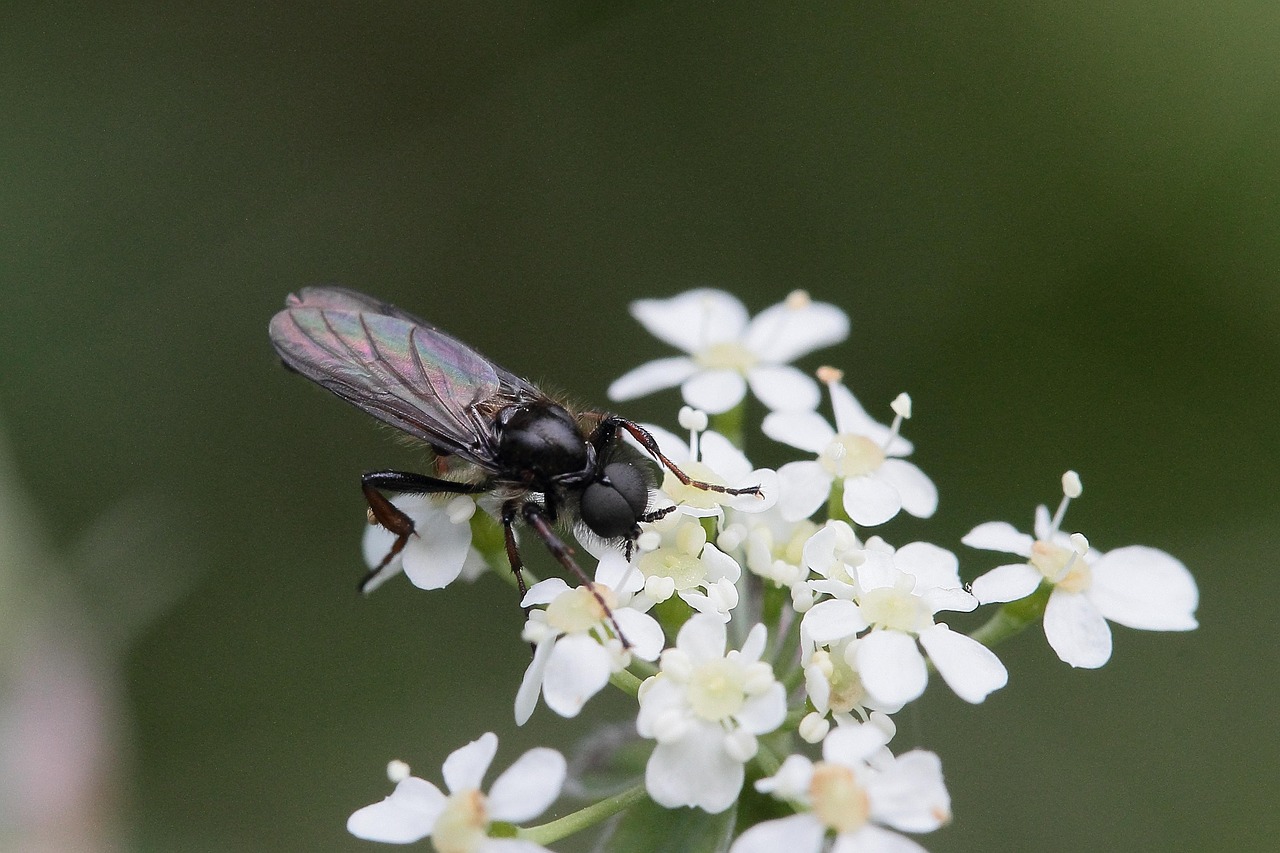
Fungus gnats are small, dark, mosquito-like insects that primarily hover near the soil surface or around the base of your plants. Unlike aphids or spider mites, which congregate on the undersides of leaves, fungus gnats are most active near the potting mix. If you disturb the soil or water your plants, you will often see them take flight in a sudden, frantic swarm before quickly landing back on the damp earth.
To accurately identify them, look for these key characteristics:
- Appearance: They are tiny, delicate flies with long legs and clear wings. They do not bite humans, though their presence is a significant nuisance.
- Behavior: They are weak fliers. If you see them crawling on the soil or resting on the rim of the pot, they are likely fungus gnats.
- Location: You will rarely find them on the upper foliage unless the infestation is severe. Their focus is almost entirely on the moist, organic environment of the potting soil.
It is a common misconception that the adult gnats are the ones destroying your plants. In reality, the adults are merely a sign of a deeper issue. The true damage is caused by the translucent, worm-like larvae living beneath the surface of the soil. These larvae feed on decaying organic matter, fungi, and—when populations are high—the delicate root hairs of your plants. This root damage can lead to yellowing leaves, stunted growth, and a general decline in plant health that often mimics nutrient deficiency or overwatering.
Because these pests thrive in damp, rich soil, identifying them early is the most practical step in garden maintenance. By observing their preference for the soil surface rather than the leaves, you can avoid using unnecessary pesticides on the foliage and instead focus your efforts on managing the moisture levels and the health of the root zone within your containers.
The Importance of Soil Moisture Management
The most effective way to eliminate a fungus gnat infestation is to address the root cause: excessive soil moisture. Fungus gnats thrive in damp, decaying organic matter. When you overwater your plants, you create a perfect nursery for adult gnats to lay their eggs and for larvae to feast on root hairs and fungal growth.
To break this cycle, you must disrupt the moist environment these pests require to survive. The larvae are highly sensitive to dehydration. By allowing your soil to dry out, you effectively starve them before they can mature into flying adults.
Follow these practical steps to manage your soil moisture effectively:
- Check the depth: Before reaching for your watering can, test the soil. Insert your finger or a wooden skewer at least two inches deep into the potting mix. If the soil feels damp at that depth, wait a few more days before watering.
- Use the “lift” test: Get to know the weight of your pots. A container that is saturated with water will feel significantly heavier than one that has dried out sufficiently.
- Ensure proper drainage: Always use pots with drainage holes. If your decorative planter lacks them, use a plastic nursery liner inside the pot so you can remove excess water that collects at the bottom.
- Improve airflow: Good air circulation around your plants helps the surface of the soil dry faster. A small oscillating fan can make a significant difference in preventing surface moisture from lingering too long.
If you have a heavy-handed watering habit, consider switching to bottom-watering. By placing your pot in a tray of water for 15 to 20 minutes, the roots can absorb the moisture they need through the drainage holes while the top two inches of soil remain relatively dry. This strategy keeps the surface inhospitable to gnat larvae while ensuring your plant remains hydrated.
Remember that different plant species have varying water requirements. Researching the specific needs of your indoor collection will help you avoid the common mistake of treating every plant the same. By consistently allowing the top layer of soil to dry out, you create a hostile environment for gnats, forcing them to move on and allowing your plants to thrive without pest interference.

Effective Physical and Biological Controls
If you are dealing with a gnat infestation, physical and biological barriers are often the most effective way to break their reproductive cycle without resorting to harsh chemical sprays. By targeting both the flying adults and the larvae living in the soil, you can clear an infestation quickly.
Physical Controls
The primary goal with physical controls is to disrupt the life cycle of the fungus gnat. Since adults lay eggs in moist soil, you must make the top layer of your potting mix inhospitable.
- Yellow Sticky Traps: Fungus gnats are naturally attracted to the color yellow. Placing these traps near the base of your plants will capture the flying adults, effectively stopping them from laying new eggs.
- Soil Barriers: Add a half-inch layer of coarse sand, decorative gravel, or horticultural grit to the top of your soil. This creates a dry, abrasive barrier that prevents adults from reaching the soil to lay eggs and traps emerging larvae inside the pot.
Biological Controls
When physical barriers are not enough, biological controls offer a safe, targeted approach. The most reliable method involves using Bacillus thuringiensis israelensis (BTI), a naturally occurring bacterium.
BTI is highly effective because it specifically targets the larvae of fungus gnats and mosquitoes without harming your plants, pets, or beneficial insects like bees. It is commonly sold as granules or dunks that you soak in water.
- Mix: Follow the product instructions to create a solution using the BTI granules or by soaking a BTI dunk in your watering can.
- Apply: Use this BTI-infused water every time you irrigate your plants for at least three to four weeks.
- Repeat: Consistency is key. Because BTI only kills the larvae currently feeding in the soil, you must continue the treatment until the entire life cycle of the existing population has been eliminated.
To ensure long-term success, combine these methods with proper lawn and garden maintenance. Always allow the top inch of your soil to dry out completely between waterings. Fungus gnats thrive in consistently damp, organic-rich environments; by reducing soil moisture, you make your home garden significantly less attractive to these pests.
Safety and Equipment Handling
When addressing a gnat infestation, your priority must be both effective pest control and personal safety. Whether you are applying horticultural soaps, neem oil, or soil amendments like diatomaceous earth, proper handling is essential to protect yourself and your home environment.
Always wear protective gloves when working with soil amendments or fertilizers. Many products, while safe for plants, can irritate skin or cause allergic reactions upon contact. If you are using liquid treatments, such as insecticidal soaps or neem oil sprays, ensure the area is well-ventilated. Open nearby windows or move potted plants to a garage or patio during application to avoid inhaling fine mist particles.
Maintaining your gardening tools is equally important for both plant health and home safety. Using clean trowels and sprayers prevents the spread of pathogens between pots. After you have treated your plants, follow these safety protocols:
- Clean immediately: Rinse spray nozzles and wipe down trowels to prevent chemical buildup or residue.
- Secure storage: Store all gardening tools, especially sharp hand tools and chemical bottles, in a locked cabinet or a high shelf.
- Keep away from vulnerable family members: Ensure that children and pets cannot access your gardening supplies, as many pest control agents are toxic if ingested.
- Check for leaks: Periodically inspect your sprayers for cracks or loose seals to prevent accidental spills while in storage.
If you are using specialized outdoor power equipment or heavy-duty sprayers to treat a larger collection of indoor plants, ensure the equipment is powered down and fully depressurized before cleaning. Never leave open containers of insecticidal solutions unattended. By treating your gardening equipment with the same care as your plants, you create a safer, more efficient routine for managing pests.
Finally, always read the manufacturer’s label on any horticultural product before use. Labels provide specific guidance on required personal protective equipment (PPE) and safe disposal methods. If a product requires a mask or specific eye protection, do not skip these steps, even for minor applications. Consistent safety habits ensure that your journey to a gnat-free home remains a healthy and productive experience for everyone in your household.

Follow-up Care and When to Seek Help
Even after treating your plants, gnats can return if the underlying conditions remain favorable. Monitor your plants closely for at least two weeks following treatment. If you notice adult gnats flying around the soil surface again, repeat your chosen control method, such as applying neem oil or refreshing sticky traps, to catch the next generation before they lay more eggs.
If an infestation persists despite consistent treatment, the larvae may have deeply colonized the root zone. In this case, repotting is often the most effective solution. Gently remove the plant from its container, wash away the old, infested soil from the roots, and transplant it into fresh, sterile potting mix. Ensure your new pot has adequate drainage holes to prevent the moisture buildup that gnats crave.
Prevention is always easier than eradication. Before bringing a new plant into your home, perform a thorough inspection:
- Check the soil surface for movement or tiny, translucent larvae.
- Tap the pot gently to see if any adult gnats fly out.
- Isolate new arrivals from your existing collection for 14 days to ensure they are pest-free.
- Avoid overwatering immediately after purchase, as damp soil is a magnet for fungus gnats.
Sometimes, a persistent infestation indicates an issue beyond simple surface-level pests, such as root rot or a compromised drainage system. If you have tried multiple treatments and the plant continues to decline, do not hesitate to seek professional help. Local nursery professionals can provide specialized soil drench treatments that are not always available to the general public. If you are dealing with a large, expensive specimen or an outdoor shrub, consulting a certified arborist is a wise investment to ensure the long-term health of your plant.
Finally, review your overall garden maintenance routine. Ensure your hand tools are cleaned regularly to prevent the spread of pathogens, and verify that your outdoor power equipment or irrigation systems are not creating standing water near your home’s foundation. By maintaining a clean, well-draining environment, you create a natural barrier that keeps gnats and other pests at bay. Consistent observation remains your best tool for long-term plant health.

Dedicated team of gardening enthusiasts with years of hands-on experience testing lawn mowers, gardening tools, and outdoor equipment. We help home gardeners and professionals alike make informed buying decisions with honest, thorough reviews. From push mowers to pruning shears, we test it all so you don’t have to. Got a gardening tool you’d like us to review? Get in touch!