
Fungus gnats are a common frustration for indoor and outdoor gardeners. You can effectively get gnats away from plants by drying out the soil surface, using yellow sticky traps, and applying neem oil or hydrogen peroxide solutions to eliminate larvae. These simple, targeted interventions stop the breeding cycle quickly and protect your greenery from further damage.
While these pests are mostly a nuisance, they indicate that your soil moisture levels may be too high. Eliminating them requires patience, as you must break the life cycle of eggs, larvae, and adults simultaneously. Consistent monitoring is essential, as a single treatment is rarely enough to clear a persistent infestation entirely from your home.
This guide explains how to identify these pests, eliminate them using safe methods, and adjust your care routine to prevent them from returning. We will cover the best tools for soil management and essential maintenance tips to ensure your garden remains healthy. Follow these practical steps to regain control and keep your plants thriving all season long.
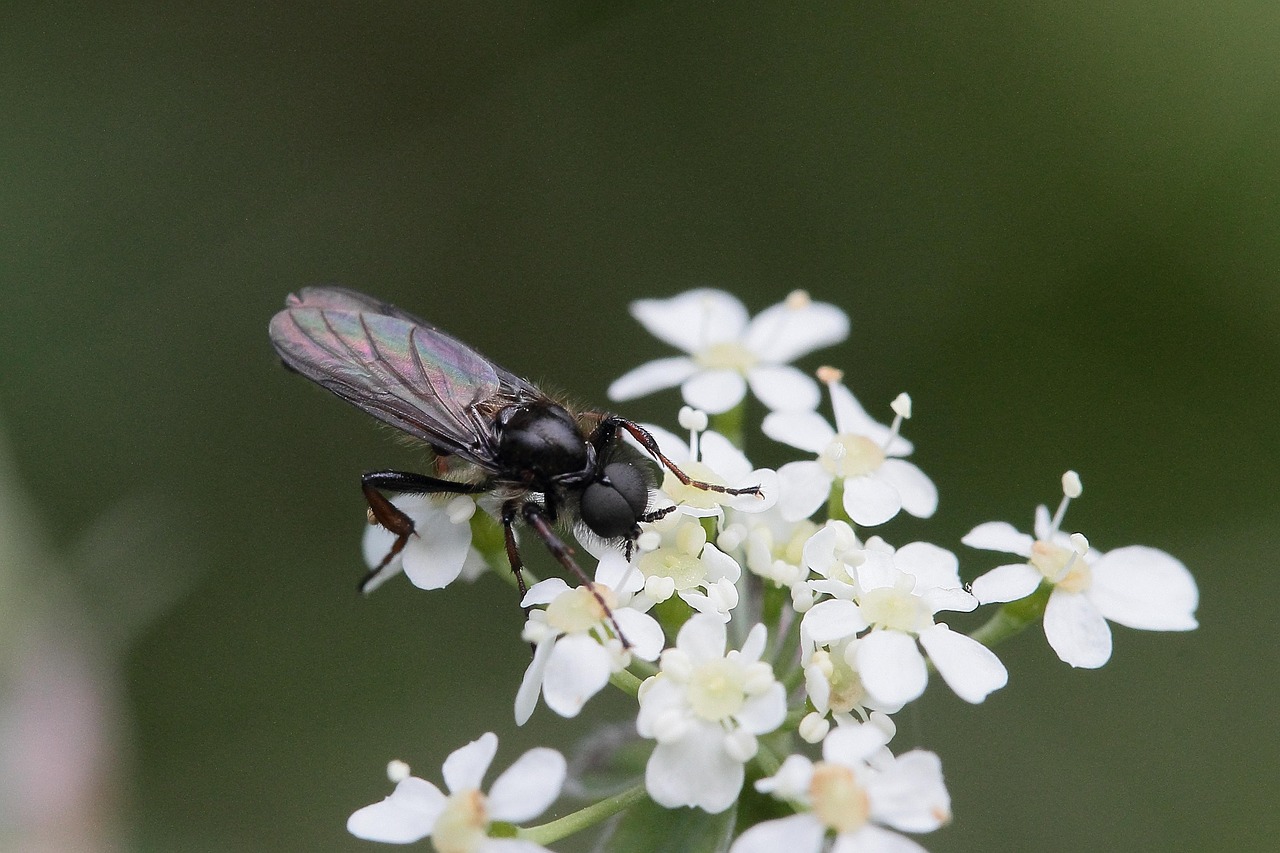
Identify the Problem and Its Source
Before you reach for heavy-duty outdoor power equipment or chemical treatments, you must accurately identify the pest. Fungus gnats are frequently mistaken for fruit flies, but their behavior and habitat preferences are distinct. If you notice tiny, dark-colored insects hovering specifically around the soil surface of your potted plants, you are likely dealing with fungus gnats.
The most reliable way to distinguish them is by observing their flight patterns. Unlike fruit flies, which are attracted to ripening produce or fermenting liquids, fungus gnats are weak fliers that prefer staying close to damp potting soil. They often crawl across the surface or make short, erratic flights when the plant is disturbed. If you see them congregating near the drainage holes or resting on the top layer of soil, they are almost certainly fungus gnats.
Fungus gnats thrive in moist, organic-rich environments. The adult gnats lay their eggs in the top inch or two of soil, where the larvae then feed on fungi, decaying organic matter, and occasionally delicate plant roots. Because they require consistent moisture to complete their life cycle, an infestation is almost always a direct result of overwatering.
To confirm that overwatering is the source of your problem, perform a quick assessment of your gardening routine:
- Check the soil moisture: Use your finger to test the top two inches of soil. If it feels consistently soggy or swampy, the environment is perfect for gnats.
- Examine drainage: Ensure your pots have functioning drainage holes. If water sits in the saucer for more than a few minutes after watering, you are creating a breeding ground.
- Inspect organic matter: High-peat potting mixes that stay wet for extended periods are more prone to infestations than well-draining, grit-heavy mixes.
By identifying the source as excessive soil moisture, you can shift your focus toward better garden maintenance. Simply allowing the top layer of soil to dry out completely between waterings is often the most effective, chemical-free way to interrupt the gnat life cycle. Before utilizing hand tools to repot or applying treatments, prioritize letting the soil breathe. Correcting your watering habits is the foundational step in reclaiming your indoor garden from these persistent pests.
Immediate Steps to Reduce Gnat Populations
If you have noticed tiny, dark flies hovering around your houseplants, you are likely dealing with fungus gnats. These pests thrive in moist environments, making your indoor garden an ideal breeding ground. Because they can multiply rapidly, taking immediate action is essential to protecting your greenery.
The most effective way to stop the life cycle is to disrupt their access to moisture. Fungus gnat larvae live in the top layer of potting soil, feeding on organic matter and fungi. If the soil remains consistently damp, the larvae will thrive. To break this cycle, allow the top two inches of your potting soil to dry out completely between waterings. When the surface becomes arid, the larvae struggle to survive, effectively curbing the population growth.
While you address the soil moisture, you must also manage the adult gnats currently flying around your home. Adult gnats are attracted to the color yellow, which makes yellow sticky traps an invaluable tool for immediate relief. These traps do not use harsh chemicals, making them a safe choice for indoor environments.
To implement these immediate control measures, follow these steps:
- Place Yellow Sticky Traps: Position these traps horizontally near the base of your plants or hang them vertically just above the soil line. They will capture flying adults on contact, preventing them from laying more eggs.
- Adjust Your Watering Schedule: Check the moisture level by inserting your finger two inches into the soil. If it feels damp, wait a few more days before watering.
- Improve Air Circulation: Use a small fan to increase airflow around your plants. This helps the topsoil dry out faster and makes it more difficult for adult gnats to navigate toward your plants.
- Remove Debris: Clear away any fallen leaves or decaying organic matter on the surface of the soil, as these provide a food source for developing larvae.
Consistency is key when using these methods. While sticky traps will reduce the number of visible adults within a few days, it may take several weeks of diligent soil management to fully eliminate the larvae. By keeping the top layer of soil dry and maintaining your trap setup, you can regain control of your indoor garden and prevent future infestations without relying on toxic pesticides.

Effective Natural Treatments for Soil
When fungus gnats infest your houseplants, the soil is the primary breeding ground for larvae. Treating the soil directly is the most effective way to break their life cycle. Two of the most reliable natural methods involve hydrogen peroxide or neem oil.
Hydrogen Peroxide Solution
A simple mixture of hydrogen peroxide and water can kill larvae on contact. Mix one part 3% hydrogen peroxide with four parts water. Pour this solution into the soil until it is thoroughly moistened, ensuring you reach the top few inches where larvae reside. You will hear a harmless fizzing sound as the peroxide oxidizes the organic matter and kills the pests.
Neem Oil Drench
Neem oil acts as a natural growth regulator that prevents larvae from developing into adults. To create a drench, mix one teaspoon of cold-pressed, organic neem oil with a few drops of mild dish soap into one quart of warm water. Use this mixture to water your plants thoroughly. Because neem oil breaks down quickly, you should repeat this process once a week for three weeks to ensure all generations are eradicated.
Safety Precautions and Best Practices
Even natural treatments require careful handling to protect both you and your plants. Follow these safety guidelines before applying any solution:
- Wear Protection: Always wear gloves and eye protection when handling concentrated oils or peroxide to prevent skin and eye irritation.
- Spot Test First: Before treating the entire plant, apply your chosen solution to a small, inconspicuous section of the soil or a single leaf. Wait 24 hours to ensure the plant does not show signs of chemical burn or stress.
- Avoid Over-Saturating: Do not let plants sit in standing water after treatment. Ensure your pots have adequate drainage holes to prevent root rot, which can attract more pests.
- Storage: Store all garden chemicals and concentrated solutions in their original containers, clearly labeled, and out of reach of children and pets.
By consistently treating the soil and allowing the top inch of dirt to dry out completely between waterings, you create an environment that is inhospitable to gnats, effectively ending the infestation without harsh synthetic pesticides.
Preventative Maintenance and Cultural Practices
The most effective way to manage fungus gnats is to stop them before they establish a population. These pests thrive in consistently moist, organic-rich soil, so your primary goal is to disrupt their breeding cycle through better horticultural practices.
Start by evaluating your potting medium. If your plants are sitting in heavy, water-retentive soil, they remain damp for too long, creating a perfect nursery for gnat larvae. Switch to high-quality, well-draining potting mixes that incorporate perlite, pumice, or horticultural grit. These amendments improve aeration and ensure that excess water flows through the pot quickly rather than pooling around the roots.
Cultural practices are equally vital for long-term control. You can physically block adult gnats from accessing the soil surface to lay their eggs by using these simple barrier methods:
- Sand layers: Apply a half-inch layer of coarse horticultural sand over the top of your soil. Once dry, this creates a gritty, inhospitable surface that prevents adults from reaching the moist soil below.
- Decorative gravel: Small pebbles or decorative stones serve the same purpose as sand, provided they cover the entire surface area of the pot without leaving gaps.
- Avoid debris: Remove fallen leaves, dead flowers, or decaying plant matter from the soil surface immediately, as these provide additional food sources for larvae.
Proper airflow is another often-overlooked factor in garden maintenance. Stagnant, humid air around your containers encourages the damp conditions gnats love. Use a small oscillating fan to keep air moving gently around your plant collection. This not only discourages pests but also helps the top inch of soil dry out faster between waterings, which is the most critical step in killing existing larvae.
Finally, inspect your watering habits. Always check the moisture level of the soil by inserting your finger about an inch deep before adding more water. If the soil is still damp, wait a few more days. By allowing the top layer of the potting mix to dry out completely, you break the life cycle of the gnats, as the larvae cannot survive in dry conditions. Consistent, mindful maintenance will keep your indoor garden healthy and pest-free throughout the year.

Frequently Asked Questions and When to Seek Help
Many gardeners worry that fungus gnats will destroy their plants overnight. While adult gnats are primarily a nuisance, their larvae feed on organic matter and tender root hairs. In healthy, established plants, this damage is usually minimal. However, for seedlings, cuttings, or plants already struggling with root rot, a heavy infestation can cause significant stress, stunted growth, and eventual plant death. If you notice your plant suddenly wilting despite moist soil, check the root system for damage.
Patience is essential when managing a gnat infestation. Because these pests have a multi-stage life cycle—moving from eggs to larvae, pupae, and adults—you cannot eliminate them with a single treatment. Most gardeners see a noticeable reduction in adult activity within 7 to 10 days of consistent treatment, such as using yellow sticky traps and mosquito bits. However, you must continue your management routine for at least three weeks to catch the next generation as they emerge from the soil.
Sometimes, home remedies are not enough. You should consider discarding the soil and repotting the plant if:
- The infestation is overwhelming and adult gnats are emerging in clouds whenever you water.
- You have treated the soil consistently for a month with no visible decrease in population.
- The plant shows signs of severe root rot, such as a foul odor or mushy, blackened roots.
When repotting, dispose of the infested soil in a sealed bag rather than adding it to your compost pile, as this can spread the larvae to other areas of your garden. Use fresh, high-quality potting mix and ensure your new pot has adequate drainage holes.
If you have tried multiple methods—including soil drenching, sticky traps, and top-dressing with sand—and the gnats persist, it is time to seek professional horticultural advice. Visit a local nursery or a university extension office. Bring a sample of the plant or a clear photograph of the pests. Professionals can help determine if you are dealing with a more resilient species or if an underlying issue, such as poor drainage or overwatering, is creating a permanent breeding ground that your current maintenance routine is failing to address. Persistent infestations can sometimes indicate that the plant’s environment needs a fundamental change to remain healthy.

Dedicated team of gardening enthusiasts with years of hands-on experience testing lawn mowers, gardening tools, and outdoor equipment. We help home gardeners and professionals alike make informed buying decisions with honest, thorough reviews. From push mowers to pruning shears, we test it all so you don’t have to. Got a gardening tool you’d like us to review? Get in touch!