
To attract a lot of hummingbirds, you must transform your yard into a vibrant, nectar-rich sanctuary. Attracting hummingbirds requires more than just a feeder; this guide explains how to curate a garden habitat that provides the essential food, water, and shelter these birds need to thrive and return to your yard year after year.
Creating this avian paradise does not happen overnight, but it is achievable with the right strategy. You should expect to invest time in selecting native plants and maintaining a healthy landscape that supports a consistent ecosystem. By balancing floral variety with proper lawn care, you can create a reliable environment that encourages these energetic birds to visit frequently.
Our comprehensive guide covers everything you need to succeed, from choosing the best hand tools for planting to maintaining your outdoor power equipment for efficient garden upkeep. We will walk you through practical home gardening techniques that maximize your space, ensuring your garden remains a beautiful, functional oasis that keeps hummingbirds coming back every single season.
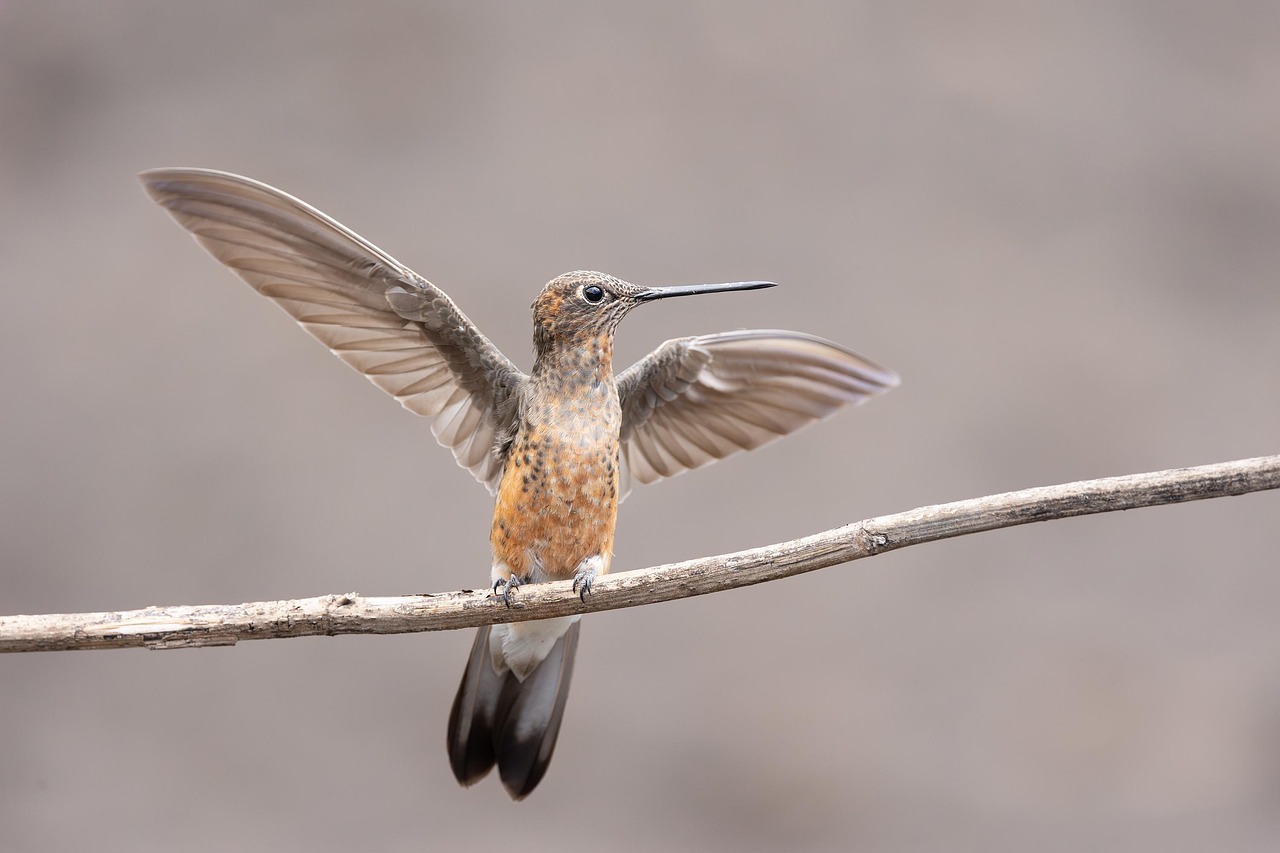
Choose the Right Plants for Natural Nectar
To turn your garden into a hummingbird sanctuary, you must prioritize high-energy nectar sources. Hummingbirds have incredibly high metabolic rates and require a constant supply of fuel. By selecting the right plant palette, you provide the essential energy they need to thrive.
Focus on tubular-shaped flowers. The unique anatomy of a hummingbird’s beak is perfectly evolved to probe deep into these blossoms, where nectar is often protected from other insects. When planning your beds, prioritize vibrant colors, specifically red, orange, and pink, as these hues are highly visible to hummingbirds and act as natural beacons.
To ensure a reliable food source, incorporate a strategic mix of perennials and annuals. Perennials provide a dependable, recurring foundation, while annuals offer a massive, season-long burst of energy. Aim for a continuous bloom cycle that spans from early spring through late fall. This ensures that resident birds and migrating visitors always have access to a meal.
Consider these top-tier native choices for your landscape:
- Bee Balm (Monarda): A classic favorite that offers long-lasting, tubular blooms.
- Trumpet Vine (Campsis radicans): A vigorous grower that provides a massive volume of nectar.
- Columbine (Aquilegia): An excellent choice for early-season feeding.
- Salvia: Available in many varieties, these are hardy, prolific bloomers that hummingbirds frequent constantly.
- Penstemon: Offers elegant, bell-shaped flowers that are easy for birds to navigate.
When installing these plants, use a sharp hand trowel to ensure proper root depth, and apply a layer of organic mulch to retain soil moisture. If you are planting in containers or raised beds, ensure your potting mix is well-draining to prevent root rot. As your plants establish, use bypass pruners to deadhead spent blooms; this encourages the plant to divert its energy into producing new flowers rather than seeds, effectively extending your nectar season.
Avoid using pesticides or synthetic fertilizers in these areas. Hummingbirds also consume small insects and spiders for protein, and chemical applications can disrupt this vital food chain. By maintaining a natural, chemical-free environment, you create a safer and more productive habitat for your feathered guests. Grouping similar plants together in “drifts” rather than scattering them individually also makes it easier for hummingbirds to spot and feed efficiently.
Setting Up and Maintaining Hummingbird Feeders
While a garden filled with nectar-rich flowers is the foundation of a hummingbird sanctuary, supplementing your landscape with nectar feeders ensures a consistent food supply. Feeders are particularly valuable during peak migration or when natural blooms are scarce. To keep your visitors healthy and returning, you must follow strict preparation and maintenance protocols.
The nectar recipe is simple, inexpensive, and mimics the sugar content of natural floral nectar. Always use the following ratio:
- Mix four parts water with one part white granulated sugar.
- Boil the water first to dissolve the sugar completely and remove impurities.
- Allow the mixture to cool entirely before filling your feeders.
Never use red dyes, honey, or artificial sweeteners. Red dyes are unnecessary and potentially toxic to birds, while honey can promote dangerous fungal growth. Artificial sweeteners lack the calories hummingbirds need to maintain their high metabolism. While many feeders have red plastic components to attract birds, you do not need to color the nectar itself.
Maintenance is the most critical aspect of feeder safety. Sugar water ferments quickly, especially in the heat, creating mold and bacteria that can be fatal to hummingbirds. Follow these cleaning guidelines to prevent disease:
- Clean your feeders every two to three days, or more frequently during extreme heat.
- Disassemble the feeder completely to reach all crevices.
- Use hot water and a dedicated bottle brush to scrub away any residue or black spots.
- Avoid using harsh soaps or bleach, as even trace amounts can be harmful; if you must sanitize, use a weak vinegar solution and rinse thoroughly.
Position your feeders in a shaded or semi-shaded area to keep the nectar from spoiling too rapidly. If you notice the liquid becoming cloudy or see black spots inside the reservoir, discard the nectar immediately and perform a deep clean. Consistent hygiene ensures that your feeders remain a safe, life-sustaining resource rather than a hazard. By pairing these clean, reliable feeding stations with your natural garden plantings, you create an irresistible environment that encourages hummingbirds to linger, feed, and thrive throughout the season. Remember, a well-maintained feeder is the best way to show you care for the health of your local hummingbird population.

Creating a Bird-Friendly Garden Environment
Creating a sanctuary for hummingbirds requires more than just planting nectar-rich flowers; it demands a thoughtful approach to garden maintenance and landscape design. These high-energy birds require a habitat that balances open spaces for feeding with secure areas for resting and nesting. By integrating specific gardening practices, you can transform your backyard into a safe haven that encourages these birds to stay longer.
Hummingbirds are constantly on the move, but they spend a significant portion of their day perching to conserve energy and survey their territory. To accommodate this, ensure your landscape design includes:
- Strategic Perching Spots: Leave a few thin, exposed branches on trees or shrubs. These serve as ideal lookout points where hummingbirds can watch for rivals or predators without being obscured by heavy foliage.
- Dense Protective Cover: Plant thick, twiggy shrubs or evergreens near your flower beds. This dense vegetation provides essential nesting sites and a quick escape route if a hawk or cat approaches.
- Safe Vertical Structure: Use garden stakes or decorative iron trellises to support climbing plants. These structures provide stable, elevated perches that mimic the natural branching patterns hummingbirds prefer.
Beyond physical structure, the health of your garden’s ecosystem is paramount. A common mistake is the use of chemical pesticides. While these are often used to manage lawn pests or garden insects, they are devastating to hummingbirds. Although we think of them as nectar-feeders, hummingbirds rely on small insects—such as gnats, fruit flies, and spiders—to provide the essential protein and fats needed for growth and migration. When you spray pesticides, you eliminate their primary protein source and risk poisoning the birds directly.
Instead of relying on chemicals, prioritize organic garden maintenance. Encourage beneficial insects by planting a variety of native species, which naturally keeps pest populations in check. Use hand tools like weeding forks and cultivators to manage unwanted growth rather than reaching for herbicides. Maintaining a healthy, chemical-free environment ensures that your garden remains a reliable food source throughout the season.
Finally, keep your outdoor power equipment and lawn care routine in mind. Avoid aggressive pruning during nesting season, typically from early spring through mid-summer. By maintaining a gentle, hands-on approach to your landscape, you provide the security and natural resources these birds need to thrive.
Providing Fresh Water Sources
While nectar-rich flowers provide the fuel hummingbirds need, water is equally vital for their survival. Unlike many backyard birds, hummingbirds rarely use standard, deep birdbaths. Because of their small size and unique flight patterns, they require water sources that mimic the shallow, moving water found in nature.
To attract these birds, prioritize movement and depth. A stagnant pool is often ignored, but the sound of trickling water acts as a beacon. Installing a dedicated mister or a fountain with a gentle drip is the most effective way to draw them in. Hummingbirds love to fly through fine mists, which allows them to bathe and preen their feathers without the risk of drowning in deep basins.
When setting up your water feature, keep these practical tips in mind:
- Keep it shallow: If you use a traditional birdbath, add smooth stones or marbles to the center. This creates a safe landing zone and ensures the water depth remains at a fraction of an inch.
- Prioritize movement: Use a solar-powered fountain pump or a simple dripper attachment. The constant motion prevents mosquitoes from breeding and makes the water visible to birds flying overhead.
- Maintenance is key: Hummingbirds are sensitive to water quality. Clean your fountain or mister weekly using a stiff-bristled hand brush and a mild, non-toxic solution. Rinse thoroughly to ensure no chemical residue remains.
- Strategic placement: Position your water feature near your nectar-producing plants. Placing the mister near a sturdy, twiggy shrub provides a perfect “perch” where the bird can shake off excess water and groom itself after a bath.
If you prefer a low-maintenance approach, a simple mister hooked up to your garden hose is highly effective. Many models come with adjustable spray settings, allowing you to create a fine, cloud-like mist that hummingbirds find irresistible. During the hottest parts of the summer, this cooling station will become a primary hub for local hummingbirds.
By integrating moving water into your landscape, you provide a necessary resource that most gardeners overlook. When combined with proper garden maintenance—such as pruning back overgrown foliage to create clear flight paths—you transform your outdoor space into a sanctuary that encourages hummingbirds to stay, bathe, and return throughout the season.

Maintenance Tips and Common Questions
Creating a hummingbird haven requires more than just planting flowers; it involves maintaining a safe environment for both you and the birds. Proper maintenance ensures your garden remains a thriving sanctuary throughout the season.
When installing hanging hardware for feeders or mounting garden structures, stability is your top priority. Always use a sturdy ladder placed on level, firm ground. If you are working with wire or metal brackets, wear heavy-duty work gloves to protect your hands from splinters, sharp edges, and potential snags.
For larger landscaping projects involving outdoor power equipment, such as string trimmers or leaf blowers, prioritize safety to prevent accidents. Follow these essential guidelines:
- Read and adhere to all manufacturer safety manuals before operating new machinery.
- Always wear appropriate personal protective equipment, including safety goggles for flying debris and ear protection for loud engines.
- Clear the area of pets and children before starting any power tools.
- Inspect power cords and fuel lines regularly to ensure they are free from damage.
Hand tools, such as pruners and trowels, also require regular care. Keep blades sharp and clean to ensure clean cuts on your nectar-producing plants, which promotes faster healing and healthier blooms. Wipe down metal tools with a light coat of oil after each use to prevent rust, especially if you live in a humid climate.
The health of your hummingbirds is directly tied to the cleanliness of your equipment. If you observe birds that appear lethargic, have matted feathers, or show signs of illness, take immediate action to protect the local population:
- Remove all feeders from the garden immediately.
- Disinfect the feeders thoroughly using a solution of one part white vinegar to four parts water, or a mild bleach solution (1 part bleach to 9 parts water), ensuring you rinse them multiple times until no scent remains.
- Scrub the ports and interior thoroughly to remove any mold or bacteria buildup.
- Leave the feeders down for at least one week to help break the cycle of infection before reintroducing them.
By staying diligent with your garden maintenance and equipment safety, you create a sustainable, welcoming habitat that hummingbirds will return to year after year.

Dedicated team of gardening enthusiasts with years of hands-on experience testing lawn mowers, gardening tools, and outdoor equipment. We help home gardeners and professionals alike make informed buying decisions with honest, thorough reviews. From push mowers to pruning shears, we test it all so you don’t have to. Got a gardening tool you’d like us to review? Get in touch!