
To attract hummingbirds, you must create a welcoming environment that mimics their natural habitat. By selecting the right nectar-rich plants and providing essential water sources, you can easily turn your backyard into a vibrant hummingbird sanctuary. These tiny, energetic birds are drawn to spaces that offer both reliable food supplies and safe, sheltered nesting areas.
Attracting these fascinating creatures requires patience and a consistent approach to garden maintenance. While you cannot force hummingbirds to visit, maintaining a chemical-free landscape ensures they feel secure enough to return regularly. Proper lawn care and the strategic use of outdoor power equipment help you manage your space while preserving the delicate balance these birds need.
This guide explores the essential hand tools and practical gardening techniques needed to cultivate a thriving habitat. We will cover everything from choosing the best native flowers to installing bird-friendly water features safely. Follow these expert tips to transform your outdoor space into a buzzing, beautiful haven that hummingbirds will visit all season long.
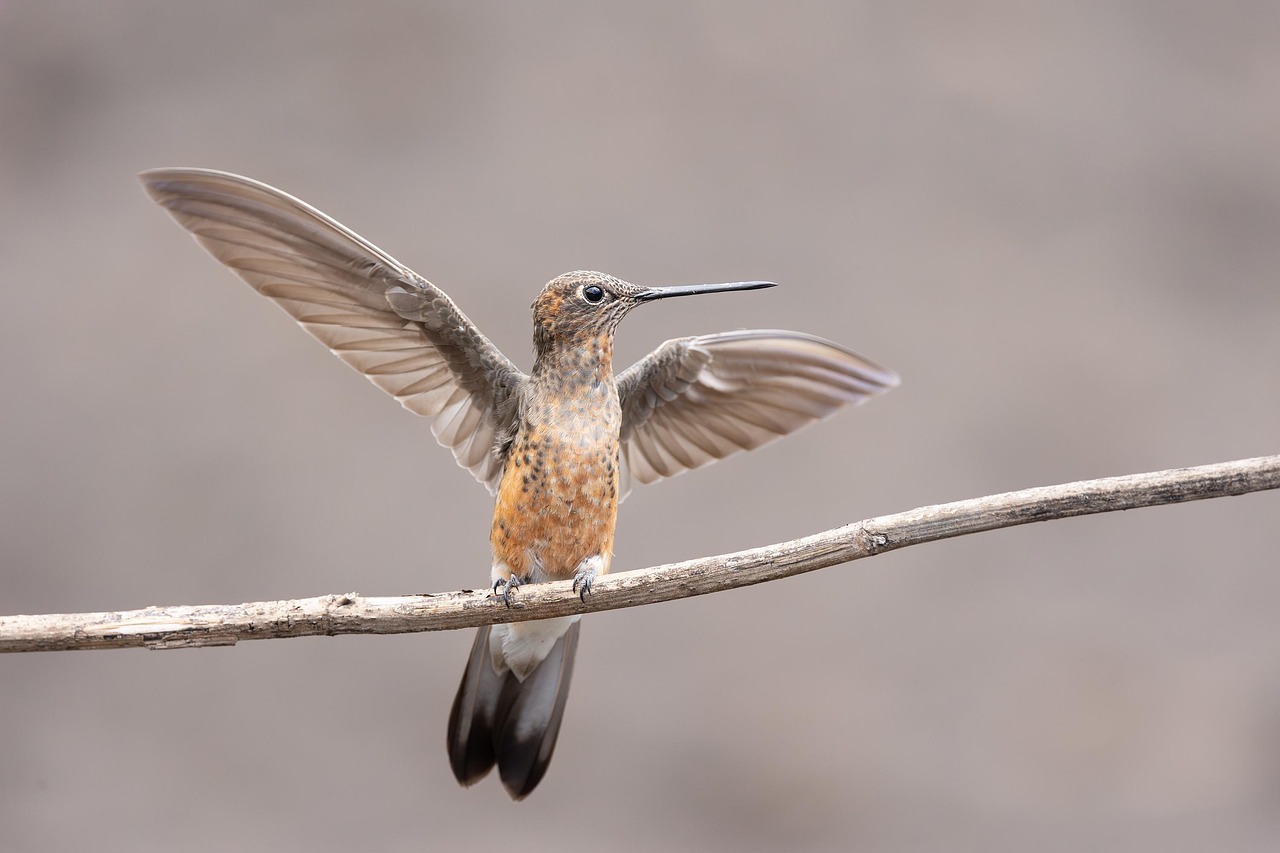
Choose the Right Plants for Hummingbirds
Attracting hummingbirds requires more than just a feeder; it demands a landscape that provides a reliable, natural food source. To create a hummingbird haven, prioritize native plants. These species have evolved alongside local pollinators, typically producing higher volumes of nectar than ornamental hybrids bred primarily for aesthetics.
Focus on tubular-shaped flowers, which are perfectly adapted to the long, slender bills of hummingbirds. Bright colors, particularly shades of red, orange, and hot pink, act as visual beacons to these high-energy birds. By selecting a variety of species that bloom at staggered intervals, you ensure a consistent food supply from early spring through late autumn.
Consider incorporating these reliable nectar-rich plants into your garden beds:
- Salvia: Available in many varieties, these provide long-lasting, reliable blooms that hummingbirds favor throughout the summer.
- Bee Balm (Monarda): A perennial favorite that thrives in moist soil and offers a unique, tubular structure.
- Penstemon: These drought-tolerant plants are excellent for adding vertical interest and early-season nectar.
- Trumpet Vine: A vigorous climber that produces prolific, nectar-heavy flowers; ensure you have space for its expansive growth.
When planning your layout, utilize your hand tools to clear space for these plants in sunny, sheltered areas. Hummingbirds prefer locations protected from strong winds, which makes feeding and hovering easier. Avoid the use of pesticides in these areas, as hummingbirds also consume small insects and spiders to supplement their diet with essential protein.
For larger garden maintenance, keep your lawn care equipment and power tools away from these specific planting zones during peak activity hours. Hummingbirds are easily startled, so maintaining a quiet, undisturbed environment will encourage them to return frequently. If you are planting in containers or raised beds, ensure you have a consistent watering schedule; healthy, well-hydrated plants produce significantly more nectar than those experiencing drought stress.
By curating a diverse selection of native flora, you transform your yard into a vital refueling station. Focus on long-blooming perennials to minimize the need for constant replanting, allowing your garden to mature into a sustainable habitat that supports hummingbird populations year after year.
Provide Reliable Water Sources
Hummingbirds require consistent access to water for both drinking and preening. Because these birds rarely land in traditional, deep birdbaths, they prefer shallow water features that mimic natural conditions. A misting system or a fountain with a gentle, fine spray is ideal, as it allows hummingbirds to fly through the droplets to bathe while staying safely airborne.
To keep your water feature safe and inviting, routine maintenance is essential. Stagnant water can harbor bacteria or mosquitoes, so prioritize a setup that keeps water moving. If you use a basin, ensure it is shallow enough that the bottom is visible and accessible. You can also place smooth, clean river stones in the basin to provide varied depths and landing spots.
Maintaining a clean environment is the most important step in protecting your local hummingbird population. Follow these practical maintenance tips to ensure your water source remains healthy:
- Scrub regularly: Use a stiff-bristled scrub brush to remove algae buildup and mineral deposits from the basin walls at least once a week.
- Avoid harsh chemicals: Never use bleach or commercial household cleaners, as toxic residues can easily harm small birds. If you need a disinfectant, use a diluted solution of one part white vinegar to nine parts water, then rinse the basin thoroughly until no scent remains.
- Check for clogs: If using a misting system or fountain, inspect the nozzles or pump filters periodically. Debris can restrict water flow, preventing the fine spray that hummingbirds prefer.
- Refresh the supply: If you are not using a recirculating pump, dump the water daily to prevent the basin from becoming a breeding ground for insects.
When selecting equipment for your garden, look for durable, weather-resistant materials like ceramic, stone, or high-quality resin. Avoid painted basins that may flake or leach chemicals over time. By incorporating a reliable, clean water source into your landscape, you create a vital sanctuary that hummingbirds will return to throughout the season. Proper care of these features not only supports the health of the birds but also enhances the overall vitality of your outdoor space, ensuring your garden remains a functional, welcoming habitat for pollinators.

Install and Maintain Feeders Safely
Attracting hummingbirds requires consistent maintenance to keep your feeders hygienic and safe. Because nectar ferments quickly in warm weather, choosing a feeder that is easy to disassemble is essential. Look for models with wide-mouth openings and minimal crevices where mold can accumulate. You should plan to clean your feeders at least twice a week, or more frequently during extreme heat, using hot water and a bottle brush to ensure no residue remains.
When preparing the nectar, stick to a simple, natural recipe. Combine one part white granulated sugar with four parts water. Bring the mixture to a boil to ensure the sugar is fully dissolved, then let it cool completely before filling your feeders. It is critical to avoid the following ingredients, as they can be fatal to hummingbirds:
- Honey: Can cause dangerous fungal infections.
- Artificial sweeteners: Provide no energy and can be toxic.
- Red dye: Unnecessary and potentially harmful to bird health.
Placement is just as important as cleanliness. Hummingbirds need to feel secure while feeding, so hang your units in areas that offer protection from predators like outdoor cats. Use sturdy, rust-resistant hooks or shepherd’s crooks to ensure the feeder does not sway excessively or fall during high winds. Avoid placing feeders in direct, scorching sunlight, as this causes the nectar to spoil faster.
Safety during installation is paramount. While you want your feeders in an accessible location, do not take unnecessary risks to reach high branches. If you cannot reach a spot safely while standing firmly on the ground, choose a lower, more accessible branch instead. Avoid using ladders or power tools in precarious positions, especially if you are working alone or on uneven terrain. If you must use a ladder to reach a high point, ensure it is placed on a level, stable surface and have a second person spot you. If the installation feels unstable, prioritize your personal safety and choose a more practical location. A feeder placed at eye level is often easier for you to maintain and just as enjoyable for the birds to visit. By keeping your equipment clean and your installation methods sensible, you create a sustainable environment that hummingbirds will return to all season long.
Create a Safe and Chemical-Free Habitat
To attract hummingbirds, you must view your garden as a complete ecosystem rather than just a collection of flowers. These birds require more than just nectar; they rely heavily on small insects—such as gnats, aphids, and spiders—to meet their protein needs. Consequently, the most effective way to support a healthy hummingbird population is to eliminate the use of synthetic pesticides and herbicides. Chemical treatments kill the very insects hummingbirds depend on and can be toxic to the birds themselves.
Instead of relying on chemicals, practice integrated pest management. Use hand tools like weeding forks or cultivators to manage unwanted growth manually. If you must prune shrubs or clear brush to create better nesting sites, prioritize the health of the birds by following these safety guidelines:
- Inspect before you cut: Always perform a visual sweep of dense foliage before using power trimmers or loud equipment. Hummingbird nests are tiny, often camouflaged with lichen, and easily overlooked.
- Prioritize manual tools: Use sharp bypass pruners or hand saws for maintenance. These tools are quieter, more precise, and less likely to disturb nesting mothers than heavy-duty power equipment.
- Wear protective gear: When clearing brush or pruning thorny shrubs, always wear heavy-duty work gloves and safety glasses. This protects you from scratches and debris while ensuring you can work carefully near delicate nesting areas.
- Maintain your equipment: Keep your hand tools clean and sharp. Dull blades tear plant tissue, which can invite disease into your shrubs; clean, sharp cuts allow your plants to heal quickly, providing better cover for birds.
When you maintain your landscape, aim for a “managed wild” aesthetic. Leave some leaf litter and brush in out-of-the-way corners of your yard. These areas act as natural breeding grounds for the insects that hummingbirds hunt. By reducing your reliance on mechanical power equipment and avoiding harsh chemicals, you create a quieter, safer sanctuary that hummingbirds will return to season after season. Remember, a slightly “messy” garden is often the most productive habitat for wildlife. Focus on gentle, consistent maintenance rather than aggressive clearing, and your garden will naturally become a reliable food source for these energetic visitors.

Maintenance Tips and Frequently Asked Questions
Maintaining a hummingbird-friendly garden requires more than just planting flowers; it demands consistent upkeep of your feeding stations and outdoor environment. Hummingbirds are highly sensitive to their surroundings, and a clean, reliable food source is the most effective way to ensure they return season after season.
To keep your feeders safe, prioritize hygiene. Mold and fermented nectar can be fatal to hummingbirds. Wash your feeders thoroughly every few days using a solution of one part white vinegar to two parts hot water. Avoid using harsh chemical soaps, as any residue can be toxic to these small birds. Rinse the equipment meticulously until no vinegar scent remains before refilling.
When performing routine garden maintenance, be mindful of your tools and equipment:
- Hand Tools: Keep your pruning shears and trowels clean and rust-free to ensure precise cuts when deadheading flowers, which encourages more nectar-rich blooms.
- Power Equipment: When using lawn mowers or string trimmers, be aware of low-hanging branches or shrubs where hummingbirds may be nesting. Always check the area for activity before starting loud machinery.
- Water Conservation: Hummingbirds often appreciate a fine mist or a shallow birdbath. Ensure any water features are kept clean and free of algae buildup to prevent the spread of avian diseases.
Frequently Asked Questions
What should I do if I spot a sick bird?
If you notice a bird that appears lethargic, has matted feathers, or shows difficulty flying, do not attempt to handle it yourself. Contact your local agricultural extension office or a licensed wildlife rehabilitation center immediately. They can provide professional guidance based on your specific region.
How do I track migration patterns?
Local agricultural extensions and birding organizations often provide data on migration timing. Understanding when hummingbirds arrive and depart in your area helps you time your feeder setup and cleaning schedule perfectly.
Does consistency really matter?
Yes. Hummingbirds possess excellent memories and will establish “trap lines” between reliable food sources. By keeping your feeders clean and your garden well-maintained, you become a permanent stop on their route. Once they identify your garden as a dependable, safe habitat, they are highly likely to return year after year, providing you with consistent sightings throughout the season.

Dedicated team of gardening enthusiasts with years of hands-on experience testing lawn mowers, gardening tools, and outdoor equipment. We help home gardeners and professionals alike make informed buying decisions with honest, thorough reviews. From push mowers to pruning shears, we test it all so you don’t have to. Got a gardening tool you’d like us to review? Get in touch!