
Attracting hummingbirds to visit your garden is rewarding, but enticing them to build a nest requires specific habitat elements. This guide outlines how to create a safe, resource-rich environment that encourages these birds to stay and raise their young in your backyard by utilizing the right gardening tools and landscaping techniques.
It is important to understand that you cannot force hummingbirds to nest, as they are wild creatures with specific territorial needs. However, by maintaining a healthy lawn and providing essential shelter, you significantly increase your chances of success. Consistent garden maintenance and the careful use of outdoor power equipment help create an inviting sanctuary.
Our practical advice covers everything from selecting native plants that provide nesting materials to using the best hand tools for creating protected, shaded zones. We will explore how proper lawn care equipment and thoughtful garden design work together to make your property an irresistible destination for hummingbirds looking to establish a permanent home.

Provide Essential Nesting Materials
Hummingbirds are master architects, constructing tiny, cup-shaped nests that are often no larger than a walnut. To encourage these birds to nest in your yard, you must move beyond just providing nectar and start thinking like a builder. They require specific, high-quality materials to create a structure that is both flexible and durable enough to support their growing brood.
The most critical component in a hummingbird nest is spider silk. This material acts as the “glue” that binds the nest together, providing the necessary elasticity to expand as the hatchlings grow. Instead of clearing away every cobweb in your garden, leave them undisturbed in sheltered areas. These webs are essential structural supplies that hummingbirds actively seek out.
In addition to silk, hummingbirds line their nests with soft, insulating plant fibers. You can assist them by fostering a garden that produces natural down. Consider incorporating the following plants or allowing them to go to seed:
- Milkweed: The fluffy, white seeds are a premium lining material.
- Willow trees: The soft, cotton-like catkins are highly favored.
- Dandelions: Allowing these to go to seed provides an accessible source of soft down.
- Ferns: The fuzzy scales found on the undersides of certain fern fronds are often harvested by hummingbirds.
It is vital to resist the temptation to provide artificial nesting materials. While you may see advice online suggesting dryer lint, yarn, or pet fur, these items are dangerous for hummingbirds. Dryer lint often contains synthetic fibers that do not hold up well when wet, leading to mold growth or structural collapse. Yarn can easily tangle around a bird’s tiny legs, causing injury or trapping them within the nest. Furthermore, pet fur may contain residues from flea or tick treatments that are toxic to birds.
By maintaining a “wilder” aesthetic in parts of your garden, you provide the raw materials these birds need to thrive. Avoid aggressive pruning of native shrubs and allow seed heads to remain on plants through the early spring. When you provide a safe, natural supply chain, you significantly increase the chances that a hummingbird will choose your garden as the site for its next home.
Select the Right Trees and Shrubs
Creating a welcoming habitat for hummingbirds begins with selecting the right structural foundation. These birds are meticulous nest builders, typically seeking sturdy, horizontal branches that provide a stable platform for their tiny, cup-shaped homes. When choosing trees and shrubs, prioritize species that offer both a secure anchor point and excellent camouflage.
Native plants are always the best choice, as they are adapted to your local climate and support the insects hummingbirds need for protein. Consider incorporating the following species into your landscape design:
- Oak and Maple: These trees provide broad, horizontal limbs that are ideal for nest construction. Their dense canopy offers essential protection from rain and intense sunlight.
- Fruit Trees: Varieties like apple, cherry, or plum provide the perfect combination of structural support and early-season blooms, which help sustain the birds while they establish their territory.
- Dense Shrubs: Evergreens or thick-foliaged deciduous shrubs act as a privacy screen. Hummingbirds often prefer nesting in areas where the foliage is thick enough to hide their nest from predators like jays and squirrels.
Placement is just as critical as the species you choose. When planting, look for spots in your yard that are naturally sheltered from high winds. Hummingbirds expend a significant amount of energy flying; a nesting site that is buffeted by heavy gusts will be ignored in favor of a calmer, more protected location.
To maintain these areas, use hand tools like sharp pruning shears to remove deadwood or crossing branches that might interfere with a clean, horizontal nesting site. However, avoid over-pruning. You want to maintain a “shaggy” appearance with plenty of leaf cover. If you are using outdoor power equipment, such as a hedge trimmer, be extremely cautious during the spring nesting season. Always inspect the foliage thoroughly before trimming to ensure no active nests are present.
Finally, consider the height of your plantings. While hummingbirds are adaptable, they generally prefer to nest between 5 and 20 feet above the ground. By layering your garden with a mix of tall, sturdy trees and lower, dense shrubbery, you provide a vertical range of options that increase the likelihood of attracting a nesting pair. Keep the area around these trees relatively quiet and free from frequent foot traffic to help the birds feel secure enough to raise their young.

Maintain a Consistent Water and Food Source
A nesting female hummingbird faces an exhausting schedule. To successfully raise her brood, she must consume massive amounts of energy while frequently leaving the nest to forage. By maintaining a consistent, reliable food and water source within your garden, you provide the essential fuel she needs to stay nearby, reducing her travel time and stress.
Focus on native plantings to attract the highest quality nectar. Native species have evolved alongside local hummingbirds, offering the precise sugar concentrations they require. Aim for a mix of bloom times so that food is available throughout the entire nesting season.
Consider planting these high-energy favorites:
- Bee Balm (Monarda): Its tubular shape is perfectly suited for hummingbird beaks.
- Columbine (Aquilegia): These provide early-season nectar when other sources may be scarce.
- Honeysuckle (Lonicera): A vigorous grower that offers a steady supply of sweet nectar.
Beyond caloric intake, hydration is critical. Hummingbirds require clean water for both drinking and preening. Because they are tiny and vulnerable, they avoid deep water where they cannot easily stand or perch. A standard birdbath is often too deep and dangerous for them.
To provide a safe water environment, follow these maintenance tips:
- Use a shallow basin: A dish with a depth of no more than one inch is ideal. If your existing birdbath is deep, place smooth, clean river stones in the bottom to create a shallow landing area.
- Install a mister: Hummingbirds love to fly through fine sprays of water. A simple mister attached to your garden hose or a dedicated solar fountain can mimic the dew they naturally seek out.
- Prioritize cleanliness: Stagnant water attracts mosquitoes and harbors bacteria. Scrub the basin with a stiff brush and mild soap at least twice a week, rinsing thoroughly before refilling.
- Keep it moving: If possible, use a small solar-powered pump to keep the water circulating. Moving water is less likely to become contaminated and is significantly more attractive to hummingbirds.
By keeping your feeders clean and your native plants well-watered, you create a sanctuary. When a female hummingbird finds a reliable “all-inclusive” resort in your backyard, she is far more likely to choose your landscape as the permanent home for her nest.
Safety Considerations for Garden Maintenance
When maintaining your landscape to attract hummingbirds, your primary goal is to create a sanctuary. However, the use of power tools like hedge trimmers, chainsaws, and string trimmers poses a significant risk to these tiny birds, who often build nests in dense foliage or thin branches that are easily overlooked.
Before starting any garden maintenance, perform a thorough visual inspection of your shrubs, trees, and tall grasses. Hummingbird nests are remarkably small—often the size of a walnut—and are frequently camouflaged with lichen and spider silk to blend into the bark. If you find an active nest, stop all work in that immediate area. Disturbing a nesting mother can cause her to abandon her eggs or chicks, so it is best to postpone trimming until the young have fledged and left the nest.
To ensure both your safety and the protection of local wildlife, follow these best practices when operating outdoor power equipment:
- Perform a Pre-Work Sweep: Walk the perimeter of your project area and gently shake branches to check for movement before engaging any blades.
- Prioritize Personal Protective Equipment (PPE): Always wear safety glasses to protect your eyes from flying wood chips, sap, and debris. Sturdy gloves and long sleeves are also recommended.
- Stabilize Your Equipment: If you are using a ladder to reach high branches, ensure it is set on level, firm ground. Never overreach while holding a chainsaw or trimmer; move the ladder instead.
- Use Sharp Tools: Dull blades on hedge trimmers or chainsaws require more force and are more likely to snag or kick back, increasing the risk of accidental damage to the tree or yourself.
- Mind the Timing: Avoid heavy pruning during the peak nesting season, which typically spans from spring through mid-summer. If you must prune, do so in late winter or early autumn when trees are dormant and nests are vacant.
By slowing down your maintenance routine and staying vigilant, you can cultivate a beautiful, well-manicured garden that remains a safe haven for hummingbirds. Remember that a slightly “messy” garden is often the most inviting environment for nesting birds, so don’t feel pressured to keep every hedge perfectly squared away during the breeding season.
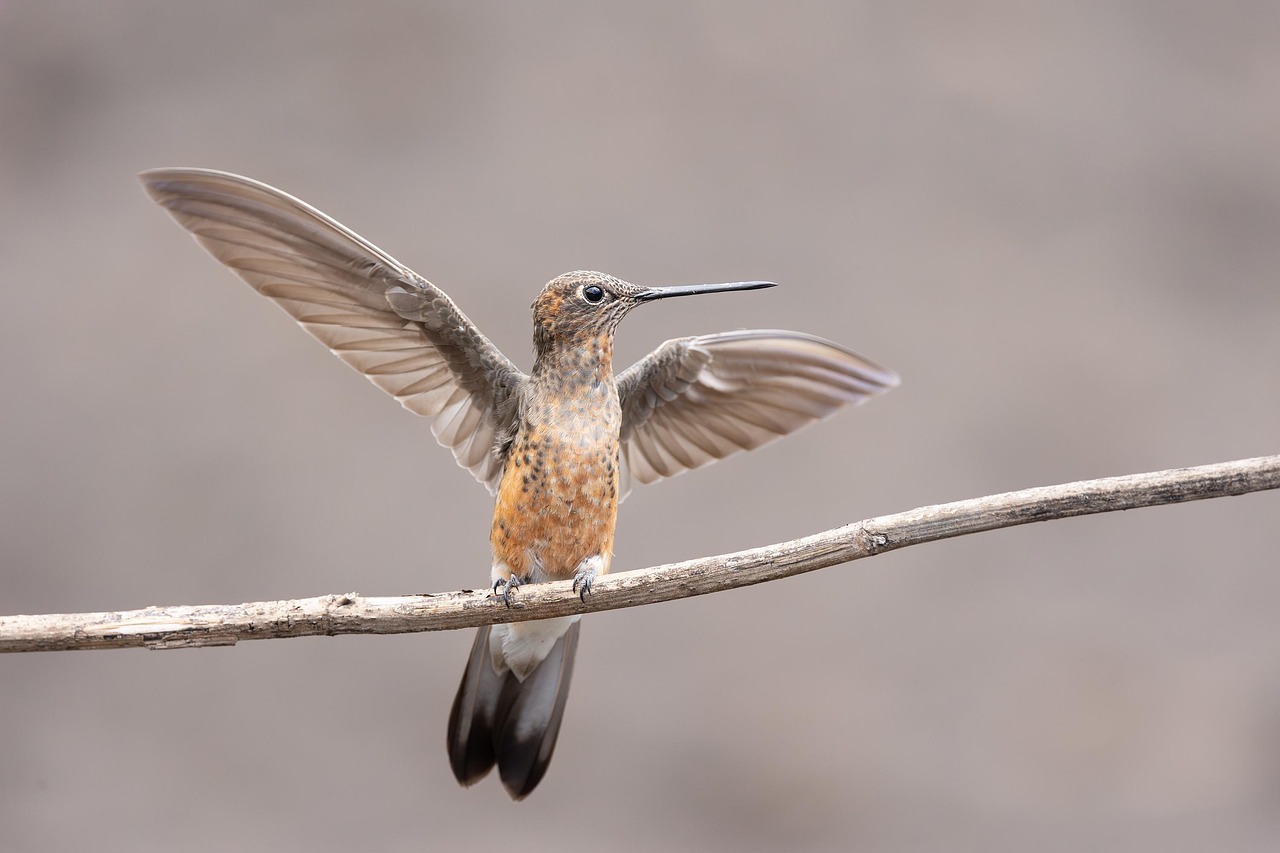
Monitoring and Protecting Nesting Sites
Creating a sanctuary for hummingbirds involves more than just providing nectar; it requires thoughtful garden maintenance that prioritizes the safety of these delicate creatures. Because hummingbirds rely on small insects and spiders for essential protein, especially during the nesting season, your approach to lawn care and pest control is critical.
Avoid using chemical pesticides or herbicides throughout your yard. These products do not discriminate between garden pests and the beneficial insects that hummingbirds depend on to feed their young. Furthermore, chemical residues can be toxic if ingested by the birds or absorbed through their skin. Instead, embrace natural gardening practices that encourage a healthy, diverse ecosystem where insects can thrive without human intervention.
Protecting vulnerable fledglings also requires managing domestic pets. If you own cats, it is vital to keep them indoors, particularly during the spring and summer nesting months. Hummingbird nests are small, camouflaged, and often located in low-hanging branches, making them easy targets for curious or predatory pets.
If you are lucky enough to spot a nest on your property, practice respectful observation by following these guidelines:
- Observe from a significant distance using binoculars to avoid startling the mother or drawing attention to the nest site.
- Never trim branches or clear brush near a suspected nesting area until you are certain the nest is no longer in use.
- Keep outdoor power equipment, such as leaf blowers and string trimmers, away from the immediate vicinity of the nest to reduce noise stress and vibration.
Despite your best efforts, nature can be unpredictable. If you discover a fallen nest, a displaced egg, or an injured bird, resist the urge to intervene yourself. Hummingbirds have highly specialized needs that are difficult to replicate in a home environment. Attempting to feed or rehabilitate them often does more harm than good. Instead, immediately contact a licensed local wildlife rehabilitator. These professionals have the training and resources necessary to provide the appropriate care for injured wildlife, giving the bird the best possible chance of survival and eventual release back into the wild. By acting as a responsible steward of your land, you provide a safer, more sustainable habitat for hummingbirds to raise the next generation.

Dedicated team of gardening enthusiasts with years of hands-on experience testing lawn mowers, gardening tools, and outdoor equipment. We help home gardeners and professionals alike make informed buying decisions with honest, thorough reviews. From push mowers to pruning shears, we test it all so you don’t have to. Got a gardening tool you’d like us to review? Get in touch!