
Creating a hummingbird-friendly landscape is a rewarding way to bring vibrant energy to your outdoor space. By providing the right food sources, water, and shelter, you can transform your garden into a reliable sanctuary for these fascinating pollinators. These quick, practical steps ensure your backyard becomes a favorite stop for hummingbirds all season long.
Attracting these tiny, agile birds requires more than just hanging a feeder; it demands a strategic approach to your entire landscape. While patience is essential, understanding the specific needs of hummingbirds helps you cultivate an environment they will naturally frequent. Consistency in your garden maintenance routine is the true secret to long-term success.
In this guide, we explore how to select the best plants and essential garden tools to support your avian visitors. From choosing high-nectar flowers to utilizing the right outdoor power equipment for habitat upkeep, we cover everything you need. Get ready to turn your home gardening efforts into a thriving, bird-filled paradise today.

Choose the Right Plants for Natural Nectar
Creating a hummingbird-friendly landscape begins with selecting the right flora. These birds have high metabolisms and require a consistent, high-energy food source. By choosing native, tubular-shaped flowers, you provide the natural nectar they crave while supporting your local ecosystem.
Focus on plants that offer deep, trumpet-like blooms, which are perfectly adapted to the hummingbird’s long bill. Native species are often more resilient, requiring less maintenance and fewer chemical interventions than non-native varieties. To ensure your garden remains a reliable pit stop from spring through fall, select a mix of plants with staggered bloom times.
Consider incorporating these reliable nectar sources into your garden beds:
- Bee Balm (Monarda): A perennial favorite that thrives in sunny spots and attracts pollinators throughout the summer.
- Columbine (Aquilegia): An excellent early-season bloomer that provides essential nectar when hummingbirds first arrive.
- Salvia: Available in many varieties, these hardy plants offer long-lasting, vibrant spikes that hummingbirds find irresistible.
- Trumpet Vine (Campsis radicans): A vigorous climber that produces abundant, high-energy nectar, though it is best suited for sturdy trellises or fences.
When installing these plants, use a sharp hand trowel to ensure you are digging a hole twice as wide as the root ball. Proper soil preparation—mixing in organic compost—will help your plants establish deep roots, reducing the need for constant watering or synthetic fertilizers. If you are planting in containers or raised beds, ensure they have adequate drainage to prevent root rot, as hummingbirds prefer healthy, thriving blossoms.
Beyond planting, your garden maintenance routine plays a vital role. Avoid using pesticides, as these chemicals can harm the insects that hummingbirds also rely on for protein. Keep your garden tools, such as pruners and shears, clean and sharp to make deadheading spent blooms easier. Removing faded flowers encourages plants to produce new buds, extending the nectar supply well into the autumn months.
By curating a diverse selection of native, nectar-rich plants, you transform your backyard into a seasonal sanctuary. A well-planned garden not only draws these birds in but also provides the consistent energy they need to thrive, ensuring they return to your landscape year after year.
Install and Maintain Hummingbird Feeders
While native plants provide the best long-term food source, installing hummingbird feeders is an effective way to supplement their diet, particularly during peak migration periods when birds require extra energy. To create a safe, reliable food source, mix a simple sugar-water solution using one part white granulated sugar to four parts water. Boil the water first to dissolve the sugar completely, then allow it to cool entirely before filling your feeder.
It is critical to follow these safety guidelines to protect the health of your local hummingbird population:
- Use only white granulated sugar: Never use honey, which can cause fatal fungal infections, or brown sugar and molasses, which contain iron levels that are toxic to hummingbirds.
- Skip the red dye: Commercial red dyes are unnecessary and potentially harmful. Hummingbirds are naturally attracted to the red plastic parts of the feeder itself.
- Change the solution regularly: In hot weather, sugar water can ferment quickly. Replace the solution every two to three days, or sooner if it becomes cloudy.
Maintenance is the most important factor in keeping hummingbirds healthy. If a feeder is not kept clean, it can harbor black mold, which is dangerous to birds. You should thoroughly clean your feeders at least twice a week. Use a long-handled bottle brush to scrub the interior of the reservoir and the feeding ports, ensuring you remove any residue or buildup. Rinse the feeder thoroughly with hot water—avoid using dish soap, as even small amounts of residue can be harmful if not rinsed away completely. If you notice black spots that do not come off with scrubbing, soak the feeder in a solution of one part white vinegar to two parts water, then rinse vigorously.
When choosing a location for your feeder, select a spot that is shaded for at least part of the day to keep the sugar water from spoiling too quickly. Place the feeder within view of your windows so you can monitor the birds, but ensure it is positioned at least 10 to 15 feet away from dense shrubs where predators like cats might hide. By keeping your equipment clean and the nectar fresh, you create a sustainable oasis that will encourage hummingbirds to return to your garden season after season.
Provide Essential Water and Shelter
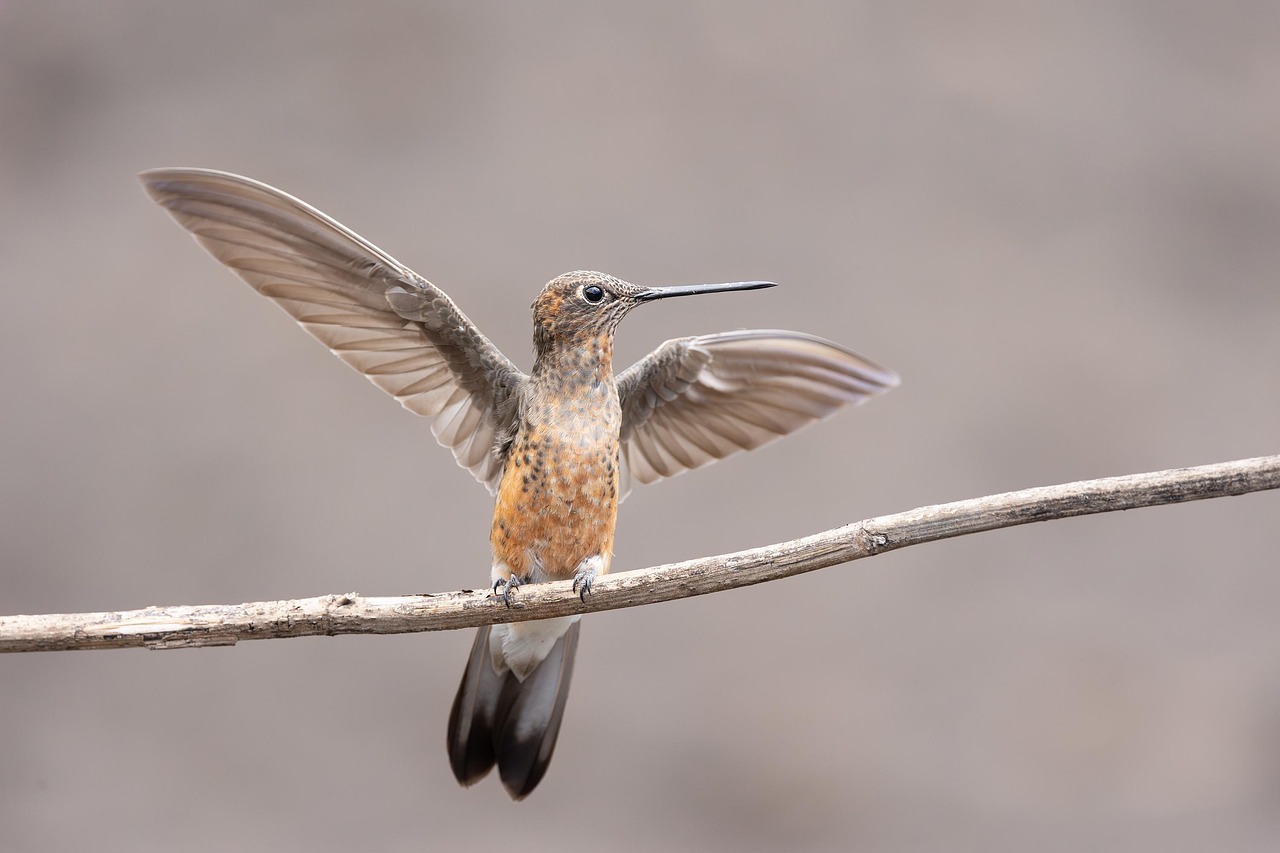
Hummingbirds require more than just nectar to thrive in your garden; they need reliable sources of fresh water and safe shelter. Because these birds have high metabolic rates, they visit water sources frequently throughout the day to drink and bathe. However, they are cautious creatures that will avoid deep or stagnant water.
To attract them successfully, install a shallow birdbath or a specialized hummingbird mister. Hummingbirds are particularly drawn to the sound and sparkle of moving water. A gentle fountain or a mister that creates a fine spray allows them to fly through the droplets, which is their preferred method of bathing. If you use a standard birdbath, ensure the water depth is no more than an inch deep and place a few smooth stones in the center to provide secure perching spots.
Beyond water, you must provide structural protection. Hummingbirds are vulnerable to predators and need places to rest between feeding sessions. Integrating the right landscaping elements into your garden maintenance routine is essential for creating this sanctuary:
- Strategic Planting: Position dense shrubs or small, native trees within a few feet of your feeders and water features. These provide immediate cover when a hawk or neighborhood cat appears.
- Perching Sites: Hummingbirds spend up to 80% of their time perched. Leave small, twiggy branches on trees or shrubs unpruned to offer natural resting spots.
- Wind Protection: If your yard is exposed, plant a windbreak of hardy perennials or shrubs. This helps the birds conserve energy, especially during cooler temperatures or stormy weather.
- Safe Maintenance: When using outdoor power equipment or hand tools to prune your garden, avoid removing too much foliage during nesting season. Keep your garden slightly “wild” in the corners to provide the nesting materials and insect habitats that hummingbirds rely on for protein.
By combining moving water with well-placed shelter, you transform your backyard into a reliable habitat. When birds feel safe and have easy access to hydration, they are far more likely to return to your garden year after year. Focus on creating a layered landscape where tall trees, mid-sized shrubs, and low-growing flowers work together to provide the security these tiny, active birds crave.
Garden Maintenance and Safety Tips
Creating a hummingbird-friendly sanctuary requires consistent garden maintenance. Healthy plants produce more nectar, which is the primary draw for these birds. To keep your landscape thriving, use high-quality, sharp pruning shears to deadhead spent flowers. Regular pruning encourages new blooms, ensuring a steady food supply throughout the season.
The condition of your tools directly impacts plant health. Always clean and sharpen your blades before use. Dull tools create ragged, uneven cuts that take longer to heal, leaving your plants vulnerable to pests and fungal diseases. A clean, precise cut promotes rapid recovery and vigorous growth.
When using outdoor power equipment, such as hedge trimmers or string trimmers, to shape your shrubs and borders, prioritize your safety. Hummingbirds are sensitive to environmental changes, so perform heavy maintenance tasks well before the peak nesting or migration seasons. Follow these safety protocols to ensure a productive work session:
- Wear impact-resistant safety glasses to shield your eyes from flying debris.
- Use sturdy, thick-skinned work gloves to protect your hands from sharp blades and thorny stems.
- Keep your power cord clear of the cutting path if using corded electric tools.
- Never operate electrical equipment in wet or damp conditions to avoid the risk of shock.
- Clear the area of rocks and heavy sticks before mowing or trimming to prevent dangerous projectiles.
Proper maintenance also involves keeping your garden beds free of debris. While hummingbirds appreciate natural nesting materials like spider silk and moss, keep your walkways clear of clippings and discarded branches. This prevents tripping hazards and keeps your garden accessible for both you and the birds.
Finally, inspect your garden equipment regularly. Look for loose bolts, frayed power cords, or cracked handles. If a tool feels unstable or damaged, repair it immediately or replace it. Well-maintained equipment makes your gardening chores more efficient, allowing you to spend less time on maintenance and more time enjoying the sight of hummingbirds visiting your flowers. By keeping your tools in top shape, you create a safer, more inviting environment for pollinators to thrive year after year.

Frequently Asked Questions and Long-Term Care
Maintaining a hummingbird-friendly landscape requires more than just filling feeders; it involves thoughtful garden maintenance and the strategic use of tools. By managing your outdoor space effectively, you create a sustainable ecosystem that encourages these birds to return season after season.
A primary concern for many gardeners is the use of chemicals. To ensure your garden remains a healthy habitat, avoid using pesticides entirely. Hummingbirds rely on small insects, such as gnats, spiders, and fruit flies, for a significant portion of their protein intake. When you use broad-spectrum pesticides, you inadvertently eliminate their natural food source and risk poisoning the birds themselves.
When performing routine lawn care or using outdoor power equipment, be mindful of nesting sites. Hummingbirds often build tiny, cup-shaped nests in the forks of tree branches or on dense shrubs. Before trimming hedges or using power tools, conduct a visual inspection of your plants to ensure you are not disturbing an active nest.
You may encounter specific challenges while managing your garden. Here are answers to common questions regarding hummingbird behavior and safety:
- Managing Territorial Behavior: Hummingbirds are naturally aggressive and territorial. If one bird is chasing others away from your feeders, consider installing multiple feeders out of sight of one another. This forces the dominant bird to choose a single location, allowing others to feed elsewhere.
- Handling Injured Birds: If you find a bird that appears lethargic, has a drooping wing, or is unable to fly, do not attempt to handle or “nurse” it yourself. Hummingbirds have incredibly high metabolisms and require specialized care. Instead, contact a local wildlife rehabilitator immediately.
- Tool Safety: When using hand tools like pruners or shears, keep blades clean and sharp. Clean cuts heal faster on plants, keeping your nectar-producing flowers vibrant and healthy.
Long-term care is about creating a balanced environment. By prioritizing organic gardening practices and using your lawn care equipment with a focus on habitat preservation, you provide a safe haven for hummingbirds. Remember that your garden is a living system; by minimizing human interference and chemical usage, you allow nature to thrive, ensuring your feathered visitors have everything they need to flourish in your backyard.

Dedicated team of gardening enthusiasts with years of hands-on experience testing lawn mowers, gardening tools, and outdoor equipment. We help home gardeners and professionals alike make informed buying decisions with honest, thorough reviews. From push mowers to pruning shears, we test it all so you don’t have to. Got a gardening tool you’d like us to review? Get in touch!