
Fungus gnats are a common frustration for gardeners, often appearing when soil remains too damp. This guide explains how to identify the source of the infestation and provides effective, non-toxic methods to deter gnats and protect your plants without harsh chemicals, ensuring your indoor and outdoor greenery stays healthy and pest-free.
While these tiny pests are mostly a nuisance, they can damage delicate roots if left unchecked. It is important to remember that complete eradication takes patience and consistent garden maintenance. By adjusting your watering habits and using the right tools, you can manage these populations effectively without resorting to aggressive, synthetic pesticides.
In the following sections, we will explore practical home gardening techniques, including proper soil management and the strategic use of hand tools. You will learn how to monitor moisture levels, utilize sticky traps, and apply natural barriers to deter gnats. Follow these professional tips to restore balance and vitality to your home garden today.
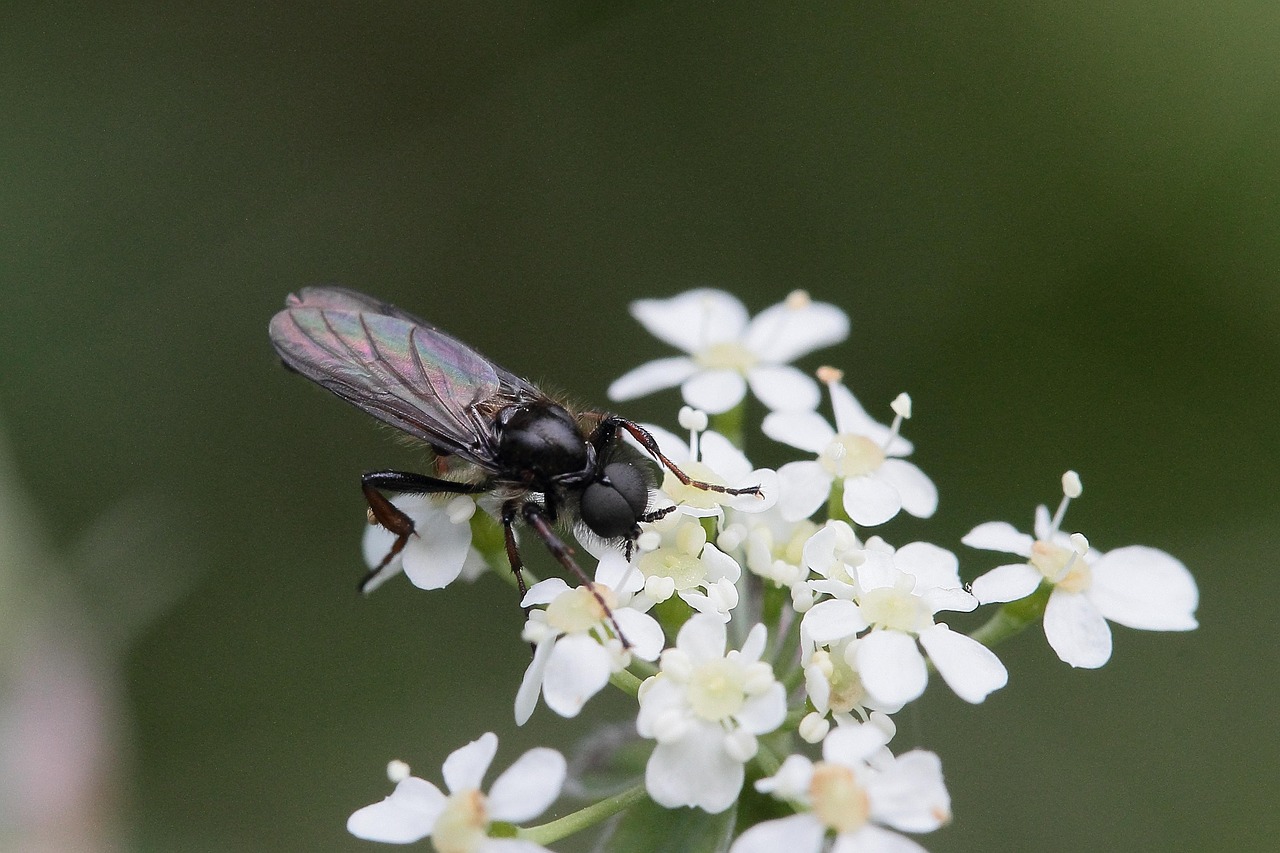
Identify the Source of the Gnat Infestation
Before you reach for heavy-duty outdoor power equipment or chemical sprays, you must confirm that your nuisance pests are indeed fungus gnats. Misidentifying the problem can lead to ineffective treatments that waste time and potentially harm your plants. Fungus gnats are small, dark-colored flies that primarily hover around the soil surface or flutter weakly when a plant is disturbed.
The most reliable way to identify an infestation is to inspect your gardening setup closely. Fungus gnats thrive in moist, nutrient-rich organic matter. If you notice tiny black flies congregating around your pots, they are likely feeding on the fungi and decaying organic material found in damp potting mix.
Use these simple steps to verify the source of the infestation:
- Check the soil moisture: Gently press your finger into the top inch of the soil. If it feels consistently soggy or waterlogged, you have created an ideal breeding ground for larvae.
- Examine the drainage: Inspect the saucers and drainage holes of your containers. Standing water in these areas is a common magnet for gnats.
- Monitor plant health: While adult gnats are mostly a nuisance, their larvae feed on organic matter and can occasionally damage delicate root systems, causing plants to look wilted despite being watered.
- Use sticky traps: Place a small yellow sticky card near the base of the plant. Fungus gnats are attracted to the color yellow; if the card collects multiple small, black flies, your diagnosis is confirmed.
Differentiating fungus gnats from other common pests is essential for your maintenance strategy. For example, while aphids or spider mites typically congregate on the undersides of leaves or stems, fungus gnats remain strictly tied to the soil environment. By focusing your attention on the potting medium rather than the foliage, you can target the life cycle of the insect directly at its source.
Once you have confirmed the presence of fungus gnats, your primary goal should be to break the breeding cycle. This starts with adjusting your watering routine to allow the top layer of soil to dry out completely between sessions. This simple cultural practice is often more effective than applying harsh pesticides and is the safest approach for your indoor or outdoor garden ecosystem.
Adjust Watering Habits to Dry Out Soil
The most effective way to break the fungus gnat life cycle is to disrupt their environment. These pests thrive in consistently moist organic matter, making overwatered containers their ideal breeding ground. By adjusting your watering habits, you can create conditions that are inhospitable to both larvae and egg-laying adults.
The golden rule for gnat control is to allow the top two inches of your potting mix to dry out completely between waterings. When the surface layer remains parched, the larvae—which inhabit the upper soil profile—cannot survive. This simple cultural practice effectively kills the current generation and prevents new eggs from hatching.
To implement this change successfully, follow these practical steps:
- Check the soil depth: Before reaching for your watering can, insert your finger or a wooden dowel two inches deep into the soil. If you feel any moisture or see dark, damp soil clinging to the stick, wait another day or two.
- Use a moisture meter: If you struggle to gauge soil hydration, a simple, inexpensive moisture meter provides a precise reading of the root zone, ensuring you do not water prematurely.
- Assess pot drainage: Ensure every container has adequate drainage holes. If your pots are sitting in decorative saucers, empty any standing water immediately after watering, as this creates a secondary breeding site.
- Bottom-water your plants: Instead of pouring water over the top, place your pots in a tray of water for 15 minutes. This allows the roots to absorb moisture from below while keeping the top two inches of soil dry, which is the primary zone where gnats lay their eggs.
Consistency is vital during this transition. While your plants may look slightly wilted during the first few days of this new regimen, most common houseplants are resilient and will recover quickly. If you notice your plants struggling, prioritize light and airflow rather than adding more water. Improving air circulation around the foliage and soil surface helps the top layer dry out faster, further discouraging gnat activity. By keeping the top layer of your potting medium dry, you effectively starve the larvae and reclaim your indoor garden from these persistent pests without the need for harsh chemical interventions.

Use Physical Barriers and Traps
One of the most effective ways to manage a gnat infestation is to disrupt the insect’s life cycle by physically blocking access to the soil. Fungus gnats thrive in moist, organic-rich environments where they lay their eggs. By creating a physical barrier on the surface of your potting mix, you can prevent adult gnats from reaching the soil to reproduce.
To implement this, apply a half-inch layer of horticultural sand or fine, decorative gravel over the top of your container soil. This layer dries out quickly after watering, creating an inhospitable environment for the larvae while acting as a physical shield against egg-laying adults. Ensure you do not leave any large gaps where gnats might still find access to the moist soil beneath.
While barriers address the next generation, you must also manage the existing adult population. Yellow sticky traps are an essential tool for this stage of garden maintenance. Gnats are naturally attracted to the color yellow, making these traps highly effective for both monitoring and reduction.
Follow these steps to use sticky traps effectively:
- Placement: Position the traps near the base of the plant, just above the soil line, where adult gnats are most active.
- Maintenance: Check your traps every few days. If they become covered in insects, replace them to maintain their effectiveness.
- Monitoring: Use the number of trapped gnats as a gauge for your infestation. A high volume of gnats indicates you may need to supplement these physical methods with soil-drenching treatments, such as BTI (Bacillus thuringiensis israelensis) or neem oil.
Using these tools in tandem provides a comprehensive defense for your indoor garden. The sand barrier stops new eggs from being laid, while the sticky traps capture the remaining adults, effectively breaking the cycle of infestation. Always ensure your containers have proper drainage holes to prevent the soil from remaining waterlogged, as overly wet soil is the primary attractant for these pests. By combining these simple physical interventions with proper watering habits, you can keep your plants healthy and gnat-free without relying on harsh chemical pesticides. These methods are safe for use in your home and provide a practical, long-term solution for maintaining your plant collection.
Apply Natural Controls and Repellents
If physical barriers fail to stop a gnat infestation, you can turn to natural biological controls. The most effective method is using Bacillus thuringiensis israelensis (BTI). This naturally occurring bacterium specifically targets fungus gnat larvae in the soil without posing risks to your plants, beneficial insects, pets, or humans. BTI is commonly available in granular or liquid forms that can be mixed into your watering can for easy application.
For a multi-pronged approach, consider these natural repellent strategies:
- Neem Oil Drenches: Dilute high-quality, cold-pressed neem oil according to the product label and apply it directly to the soil surface. This disrupts the life cycle of the gnats while providing a gentle systemic boost to the plant.
- Cinnamon Sprinkles: Lightly dusting the top layer of potting soil with ground cinnamon can act as a natural fungicide, helping to deter the growth of the fungi that adult gnats feed upon.
- Hydrogen Peroxide Solution: A mixture of one part 3% hydrogen peroxide to four parts water can be used to drench the soil. This kills larvae on contact through oxidation and breaks down into harmless oxygen and water.
When applying these treatments, consistency is vital. Fungus gnats often have overlapping life cycles, so you may need to repeat your chosen treatment every 7 to 10 days until you no longer see adults hovering around your containers. Always ensure your soil has a chance to dry out between waterings, as damp, soggy soil provides the ideal breeding ground for these pests.
Safety should always be your priority when managing home garden maintenance. Even when using natural products, follow these best practices:
- Always wear protective gardening gloves when handling soil amendments, fertilizers, or pest control sprays to prevent skin irritation.
- Avoid inhaling dust or mist while mixing concentrated treatments.
- Wash your hands thoroughly with soap and warm water immediately after you finish your application.
- Store all gardening supplies, including natural oils and biological controls, in a cool, dry place out of reach of children and pets.
By combining these natural controls with proper watering habits, you can effectively manage gnat populations and maintain a healthy, thriving indoor or outdoor garden.

Follow-up Care and When to Seek Professional Help
Even after you have successfully treated the visible adult gnats, your work is not quite finished. Fungus gnat eggs and larvae often remain hidden within the damp topsoil, meaning a new generation can emerge within a few weeks. Consistency is the most effective tool in your gardening arsenal during this recovery period.
Continue to monitor your plants closely for at least three to four weeks. During this time, keep your watering schedule disciplined. Allow the top two inches of soil to dry out completely between waterings, as this remains the most effective way to disrupt the life cycle of any remaining larvae.
Watch for these signs that your plants may still be struggling:
- Persistent yellowing of lower leaves.
- Sudden wilting despite moist soil.
- Stunted growth or a lack of new foliage.
- Visible larvae or sluggish movement on the soil surface.
If you notice these symptoms, the infestation may have moved deep into the root zone, where the larvae feed on delicate root hairs. If your initial natural interventions—such as yellow sticky traps, neem oil, or hydrogen peroxide drenches—have not resolved the issue after one month, it is time to reassess your strategy.
At this stage, do not hesitate to seek professional guidance. Local nursery staff are excellent resources for identifying whether you are dealing with a more resilient pest, such as root aphids or fungus gnats that have established a deep colony. They can provide specialized soil drench treatments that are safer and more effective than off-the-shelf general pesticides.
In cases of severe root damage, a professional may recommend repotting the plant entirely. This involves gently removing the plant, washing away the infested soil, and transplanting it into fresh, sterile potting mix. When repotting, ensure your new container has adequate drainage holes to prevent the moisture buildup that originally attracted the gnats. By addressing the root environment directly, you give your plant the best possible chance to recover its vigor. Remember, healthy maintenance is always easier than fighting an established infestation, so keep your garden tools clean and your soil aeration consistent to prevent future problems.

Dedicated team of gardening enthusiasts with years of hands-on experience testing lawn mowers, gardening tools, and outdoor equipment. We help home gardeners and professionals alike make informed buying decisions with honest, thorough reviews. From push mowers to pruning shears, we test it all so you don’t have to. Got a gardening tool you’d like us to review? Get in touch!