
Gnats can turn a peaceful gardening session into a frustrating experience. This guide explains how to identify the source of a gnat infestation and provides practical, effective methods to eliminate them from your indoor plants and outdoor garden spaces using safe, proven techniques to restore your calm, pest-free environment immediately.
While these tiny insects are common, they often indicate underlying issues with soil moisture or decaying organic matter. It is important to set realistic expectations, as total eradication rarely happens overnight. By understanding their life cycle and adjusting your routine maintenance, you can effectively manage populations and prevent them from returning to your home.
We will cover essential strategies for using household items, specialized traps, and proper watering habits to combat these pests. From selecting the right hand tools for soil aeration to implementing long-term preventative care, this article offers everything you need to protect your garden. Let’s dive into the practical steps required to reclaim your space.

Identify the Source of the Infestation
Before you reach for heavy-duty outdoor power equipment or chemical sprays, you must locate the breeding ground. Gnats are opportunistic pests; if you do not eliminate the source, they will continue to populate regardless of how many adults you catch. Start your inspection by evaluating your home gardening habits and the condition of your potting soil.
Fungus gnats are the most common indoor nuisance. They thrive in damp, organic environments. If you notice tiny black flies hovering around your houseplants, the issue is almost certainly overwatering. When potting soil remains perpetually soggy, it creates a perfect incubator for larvae to feed on decaying root matter and fungi.
Use this checklist to identify where your infestation is originating:
- Check Potting Soil: Touch the top inch of your soil. If it feels wet or spongy, allow it to dry out completely between waterings. This simple change in maintenance often breaks the breeding cycle.
- Inspect Garden Mulch: If you have indoor potted plants with decorative mulch or stones on top, remove them. These materials trap moisture and provide a safe haven for gnats.
- Examine Drains: If the gnats are clustered near sinks or showers, they may be drain flies. These pests feed on the organic film that builds up inside plumbing pipes.
- Clear Decay: Inspect your kitchen for overripe fruit or neglected compost bins. Fruit flies are often mistaken for gnats, but they originate from rotting produce rather than soil.
Once you identify the source, adjust your maintenance routine immediately. For potted plants, stop watering until the soil is dry at least two inches deep. If you are using hand tools to aerate your soil, do so carefully to help the root zone dry out faster. If the source is a drain, a thorough cleaning with a stiff brush and a natural enzymatic cleaner is far more effective than any pesticide. By addressing the moisture levels and removing decaying organic matter, you create an environment where gnats can no longer survive. Always prioritize these preventative cultural practices before resorting to traps or sprays, as this ensures a long-term solution for your home and garden.
Effective Methods for Indoor Plant Gnats
If you are battling a gnat infestation in your houseplants, the most effective strategy involves disrupting their lifecycle at both the larval and adult stages. Because fungus gnats thrive in consistently moist environments, your primary goal is to make the soil inhospitable for their development.
The most reliable cultural control method is allowing the top two inches of potting soil to dry out completely between waterings. Fungus gnat larvae feed on organic matter and fungi in damp soil; by keeping the upper layer dry, you effectively dehydrate the larvae and prevent them from reaching maturity. Before watering, use your finger to test the soil depth. If it still feels moist, delay watering for another few days.
To manage the adult population that is already flying around your home, use yellow sticky traps. Gnats are naturally attracted to the color yellow, and these traps provide an immediate, non-toxic way to capture adults before they can lay more eggs. Place the traps near the base of the plant or hang them slightly above the soil surface for best results.
For a long-term physical barrier, consider these practical maintenance steps:
- Apply a top dressing: Cover the surface of your potting soil with a half-inch layer of fine sand, decorative aquarium gravel, or horticultural grit. This creates a physical barrier that prevents adult gnats from reaching the soil to lay eggs and stops emerging larvae from breaking through the surface.
- Clean up debris: Regularly remove fallen leaves, dead plant material, and spent flowers from the soil surface. Decaying organic matter serves as a primary food source for developing larvae.
- Check drainage: Ensure your pots have functioning drainage holes. If a pot sits in a saucer of standing water, the soil will remain saturated, creating a perfect breeding ground for pests. Always empty saucers shortly after watering.
Consistency is key when managing these pests. Because gnats have a rapid reproductive cycle, you may need to maintain these dry-soil practices and keep sticky traps in place for several weeks to ensure you have caught every generation. By shifting your watering habits and sealing the soil surface, you can reclaim your indoor garden without relying on harsh chemical pesticides.

Managing Gnat Populations Outdoors
Gnats thrive in damp, decaying organic matter. To effectively manage populations outdoors, you must disrupt their breeding grounds. The most practical approach involves a combination of mechanical maintenance and targeted biological intervention.
Start by addressing soil moisture and debris. Gnats require moist environments to lay their eggs, so focus on these garden maintenance tasks:
- Improve Drainage: Use a hand trowel or garden fork to gently aerate compacted soil. If you have containers, ensure they have adequate drainage holes and avoid overwatering.
- Clear Debris: Regularly rake up fallen leaves, grass clippings, and rotting wood. These materials provide the perfect habitat for larvae to thrive.
- Manage Mulch: Avoid thick, soggy layers of mulch near the base of plants. Keep mulch thin and allow the surface of the soil to dry out between waterings.
Once you have cleaned the area, introduce biological controls to tackle existing larvae. Bacillus thuringiensis israelensis (Bti) is a highly effective, safe option for home gardeners. Bti is a naturally occurring bacterium that specifically targets gnat and mosquito larvae in the soil without harming beneficial pollinators, pets, or your garden equipment.
When applying Bti, follow these steps for the best results:
- Select the Right Formulation: Use Bti granules or a liquid concentrate designed for soil application.
- Apply Evenly: Distribute the product over the soil surface in areas where you have noticed gnat activity.
- Water In: Lightly water the treated area to help the Bti penetrate the top layer of soil where larvae feed.
Because Bti is a biological agent, it will not damage your metal hand tools, plastic pots, or outdoor power equipment. It is safe to use around your existing garden infrastructure, making it a low-risk solution for long-term control.
Consistency is key. While Bti will eliminate current larvae, you must maintain clean gardening practices to prevent re-infestation. By keeping the garden floor clear of debris and ensuring proper soil aeration, you make your outdoor space inhospitable to gnats. If you use leaf blowers or lawn mowers to clear debris, ensure you clean and dry your equipment thoroughly before storage to prevent rust and maintain the longevity of your tools.
Safety Precautions and Tool Maintenance
When you are working to eliminate a gnat infestation, your gardening tools and outdoor equipment play a critical role in both your success and your personal safety. Because many soil treatments—whether organic or chemical—can cause skin irritation, you must always wear durable, waterproof gardening gloves. Never handle treated soil or apply liquid remedies with bare hands.
If you are using outdoor power equipment to manage your landscape, safety remains the priority. Gnats often thrive in damp, decaying organic matter. Using a leaf blower to clear away piles of wet leaves or grass clippings is an effective way to remove their breeding grounds. However, these machines can kick up dust, spores, and debris. To protect yourself during this process, follow these safety protocols:
- Eye Protection: Wear wrap-around safety glasses to prevent debris from entering your eyes.
- Hearing Protection: Use earplugs or noise-canceling earmuffs, as leaf blowers and trimmers operate at decibel levels that can damage hearing over time.
- Respiratory Safety: If you are clearing large amounts of dry, dusty debris, consider a dust mask to avoid inhaling fungal spores that gnats are often attracted to.
Proper maintenance of your hand tools is equally important in the fight against gnats. Gnats require moisture to complete their life cycle; therefore, a dirty, damp tool shed is an ideal breeding habitat. After finishing your garden maintenance, take these steps to keep your equipment in top condition and pest-free:
- Clean Immediately: Use a stiff brush or a damp cloth to remove all soil, mud, and organic debris from your trowels, pruners, and rakes.
- Dry Thoroughly: Wipe tools down with a clean rag. Storing wet tools creates localized pockets of moisture that can attract gnats and encourage rust.
- Sanitize Pruners: If you have been trimming back plants affected by gnats, wipe your pruner blades with rubbing alcohol. This prevents the spread of pathogens that cause the rot and decay gnats feed on.
By keeping your garden tools clean, dry, and properly stored, you eliminate the secondary moisture sources that allow gnat populations to persist. A well-maintained tool kit not only extends the life of your equipment but also ensures your garden remains a hostile environment for pests.
Frequently Asked Questions and Long-Term Prevention
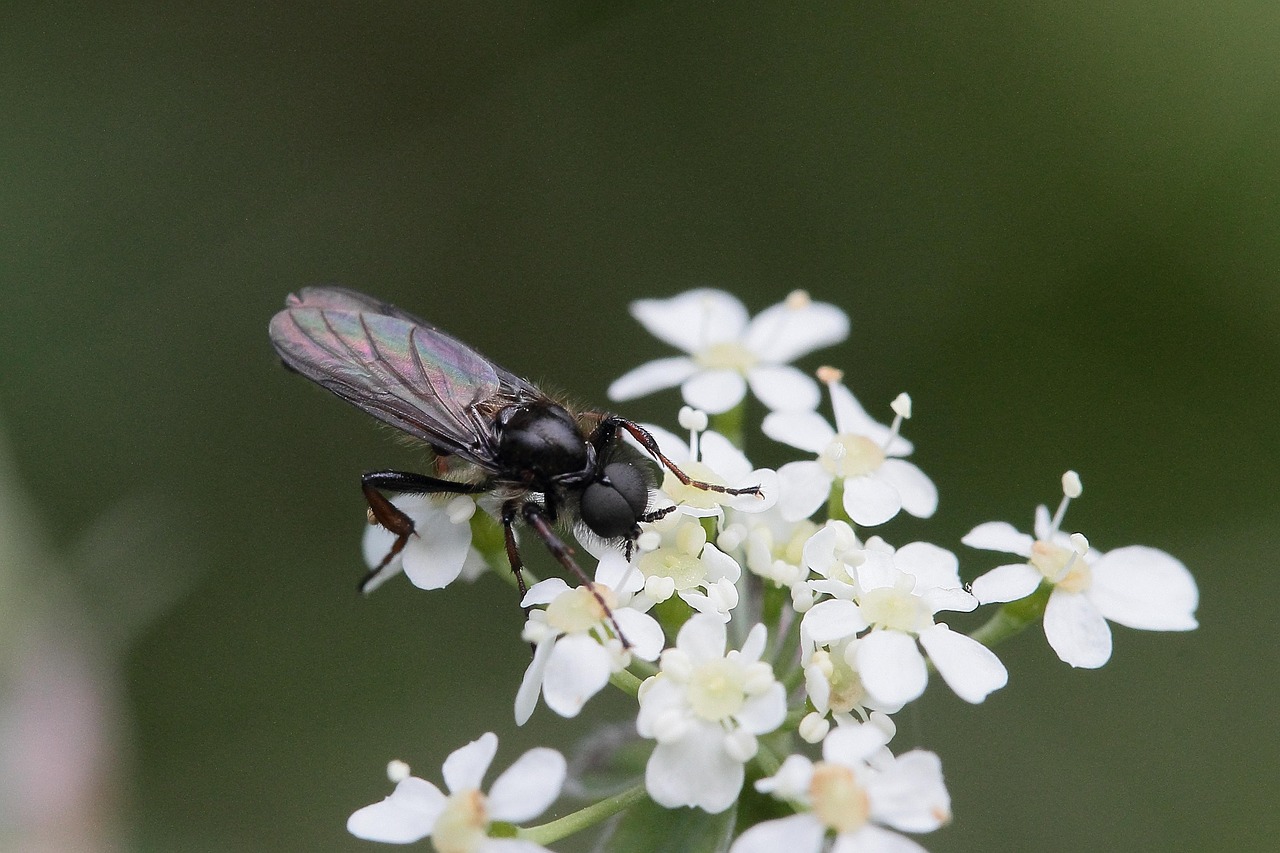
Distinguishing between common garden pests is the first step in effective management. Fungus gnats are small, dark, flying insects often found near damp soil, whereas aphids appear as clusters of tiny, pear-shaped insects on stems and undersides of leaves. If you notice sticky residue or leaf curling, you are likely dealing with aphids or spider mites rather than gnats. If your DIY efforts—such as drying out soil or using yellow sticky traps—fail to reduce the population after two weeks, consult a local horticultural professional. Persistent infestations may indicate deep-seated drainage issues or root rot that requires specialized intervention.
Long-term prevention relies on consistent garden maintenance and proper equipment care. Healthy plants are naturally more resilient to pest pressure. Incorporate these practices into your routine to keep your garden environment inhospitable to gnats:
- Soil Aeration: Use a hand cultivator or garden fork to gently break up the top inch of soil. This improves airflow and helps the substrate dry out faster, preventing the moist conditions gnats require to lay eggs.
- Pruning Practices: Utilize sharp, clean hand pruners to remove dead or decaying plant matter. Decaying organic material is a primary food source for gnat larvae; keeping your garden beds tidy removes their breeding grounds.
- Water Management: Avoid overwatering, which creates a soggy environment. Ensure your pots have adequate drainage holes and use high-quality potting mixes that do not retain excessive moisture.
- Equipment Hygiene: Clean your outdoor power equipment and hand tools regularly. Soil-borne pathogens and pests can travel on dirty tools. Wipe down blades with a mild disinfectant after pruning to keep your plants healthy.
Beyond specific pest control, establish a seasonal maintenance schedule. In the spring, focus on soil health and ensuring your irrigation systems are functioning without leaks. During the summer, prioritize regular weeding and monitoring for signs of stress. By integrating these tasks into your regular home gardening workflow, you create a robust ecosystem where plants thrive and pests struggle to take hold. Remember that a well-ventilated garden with proper spacing between plants is your best defense against humidity-loving insects. If you suspect an infestation has spread to the root system, inspect the root ball during repotting to ensure the plant remains viable and free of larvae.

Dedicated team of gardening enthusiasts with years of hands-on experience testing lawn mowers, gardening tools, and outdoor equipment. We help home gardeners and professionals alike make informed buying decisions with honest, thorough reviews. From push mowers to pruning shears, we test it all so you don’t have to. Got a gardening tool you’d like us to review? Get in touch!