
To cut a beech hedge effectively, you should prune it once or twice during the summer months to maintain a dense, tidy shape. Using sharp, clean hand tools or powered hedge trimmers ensures clean cuts that help the plant recover quickly while encouraging vibrant new foliage growth throughout the entire season.
Beech hedges are popular for their dense, vibrant foliage and year-round interest. Proper pruning is essential to maintain their shape and encourage healthy growth. While these hedges are relatively low-maintenance, setting aside time for seasonal care prevents them from becoming overgrown, woody, or losing their characteristic privacy-providing structure over time.
This guide covers the best timing, tools, and techniques to keep your beech hedge looking its best while ensuring safety. We will explore essential lawn care equipment, the proper use of outdoor power tools, and practical maintenance tips. Follow these expert steps to achieve a professional finish and keep your garden healthy.
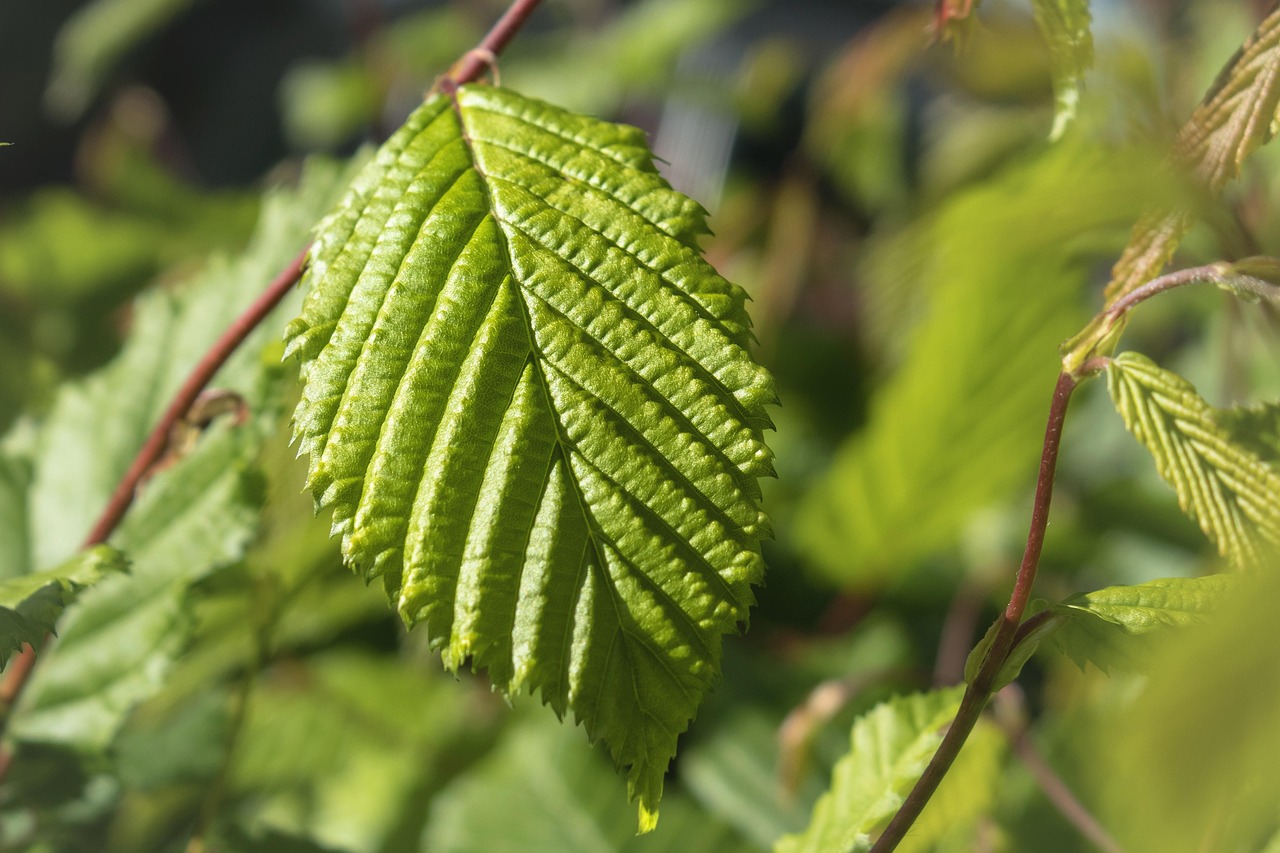
The Best Time to Prune Your Beech Hedge
Timing is the most critical factor in maintaining a healthy, vibrant beech hedge. Because beech (Fagus sylvatica) is a vigorous grower, understanding its seasonal cycle ensures you achieve a clean finish without stressing the plant or risking long-term damage.
For a major annual trim, the ideal window is late summer, typically August. By this time, the season’s primary growth has slowed down, and the foliage has hardened. Pruning now ensures your hedge remains neat throughout the autumn and winter months, as beech is semi-evergreen and retains its copper-colored dead leaves well into the following spring.
Avoid pruning during early spring. As temperatures rise, the sap begins to flow rapidly through the stems. Cutting into the hedge during this phase can cause the plant to “bleed” excessively, which weakens the shrub and leaves it vulnerable to fungal infections or pests.
If you are establishing a young hedge and want to encourage density, a different approach is required. You can perform a light trim in early summer to stimulate lateral growth. Follow these general timing guidelines for the best results:
- Early Summer (June): Perform light maintenance or shaping on young hedges to encourage thicker, bushier growth.
- Late Summer (August): The primary time for a hard prune or general tidy-up. This is when the hedge is most resilient to cutting.
- Avoid Spring: Do not trim between March and May when sap flow is at its peak.
Before you begin, ensure your hand tools—such as sharp shears or long-handled loppers—are clean and sterile. Dull blades will crush the stems rather than slicing through them, which creates jagged wounds that take longer to heal. If you are tackling a larger, established hedge, high-quality outdoor power equipment like a cordless hedge trimmer will make the job more efficient, provided you keep the blades sharp and well-oiled.
Always check for nesting birds before starting any maintenance, as wildlife protection laws often apply during the peak breeding season. By waiting until late summer, you minimize the risk of disturbing local wildlife while ensuring your beech hedge remains a dense, healthy, and attractive feature of your garden landscape.
Essential Tools and Safety Equipment
Achieving a professional, crisp finish on a beech hedge relies as much on your equipment as it does on your technique. Before you begin, assess the scale of the job to select the right tool for the task.
For smaller hedges or detailed shaping, a pair of sharp, high-quality manual hedge shears is often the best choice. Manual tools allow for greater precision and are less likely to cause the “bruising” that can occur with blunt blades. Ensure your blades are clean and oiled; a sharp edge makes a clean cut that heals faster, reducing the risk of disease.
If you are tackling a longer run or a tall hedge, a powered hedge trimmer is essential for efficiency. Whether you choose petrol, electric, or cordless models, ensure the blades are free from sap and debris before starting. A dull trimmer will tear at the foliage rather than slicing through it, leaving your hedge looking ragged and prone to browning.
Safety must always be your priority when working with garden maintenance equipment. Beech leaves and twigs can be surprisingly sharp, and powered tools introduce additional hazards. Always equip yourself with the following gear before you make the first cut:
- Safety goggles: Essential to protect your eyes from flying debris and flicking twigs.
- Sturdy gardening gloves: Choose a pair with good grip and thick material to protect your hands from scratches and vibrations.
- Long sleeves and trousers: Durable clothing prevents skin irritation and shields you from minor cuts.
- Ear protection: Mandatory if you are using petrol or loud electric hedge trimmers to prevent long-term hearing damage.
When using corded electric equipment, pay close attention to cable management. Use a bright, high-visibility cable so it remains easily detectable against the green foliage. Never work with the cable positioned in front of the trimmer blades, and always ensure your power source is protected by a residual current device (RCD). If you are working at height, use a stable platform or ladder rather than overreaching, as maintaining balance is critical when operating power tools. By preparing your tools properly and dressing for safety, you ensure a cleaner cut and a much more enjoyable gardening experience.

Step-by-Step Trimming Technique
To achieve a professional finish on your beech hedge, always begin with the sides before tackling the top. Start at the base of the hedge and work your way upward using long, sweeping motions with your hedge shears or powered trimmer. This upward movement helps catch falling clippings and allows you to maintain better control over the blade.
As you trim the sides, it is essential to create a slight taper. Aim to make the hedge wider at the bottom and narrower at the top. This “A-frame” shape is vital for the long-term health of your beech hedge, as it ensures that sunlight can reach the lower branches. If the top is wider than the base, the lower foliage will become shaded, eventually turning brown and sparse.
Once the sides are straight and tapered to your satisfaction, move on to the top of the hedge. To ensure a perfectly level finish, consider these practical tips:
- Use a guide: Stretch a taut string line between two stakes at your desired height to act as a visual level.
- Check your work: Step back from the hedge every few feet to view the overall shape from a distance. Perspective is often lost when you are standing directly against the foliage.
- Maintain equipment: Ensure your blades are sharp and clean before starting. Dull blades crush stems rather than slicing them, which can leave the hedge vulnerable to disease.
When using powered equipment, always prioritize safety. Wear sturdy gloves, eye protection, and robust footwear. Keep the power cord—if applicable—positioned over your shoulder and away from the cutting path at all times. If you are using manual hand tools, keep your wrists straight and take frequent breaks to avoid strain.
Finally, remember that beech is a vigorous grower. While you want a clean, sharp look, avoid cutting back into old, woody growth. Stick to the current season’s green stems to promote healthy regrowth. If you find yourself needing to remove thick, woody branches, use a pair of bypass loppers rather than your hedge trimmer to prevent damage to the tool and the plant. By taking your time and checking your progress frequently, you will achieve a dense, uniform, and healthy hedge that enhances your garden’s aesthetic.
Handling Power Tools and Heights Safely
Safety is the most critical aspect of maintaining a beech hedge, especially when using powered garden equipment at height. When working with hedge trimmers, the golden rule is to never overreach. Extending your arms beyond your natural reach shifts your center of gravity, significantly increasing the risk of losing your balance or losing control of the tool.
Instead of stretching, commit to moving your ladder or platform frequently. It may feel tedious to climb down and reposition your equipment, but keeping your work within a comfortable, centered range is essential for precision and safety. Before you begin, ensure your ladder is positioned on stable, firm, and level ground. Never place a ladder on soft soil or uneven surfaces without proper stabilization.
If you are using corded electric hedge trimmers, you must remain hyper-aware of the power cable at all times. It is easy to become focused on the foliage and forget the trailing cord, which can lead to accidental severance or tripping. To minimize electrical hazards, follow these protocols:
- Always connect your trimmer through a Residual Current Device (RCD) to protect against electrical faults.
- Keep the power cable draped over your shoulder or behind you, away from the cutting blades.
- Check the cable for any signs of fraying or damage before plugging it in.
- Ensure the cord has enough slack to allow for movement but is not so loose that it creates a significant trip hazard.
Trimming a beech hedge is physically demanding work that requires sustained concentration and steady hands. If at any point you feel fatigued, dizzy, or unsteady on your feet, stop the task immediately. Gardening accidents often occur during the final stages of a project when the operator is tired and less vigilant. There is no shame in pausing; a hedge can always be finished another day, but your physical safety must come first.
Finally, always wear appropriate personal protective equipment (PPE). Sturdy gloves, safety goggles to protect against flying debris, and non-slip footwear are non-negotiable when operating power tools at height. By maintaining a disciplined approach to your environment and your own physical condition, you can achieve a professional finish while keeping the experience safe and manageable.

Follow-up Care and When to Seek Professional Help
Once you have finished pruning your beech hedge, thorough cleanup is essential. Use a sturdy garden rake or a leaf blower to clear all clippings from the base of the hedge. Leaving organic debris trapped against the stems encourages damp conditions, which can lead to fungal issues and rot. Dispose of the clippings in your green waste bin or add them to a compost pile if they are free from disease.
You may notice brown, dried leaves clinging to your beech hedge throughout the winter months. This is perfectly normal behavior for Fagus sylvatica, known as marcescence. Do not be tempted to prune these away; the dead foliage provides a natural windbreak and protection for the inner buds until new spring growth pushes the old leaves off.
If you encounter specific maintenance challenges, consider these practical steps:
- Fixing Gaps: Gaps cannot be pruned away. Instead, gently bend flexible side shoots toward the empty space and secure them with soft garden twine. This trains the plant to fill the void over time.
- Disease and Pests: If you spot unusual discoloration, sticky residue, or wilting, avoid heavy restorative pruning. Take a clear photograph or a sample of the affected foliage to a local garden center to get a professional diagnosis before applying treatments.
While DIY maintenance is rewarding, some situations require specialized equipment or expertise. If your hedge has become excessively overgrown, reaching heights that require precarious ladder work, or is situated on a steep, unstable slope, it is safer to hire a professional arborist. Professionals possess the heavy-duty outdoor power equipment and safety training necessary to handle large-scale reductions without damaging the structure of the hedge.
Finally, always perform a quick safety check on your hand tools before starting any maintenance. Ensure your hedge shears or powered trimmers are sharp and clean; dull blades create jagged cuts that take longer to heal and leave the plant vulnerable to pathogens. If you are ever unsure about the health of your hedge or the complexity of the task at hand, consulting a local expert is always the most responsible choice for the long-term vitality of your garden.

Dedicated team of gardening enthusiasts with years of hands-on experience testing lawn mowers, gardening tools, and outdoor equipment. We help home gardeners and professionals alike make informed buying decisions with honest, thorough reviews. From push mowers to pruning shears, we test it all so you don’t have to. Got a gardening tool you’d like us to review? Get in touch!