
Fungus gnats are common indoor plant pests that thrive in moist soil. To control them, you must break their life cycle by letting the top layer of soil dry out completely between waterings and using yellow sticky traps to catch flying adults before they can lay more eggs in your pots.
While these tiny insects are mostly a nuisance, a heavy infestation can damage delicate roots and stunt your plant’s growth. Eradicating them requires patience and consistency, as you need to address both the flying adults and the larvae living beneath the surface to ensure your indoor garden remains healthy and vibrant.
This guide explains how to identify an infestation and provides practical, step-by-step methods to eliminate them and prevent their return. We will explore effective home remedies, soil management techniques, and the best tools for monitoring your plants, helping you maintain a thriving indoor oasis without the frustration of persistent, unwanted pests.

Identifying a Fungus Gnat Infestation
Before you reach for heavy-duty gardening tools or outdoor power equipment to manage your indoor environment, you must correctly identify the pest. Fungus gnats are frequently confused with fruit flies, but their behaviors and habitats differ significantly. Misidentifying the insect can lead to ineffective treatments that fail to address the root of the problem.
The most reliable way to spot a fungus gnat infestation is to observe the soil surface of your potted plants. Unlike fruit flies, which gravitate toward ripening produce, fungus gnats are drawn to moisture and decaying organic matter within potting mix. If you see tiny, dark-winged insects hovering near the base of your plants or scurrying across the top layer of soil, you are likely dealing with fungus gnats.
You can distinguish them from other common household pests by their movement:
- Weak Flight: Fungus gnats are poor fliers. They tend to make short, jerky flights or crawl across the soil rather than buzzing persistently around your kitchen or trash cans.
- Soil Activity: If you disturb the plant foliage or gently tap the pot, adult gnats will often take flight briefly before quickly returning to the soil surface.
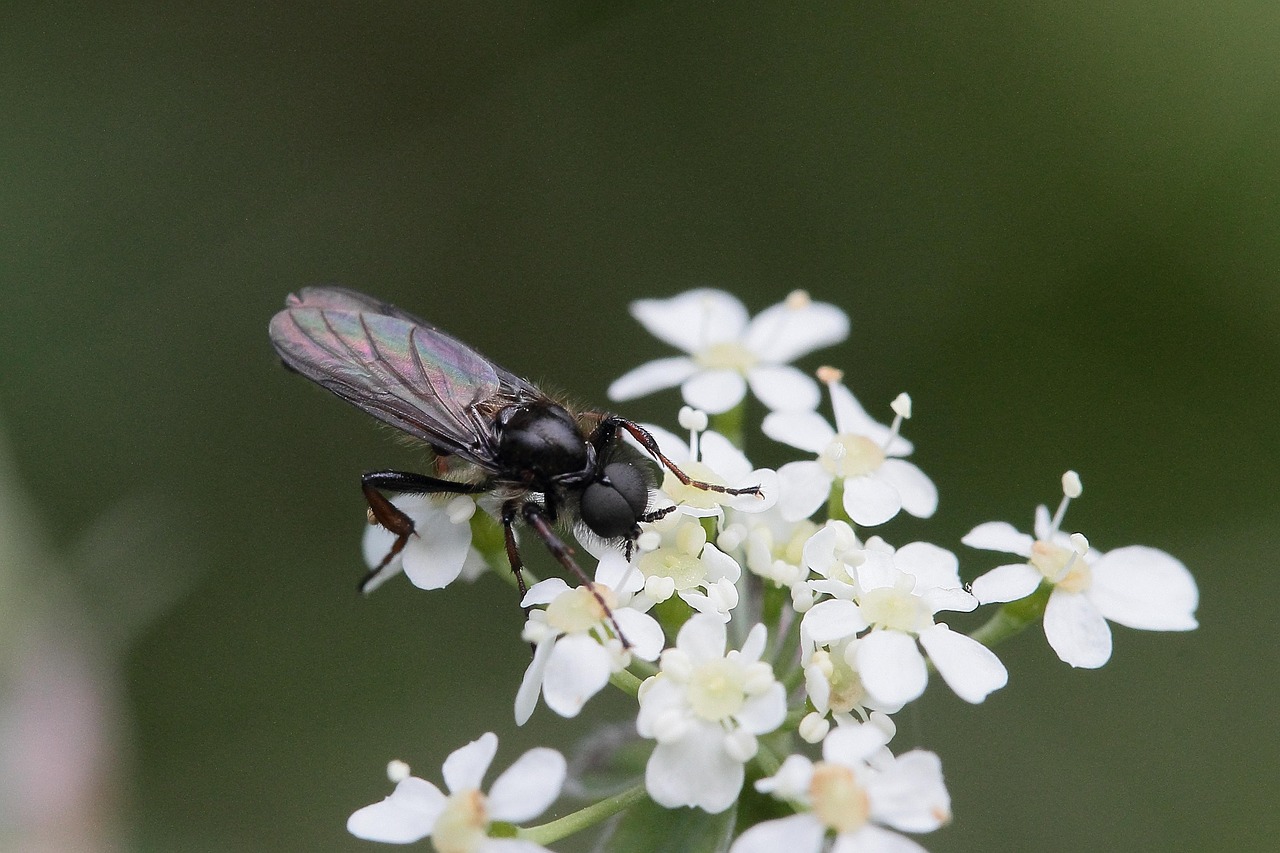
- Physical Appearance: Adults look like miniature mosquitoes with long legs and clear wings.
While the adults are a nuisance, the real threat to your plant health lies beneath the surface. The larvae—which are the primary cause of root damage—are translucent, worm-like creatures with shiny black heads. They live in the top two inches of the soil, feeding on organic debris, fungi, and, when populations are high, the delicate root hairs of your indoor plants.
If your plants show signs of sudden wilting, yellowing leaves, or stunted growth despite receiving proper water and light, inspect the root zone. Carefully scrape back the top layer of soil; if you see tiny, thread-like larvae, your infestation is confirmed. Because these pests thrive in consistently damp conditions, maintaining proper garden maintenance—specifically allowing the top inch of soil to dry out between waterings—is your first line of defense. By identifying the life stage and location of these pests early, you can implement targeted, safe control measures before significant root damage occurs, ensuring your indoor garden remains healthy and vibrant without the need for harsh chemical interventions.
Immediate Cultural Controls to Reduce Moisture
Fungus gnats thrive in moist, organic-rich environments. Their larvae feed primarily on decaying plant matter and fungi in the soil, making consistently damp potting mix the perfect nursery for a new generation. To break their life cycle, you must disrupt their habitat by focusing on moisture management.
The most effective cultural control is allowing the top two inches of your potting soil to dry out completely between waterings. When the surface remains dry, the eggs and larvae—which are highly sensitive to desiccation—struggle to survive. Before adding more water, perform a simple finger test: insert your finger two inches deep into the soil. If you feel any moisture, wait a few more days before watering again.
Proper drainage is equally vital to prevent water from pooling at the base of the pot. If your container lacks adequate drainage, moisture will accumulate at the bottom, creating a permanent breeding ground for gnats regardless of how dry the surface feels. Use these steps to ensure your pots are working for you, not against you:
- Check drainage holes: Ensure every pot has functional holes at the bottom. If you use decorative cachepots without holes, remove the inner plastic nursery pot before watering to allow excess liquid to drain away entirely.
- Empty saucers: Never let your plants sit in standing water. After watering, wait 15 minutes and discard any water that has collected in the saucer or decorative tray.
- Use well-draining media: If your soil stays wet for more than a week, it is likely too dense. Amend your potting mix with perlite, pumice, or horticultural sand to improve aeration and speed up the drying process.
Adjusting your watering habits requires a shift in routine, especially during cooler months when plants naturally require less water. By keeping the top layer of soil arid and ensuring that roots are not sitting in stagnant water, you effectively starve the larvae and prevent adult gnats from laying new eggs. This simple, non-chemical approach is the foundation of any successful gnat control strategy. Consistency is key; even a single instance of overwatering can provide enough moisture for the population to rebound, so monitor your plants closely until the infestation is fully under control.
Physical and Biological Treatment Methods
Controlling fungus gnats requires a two-pronged approach: trapping the mobile adults and eliminating the larvae residing in the soil. By combining physical barriers with biological controls, you can break the gnat life cycle and protect your indoor plants.
Trapping Adult Gnats
Adult gnats are primarily a nuisance, but they are also responsible for laying new eggs in your potting mix. Yellow sticky traps are highly effective because the color mimics the appearance of flowers, attracting the insects. To use them:
- Place traps horizontally on the soil surface or hang them vertically near the base of the plant.
- Monitor the traps regularly and replace them once they are covered in insects.
- Ensure traps do not touch foliage, as the adhesive can damage sensitive leaves.
Eliminating Larvae
The larvae cause the most damage by feeding on organic matter and delicate root hairs. Targeting them in the soil is essential for long-term management. Two of the most effective methods include:
BTI (Bacillus thuringiensis israelensis): This is a naturally occurring bacterium that specifically targets fungus gnat larvae without harming plants, pets, or humans. It is most commonly available as “mosquito dunks” or granules. Soak the product in your watering can for several hours before watering your plants. The bacteria will colonize the soil and kill the larvae upon ingestion.
Neem Oil Soil Drenches: Neem oil acts as an insect growth regulator. When used as a soil drench, it disrupts the larvae’s ability to develop and feed. Mix the neem oil according to the manufacturer’s instructions and apply it directly to the soil during your regular watering routine.
Safety and Best Practices
Regardless of the method you choose, always read and follow the product label carefully. Over-application can lead to plant stress or ineffective results. Consistency is key; because these treatments may not kill eggs immediately, you should continue applications for at least three to four weeks to ensure you catch the next generation of hatchlings. Additionally, allow the top inch of your potting soil to dry out between waterings, as fungus gnats thrive in consistently moist environments. By reducing soil moisture and applying these treatments, you create an inhospitable environment for future infestations.
Safety and Equipment Handling Precautions
Managing fungus gnats often involves applying horticultural oils, insecticidal soaps, or amending potting soil with materials like diatomaceous earth. While these solutions are effective, they require careful handling to ensure your safety and the health of your indoor environment.
Always wear nitrile or rubber gloves when mixing or applying treatments. Many horticultural soaps and concentrated oils can strip natural oils from your skin, leading to irritation or dermatitis. If you are handling fine powders like diatomaceous earth, consider wearing a dust mask to avoid inhaling microscopic particles that can irritate your respiratory tract.
Proper ventilation is essential. Even organic-based treatments can produce strong odors or aerosolized particles that linger in stagnant air. Open windows or use a fan to ensure fresh airflow while you work. If you are treating a large collection of plants, take frequent breaks to step into a different room to breathe fresh air.
If you use power equipment, such as a drill-mounted soil mixer or an electric potting tool, adhere to these safety protocols:
- Wear eye protection: Safety glasses are non-negotiable. Soil debris, perlite dust, and treatment droplets can easily become airborne and cause serious eye irritation.
- Maintain a clear workspace: Keep your hands and loose clothing well away from moving parts. Ensure the tool is completely powered down and unplugged before you attempt to clear any jams or clean the mixing attachments.
- Check your equipment: Inspect power cords for fraying and ensure that all attachments are securely fastened before starting the motor.
When working with soil amendments, avoid creating large dust clouds. If you are pouring dry potting mix or adding amendments, do so slowly and keep the bag or container close to the pot surface to minimize the spread of airborne dust. If you spill any treatment or soil on hard surfaces, wipe it up immediately with a damp cloth; dry sweeping can kick up dust and potential allergens into your breathing zone.
Finally, always store your gardening tools and chemical treatments in a cool, dry place out of reach of children and pets. Properly sealing containers prevents accidental spills and keeps your equipment in peak condition for your next maintenance session.

Follow-up Care and When to Seek Professional Help
Once you have initiated your treatment plan—whether through yellow sticky traps, biological controls like Bacillus thuringiensis israelensis (Bti), or soil moisture management—consistent monitoring is essential. Fungus gnats have a life cycle that typically spans three to four weeks, so you should not expect an overnight disappearance. Continue to inspect your yellow traps every few days; a decreasing number of trapped adults is a reliable indicator that your treatment is successfully disrupting the breeding cycle.
If you have applied surface treatments but the infestation remains heavy after three weeks, the larvae may have burrowed deep into the root zone. In this scenario, repotting is the most effective way to eliminate the population. When taking this step, ensure you use the following best practices:
- Use sterile potting mix: Avoid reusing old soil, as it may harbor eggs or larvae.
- Clean the container: Scrub the existing pot with a diluted bleach solution or hot, soapy water to remove hidden eggs before adding fresh medium.
- Gently rinse roots: Carefully wash the plant’s root system under lukewarm water to remove infested soil particles before transferring the plant to its new home.
After repotting, allow the top two inches of the new soil to dry out completely between waterings. This creates an inhospitable environment for any remaining larvae and prevents a secondary infestation from taking hold.
If you have diligently followed these steps—drying out the soil, using sticky traps, and repotting—but still see a persistent swarm of gnats, it is time to seek expert advice. Local nursery professionals are invaluable resources for diagnosing underlying issues you might be missing, such as:
- Root rot: Fungus gnats thrive on decaying organic matter. If your plant has root rot, the gnats will continue to return until the root health is restored.
- Systemic infestations: Some plants may require specialized systemic soil drenches that are best applied under professional guidance.
- Environmental factors: A nursery expert can help you assess if your home’s humidity levels or drainage setup are unintentionally fostering a gnat-friendly habitat.
Do not hesitate to bring a sample of the affected plant or a clear photo of the soil surface to your local garden center. They can provide targeted recommendations based on your specific plant species and local climate conditions.

Dedicated team of gardening enthusiasts with years of hands-on experience testing lawn mowers, gardening tools, and outdoor equipment. We help home gardeners and professionals alike make informed buying decisions with honest, thorough reviews. From push mowers to pruning shears, we test it all so you don’t have to. Got a gardening tool you’d like us to review? Get in touch!