
Learning how to care for violets in pots is straightforward once you understand their unique environmental preferences. African violets are beloved for their vibrant, year-round blooms and compact size, making them the perfect choice for indoor containers. By following a few simple maintenance rules, you can ensure your plants remain healthy and continue to produce stunning flowers.
While these popular houseplants have a reputation for being somewhat finicky, they actually thrive when you provide the right balance of light, water, and soil. It is important to remember that they prefer consistent conditions rather than constant attention. With realistic expectations and a bit of patience, you will soon master their specific care requirements.
This comprehensive guide covers all the practical steps you need to keep your potted violets healthy, happy, and blooming consistently. We will walk you through essential techniques for proper watering, ideal lighting placement, and choosing the best potting mix. Read on to transform your indoor gardening routine and help your African violets reach their full potential.
Ideal Lighting and Temperature for African Violets
African violets are famously particular about their environment, but once you master their lighting and temperature needs, they will reward you with consistent, vibrant blooms. Achieving the right balance is the secret to preventing common issues like leaf scorch or stunted growth.
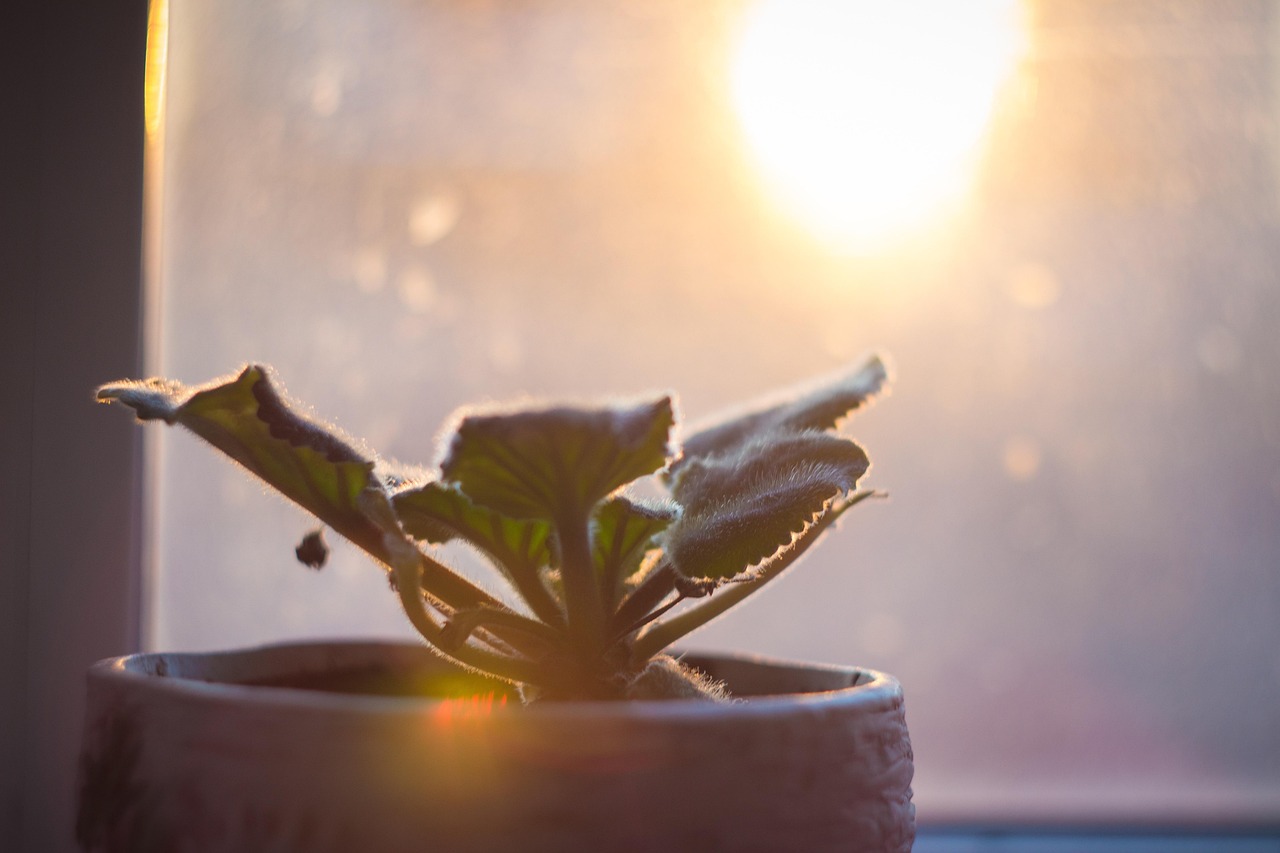
For optimal health, place your violets in bright, indirect light. A north or east-facing window is generally the best location, as these spots provide the gentle morning sun that the plants crave without the intensity of afternoon heat. If you only have south or west-facing windows, use a sheer curtain to filter the light and protect the delicate foliage from burning.
You can tell if your lighting is correct by observing the leaves:
- Dark green, thin leaves: The plant is likely not getting enough light.
- Pale, yellowing, or scorched leaves: The plant is receiving too much direct sunlight.
- Compact, healthy foliage: The light levels are ideal.
Temperature management is equally critical for year-round flowering. African violets thrive in the same temperature range that humans find comfortable, specifically between 65 and 75 degrees Fahrenheit. Because they are tropical plants, they are sensitive to sudden environmental changes.
To keep your plants happy, follow these temperature guidelines:
- Avoid cold drafts: Keep pots away from air conditioning vents, drafty windows, or exterior doors that open frequently.
- Maintain stability: Sudden shifts in temperature can cause the plant to enter a state of shock, which often results in the plant dropping its buds or stopping flower production entirely.
- Nighttime care: Ensure the temperature does not drop significantly at night, as prolonged exposure to cold can lead to root rot or crown damage.
By mimicking their natural, steady environment, you create the perfect conditions for your African violets to flourish. Consistent care in these two areas is the most effective way to encourage healthy growth and a spectacular display of flowers throughout the seasons.
Watering Techniques to Prevent Root Rot
Proper watering is the single most critical factor in keeping your African violets healthy and vibrant. Because these plants are highly susceptible to root rot, mastering your hydration technique is essential for long-term success.
The most effective method is bottom watering. This technique ensures the soil absorbs exactly what it needs without saturating the crown, which is the plant’s most vulnerable point. Follow these steps for best results:
- Fill a saucer or shallow bowl with room-temperature water.
- Place the pot into the water, allowing the soil to wick moisture through the drainage holes.
- Let the plant sit for approximately 20 minutes.
- Remove the pot and allow all excess water to drain away completely before returning it to its decorative saucer.
Always use room-temperature water. Cold water can shock the root system and cause unsightly white or yellow spots to develop on the foliage, which permanently damages the plant’s appearance.
It is vital to keep the leaves dry. Water droplets trapped on the fuzzy surface of violet leaves act like magnifying glasses under sunlight, leading to burns. More importantly, moisture settling in the center of the plant—the crown—is a primary cause of crown rot, a condition that is often fatal to violets.
If you prefer to water from the top, you must be extremely precise. Use a long-necked watering can to direct the flow straight onto the soil surface, carefully avoiding the leaves and the center of the plant. If you accidentally splash the foliage, gently blot the droplets with a soft paper towel immediately.
Finally, monitor your soil moisture regularly. Before watering, touch the top inch of the potting mix. If it still feels damp, wait another day or two. Violets prefer to dry out slightly between waterings rather than sit in soggy, anaerobic soil. By prioritizing drainage and keeping the leaves dry, you will prevent the most common causes of plant decline and encourage consistent, healthy blooms throughout the year.
Choosing the Right Soil and Potting Containers
The foundation of a thriving African violet begins with the right environment. Because these plants have delicate root systems, they require a specialized growing medium. Avoid standard garden soil or heavy potting mixes, which can compact and suffocate the roots. Instead, use a high-quality, pre-mixed African violet soil. These blends are typically peat-based and include perlite or vermiculite, providing the lightweight, porous structure necessary for optimal aeration and drainage.
When selecting a container, functionality is more important than aesthetics. A pot with at least one drainage hole is non-negotiable. Without proper drainage, excess water collects at the bottom, leading to root rot and eventual plant failure. If you prefer using decorative pots without holes, place the violet in a plastic nursery liner first, then set that inside the decorative container to allow for easy water removal.
Sizing your pot correctly is also vital for consistent blooming. African violets prefer to be slightly root-bound, as this encourages them to focus energy on flowers rather than foliage. Follow these guidelines for the perfect fit:
- Measure the leaf span: The diameter of your pot should be approximately one-third the diameter of the plant’s total leaf span.
- Avoid overpotting: A container that is too large will hold too much moisture, increasing the risk of crown rot.
- Depth matters: Violets have relatively shallow root systems, so standard pots or slightly shallower “azalea” pots are ideal.
Finally, prioritize your safety during the potting process. Commercial potting mixes often contain additives, fertilizers, or wetting agents that can dry out or irritate sensitive skin. Always wear a pair of lightweight gardening gloves when handling the soil to protect your hands. If you are repotting an older plant, gently brush away the old soil from the root ball before placing it into the fresh mix, ensuring the crown of the plant sits just above the soil surface to prevent decay.
Safety and Maintenance Tools
Proper maintenance is essential for keeping your African violets healthy and vibrant. Regular grooming encourages the plant to direct its energy toward new growth and blooms rather than struggling to sustain dying foliage.
To keep your plants in top condition, use clean, sharp scissors or bypass pruning shears. These tools allow for precise cuts that minimize damage to the plant’s delicate crown. Avoid using dull blades, as they can crush stems and create jagged wounds that are slow to heal.
Sanitation is a critical step in preventing the spread of fungal diseases, such as crown rot or powdery mildew. Always wipe your blades with a cloth soaked in 70% rubbing alcohol before and after you prune. This simple habit ensures that you do not inadvertently transfer pathogens from one plant to another.
Follow these safety guidelines when performing routine maintenance:
- Create a stable workspace: Always work on a flat, well-lit surface. Proper visibility ensures you can see exactly where to cut, preventing accidental damage to healthy leaves or the central growing point.
- Focus on removal: Target only yellowed, mushy, or withered leaves and spent flower stalks. Gently snip them close to the main stem without nicking it.
- Prioritize storage: Sharp tools pose a risk to household members. Immediately clean and dry your shears after use and store them in a secure location, such as a locked cabinet or a high shelf, well out of reach of children and pets.
By keeping your tools sharp, sterile, and safely stored, you protect both the longevity of your violets and the safety of your home environment. Consistent, careful grooming will result in a more symmetrical plant and a more rewarding gardening experience.
Troubleshooting Common Issues and Follow-up Care
Even with the best intentions, African violets can occasionally struggle. If your plant stops blooming, the culprit is usually insufficient light or a lack of nutrients. Ensure your violet receives bright, indirect sunlight for at least eight to ten hours a day. If light levels are adequate, switch to a balanced fertilizer specifically formulated for African violets; these formulas contain the precise ratio of phosphorus needed to encourage flower production.
Brown spots on the foliage are often a sign of environmental stress or pests. African violets are sensitive to cold water; if water touches the leaves, it can cause unsightly spotting or crown rot. Always water from the base of the pot or use a long-spout watering can to reach the soil directly. If you notice white, cottony patches in the leaf axils, you are likely dealing with mealybugs. Gently wipe these away with a cotton swab dipped in isopropyl alcohol.
If your plant appears wilted despite having moist soil, do not add more water. This is a classic sign of root rot, often caused by poor drainage or overwatering. Carefully remove the plant from its pot to inspect the root ball. Healthy roots should be firm and white; if they are mushy, dark, or smell foul, trim away the damaged sections and repot the plant in fresh, well-draining potting mix.
Persistent issues, such as yellowing leaves or stunted growth, may indicate deeper problems. Use this checklist to narrow down the cause:
- Water Quality: High chlorine or mineral content in tap water can cause leaf burn. Try switching to filtered or distilled water.
- Pot Size: Violets prefer a snug fit. If the pot is too large, the soil stays wet for too long, leading to root stress.
- Systemic Disease: If growth remains stunted despite ideal conditions, consult a local nursery expert to rule out viral infections that cannot be treated at home.
Consistent observation is the best way to catch these issues before they become permanent.

Dedicated team of gardening enthusiasts with years of hands-on experience testing lawn mowers, gardening tools, and outdoor equipment. We help home gardeners and professionals alike make informed buying decisions with honest, thorough reviews. From push mowers to pruning shears, we test it all so you don’t have to. Got a gardening tool you’d like us to review? Get in touch!