
Learning how to care for a snake plant, or Sansevieria, is incredibly straightforward because these hardy succulents are among the most resilient houseplants available. Their ability to tolerate neglect makes them perfect for beginners looking to add greenery to their homes without the stress of complicated maintenance routines or demanding environmental needs.
While these plants are famously tough, they still require specific conditions to truly flourish and grow to their full potential. Understanding their natural habitat is key to success, as most common issues stem from over-enthusiastic care rather than a lack of attention. Consistency remains the most important factor for long-term health.
This comprehensive guide covers all the essential care steps to help your Sansevieria thrive in any indoor space. We will walk you through optimal watering habits, ideal light requirements, and the best soil mixtures for drainage. Follow these practical tips to ensure your snake plant stays vibrant, healthy, and beautiful for many years.
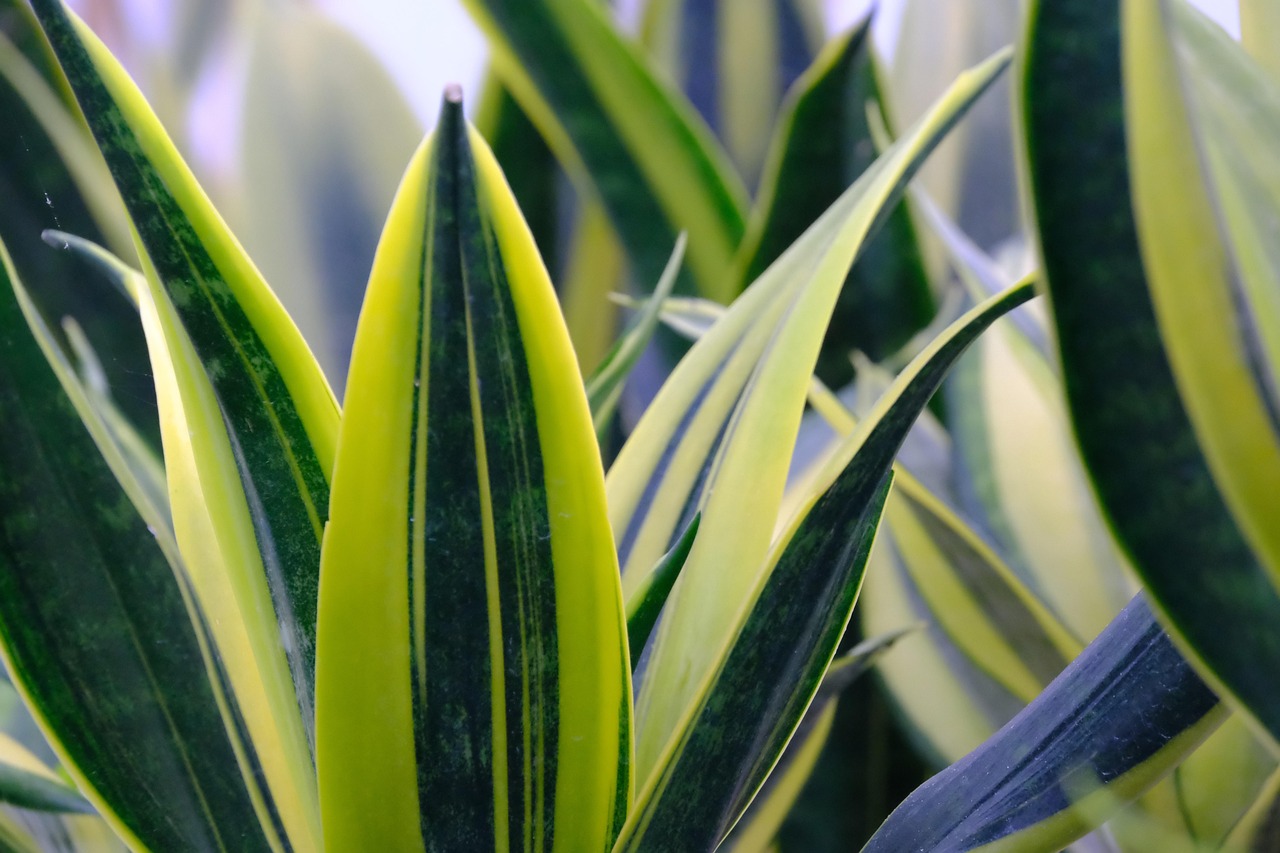
Understanding Light Requirements for Snake Plants
Snake plants (Sansevieria or Dracaena trifasciata) are frequently marketed as “low-light” plants. While it is true that they can survive in dim corners where other houseplants might perish, they are not “no-light” plants. To keep your snake plant healthy and encourage steady growth, understanding its light preferences is essential.
In their natural habitat, snake plants receive bright, filtered light. Replicating these conditions indoors will result in a more robust plant with vibrant leaf patterns. While they will tolerate low light, growth will be significantly slower, and the plant may lose some of its structural integrity.
For the best results, position your snake plant in a location that receives bright, indirect sunlight. Here is how to optimize your placement:
- East-facing windows: These provide gentle morning sun, which is ideal for snake plants.
- Near south or west-facing windows: Place the plant a few feet away from these windows or use a sheer curtain to diffuse the light.
- Avoid direct, harsh sun: Intense midday rays, particularly from a south-facing window, can scorch the leaves. This often manifests as bleached, white, or crispy brown patches on the foliage.
If you notice your snake plant leaning heavily toward the light source, rotate the pot a quarter turn every time you water it. This ensures even growth and prevents the plant from becoming lopsided.
Keep in mind that light levels fluctuate throughout the year. As the sun’s angle changes during winter, a spot that was perfectly bright in July might become too dark in December. If you notice the leaves becoming thin or the growth stalling, move the plant to a brighter location. Conversely, if you see signs of scorching, pull the plant back from the window. By observing your plant’s reaction to its environment, you can easily find the “sweet spot” that keeps your snake plant thriving year-round.
Watering Best Practices to Prevent Root Rot
The most common cause of failure for snake plants (Sansevieria) is root rot, which occurs when the plant sits in soggy soil for too long. Because these plants are succulents, they store water in their thick, fleshy leaves and have evolved to thrive in arid conditions. To keep your plant healthy, you must prioritize drainage and patience.
The most reliable way to water a snake plant is the “soak-and-dry” method. This technique mimics the natural wet-dry cycles of their native environment and prevents the roots from suffocating.
Follow these steps to water your snake plant correctly:
- Check the soil: Before adding any water, insert your finger or a wooden skewer at least two to three inches deep into the soil. If you feel any moisture, wait. The soil must be completely dry throughout the entire pot before you water again.
- Water thoroughly: When the soil is bone-dry, pour water over the surface until it begins to flow freely out of the drainage holes at the bottom of the pot. Ensure the entire root ball is moistened.
- Drain completely: Never allow the pot to sit in a saucer of standing water. After watering, let the plant drain in the sink for 15 to 20 minutes before returning it to its decorative saucer or cover pot.
If you are ever in doubt, it is always safer to underwater than to overwater. A snake plant can easily recover from a period of drought, but once the roots begin to rot from excess moisture, the damage is often irreversible. During the winter months, your plant will enter a period of dormancy and require even less water. You may find that you only need to water it once every six to eight weeks, depending on the temperature and humidity of your home. Always let the plant’s soil moisture—not a calendar—dictate your watering schedule.
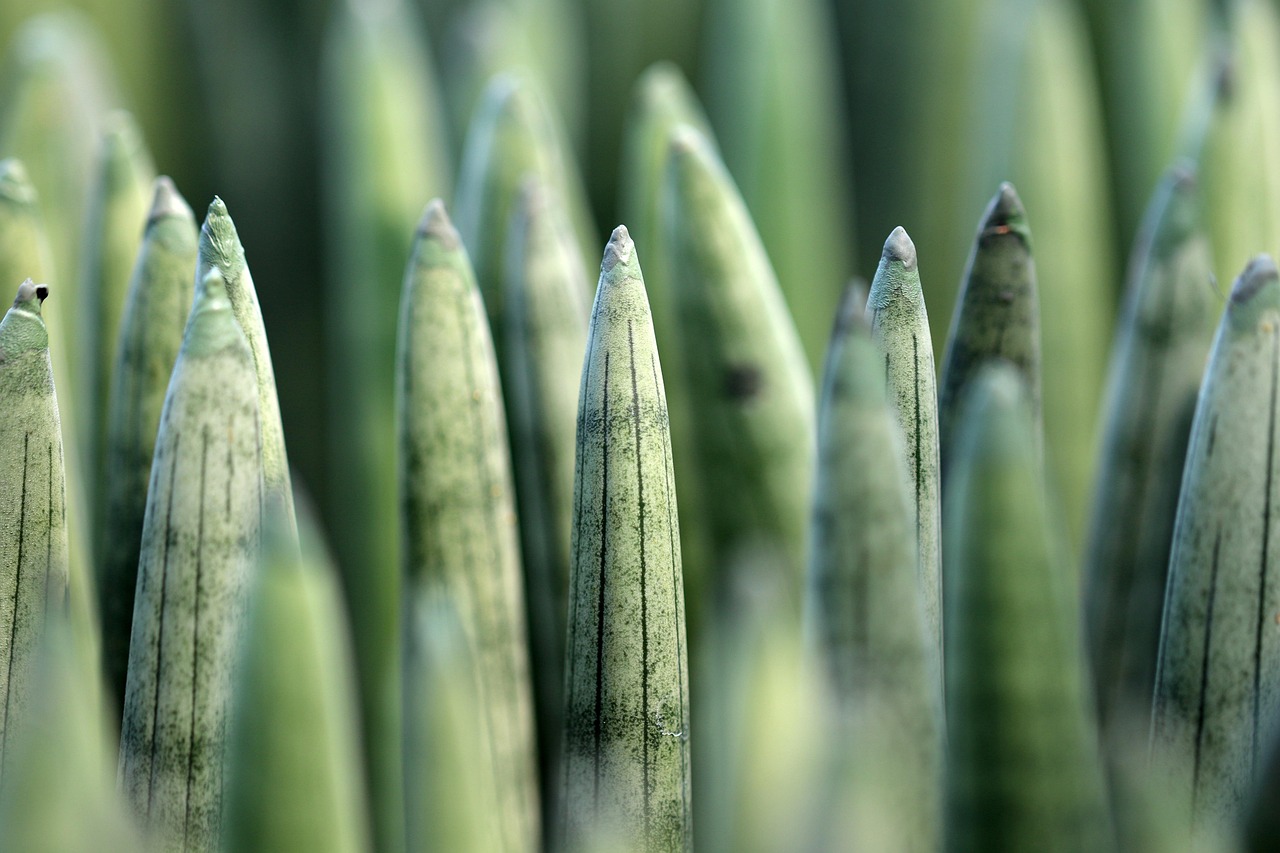
Choosing the Right Soil and Potting
The foundation of a healthy snake plant begins with the right environment. Because Sansevieria are succulents that store water in their thick, fleshy leaves, they are highly susceptible to root rot if left in damp, heavy soil. Selecting the correct potting medium is the most effective way to prevent this common issue.
For the best results, use a high-quality cactus or succulent potting mix. These commercial blends are specifically formulated to be porous and fast-draining, typically incorporating ingredients like perlite, pumice, or coarse sand. If you choose to use a standard indoor potting soil, you must amend it significantly to improve aeration and drainage. A simple DIY approach is to mix two parts standard potting soil with one part perlite or horticultural grit.
Beyond the soil composition, your choice of container is critical for long-term plant health. Always select a pot that features at least one drainage hole at the bottom. This allows excess water to escape freely after irrigation, preventing moisture from pooling around the root system.
When selecting your pot, keep these practical tips in mind:
- Material matters: Terracotta or unglazed ceramic pots are excellent choices because they are porous, allowing the soil to dry out more evenly than plastic or glazed ceramic.
- Avoid over-potting: Snake plants prefer to be slightly root-bound. Choose a container only one to two inches wider than the current root ball to prevent the soil from holding too much moisture.
- Check the drainage: If you fall in love with a decorative pot that lacks a hole, use it as a cachepot. Keep the plant in a simple plastic nursery liner with holes, then place that liner inside the decorative container. Just remember to empty any water that collects in the bottom of the outer pot after watering.
By prioritizing a fast-draining medium and a pot that allows for proper water runoff, you create the ideal conditions for your snake plant to thrive for years to come.
Safety and Maintenance Tools
Proper maintenance of your snake plant (Sansevieria) requires only a few basic tools, but using them correctly is essential for the health of your plant and your own safety. Keeping your equipment in good condition ensures clean cuts, which helps the plant heal faster and prevents disease.
When you notice yellowing, shriveled, or damaged leaves, it is best to remove them to redirect the plant’s energy toward healthy growth. Always use a pair of sharp, clean pruning shears or heavy-duty scissors. Dull blades can crush the leaf tissue rather than slicing through it, creating jagged wounds that are susceptible to fungal infections.
To maintain a safe and effective pruning routine, follow these guidelines:
- Sanitize your tools: Wipe your blades with rubbing alcohol before and after each use to prevent the spread of bacteria or pathogens between plants.
- Wear protective gear: Always wear gardening gloves when handling snake plants. The sap can cause mild skin irritation or dermatitis in sensitive individuals.
- Exercise caution: Snake plant leaves are thick and fibrous. Use steady, deliberate pressure when cutting, and always keep your fingers clear of the blade’s path.
Beyond physical maintenance, you must prioritize the safety of your household. Snake plants contain saponins, which are toxic if ingested by animals or humans. While they are excellent air purifiers, they pose a significant health risk if chewed or swallowed.
To prevent accidental ingestion:
- Place your snake plant on high shelves, plant stands, or in rooms that are inaccessible to curious pets and small children.
- Monitor the plant for fallen leaves; if a leaf breaks off, dispose of it immediately in a sealed bin.
- If you suspect a pet or child has ingested any part of the plant, contact your veterinarian or a poison control center immediately.
By keeping your tools sharp, clean, and stored securely, you create a safe environment that allows your snake plant to thrive for years to come.

Troubleshooting Common Issues and Ongoing Care
Even the most resilient snake plants can occasionally struggle. Most issues stem from watering habits, specifically overwatering, which is the leading cause of decline. If you notice yellowing leaves or a mushy base, check the soil immediately. These are classic signs of root rot caused by excess moisture trapped in the pot.
If your plant begins to droop or lean, it is often a sign of insufficient light or inconsistent hydration. While snake plants are drought-tolerant, they still require a thorough soak when the soil is completely dry. Ensure your pot has adequate drainage holes to allow excess water to escape, preventing the roots from sitting in stagnant moisture.
Ongoing care is straightforward if you follow these simple guidelines:
- Repotting: Only repot when the plant becomes root-bound or the container begins to bulge. Snake plants actually prefer being slightly crowded in their pots. Use a well-draining cactus or succulent potting mix when you do upgrade.
- Fertilizing: Feed your plant sparingly. Apply a balanced, water-soluble fertilizer diluted to half-strength only once or twice during the spring and summer growing season. Avoid fertilizing entirely during the dormant winter months.
- Cleaning: Wipe the broad, architectural leaves with a damp cloth periodically. This removes dust, allowing the plant to photosynthesize more efficiently.
While snake plants are remarkably hardy, they are not invincible. If you notice persistent brown spots, webbing, or unexplained shriveling that does not resolve after adjusting your light and water, your plant may be suffering from a pest infestation, such as spider mites or mealybugs. In cases of severe distress, do not hesitate to contact a local nursery. A professional can help you identify specific pathogens or pests and recommend targeted treatments, such as neem oil or insecticidal soaps, to save your plant. By monitoring these subtle changes, you can ensure your sansevieria remains a vibrant, low-maintenance feature of your home for years to come.

Dedicated team of gardening enthusiasts with years of hands-on experience testing lawn mowers, gardening tools, and outdoor equipment. We help home gardeners and professionals alike make informed buying decisions with honest, thorough reviews. From push mowers to pruning shears, we test it all so you don’t have to. Got a gardening tool you’d like us to review? Get in touch!