
Learning how to care for sage in a pot is a simple process that guarantees fresh herbs right on your windowsill. This hardy perennial thrives in containers, making it an excellent choice for gardeners with limited space who want to keep flavorful, aromatic leaves within easy reach for their daily culinary adventures.
Growing sage in containers is an excellent way to keep fresh herbs within reach. While these plants are naturally drought-tolerant and resilient, they do require specific conditions to avoid root rot and ensure vigorous growth. Understanding their preference for Mediterranean-like environments will help you maintain a healthy, productive herb garden year-round.
This guide covers the essential light, water, and soil requirements to help your potted sage thrive throughout the seasons. We will walk you through the best potting techniques, optimal sun exposure, and careful watering habits needed to prevent common issues. Follow these practical steps to cultivate a lush, long-lasting sage plant today.
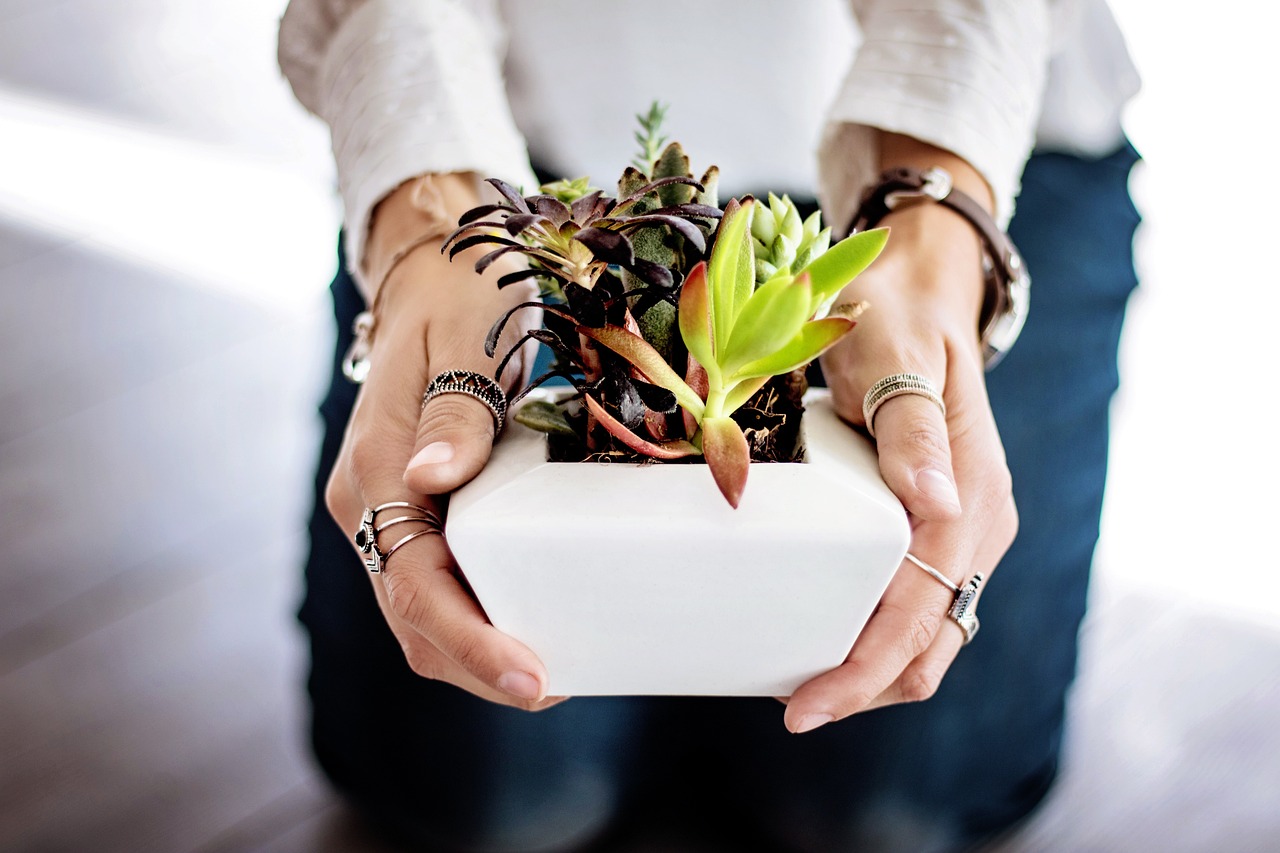
Choosing the Right Pot and Soil for Sage
Sage is a Mediterranean herb that thrives in dry, sunny conditions. When growing it in a container, your primary goal is to replicate its native environment by ensuring the root system never sits in stagnant water. Choosing the correct vessel and medium is the most important step in preventing root rot.
For the best results, select a pot made of terra cotta or unglazed clay. Unlike plastic or glazed ceramic, these porous materials allow moisture to evaporate through the walls of the pot. This “breathing” action helps the soil dry out more evenly between waterings, which is essential for keeping sage healthy.
Regardless of the material you choose, ensure the pot features large drainage holes at the bottom. If you are repurposing a decorative container that lacks holes, you must drill them yourself or use a nursery liner inside the decorative pot to allow excess water to escape freely.
The potting mix you use is just as important as the container. Sage requires a light, airy medium rather than heavy garden soil, which can compact and hold too much moisture. To create the ideal environment, follow these guidelines:
- Use a high-quality, lightweight commercial potting mix as your base.
- Amend the soil by adding perlite or coarse horticultural sand—aim for a ratio of about one part amendment to three parts soil.
- Avoid moisture-retentive additives, such as water-absorbing crystals or peat moss, which can keep the roots too wet.
Proper drainage starts at the bottom of the pot. While some gardeners place a layer of gravel at the base, this can actually create a perched water table, which keeps the soil above it wetter for longer. Instead, fill the container with your well-draining mix all the way to the bottom. This ensures that water moves through the entire root zone efficiently, keeping your sage vibrant and preventing the fungal issues that often plague container-grown herbs.
Light and Placement Requirements
Sage is a Mediterranean herb that thrives on abundant sunshine. To grow healthy, flavorful foliage, place your potted sage in a location that receives at least six to eight hours of direct sunlight daily. Without sufficient light, the plant will become leggy, lose its vibrant color, and produce less potent essential oils.
For indoor gardening, a south-facing windowsill is the ideal spot, as it provides the most consistent, intense light throughout the day. If you are growing your sage outdoors, choose a sunny patio or balcony area that remains unobstructed by trees or large structures that might cast cooling shadows.
Proper placement is also about more than just light; it is essential for disease prevention. Sage requires excellent air circulation to remain healthy. Stagnant, humid air around the leaves can quickly lead to fungal issues, most notably powdery mildew, which appears as a white, dusty coating on the foliage.
Follow these placement tips to ensure your plant stays vigorous:
- Avoid overcrowding: Do not place your sage pot in a tight corner or behind other large plants that block airflow.
- Monitor indoor humidity: If your home is particularly humid, use a small fan nearby to keep air moving around the foliage.
- Rotate the pot: Every week, give your pot a quarter-turn. This ensures that all sides of the plant receive equal exposure to the sun, preventing uneven growth and leaning.
- Check for heat stress: While sage loves sun, extreme heat reflected off glass or concrete can sometimes scorch leaves. If you notice brown, crispy edges during a heatwave, move the pot to a spot with bright, indirect light for the hottest part of the afternoon.
By prioritizing a bright, airy environment, you provide the foundational conditions sage needs to develop its signature aromatic leaves. Consistent light is the most reliable way to ensure your potted herb remains productive and resilient throughout the growing season.

Watering and Feeding Best Practices
Proper hydration is the secret to a thriving potted sage plant. Unlike many kitchen herbs that crave constant moisture, sage is naturally drought-tolerant and highly susceptible to root rot. To keep your plant healthy, always check the soil before reaching for your watering can.
Use your finger to test the moisture level; you should allow the top one to two inches of soil to dry out completely between waterings. If the soil still feels damp, hold off. Sage prefers “dry feet,” and consistently soggy soil will quickly lead to wilting and decay.
When you water, take the opportunity to perform a quick maintenance check. Use sharp, clean garden snips to remove any dead or woody stems. This encourages airflow and stimulates fresh, bushy growth. If you have sensitive skin, be sure to wear gardening gloves during this process, as sage stems can sometimes cause minor irritation.
Regarding nutrition, less is truly more. Sage does not require heavy feeding, and over-fertilizing can actually be counterproductive. Follow these simple guidelines to maintain the quality of your harvest:
- Avoid high-nitrogen fertilizers, as they encourage rapid, leafy growth that lacks flavor.
- Excess nitrogen often dilutes the essential oils responsible for sage’s characteristic, pungent aroma.
- Apply a balanced, slow-release organic fertilizer only once in the early spring.
- If your sage is planted in a high-quality potting mix, it may not require any additional fertilizer at all during its first year.
By mimicking the plant’s native Mediterranean environment—plenty of sun, well-draining soil, and infrequent, deep watering—you will ensure your sage remains aromatic and productive for years. Always prioritize drainage; ensure your pot has adequate holes at the bottom so that any excess water can escape freely. If you are using a saucer, never let the pot sit in standing water, as this is the fastest way to compromise the health of your herb.
Pruning and Harvesting for Longevity
Regular pruning is the secret to maintaining a healthy, productive sage plant in a container. By trimming your plant consistently, you encourage it to produce new, bushy growth rather than becoming leggy and sparse. Think of harvesting as a form of maintenance that keeps the plant rejuvenated throughout the growing season.
When you are ready to harvest, use clean, sharp bypass pruners. Using dull blades can crush the stems, leaving the plant vulnerable to stress or infection. Always sanitize your pruners with rubbing alcohol before and after each session to prevent the accidental spread of pathogens between plants.
Follow these best practices to ensure your sage thrives after a trim:
- Target the tips: Focus your cuts on the soft, green stems. Gently trim back the tips to encourage branching.
- Avoid the woody base: Never cut into the old, woody parts of the stem. Sage struggles to regrow from bare, hardened wood, and deep cuts can permanently damage the plant.
- Follow the one-third rule: Never remove more than one-third of the plant’s total foliage at any single time. Over-harvesting shocks the plant and limits its ability to photosynthesize and recover.
If your sage plant has become particularly overgrown, it is better to perform multiple light prunings over several weeks rather than one heavy cut. This gradual approach allows the plant to adjust to its new shape without suffering from excessive stress.
Once you have harvested your fresh sage, store it by wrapping the stems in a damp paper towel and placing them in the refrigerator, or hang small bundles upside down in a cool, dark, well-ventilated area to dry for future culinary use. By harvesting regularly, you not only enjoy a steady supply of fresh herbs but also ensure your potted sage remains a vibrant, compact, and long-lived addition to your home garden.

Managing Common Issues and Winter Care
Sage is a resilient herb, but it is sensitive to moisture levels. If you notice your plant’s leaves turning yellow or the stems beginning to wilt, the most common culprit is overwatering or poor drainage. Sage thrives in “dry feet” conditions; if the soil remains soggy, the roots will quickly succumb to rot. To remedy this, ensure your pot has adequate drainage holes and allow the top two inches of soil to dry out completely between waterings.
If the plant is suffering from persistent pests, such as aphids or spider mites, start by physically removing them with a gentle spray of water or pruning away heavily infested foliage. Avoid harsh chemical pesticides, as sage is often used in cooking. If issues persist despite your best efforts, consult a local nursery or your regional agricultural extension service. They can provide diagnostic advice tailored to your specific climate and local pest pressures.
As autumn approaches, your care routine must shift to protect the plant from freezing temperatures. Sage is hardy, but container-grown plants are more vulnerable to frost than those in the ground because their roots lack the insulation of the earth.
Follow these steps to prepare your potted sage for winter:
- Monitor the calendar: Bring your pots indoors well before the first hard frost of the season.
- Choose the right spot: Place your sage in a bright, cool room. A sun-drenched windowsill or a sunroom is ideal.
- Reduce water: During the winter months, the plant’s growth slows significantly. Water sparingly, only when the soil feels completely dry to the touch, to prevent fungal issues.
- Ensure airflow: Avoid placing the pot in a cramped, humid corner. Good air circulation prevents common indoor problems like powdery mildew.
By mimicking these cooler, drier conditions, you allow your sage to enter a period of semi-dormancy, ensuring it remains healthy and ready to thrive once spring temperatures return.

Dedicated team of gardening enthusiasts with years of hands-on experience testing lawn mowers, gardening tools, and outdoor equipment. We help home gardeners and professionals alike make informed buying decisions with honest, thorough reviews. From push mowers to pruning shears, we test it all so you don’t have to. Got a gardening tool you’d like us to review? Get in touch!